Source Earth Resistance Soil Resistivity Tester for Grounding, Maintenance, and Compliance
Find and compare 30 Earth Resistance Soil Resistivity Tester models from Chinese manufacturers. Evaluate features like digital displays, computer control, and varying capacity ranges to select the right equipment for electrical safety testing and infrastructure maintenance.
Key considerations
Products List

Soil Resistivity Resistance Tester for Voltage Earth Ground Resistance Tester
$1690.00 - $3500.00
MOQ: 1 Pieces
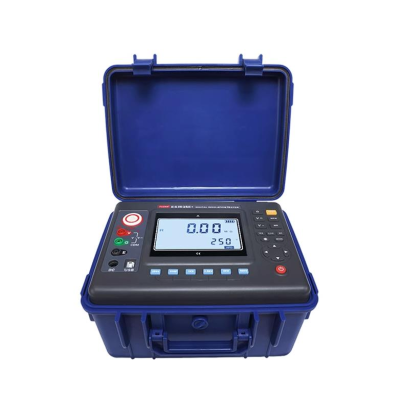


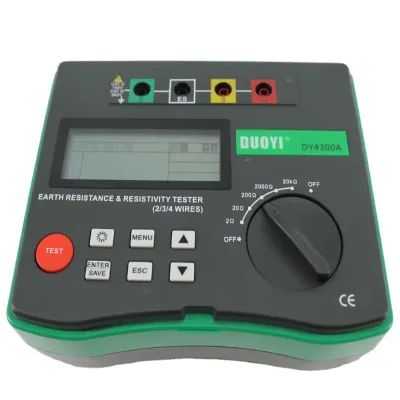
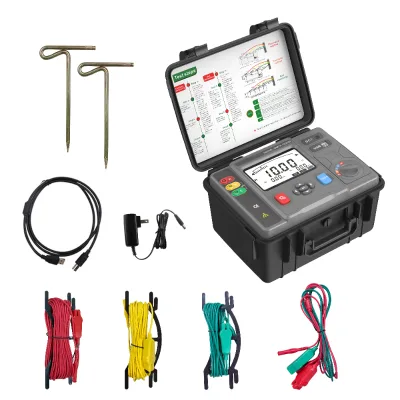

Ground Resistance Tester Earth Resistance Soil Resistivity and Ground Voltage Measurements
$1214.00 - $1400.00
MOQ: 1 Pieces

Earth Ground Tester for Large Area Grounding Grid Impedance and Soil Resistivity
$2700.00 - $3000.00
MOQ: 1 sets


Portable Soil Resistivity Test Ground Tester Digital Earth Resistance Meter
$1320.00 - $1500.00
MOQ: 1 Sets


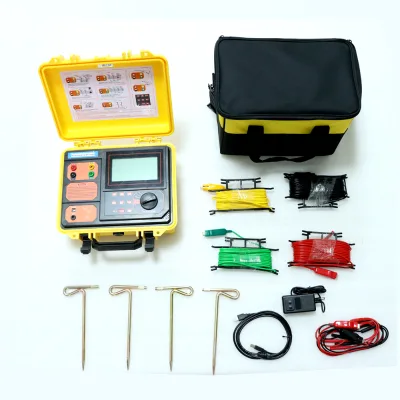
Automatic Wenner Method Grounding Soil Resistivity and Earth Resistance Tester
$350.00 - $480.00
MOQ: 1 Pieces


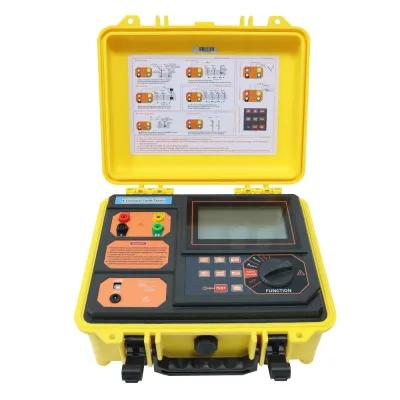
Comprehensive Sourcing Guide
Earth Resistance Soil Resistivity Tester Sourcing Guide
Procuring earth resistance and soil resistivity testers requires a nuanced understanding of the diverse equipment landscape, as the market contains distinct categories of testing instruments that serve different operational needs. Buyers must first distinguish between universal testing machines, which are typically used for material strength analysis, and specialized electrical safety testers designed for grounding systems. The supplied data indicates a mix of product types, including universal testing machines with digital displays and specific grounding resistance meters with LED or color touch screen interfaces. This distinction is critical because the mechanical properties of a universal testing machine do not translate to the electrical measurement capabilities required for verifying earth grounding integrity in industrial or construction settings.
The sourcing process must account for the wide variance in technical specifications observed in current listings, ranging from low-capacity handheld units to high-capacity stationary systems. While some listed items feature computer control and dynamic loading mechanisms typical of material testing, others are explicitly designed for measuring commonly used grounding resistance with specific current outputs and resistance ranges. Buyers should focus their search on devices that explicitly state functions related to ground testing, such as those with defined resistance ranges (e.g., 0-200/600 Ohms) and specific testing currents (e.g., 5-32A/70A), rather than general-purpose mechanical testers. This ensures that the acquired equipment aligns with the electrical safety compliance requirements of the intended application.
Product Scope and Observed Listing Signals
The current market listings reveal a broad spectrum of product attributes that buyers must carefully filter to identify relevant earth resistance testers. Observed data includes devices with varying display types, such as LED digital screens and color touch screens, which impact user interface and data readability in field conditions. Additionally, the presence of products with "Computer Control" and "Electronic Load" features suggests a segment of advanced testers that may offer automated data logging and precise control over test parameters. However, the coexistence of these features with mechanical testing attributes like "Dynamic Load" and "Static Load" highlights the need for precise keyword filtering to avoid purchasing equipment intended for structural material testing rather than electrical grounding verification.
Weight and packaging specifications provide further insight into the portability and handling requirements of these devices. Listings show a significant disparity in weight, with some units weighing as little as 1kg, suitable for handheld field operations, while others are packaged in heavy wooden cases with foam, indicating larger, potentially stationary or semi-stationary equipment. The observed gross weights range from 14kg to unspecified heavier loads, and packaging methods vary from simple wooden boxes to complex wooden cases without fumigation. Buyers should prioritize devices that match their operational environment, selecting lightweight, portable units for site inspections and more robust, packaged systems for laboratory or fixed-site testing stations.
Technical Specifications to Verify
When evaluating technical specifications, the resistance range and testing current are the most critical parameters for ensuring accurate ground resistance measurements. Buyers must verify that the device supports the specific resistance ranges required by their application, such as the observed 0-200 Ohm and 200-600 Ohm ranges, and confirm the resolution accuracy within these bands. The testing current, often specified as 5-32A or 70A, directly influences the ability to penetrate soil layers and obtain stable readings in high-resistance environments. It is essential to match the tester’s current output capability with the soil conditions and the size of the grounding system being tested to ensure reliable and repeatable results.
Operating conditions and power requirements also play a vital role in the selection process. The observed operating temperature ranges, such as -20°C to 50°C or -10°C to 40°C, indicate the environmental robustness of the devices, which is crucial for field testers exposed to varying weather conditions. Buyers should also check the operating voltage specifications, noting that some devices may require a rated voltage with a tolerance of ±10% and must handle loads greater than 20MΩ. Additionally, the short circuit current, observed at 5mA in some listings, is a safety parameter that should be considered to ensure the device does not pose a risk to personnel or connected equipment during testing procedures.
Compliance and Safety Documentation
Compliance with international safety standards is a non-negotiable aspect of sourcing electrical testing equipment. Buyers must ensure that the selected earth resistance testers carry recognized certifications, such as CE and RoHS, which indicate adherence to European health, safety, and environmental protection standards. These certifications are critical for importing equipment into regulated markets and for ensuring that the devices do not contain hazardous substances. Verification of these certifications should be done through official documentation provided by the supplier, rather than relying solely on product descriptions, to mitigate the risk of non-compliant equipment entering the supply chain.
In addition to product-level certifications, buyers should inquire about the testing standards against which the devices are calibrated and verified. While specific standards like IEC61326 are mentioned in background data, buyers must confirm that the equipment meets the relevant electrical safety and electromagnetic compatibility standards for their region. This includes verifying that the device’s accuracy grade, often listed as 0 or with specific percentage errors like 5%, meets the precision requirements of the intended application. Ensuring that the equipment is calibrated to traceable standards helps maintain the integrity of the grounding system assessments and supports regulatory compliance audits.
Cost Drivers and Commercial Terms
The cost of earth resistance testers is influenced by several factors, including the complexity of the measurement technology, the durability of the housing, and the inclusion of advanced features like computer control or large digital screens. Observed price ranges in the market vary significantly, reflecting the diversity in product capabilities and build quality. Buyers should consider the total cost of ownership, which includes not only the initial purchase price but also the cost of maintenance, calibration, and potential accessories such as probes or cables. Higher-priced units may offer better accuracy, wider resistance ranges, or more robust construction, which can justify the investment for critical infrastructure projects.
Commercial terms, such as minimum order quantities (MOQ) and delivery times, also impact the procurement strategy. The observed MOQ ranges from 1 to 50 units, indicating flexibility for both single-unit purchases and bulk orders. Delivery times, such as the observed 7-day lead time, suggest that suppliers may have ready stock or efficient production processes for standard models. Buyers should negotiate clear terms regarding shipping, insurance, and return policies, especially when importing equipment from international suppliers. Understanding these commercial terms helps in planning the procurement timeline and budgeting for any additional logistics costs associated with the delivery of the testing equipment.
Supplier Qualification and Quality Control
Selecting a qualified supplier is essential to ensure the reliability and performance of the earth resistance testers. Buyers should verify the supplier’s origin and manufacturing capabilities, noting that many listed products originate from China, with specific locations like Wuhan mentioned. It is important to assess the supplier’s reputation, production capacity, and quality control processes to ensure that the equipment meets the specified technical and compliance requirements. Suppliers with a history of providing certified products and positive customer feedback are generally more reliable choices for sourcing critical testing equipment.
Quality control measures should be a key part of the supplier evaluation process. Buyers should inquire about the testing procedures used by the supplier to verify the accuracy and functionality of the devices before shipment. This may include factory acceptance tests, calibration certificates, and quality assurance documentation. Additionally, buyers should consider the supplier’s after-sales support, including warranty terms, technical assistance, and availability of spare parts. A supplier that offers comprehensive support can help minimize downtime and ensure that the testing equipment remains in optimal condition throughout its lifecycle.
Long-Term Procurement Checks
Long-term procurement success depends on establishing a robust framework for ongoing supplier performance monitoring and equipment maintenance. Buyers should implement regular audits of supplier quality and delivery performance to ensure consistent adherence to agreed-upon standards and timelines. This includes tracking metrics such as defect rates, on-time delivery percentages, and responsiveness to technical queries. By maintaining a close relationship with suppliers and regularly reviewing performance data, buyers can identify potential issues early and take corrective actions to mitigate risks.
Furthermore, buyers should establish a proactive maintenance and calibration schedule for the earth resistance testers to ensure ongoing accuracy and reliability. This includes periodic calibration by accredited laboratories and routine inspections of the equipment’s physical condition and functional performance. Keeping detailed records of maintenance activities and calibration results helps in tracking the equipment’s lifecycle and planning for future replacements or upgrades. By prioritizing long-term maintenance and supplier management, buyers can maximize the value of their investment and ensure that their grounding system testing remains accurate and compliant over time.
FAQs
What is the maximum capacity of the universal testing machine?
The maximum capacity exceeds 1000KN for the universal testing machine. This high capacity supports heavy-duty testing requirements while maintaining stability during dynamic load operations.
How is the display configured on the universal testing machine?
The display is a color touch screen providing digital readouts. This configuration allows for intuitive operation and clear visualization of test data during the electronic load process.
What is the delivery time for the earth resistance tester?
The delivery time is 7 days for the earth resistance tester. This quick turnaround ensures rapid deployment for grounding resistance measurements in various industrial applications.
Can the product be customized for specific requirements?
Yes, the product offers customization options for specific requirements. Buyers can request tailored specifications while maintaining the core functionality of the electronic load testing system.
What is the accuracy grade of the testing equipment?
The accuracy grade is 0 with computer control for precision. This high-grade accuracy ensures reliable measurements for grounding resistance meters and other critical testing applications.
What certifications does the earth resistance tester hold?
The earth resistance tester holds CE and RoHS certifications. These certifications confirm compliance with international safety and environmental standards for the electronic testing equipment.
What is the weight range of the workpiece for testing?
The mass scope of the workpiece is under 900kg. This range accommodates various testing needs while ensuring the machine operates within its designed weight limits.