Source Easily Assembled Electric Poultry Netting for Farm, Ranch, Garden
Find 30 listings for Easily Assembled Electric Poultry Netting designed for farm, ranch, and garden applications. Buyers can compare specifications like height, length, and material to select the right fencing solution for their needs.
Key considerations
Products List


Factory Price Electric Poultry Netting: Protect Chickens From Predators
$41.00 - $44.00
MOQ: 199 Pieces

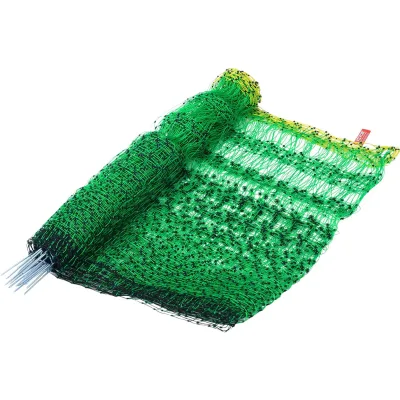
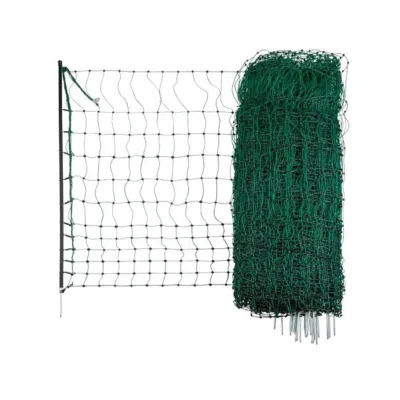
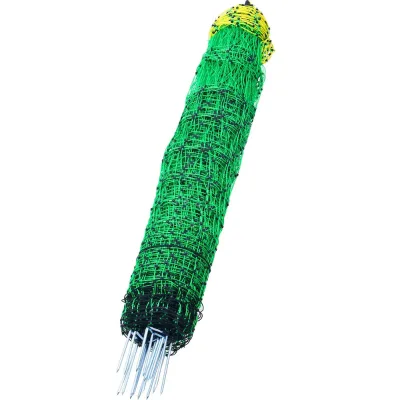
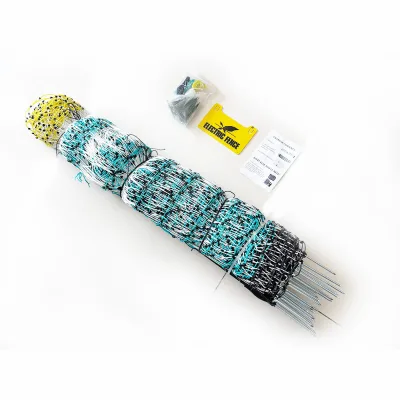


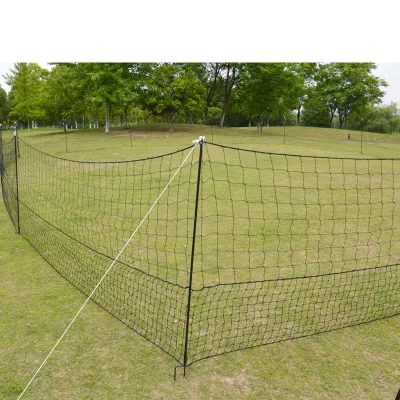
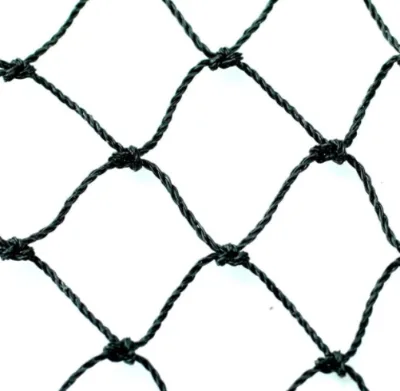

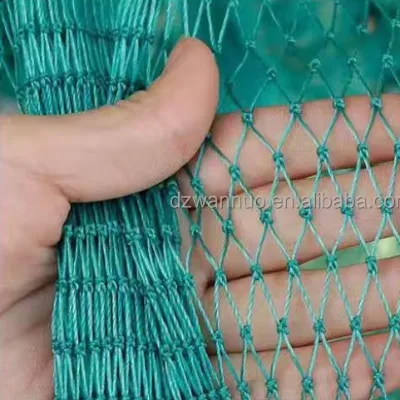


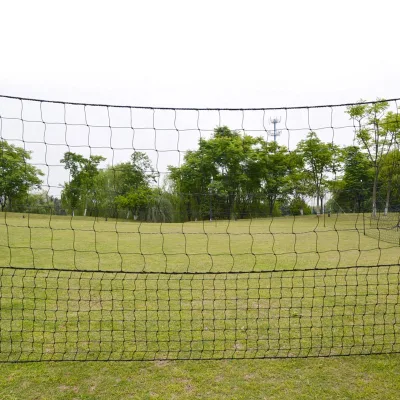
Comprehensive Sourcing Guide
Strategic Sourcing Guide for Easily Assembled Electric Poultry Netting
Procuring electric poultry netting requires a precise understanding of the intersection between electrical safety, material durability, and mechanical assembly. The core keyword "Easily Assembled Electric Poultry Netting" points to a specific category of fencing designed to minimize labor time while maintaining effective containment for poultry. Buyers must navigate a market where product attributes vary significantly between plastic-coated meshes and stainless steel-reinforced structures. This guide outlines the critical factors for sourcing this equipment, focusing on verified specifications, compliance verification, and supply chain logistics based on available market data.
Technical Specifications and Material Composition
The foundation of any effective poultry netting system lies in its material composition and physical dimensions. In the current market, the most prevalent configurations for "easily assembled" systems utilize a hybrid material approach. The primary structural components often consist of a combination of PE (Polyethylene) plastic and stainless steel. This blend is critical because the plastic provides insulation and weather resistance, while the stainless steel offers the necessary tensile strength to withstand tension and animal pressure.
When evaluating product listings, buyers should verify the specific mesh size and wire gauge. A common specification observed in high-volume listings is a mesh size of 0.6 by 0.6 inches. This dimension is generally considered optimal for containing poultry without allowing escape or injury. Furthermore, the height of the netting is a decisive factor in its application. Standard offerings include heights of 90cm, 120cm, and 150cm. For specific poultry applications, such as free-range systems, a height of 48 inches (approximately 122cm) is frequently cited as a standard configuration.
Length specifications also vary based on the intended deployment scale. Rolls are commonly available in lengths of 25 meters, 50 meters, or 100 feet. Some standardized packages may be configured as 4 rolls of 100 feet each, while others offer single rolls of 25 meters. The width of the netting is typically standardized at 0.9 meters. Buyers must ensure that the "easily assembled" claim is supported by the physical design, such as a plain weave technique which facilitates rapid deployment. The shape of the netting is generally rectangular, and the frame finishing may be noted as uncoated or coated depending on the specific model, such as the JS-PFN01 or YHY-SS-1622 series.
Compliance and Certification Verification
In the realm of agricultural fencing, particularly when electricity is involved, certification serves as a primary indicator of safety and quality. While specific test data may not always be publicly listed for every SKU, buyers should prioritize products that explicitly state compliance with recognized international standards. The most frequently observed certifications in this sector include ISO and RoHS. The ISO certification indicates that the manufacturing process adheres to quality management standards, which is essential for consistent product performance. RoHS compliance ensures that the materials used, particularly the plastics and coatings, are free from hazardous substances, which is a critical consideration for farm environments where animal health is paramount.
Buyers must be cautious of generic claims. The presence of a "CE" mark or "ROHS" label in background data should be treated as a potential indicator rather than a guaranteed fact for every unit. The most reliable verification method is to request the specific certification documents for the model number in question. For instance, models like the YHY-EN series often list ISO certification, but the specific scope of that certification (e.g., quality management vs. product safety) must be confirmed. Additionally, the electrical component of the netting must be verified as functional. Listings often specify "Elecric: Yes," indicating the netting is designed to carry a charge. However, the actual voltage and amperage capabilities are not always listed in standard product attributes and require direct inquiry with the supplier.
Cost Drivers and Pricing Dynamics
The pricing of electric poultry netting is influenced by a complex matrix of material costs, manufacturing complexity, and logistical factors. The observed price range in the market is extremely broad, spanning from $0.06 to $399 per unit. This variance is not indicative of a single product type but rather reflects the difference between a single roll of netting and a complete fencing kit or a large bulk order. The lower end of the spectrum typically represents individual rolls of standard mesh, while the higher end may include specialized models, complete installation kits, or orders with specific customizations.
Material costs are a primary driver. The inclusion of stainless steel significantly increases the price compared to all-plastic alternatives. Furthermore, the surface treatment plays a role; products with a "Coated" surface treatment may command a premium over those listed as "Not Coated" due to the added durability and corrosion resistance. The packaging method also affects the final cost. While standard "Carton Packing" is common, some suppliers offer "Wooden Case" packaging for heavy-duty or long-distance shipping, which adds to the unit price.
Buyers should also consider the Minimum Order Quantity (MOQ) as a cost driver. The observed MOQ range is substantial, varying from 1 unit to 10,000 units. A common MOQ for this product category is 50 rolls. Ordering at or above this threshold often unlocks better per-unit pricing. Conversely, orders below the MOQ may incur higher unit costs or require special handling fees. The origin of the product, primarily Hebei, China, also influences pricing due to regional manufacturing efficiencies and shipping logistics.
Typical Applications and Usage Scenarios
The versatility of electric poultry netting makes it suitable for a wide array of agricultural applications. The primary usage scenarios include farm fencing, ranch fencing, and garden fencing. The "easily assembled" feature is particularly valuable in rotational grazing systems, where fences need to be moved frequently to manage pasture usage. The netting's ability to be quickly deployed and retracted allows farmers to adapt their fencing layout to changing herd sizes or grazing patterns.
Specific applications often dictate the required specifications. For poultry netting, the application is explicitly defined as "Poultry Netting." The netting is designed to contain birds while preventing predators from entering. The height of the netting is crucial here; a 90cm to 150cm range is generally sufficient for most poultry species. The color of the netting, often available in Green or Orange/Green, serves a dual purpose: visibility for the farmer and camouflage for the animals. Green netting blends into the environment, reducing stress on the birds, while Orange/Green options provide high visibility for safety and boundary definition.
The "Easily Assembled" attribute is not merely a marketing term but a functional requirement for these applications. The netting is designed to be set up without specialized tools, often utilizing a simple frame or post system. This feature is essential for small-scale farms and hobbyists who may not have access to heavy machinery. The product is also suitable for temporary enclosures, such as those used during seasonal grazing or for housing birds in specific areas of a larger property.
Supplier Evaluation and Origin Analysis
When evaluating potential suppliers, the geographic origin of the product is a significant data point. The majority of the observed listings indicate the place of origin as Hebei, China. This region is a known hub for agricultural fencing and wire mesh manufacturing. Buyers should verify the specific location within the region, as some listings specify "Hbei" or "Hebei" with varying degrees of detail. The consistency of the origin suggests a mature supply chain with established logistics for exporting agricultural products.
Supplier reliability can be assessed through the clarity of their product documentation. High-confidence facts such as specific model numbers (e.g., YHY-SS-1622, JS-PFN01) and detailed material lists (PE + Stainless Steel) indicate a supplier that is transparent about their product. Conversely, vague descriptions or missing specifications should be treated as red flags. The availability of "installation instruction" as a service is another positive indicator of supplier support. This service ensures that buyers, regardless of their technical expertise, can correctly set up the electric fencing system.
Buyers should also look for suppliers who offer customization. The attribute "Customization: Available" suggests that the supplier can adapt the product to specific needs, such as altering the mesh size, height, or color. This flexibility is valuable for buyers with unique requirements. However, customization often comes with a higher MOQ or longer lead time, which must be factored into the procurement timeline.
Quality Control and Long-Term Procurement Considerations
Ensuring the long-term viability of the poultry netting requires a robust quality control strategy. The surface treatment of the netting is a critical quality indicator. Products listed with "Coated" surface treatment generally offer better protection against corrosion and UV degradation compared to those with "Not Coated" finishes. The chemical preservative type, such as ACQ (-B/C/D), is another factor to consider, particularly for wooden components or treated parts of the system. The pressure-treated wood type, noted as "Heat Treated" in some listings, further enhances durability.
Packaging is a vital aspect of quality control during transit. The standard "Carton Packing" or "Paper Carton" is common, but for international shipping, "Wooden Case" packaging may be necessary to prevent damage. The single package size and gross weight (e.g., 90x6x6 cm, 6.000 kg) are essential for calculating shipping costs and storage requirements. Buyers should verify that the packaging is sufficient to protect the netting from moisture and physical damage during transit.
Long-term procurement considerations include the availability of replacement parts and the consistency of the supply chain. Given the wide range of MOQs, buyers should plan their orders to align with their inventory needs. For example, an MOQ of 50 rolls may be ideal for a large farm, while a smaller operation might need to negotiate a lower MOQ or partner with other buyers. The lead time, while not explicitly detailed in the provided facts, is a critical factor that buyers must confirm with the supplier. The "service: installation instruction" indicates a commitment to post-sales support, which is crucial for maintaining the integrity of the fencing system over time.
Comparative Analysis of Product Attributes
To facilitate decision-making, the following table summarizes the key attributes observed in the market for electric poultry netting. This comparison highlights the variations in specifications that buyers must navigate.
| Attribute | Common Observation | Variations / Notes |
|---|---|---|
| Material | PE + Stainless Steel | Some listings specify "Plastic" only; others emphasize "PE plastic + Stainless steel". |
| Mesh Size | 0.6 * 0.6 inch | Standard for poultry; verify for specific bird sizes. |
| Height | 90cm, 120cm, 150cm | 48 inches (approx. 122cm) is also common. |
| Length | 25m, 50m, 100ft | Rolls may be sold individually or in sets (e.g., 4*100ft). |
| Color | Green, Orange/Green | Green for blending; Orange/Green for visibility. |
| Certification | ISO, RoHS | CE and ROHS mentioned in background; verify specific documents. |
| MOQ | 50 rolls | Range observed from 1 to 10,000 units. |
| Origin | Hebei, China | Some listings specify "Hbei". |
| Assembly | Easily Assembled | Plain weave technique supports this claim. |
| Packing | Carton, Wooden Case | Paper Carton is also noted. |
Final Procurement Recommendations
Sourcing "Easily Assembled Electric Poultry Netting" requires a methodical approach that balances technical specifications with supply chain realities. Buyers should prioritize products with clear material definitions, such as the PE and stainless steel combination, and verify certifications like ISO and RoHS before placing orders. The broad price range and MOQ requirements necessitate careful budgeting and inventory planning. By focusing on suppliers from established manufacturing regions like Hebei, China, and demanding detailed product documentation, buyers can secure high-quality fencing solutions that meet the demands of modern poultry farming. The emphasis on "easily assembled" features ensures that the fencing remains a practical and efficient tool for farm management, reducing labor costs and improving animal containment.
FAQs
What materials are used for Easily Assembled Electric Poultry Netting?
The netting typically combines PE plastic and stainless steel for durability and insulation. This hybrid construction ensures the mesh remains flexible while withstanding animal pressure and weather conditions effectively.
Which certifications should I verify for electric poultry fencing?
You should look for ISO and RoHS certifications on the product listings. These standards confirm adherence to quality management processes and ensure materials are free from hazardous substances suitable for farm environments.
How is the netting packaged for shipping?
Standard packaging usually involves cartons or paper cartons for individual rolls. Some heavy-duty options may utilize wooden cases to ensure protection during long-distance transport from the manufacturing origin.
Can I customize the height and mesh size of the netting?
Yes, customization is available for specific dimensions like height and mesh size. Buyers can request variations such as 90cm, 120cm, or 150cm heights with a standard mesh size of 0.6 by 0.6 inches.
What is the typical minimum order quantity for this product?
The minimum order quantity is commonly set at 50 rolls for standard orders. However, some suppliers may accept lower quantities, with the observed range extending from 1 unit up to 10,000 units.
Where are these poultry netting products typically manufactured?
Most products originate from Hebei, China, which is a major hub for agricultural fencing. This location provides established logistics and manufacturing efficiencies for exporting these specific fencing systems globally.
Does the netting come with installation instructions?
Yes, suppliers often provide installation instructions as part of their service package. This support helps ensure that the easily assembled system is set up correctly without requiring specialized tools or technical expertise.