Source Eco-Friendly Disposable Mole Repeller for Gardens, Lawns, and Farms
Find 12 Eco-Friendly Disposable Mole Repeller options for gardens, lawns, and farms. Compare solar-powered sonic devices with ABS plastic construction, CE RoHS certification, and rechargeable battery features to identify suitable suppliers for your pest control needs; compare the available evidence and request quotations based on your requirements.
Key considerations
Products List


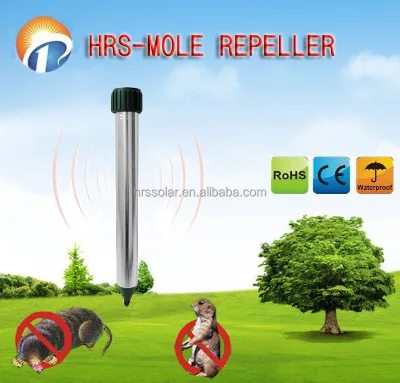
Eco-Friendly Rechargeable Solar Garden Mole Rodent Pest Animal Repeller
$3.89 - $5.59
MOQ: 1000 Pieces




Comprehensive Sourcing Guide
Eco-Friendly Disposable Mole Repeller Sourcing Guide
Sourcing an Eco-Friendly Disposable Mole Repeller requires balancing low unit cost against the technical and compliance realities of solar-powered garden electronics. Buyers in garden-tool distribution, farm supply retail, and home-improvement channels face a crowded field of near-identical listings, where differences in materials, coverage claims, and battery configuration determine whether a unit survives a season outdoors or is returned by end customers. Because the category sits at the intersection of pest control, consumer electronics, and outdoor hardware, procurement teams should evaluate candidate products across specification, documentation, and supplier capability dimensions before committing to volume.
This guide is built around attributes observed across a set of twelve listed products, with observed prices ranging from USD 1.95 to 6.98 and MOQs spanning from a single unit to 3,000 pieces. Those figures describe the observed listing set rather than guaranteed market terms, so treat them as calibration points for negotiation. The sections below translate observed listing signals into concrete verification steps, helping buyers separate well-documented products from listings that omit the details that matter in wholesale purchasing.
Product Scope and Observed Listing Signals
The products matching this keyword fall into the electronic pest repeller category, using sonic and vibration functions rather than chemicals or poisons, which supports the eco-friendly positioning. Observed pest targets include mole, vole, gopher, snake, mice, and rodents, so buyers should confirm which pest set each model actually addresses before matching it to their market's dominant garden pests. Typical applications cited in listings are plants and garden, home and perimeter, lawn, yard, courtyard, pond, and farm settings. Because "disposable" positioning can conflict with rechargeable, solar-powered designs, clarify whether your sourcing intent is single-season low-cost units or durable solar devices.
Observed listing attributes give useful comparison anchors. Models such as AN-A216, AN-A316C, and AN-A316D appear with defined product dimensions (287X110X75mm for one model), colors including Black and Green+Silver, and materials of ABS plastic or ABS with aluminum components. Packing options range from single bottle and color box to mail box, white box, and OEM pack. Coverage figures of 650 square meters and applicable areas of 600–800 square meters appear repeatedly. Prices from 1.95 to 6.98 USD and MOQs from 1 to 3,000 pieces suggest the market serves both trial buyers and bulk importers.
Technical Specifications to Verify
The most consequential technical cluster is the power system: listings describe solar-powered units paired with a 1*AA rechargeable battery, with a solar panel supply of 4.5V/45mA and panel dimensions of 90X70mm. Verify that the panel wattage and battery chemistry are consistent with the stated time-used claim of more than 480 hours, and ask how the device performs through consecutive overcast days, since solar-only designs in shaded gardens can deplete the battery. Confirm whether the rechargeable battery is user-replaceable, as this affects the realistic service life behind any "disposable" framing.
Second, verify the functional parameters that determine field performance. Observed listings cite sonic plus vibration operation at 400–1000Hz with a coverage of 650 square meters; request clarification on how frequency cycles, whether output is intermittent, and how coverage was measured, since claimed area is often extrapolated rather than tested. For models combining ABS with aluminum tube construction, check the sealing method around the insert section, because water ingress at the tube joint is the most common failure point for garden-buried repellers. Also confirm the applicable-area rating (600–800 square meters observed) matches the housing design sold in your target market.
Compliance and Safety Documentation
Certification claims in the observed listings include CE and RoHS, which are the baseline expectations for electronic pest repellers entering European markets. Do not accept a certification logo on a listing as evidence of compliance: request the actual certificate documents, confirm the certificate holder matches the manufacturing entity, and check that the scope covers the specific model number you are purchasing, such as AN-A316C or AN-A316D. For any additional market-entry requirements in your destination region, ask the supplier what documentation they can provide rather than assuming coverage.
Because these devices combine electronics, rechargeable batteries, and outdoor exposure, battery safety documentation deserves specific attention. Ask for details on the 1*AA rechargeable battery type, its transport classification, and any test reports covering the sealed housing under wet conditions. Buyers should also clarify whether RoHS declarations cover the full assembly, including the aluminum tube and sealants, not just the PCB. For the eco-friendly marketing claim itself, request the supplier's basis for that positioning—typically the absence of chemical bait or poison—so your own product copy remains defensible in regulated retail environments.
Cost Drivers and Commercial Terms
Observed pricing from 1.95 to 6.98 USD across twelve products indicates meaningful spread within a visually similar category, and that spread is usually explained by identifiable cost drivers: aluminum tube versus all-ABS construction, solar panel specification, battery inclusion, packaging choice (color box versus mail box versus white box), and coverage-related electronics. Build your cost model around these variables rather than headline price alone. Packaging size also drives freight: one observed packing standard is 287x110x75MM for three pieces, and another is 38.4x15.3x15.3CM—dimensions that directly affect carton density and per-unit landed cost.
On commercial terms, observed MOQs range from 1 to 3,000 pieces, and at least one listing welcomes trial orders, which is favorable for first-time testing. Use a trial order to validate quality before scaling, but negotiate MOQ tiering for repeat volume. Confirm what the quoted price includes: battery, packaging type, and whether OEM packing is available, since observed listings offer OEM packs and customization. Additional observations from the listing set—"Single Bottle" packaging standard and capacity of 90cbm noted in one listing—show how variable pack formats are, so lock packaging specifications in writing before deposit.
Supplier Qualification and Quality Control
Qualify suppliers by their ability to document the product rather than by listing polish. A capable manufacturer of garden pest repellers should provide: model-specific specifications (frequency range, solar panel output, coverage), materials declarations for ABS and aluminum components, and certificates matching the shipped model. Ask about production location detail—observed origins are Shenzhen, Guangdong Province—which matters for consolidating shipments with other electronics sourcing. Suppliers offering customization should describe their MOQ and cost implications for custom logo, color, or packaging without ambiguity.
For quality control, define an inspection protocol before the first production order. Key checks for this product type include: solar panel output verification against the 4.5V/45mA specification, battery fit and charging behavior, sonic and vibration function testing across the 400–1000Hz range, water-resistance of the sealed tube assembly, and carton drop testing appropriate to the packing format. Request pre-production samples and retain golden samples for comparison against bulk. Because customization is available across the listing set, inspect customized elements—printing, colors, box dimensions such as 38.4x15.3x15.3CM—with the same rigor as functional electronics.
Long-Term Procurement Checks
Long-term success in this category depends on field failure rates, so establish a feedback loop from your market back to the supplier. Track return reasons—battery degradation, water ingress, sonic failure, or cosmetic damage—and review them with the supplier quarterly. Verify that the claimed >480 hours of use translates into realistic seasonal performance in your climate, since solar charging performance varies by region. If you started with a trial order under a low MOQ, use accumulated sell-through data to negotiate better pricing tiers and to justify specification improvements, such as upgraded sealing or a higher-grade battery.
Finally, manage the relationship structurally. Confirm whether customization arrangements—OEM packs, custom colors, or modified coverage specs—carry exclusivity or tooling implications that affect switching costs. Keep certificates current by asking for renewed CE and RoHS documentation annually, and re-verify that any design changes trigger recertification. Monitor whether observed attributes remain consistent across reorders: model numbers like AN-A216, AN-A316C, and AN-A316D should map to unchanged internal specifications, so require written notification of any component substitution. Buyers who document these details early convert a commodity purchase into a dependable, repeatable supply arrangement.
FAQs
How does the electronic mole repeller function?
The device functions using sonic and vibration technology to repel pests. It operates within a frequency range of 400 to 1000Hz to effectively target moles, mice, and gophers. This method provides a non-toxic solution for garden and farm applications without harming plants.
What power supply options are available for this unit?
The unit is powered by solar energy and includes one AA rechargeable battery. The solar panel provides 4.5V at 45mA, ensuring long-term operation. This dual power system allows the repeller to function reliably in outdoor settings like gardens and courtyards without constant manual intervention.
Which pests does this repeller effectively target?
This repeller targets moles, voles, gophers, and general rodents. It is designed for use in lawns, gardens, and manors. The sonic and vibrating features create an environment that discourages these specific pests from entering the protected area, ensuring plant safety.
Can I customize the packaging for bulk orders?
Yes, customization is available for this product. Buyers can request OEM packaging options such as color boxes or mail boxes. This flexibility supports various branding needs while maintaining the standard product specifications and ensuring safe transport for international shipments.
What is the coverage area for one unit?
One unit covers approximately 650 square meters of area. Some models specify a range of 600 to 800 square meters depending on the specific configuration. This coverage makes it suitable for large gardens, ponds, and farm perimeters requiring effective pest control solutions.
How long does the battery last on a full charge?
The device can be used for more than 480 hours on a single charge cycle. This extended usage time is supported by the rechargeable battery and solar panel combination. It ensures continuous protection against pests in outdoor environments without frequent recharging interruptions.
What certifications does the product hold?
The product holds CE and RoHS certifications for safety and environmental compliance. These standards ensure the electronic components meet international regulations. Buyers can rely on these certifications when sourcing for markets that require strict adherence to safety and material standards.