Source eco friendly 2 way plastic pallet for Transport, Storage, Logistics
Compare 15 verified listings for eco friendly 2 way plastic pallet options suitable for transport, warehouse storage, and logistics operations. Buyers can evaluate customization, load capacity, and material specifications to find the right solution for their supply chain needs; compare the available evidence and request quotations based on your requirements.
Key considerations
Products List


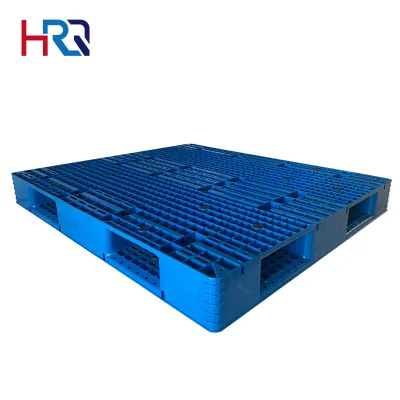
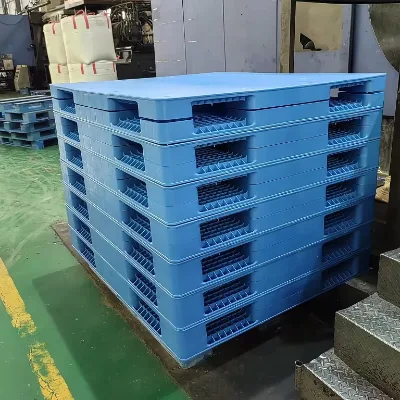
Comprehensive Sourcing Guide
Eco Friendly 2 Way Plastic Pallet Sourcing Guide
Procuring eco-friendly two-way plastic pallets requires a strategic focus on material composition and directional entry capabilities. While the supplied data highlights various plastic pallet types, buyers must specifically verify that the selected unit supports two-way entry, distinct from the four-way or single-face models frequently observed in the market. This directional constraint significantly impacts forklift maneuverability and warehouse layout efficiency, necessitating a careful review of product specifications before finalizing any order.
The environmental aspect of these pallets often involves the use of recycled polymers or designs that facilitate easier recycling at end-of-life. Buyers should scrutinize the material claims to ensure they align with genuine sustainability goals rather than generic marketing terms. Understanding the specific plastic formulation is crucial, as it dictates the pallet's durability, chemical resistance, and overall carbon footprint throughout its operational lifecycle in transport and storage applications.
Product Scope and Observed Listing Signals
The current market landscape for plastic pallets displays a wide variance in structural designs, including box pallets, flat pallets, and specialized casting moulding series. Buyers must distinguish between these forms, as the "two-way" requirement specifically limits the pool of viable options to those engineered with entry points on only two opposing sides. The observed listings include models with dimensions like 1200x800mm and 1200x1200mm, but the entry type must be explicitly confirmed to match the two-way operational need.
Color and customization options are frequently available, with yellow and blue being common standard colors that can often be customized to meet brand identity requirements. The supply chain data indicates that packaging methods vary from shrink film to bulk stacking, which influences the initial cost and protection during transit. Procurement teams should prioritize suppliers who offer clear visual documentation of the specific two-way entry configuration to avoid receiving units that are incompatible with existing handling equipment.
Technical Specifications to Verify
Dimensional accuracy is a critical verification step, as the supplied facts list standards ranging from 1200x800mm to 1100x1100mm, with some models offering fully customized sizes. Buyers must ensure the selected pallet's footprint aligns precisely with their racking systems and container dimensions to maximize space utilization. The weight of the pallet, observed at approximately 14kg for certain models, is another key metric that affects total shipping costs and the ease of manual handling during loading and unloading operations.
Load capacity and structural integrity are paramount, with some listings indicating a heavy-duty capacity of up to 2 tons. However, the specific load rating for a two-way entry model must be validated against the intended cargo weight, as flat pallets and box pallets distribute stress differently. Additionally, the surface treatment, such as plastic coating, should be verified to ensure it provides the necessary friction and resistance to wear, particularly in environments where the pallets will be subjected to frequent forklift use and rackable storage.
Compliance and Safety Documentation
Certification status is a primary indicator of a supplier's commitment to quality management and environmental standards. The available data references ISO 9001 and ISO 14001 certifications, which are essential for verifying that the manufacturing process adheres to international quality and environmental management systems. Buyers should request current certificates to confirm that the specific production line for the two-way pallets is covered under these valid accreditations, ensuring consistent product quality and regulatory compliance.
Safety documentation must also address the specific performance characteristics of the plastic material, such as anti-static properties which are noted in some product listings. While not all plastic pallets possess this feature, it is a critical specification for industries handling sensitive electronic components or flammable materials. Procurement teams should demand test reports or material safety data sheets that explicitly confirm the anti-static rating and other safety features relevant to the specific application environment.
Cost Drivers and Commercial Terms
Pricing for plastic pallets varies significantly based on material volume, customization levels, and order quantity, with observed ranges spanning from 5 to 38 USD per unit. The minimum order quantity (MOQ) can range from a single set to 500 units, directly influencing the unit cost and the feasibility of trial orders. Buyers should negotiate based on their specific volume requirements, understanding that higher volumes often unlock better pricing tiers and more favorable shipping terms.
Logistics and packaging costs are additional drivers that can impact the total landed cost of the procurement. The data shows options for shipping containers, shrink film, and standard pallet packaging, each carrying different freight implications. Furthermore, the availability of samples, typically offered within 5 to 7 days, allows buyers to validate quality before committing to large orders, though this initial investment must be factored into the overall budget planning for the project.
Supplier Qualification and Quality Control
Supplier location and production capacity are vital factors in ensuring reliable delivery and consistent quality. The observed origins include Jiangsu and Qingdao in China, regions known for established manufacturing hubs, but buyers must verify the specific factory's capacity to handle heavy-duty production runs. A supplier's ability to offer customized logos and colors indicates a flexible production line capable of meeting specific branding and operational requirements without compromising on structural integrity.
Quality control processes should be rigorously assessed, particularly regarding the durability and surface treatment of the final product. The "durable" advantage cited in the data suggests a focus on long-term performance, but this must be backed by robust internal testing protocols. Buyers should inquire about the supplier's defect rates and return policies, ensuring that the manufacturing process includes strict checks for dimensional accuracy and load-bearing consistency before the pallets leave the facility.
Long-Term Procurement Checks
Sustainability and end-of-life management are increasingly critical considerations for long-term procurement strategies. While the term "eco-friendly" is used, buyers must verify the recyclability of the specific plastic resin used in the two-way pallets to ensure they align with corporate environmental goals. Establishing a clear plan for the disposal or recycling of pallets at the end of their service life is essential for maintaining a truly sustainable supply chain and avoiding unnecessary waste.
Performance monitoring over time is necessary to validate the initial investment and ensure the pallets continue to meet operational demands. Buyers should track metrics such as breakage rates, wear patterns, and maintenance needs to assess the true cost of ownership. Regular audits of the supplier's ability to maintain consistent quality and provide timely replacements or customizations will help sustain a reliable and efficient logistics operation over the long term.
FAQs
What are the standard dimensions for 2-way plastic pallets?
Common standard dimensions include 1200mm by 800mm and 1200mm by 1200mm. These sizes are widely used in logistics to ensure compatibility with standard racking systems and transport containers. Buyers should verify specific load capacity requirements to match their operational needs.
Can plastic pallets be customized with specific logos or colors?
Yes, many suppliers offer customization options for logos and colors. You can request specific branding elements or color schemes to match your corporate identity. This service is often available for bulk orders, allowing for consistent visual identification across your supply chain.
What is the typical lead time for sample production?
Sample production typically takes between five and seven days. This timeframe allows manufacturers to prepare a physical prototype for quality inspection and dimensional verification. Confirming sample details early helps ensure the final bulk order meets your specific operational requirements.
Which certifications are commonly associated with plastic pallets?
Common certifications include ISO 9001 and ISO 14001, which indicate quality management and environmental responsibility. Some products may also carry SGS or CE standards. Verifying these certifications helps ensure the pallets meet international safety and quality benchmarks for industrial use.
How is the load capacity of these pallets determined?
Load capacity is determined by the pallet's structural design and material thickness. Specific models may support up to two tons, depending on the configuration. Buyers should match the pallet's rated capacity to their heaviest expected loads to prevent structural failure during transport.
What packaging methods are used for shipping plastic pallets?
Pallets are often shipped in bulk stacks or using shrink film to secure them. Some suppliers use standard packaging or shipping containers for larger orders. Proper packaging ensures the pallets remain stable and protected from damage during transit to your facility.
Are these pallets suitable for forklift use and racking?
Yes, many plastic pallets are designed for forklift use and can be rackable. This versatility allows for efficient handling in warehouses and during transportation. Ensure the pallet style matches your specific forklift type and racking system to maximize operational efficiency.