Source eco-friendly foldable vacuum storage bag for Food, Household, Chemical
Compare 30 listings for the eco-friendly foldable vacuum storage bag designed for food, household, and chemical applications. Buyers can evaluate specifications like material, sealing methods, and customization options from verified manufacturers in China.
Key considerations
Products List


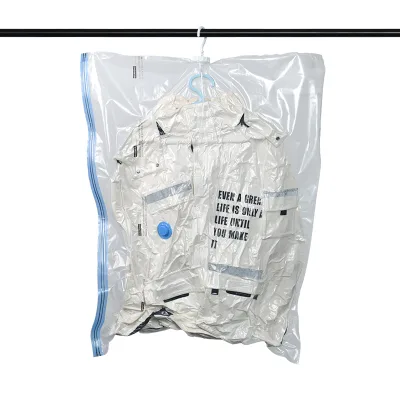
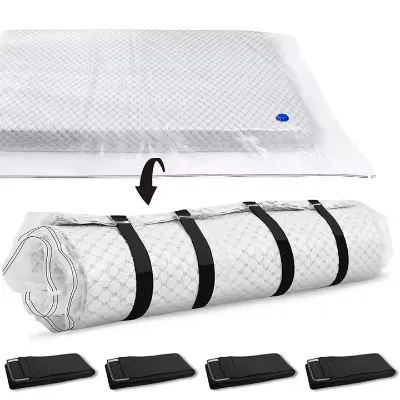
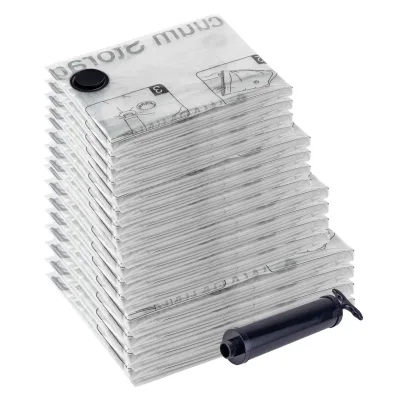
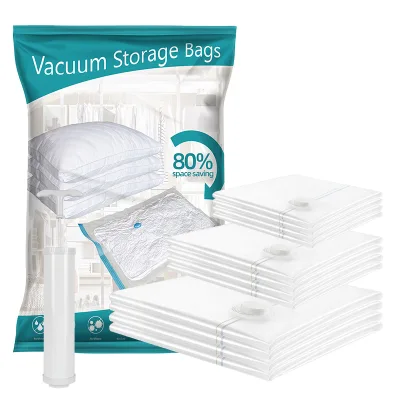
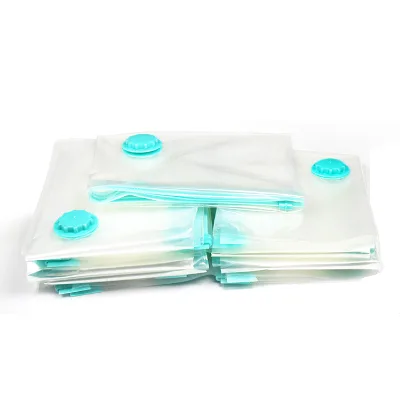
Vacuum Seal Space Saver Bags - Durable Foldable Plastic Storage Solution
$0.30 - $1.60
MOQ: 500 Pieces


$1.00 - $9.90
MOQ: 200 Pieces



Comprehensive Sourcing Guide
Strategic Sourcing Guide for Eco-Friendly Foldable Vacuum Storage Bags
The global demand for sustainable packaging solutions has intensified, driving procurement strategies toward eco-friendly foldable vacuum storage bags. These products serve a critical function in preserving food, household items, and industrial goods while minimizing environmental impact. For B2B buyers, navigating this market requires a disciplined approach that distinguishes between verified product attributes and generic marketing claims. This guide synthesizes available product facts and industry standards to provide a robust framework for sourcing decisions, ensuring that procurement teams can identify suppliers capable of delivering high-performance, compliant, and sustainable storage solutions.
Technical Specifications and Material Composition
The foundation of a reliable vacuum storage bag lies in its material composition and structural integrity. Based on observed product data, the raw materials for these bags often include High Pressure Polyethylene (HDPE), Nylon (NY), and multi-layer laminates such as PET/Al/Ny/Retort CPP. The specific choice of material dictates the bag's performance characteristics, including its ability to maintain a vacuum seal and resist punctures. A common observation in the market is the use of Nylon, which offers superior tensile strength compared to standard polyethylene. However, the "eco-friendly" designation requires careful verification of the polymer blend.
The manufacturing process is equally critical. The primary method observed is the Plastic Packaging Bags process, often utilizing Heat Transfer or Thermal Transfer printing techniques for branding and instructions. The sealing mechanism is predominantly Heat Seal, which ensures an airtight closure essential for the vacuum function. Buyers must verify that the sealing technology is compatible with the specific material layers. For instance, bags utilizing a Retort CPP layer are designed to withstand higher temperatures, with observed operational ranges spanning from -18°C to 121°C. This temperature tolerance is vital for applications involving freezing or heat sterilization.
Furthermore, the physical dimensions and shape are variable. Observed models range from standard sizes like 50*35cm to custom specifications. The bags are typically categorized as Upright Bags or Flat Bags, with some featuring handles for ease of transport. The hardness is generally classified as Soft, allowing for flexibility during storage. However, a key technical constraint noted in product attributes is that certain variants are "Not Waterproof." This distinction is crucial for buyers sourcing bags for outdoor or high-moisture environments, as it necessitates a clear understanding of the specific barrier properties of the selected model.
Compliance, Certification, and Environmental Standards
In the realm of eco-friendly packaging, certification serves as the primary evidence of compliance and safety. Buyers must demand documentation that validates the product's adherence to international standards. The observed product data lists a robust array of certifications, including BRC, SGS, ISO, BSCI, TUV, DIN, and Bpi. These certifications cover various aspects of quality management, social responsibility, and food safety. For example, BRC (British Retail Consortium) and ISO standards are particularly relevant for food-grade applications, ensuring that the materials do not leach harmful substances into stored goods.
The environmental aspect of "eco-friendly" is often supported by the use of Eco-Friendly Ink for printing. This is a significant differentiator, as traditional printing inks can contain heavy metals or volatile organic compounds (VOCs) that complicate recycling. The product attributes explicitly mention "Recyclable" as a feature, which aligns with the use of specific polymer blends. However, buyers should verify the specific recycling codes and the feasibility of recycling the multi-layer laminates (such as PET/Al/Ny) in their local jurisdiction, as the presence of aluminum layers can sometimes hinder standard recycling streams.
While some background information suggests certifications like REACH or CE, these should be treated as potential attributes rather than guaranteed facts for every listed product. The buyer's due diligence must focus on obtaining the actual certificate documents for the specific batch or production run. The presence of a "Best" quality attribute in marketing materials is subjective; therefore, reliance on third-party audit reports from the listed certifying bodies (SGS, TUV, etc.) is the only reliable method to confirm quality claims.
Cost Drivers and Pricing Dynamics
Understanding the cost structure of vacuum storage bags is essential for budgeting and negotiation. The observed price range in the market is extensive, spanning from $0.01 to $3,100. This wide variance is not indicative of a single product type but rather reflects differences in volume, material complexity, and customization levels. The lower end of the spectrum likely corresponds to basic, non-customized polyethylene bags purchased in bulk, while the higher end may involve complex multi-layer laminates, custom printing, or small-batch specialized orders.
Several factors drive the cost of these products. First, the raw material cost fluctuates based on the global price of petroleum derivatives and the specific polymers used, such as Nylon or High Pressure Polyethylene. Second, the printing process adds cost; Thermal Transfer and Heat Transfer printing require specialized equipment and inks, with Eco-Friendly Ink typically commanding a premium over standard inks. Third, customization is a major cost driver. The availability of Customization and Customized options allows for unique shapes, sizes, and branding, but each iteration increases the setup and production time.
The Minimum Order Quantity (MOQ) is another critical cost determinant. The observed MOQ range is 1 to 10,000 units, with a specific high-confidence fact noting an MOQ of 1,000 PCS for certain models. Suppliers often offer tiered pricing where the unit cost decreases significantly as the order volume increases. Buyers must balance the need for inventory against the cash flow impact of high MOQs. Additionally, the packaging format, such as 1PC per OPP Bag and 30PCS per Carton, affects logistics costs and storage efficiency.
Typical Applications and Market Segmentation
The versatility of eco-friendly foldable vacuum storage bags makes them suitable for a diverse range of applications. The primary application sectors identified include Food, Household, and Chemical storage. For the food industry, the temperature range of -18°C to 121°C is particularly valuable, allowing these bags to be used for freezing, sous-vide cooking, and heat sterilization. The Moisture Proof feature ensures that food items remain fresh and protected from humidity, extending shelf life.
In the household sector, these bags are often marketed for "Leisure" and "Gifts" usage, suggesting a consumer-facing application for organizing clothes, bedding, or travel items. The "Handled" type and "Upright Bag" shape facilitate easy storage in closets or under beds. The "Fashion Bags-017N" model and similar variations indicate a trend toward aesthetic design, where the bag serves both a functional and decorative purpose.
The market data highlights the United States as a "Hot Selling Market," indicating strong demand in North America. This suggests that suppliers with experience in the US market may have better insights into local regulatory requirements and consumer preferences. The "Chemical" application implies that the bags must also resist degradation from various substances, requiring high chemical resistance in the material formulation. Buyers targeting these sectors should ensure the selected product model meets the specific chemical compatibility requirements of their intended use case.
Supplier Evaluation and Quality Control
Selecting the right supplier requires a rigorous evaluation process that goes beyond price comparisons. The origin of the products is predominantly Zhejiang, China, a major hub for plastic packaging manufacturing. Buyers should verify the supplier's production capacity and their ability to maintain consistent quality across large batches. The "Quality: Best" claim should be substantiated by the supplier's quality control protocols and their history of passing the listed certifications (BRC, SGS, ISO, etc.).
Quality control measures should be integrated into the procurement process. Buyers must verify that the supplier conducts regular testing for seal integrity, tensile strength, and chemical migration. The "Not Waterproof" attribute for some models serves as a reminder that not all vacuum bags are created equal; buyers must confirm the specific barrier properties of the product they intend to purchase. Additionally, the "Shipment" lead time of 15-25 days is a critical factor in supply chain planning. Delays in production or shipping can disrupt inventory levels, so suppliers with reliable logistics partners are preferred.
When evaluating suppliers, buyers should request samples to test the "Eco-Friendly" claims firsthand. This includes checking the recyclability of the material and the safety of the inks used. The supplier's ability to provide detailed technical data sheets (TDS) and safety data sheets (SDS) is a strong indicator of professionalism and transparency. Furthermore, the presence of OEM (Original Equipment Manufacturer) capabilities suggests that the supplier can adapt their production lines to meet specific buyer requirements, offering flexibility in branding and design.
Long-Term Procurement Considerations
Sourcing eco-friendly vacuum storage bags is not a one-time transaction but a long-term partnership that requires strategic planning. The "Customized" nature of many products means that establishing a consistent supply chain is vital for maintaining brand identity and product quality. Buyers should consider the scalability of their orders; as demand grows, the supplier must be able to increase production without compromising quality or lead times.
Sustainability is a long-term trend that will likely influence procurement decisions further. As regulations on single-use plastics tighten, the demand for truly recyclable and biodegradable materials will increase. Buyers should stay informed about evolving standards and be prepared to adapt their specifications accordingly. The "Recyclable" feature observed in current products is a positive step, but future-proofing may require exploring new material technologies that offer even greater environmental benefits.
Finally, the relationship with the supplier should be built on trust and clear communication. Regular audits, performance reviews, and feedback loops will help ensure that the supplier continues to meet the buyer's expectations. By focusing on technical specifications, compliance, and long-term strategic alignment, buyers can secure a reliable supply of eco-friendly foldable vacuum storage bags that meet the needs of their customers and the environment.
| Attribute Category | Observed Fact | Verification Requirement |
|---|---|---|
| Material | High Pressure Polyethylene, Nylon, PET/Al/Ny/Retort CPP | Confirm specific layer composition for intended use. |
| Temperature | -18°C to 121°C | Verify thermal stability for specific food/chemical processes. |
| Certification | BRC, SGS, ISO, BSCI, TUV, DIN, Bpi | Request valid certificates for the specific production batch. |
| MOQ | 1 - 10,000 PCS (Specific: 1,000 PCS) | Negotiate volume tiers to optimize unit cost. |
| Sealing | Heat Seal | Test seal integrity on sample units. |
| Thermal Transfer, Eco-Friendly Ink | Confirm ink safety and recyclability impact. | |
| Origin | Zhejiang, China | Verify factory location and audit status. |
| Shipment | 15-25 Days | Plan inventory buffer for lead time variability. |
FAQs
What materials are used for eco-friendly foldable vacuum storage bags?
These bags typically use High Pressure Polyethylene, Nylon, or multi-layer laminates like PET/Al/Ny/Retort CPP. The specific material choice determines the bag's strength and barrier properties for food or chemical storage applications.
Which certifications ensure the safety of these vacuum storage bags?
Verified products often hold BRC, SGS, ISO, BSCI, TUV, DIN, and Bpi certifications. These documents validate compliance with food safety, quality management, and social responsibility standards required for international trade.
Can these bags withstand high temperatures during sterilization or cooking?
Yes, certain models withstand temperatures ranging from -18 to 121 degrees Celsius. This range supports freezing, sous-vide cooking, and heat sterilization processes for food preservation without compromising the seal integrity.
What is the minimum order quantity for custom vacuum storage bags?
The minimum order quantity can be as low as 1 unit but is often set at 1000 pieces for standard models. Buyers should verify specific MOQ requirements as they vary by supplier and customization level.
How long does the shipment take for bulk orders of these bags?
The standard shipment lead time is typically 15 to 25 days from order confirmation. This duration accounts for production, quality checks, and logistics preparation for delivery to international destinations.
Are these bags waterproof and moisture proof for outdoor use?
While many bags feature moisture proof characteristics, some specific variants are explicitly noted as not waterproof. Buyers must check the specific model attributes to ensure suitability for high-moisture or outdoor environments.
Which printing methods are used for branding on these vacuum bags?
Thermal Transfer and Heat Transfer printing processes are commonly used for applying logos and instructions. Eco-friendly inks are often available to ensure the printing process aligns with sustainability goals and recycling requirements.