Source Fast Dry PVC Cement for Woodworking, Construction, and Pipes
Compare 24 listings of Fast Dry PVC Cement from verified Chinese manufacturers. Buyers can evaluate specifications like setting time, material composition, and packaging options for residential and industrial applications; compare the available evidence and request quotations based on your requirements.
Key considerations
Products List


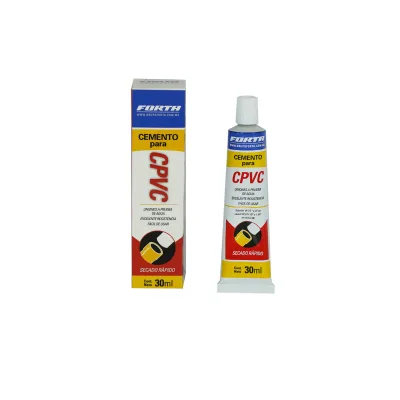


$150000.00 - $2000000.00
MOQ: 1 Sets


$488.00 - $520.00
MOQ: 1 Tons


Comprehensive Sourcing Guide
Fast Dry PVC Cement Sourcing Guide
Procuring fast-drying PVC cement requires a nuanced understanding of solvent-based adhesive chemistry and industrial application requirements. Buyers must distinguish between general-purpose bonding agents and specialized formulations designed for rapid setting in high-volume production environments. The core keyword highlights a specific performance characteristic: speed. This demand drives the need for adhesives that cure quickly without compromising joint integrity or structural strength. Sourcing decisions should prioritize products that offer a balance between rapid initial tack and long-term durability, ensuring that the adhesive meets the specific throughput demands of the manufacturing or construction process.
The market offers a variety of polyvinyl-based solutions, ranging from clear liquid sealants to specialized structural adhesives. Observations indicate that products are often categorized by their morphology, such as solvent-based liquids, and their primary composition, which frequently involves polyvinyl chloride or related organic materials. Buyers should verify the specific bonding function, whether it is intended for liquid sealing, leak prevention, or structural adhesion. Understanding these distinctions is critical for selecting the right product for applications in woodworking, packaging, footwear, or construction, where the adhesive must perform reliably under varying environmental conditions and mechanical stresses.
Product Scope and Observed Listing Signals
The observed product landscape reveals a diverse range of adhesive solutions, with models such as FBPV001 and MPD155 indicating specific formulation variations. Listings show packaging options like 500ml tins and 125ml containers, suggesting flexibility for both industrial bulk use and smaller-scale applications. The presence of customized color options, including clear, light yellow, and green, allows for aesthetic matching in visible installations. Buyers should note that while some products are labeled as "pvc cement glue," others may serve broader purposes in transportation or fiber and garment industries, necessitating careful review of the stated application scope to ensure compatibility with the intended use case.
Further analysis of listing signals shows that products are often described with attributes like "fast-setting" and "room curing," which are critical for operational efficiency. The material composition is consistently identified as polyvinyl or polyvinyl chloride, reinforcing the chemical basis for bonding PVC components. Some listings also mention specialized additives such as shrinkage-reducing or fiber-reinforced components, which may enhance performance in specific structural contexts. Buyers must verify these claims against their technical requirements, as the presence of such additives can significantly impact the adhesive's behavior during application and curing, affecting both the speed of the process and the final quality of the bond.
Technical Specifications to Verify
When evaluating fast-drying PVC cement, buyers must prioritize the verification of setting time and working conditions. The "fast-setting" attribute suggests a rapid initial cure, but the exact time before covering or full structural strength development should be confirmed. For instance, some products may require 24-48 hours before covering, while others might offer quicker walkable times. Buyers should request detailed technical data sheets that specify the working time, pot life, and final cure time under various temperature and humidity conditions. This information is essential for planning production schedules and ensuring that the adhesive does not become a bottleneck in the assembly or construction process.
Another critical specification is the adhesive's physical and chemical properties, including its density, color, and morphology. The observed data indicates a dry power density of approximately 1.3kg/L for some products, which can influence coverage area and cost efficiency. Buyers should also verify the classification of the adhesive, such as whether it is a ready-mix concrete additive or a standalone PVC cement, as this affects the application method and compatibility with other materials. Additionally, the presence of special additives like corrosion-inhibiting or moisture-proofing agents should be confirmed, as these can enhance the longevity and performance of the bond in harsh environments, particularly in outdoor or industrial settings.
Compliance and Safety Documentation
Safety and regulatory compliance are paramount when sourcing solvent-based adhesives. Buyers must ensure that products meet relevant safety standards, such as those for volatile organic compound (VOC) emissions and flammability. The observed listings mention certifications like SGS, GMP, and ISO, which indicate adherence to quality management and testing protocols. However, buyers should verify the specific scope of these certifications and request safety data sheets (SDS) that detail handling, storage, and disposal requirements. This documentation is crucial for ensuring workplace safety and compliance with local environmental and occupational health regulations, particularly in facilities with strict air quality or waste management standards.
Furthermore, buyers should assess the fire resistance and environmental impact of the adhesive. Some products may carry fire resistance ratings, such as A1, which is critical for construction applications where fire safety is a primary concern. The composition of the adhesive, often involving organic materials and solvents, requires careful evaluation to ensure it does not pose significant health risks during application. Buyers should also consider the environmental certifications and sustainability claims of the supplier, as many industries are increasingly prioritizing eco-friendly materials. Verifying these aspects helps mitigate liability and aligns procurement strategies with corporate sustainability goals and regulatory expectations.
Cost Drivers and Commercial Terms
The cost of fast-drying PVC cement is influenced by several factors, including raw material prices, packaging size, and order volume. The observed price range of $0.35 to $2,000,000 USD reflects the diversity of products, from small consumer packs to large industrial bulk orders. Buyers should analyze the cost per unit volume or weight to compare value across different suppliers and packaging options. The minimum order quantity (MOQ) ranges from 1 to 12,000 units, offering flexibility for both small-scale and large-scale procurement. Understanding these commercial terms is essential for budgeting and inventory management, as larger orders may offer economies of scale but require significant storage space and capital investment.
Lead times and payment terms are also critical components of the commercial agreement. Buyers should negotiate clear delivery schedules to ensure timely availability of materials, especially for time-sensitive projects. The observed data indicates that products originate from China, with specific places of origin like Zhejiang, which may impact logistics and shipping costs. Buyers should also consider the supplier's reputation for reliability and consistency in meeting delivery commitments. Additionally, the availability of customized packaging and branding options may incur additional costs but can enhance brand visibility and product differentiation in the market.
Supplier Qualification and Quality Control
Selecting a reliable supplier is crucial for ensuring consistent quality and performance of fast-drying PVC cement. Buyers should verify the supplier's manufacturing capabilities, including their production capacity, quality control processes, and technical support services. The observed listings mention brands like MDB and various product models, indicating a range of supplier offerings. Buyers should request samples for testing to evaluate the adhesive's performance in real-world conditions, focusing on bonding strength, curing time, and ease of application. Additionally, suppliers should provide evidence of their adherence to quality standards, such as ISO certification, and demonstrate a commitment to continuous improvement in product development and manufacturing processes.
Quality control extends beyond the initial purchase to include ongoing monitoring and feedback mechanisms. Buyers should establish clear communication channels with suppliers to address any issues related to product consistency or performance. Regular audits of the supplier's facilities and processes can help identify potential risks and ensure compliance with agreed-upon standards. Furthermore, buyers should consider the supplier's ability to provide technical assistance and troubleshooting support, which can be invaluable in resolving application challenges or optimizing the use of the adhesive. Building a strong partnership with a qualified supplier can lead to long-term benefits, including improved product quality, competitive pricing, and enhanced supply chain resilience.
Long-Term Procurement Checks
Long-term procurement success depends on continuous evaluation of supplier performance and market trends. Buyers should regularly review key performance indicators (KPIs) such as delivery reliability, product quality, and customer satisfaction to ensure that the supplier continues to meet expectations. Monitoring changes in raw material prices and regulatory requirements can help anticipate cost fluctuations and compliance challenges. Additionally, buyers should stay informed about technological advancements in adhesive formulations, such as the development of more sustainable or high-performance products, to ensure that their procurement strategy remains competitive and aligned with industry best practices.
Sustainability and environmental responsibility are increasingly important factors in long-term procurement decisions. Buyers should assess the supplier's efforts to reduce environmental impact, such as through the use of eco-friendly materials, energy-efficient manufacturing processes, and waste reduction initiatives. Engaging with suppliers who prioritize sustainability can enhance brand reputation and meet the growing demand for environmentally responsible products. Furthermore, buyers should consider the lifecycle impact of the adhesive, including its disposal and recycling options, to ensure that it aligns with corporate sustainability goals and regulatory requirements. By focusing on these long-term factors, buyers can build a resilient and responsible supply chain that supports both business growth and environmental stewardship.
FAQs
What is the setting time for Fast Dry PVC Cement?
The product features a fast-setting formula designed for rapid bonding. This allows for quick assembly in woodworking, footwear, and construction applications. Users should note that while initial set is fast, full curing may require additional time depending on environmental conditions and substrate porosity.
Can I customize the color of the pvc cement?
Yes, customization is available for the adhesive color. Options include clear, light yellow, green, or other customized shades to match specific project requirements. This flexibility supports aesthetic integration in fiber, garment, and packaging applications where visual consistency is important for the final product.
What certifications does the pvc cement adhesive have?
The adhesive meets SGS, GMP, and ISO standards for quality and safety. These certifications ensure the product complies with international regulatory requirements for industrial adhesives. Buyers can rely on these documented standards when sourcing materials for residential, commercial, or infrastructure construction projects requiring verified quality.
What is the packaging format for the 500ml tin?
The 500ml tin packaging is packed at 24 tins per carton. This standard packing facilitates efficient logistics and storage for bulk orders. The solvent-based morphology ensures stability during transport, making it suitable for wholesale distribution to distributors and large-scale construction supply chains.
Is the adhesive suitable for structural bonding applications?
Yes, the product functions as a structural adhesive with liquid sealing capabilities. It provides weatherability and strong bonding for PVC pipes and construction materials. The organic material composition ensures durability in transportation and industrial settings, offering reliable performance for critical structural joints and leak-proof seals.