Source Eco Friendly Folding Dinnerware Organizer for Food Sundries
Find and compare 30 listings for Eco Friendly Folding Dinnerware Organizer options suitable for storing food, sundries, and tableware. Buyers can review specifications like material, size, and customization availability from verified Chinese manufacturers.
Key considerations
Products List


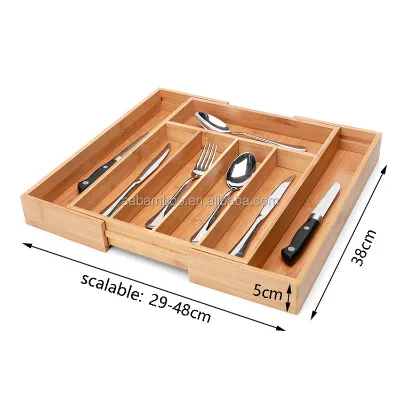


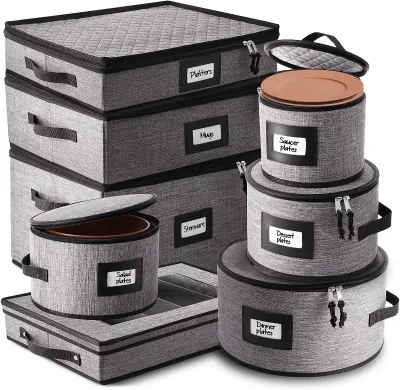


Wholesale Price Retangular Plastic Fruit Colorful Picnic Storage Folding Organizer Basket
$1.60 - $1.63
MOQ: 1000 Pieces




Comprehensive Sourcing Guide
Strategic Sourcing Guide for Eco-Friendly Folding Dinnerware Organizers
The global shift toward sustainable packaging and storage solutions has elevated the demand for eco-friendly folding dinnerware organizers. For B2B procurement professionals, identifying a product that balances environmental responsibility with functional utility requires a rigorous evaluation of material composition, structural design, and supply chain transparency. This guide provides a comprehensive framework for sourcing these items, grounded in observed market data and technical specifications relevant to the current landscape of storage and organization products.
Material Composition and Environmental Attributes
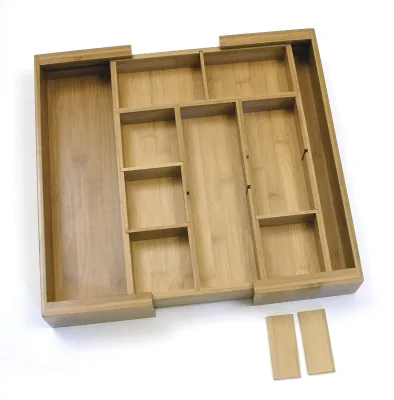
The foundation of any eco-friendly product lies in its raw materials. In the current market, buyers encounter a diverse range of material profiles for storage and organizer units. While traditional options often rely on synthetic polymers, the demand for sustainable alternatives has driven the inclusion of natural fibers and composite materials. Observed product listings indicate that materials such as Bamboo & Wood are available for specific storage applications, offering a renewable alternative to petroleum-based plastics. These natural materials are often preferred for their biodegradability and lower carbon footprint during production.
However, the market also features products constructed from Plastic, which may be recycled or designed for durability and reusability. When sourcing, it is critical to distinguish between virgin plastic and recycled content. The "eco-friendly" designation should not be assumed based on the product category alone; it must be verified through the specific material declaration provided by the manufacturer. For instance, a product listed with a material composition of "Plastic" requires further inquiry to determine if it meets specific environmental standards, whereas a "Bamboo & Wood" listing inherently suggests a different sustainability profile. Buyers must request detailed material safety data sheets (MSDS) or supplier declarations to confirm the source and processing methods of the raw materials used.
Technical Specifications and Functional Design
Functional performance is paramount for dinnerware organizers, which must withstand the rigors of daily use while maintaining their structural integrity. The market offers a variety of specifications tailored to different storage needs. One observed product category features a "Rectangular" shape with a capacity ranging from 500ml to 1000ml, suitable for holding sundries, food, and tableware. This specific configuration suggests a focus on compact storage for kitchen or dining environments.
Conversely, other listings highlight "Round" shapes and "Storage Baskets" designed for broader applications, including apparel, books, magazines, and bedding. A key functional attribute for folding organizers is the "Folded" state. Products are often designed to be collapsible, allowing them to transition from a "Folded" state for storage to an "Unfolded" state for use. This "Collapsible" feature is a significant technical specification that enhances space efficiency. Dimensions are also critical; observed standards include specific measurements such as 40.2194.8cm and 433333cm, though many suppliers offer "Customized" sizes to meet unique client requirements.
The following table summarizes the observed technical variations in the market to assist buyers in defining their requirements:
| Attribute | Observed Variation A | Observed Variation B | Observed Variation C |
|---|---|---|---|
| Shape | Rectangular | Round | Customized |
| Material | Plastic | Bamboo & Wood | Mixed/Composite |
| Capacity | 500-1000ml | Variable | Customized |
| Folded State | Unfolded (Functional) | Folded (Storage) | Collapsible |
| Style | Original | European Style | Modern |
| Usage | Sundries, Food, Tableware | Apparel, Books, Bedding | General Storage |
Compliance, Certification, and Verification Protocols
Navigating the compliance landscape for eco-friendly products requires careful verification. While the term "eco-friendly" is widely used, it is not a regulated standard in itself without supporting documentation. Buyers should be aware that certain certifications, such as FSC (Forest Stewardship Council), are relevant when sourcing products made from wood or bamboo. However, the presence of such certifications must be confirmed on a per-product basis, as they are not automatically granted to all items in a category.
When evaluating suppliers, procurement teams must verify that the claimed environmental attributes are backed by third-party testing or recognized standards. For products made from bamboo or wood, FSC certification ensures that the timber is sourced from responsibly managed forests. For plastic-based products, buyers should look for certifications related to recycled content or biodegradability, though specific standards vary by region. It is essential to note that observed data does not confirm that every listed product possesses these certifications; therefore, direct inquiry and documentation requests are necessary. Buyers should also check for compliance with local regulations regarding food contact materials if the organizer is intended for tableware or food storage.
Cost Drivers and Economic Considerations
The pricing of eco-friendly folding dinnerware organizers is influenced by several dynamic factors, primarily material costs, production complexity, and order volume. The observed market price range spans from $1.15 to $68 USD, reflecting the vast difference between basic plastic units and premium bamboo or custom-designed organizers. The "Plastic" variants generally occupy the lower end of the price spectrum, while "Bamboo & Wood" products command a higher price due to the cost of raw materials and processing.
Minimum Order Quantity (MOQ) is another significant cost driver. Market observations show MOQs ranging from 100 pieces to 5,000 pieces, with specific listings indicating thresholds of 300, 1,000, and 2,000 units. Higher MOQs often correlate with lower unit costs, allowing buyers to negotiate better pricing tiers. However, smaller orders may be necessary for startups or test runs, necessitating a willingness to pay a premium per unit. Additionally, customization costs, such as logo printing or specific size adjustments, will impact the final price. Buyers must balance the desire for customization with the economic benefits of standard production runs.
Supplier Evaluation and Lead Time Management
Selecting the right supplier involves more than just comparing prices; it requires a deep dive into their operational capabilities and reliability. The supply chain for these products is primarily centered in China, with specific manufacturing hubs noted in regions like Jiangsu. When evaluating potential partners, buyers should assess their production capacity and flexibility. The observed "Lead Time" for production and delivery varies significantly, with some suppliers offering a "Lead Time" of 20 days and others indicating a "Delivery Time" of 15-30 days. A broader range of "Delivery Date" estimates, such as 35-45 days, suggests that complex customization or high-volume orders may extend the timeline.
Sample availability is a critical step in the supplier evaluation process. The "Sample Date" is typically observed to be 7-10 days, allowing buyers to assess product quality before committing to a large order. Suppliers should also demonstrate their ability to handle "Customized" requirements, including logo printing and specific packaging solutions. The "prod_packing" options observed range from "1PC/Box" to "Carton" and "1PC/Polybag," indicating flexibility in how the product is prepared for shipment. Buyers should verify that the supplier can meet their specific packaging needs to ensure the product arrives in optimal condition.
Quality Control and Long-Term Procurement Strategy
Implementing a robust quality control (QC) strategy is essential for maintaining product integrity and brand reputation. Given the functional nature of folding organizers, QC checks should focus on the durability of the folding mechanism, the stability of the structure when unfolded, and the finish of the materials. For bamboo and wood products, inspection should include checks for splinters, warping, or uneven finishes. For plastic items, attention should be paid to mold lines, color consistency, and the strength of the hinges or folding joints.
Long-term procurement considerations involve building a sustainable relationship with suppliers who can adapt to changing market demands. The "Customization" feature is a key indicator of a supplier's flexibility. Buyers should seek partners who can offer "Customized" sizes, shapes, and logos to differentiate their products in the market. Furthermore, the "Condition" of the product, typically listed as "New," should be verified to ensure that no refurbished or damaged goods are included in the shipment.
To mitigate risks, buyers should establish clear communication channels regarding production updates and potential delays. The variability in "Lead Time" and "Delivery Time" observed in the market underscores the importance of buffer planning in the supply chain. By maintaining a diverse supplier base and regularly auditing product quality, organizations can ensure a steady supply of high-quality, eco-friendly folding dinnerware organizers that meet both functional and environmental standards.
Conclusion
Sourcing eco-friendly folding dinnerware organizers requires a meticulous approach that balances environmental goals with practical requirements. By understanding the nuances of material composition, technical specifications, and supply chain dynamics, buyers can make informed decisions that align with their corporate sustainability objectives. The market offers a wide array of options, from plastic-based units to bamboo and wood organizers, each with unique advantages and considerations. Through rigorous supplier evaluation, clear quality control protocols, and strategic negotiation of MOQs and lead times, procurement professionals can secure reliable partnerships that deliver value and sustainability in equal measure.
FAQs
What materials are available for eco friendly folding dinnerware organizers?
Products are available in Plastic or Bamboo & Wood materials. Buyers should verify if the plastic is recycled or if the wood carries FSC certification before ordering.
Can I customize the size and logo on these organizers?
Yes, customization is available for size, shape, and logo printing. Suppliers offer customized dimensions and packaging options like 1PC/Box or Carton for branding needs.
What is the typical lead time for delivery of these items?
Lead times vary from 15 to 45 days depending on the order. Some suppliers offer a 20-day lead time, while others require 35 to 45 days for delivery.
What are the minimum order quantities for these products?
MOQs range from 100 to 5000 pieces across different listings. Specific suppliers may require 300, 1000, or 2000 pieces as a minimum threshold for production.
Where are these organizers manufactured and what is the origin?
Products originate from China, with specific manufacturing noted in Jiangsu. Buyers can expect supply chains centered in this region for plastic and bamboo variants.
How does the folding mechanism work for storage baskets?
Many units are designed to be collapsible, transitioning between folded and unfolded states. This feature allows for space-efficient storage when not in use for apparel or sundries.