Source eco-friendly food plastic table cloth for Hotels, Parties, and Outdoor Dining
Find and compare 30 listings for eco-friendly food plastic table cloth designed for hotels, parties, and outdoor dining. Evaluate options featuring waterproof, disposable, and high-temperature-resistant properties to suit various commercial and home applications.
Key considerations
Products List


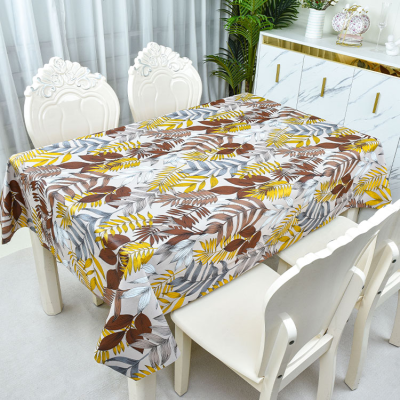


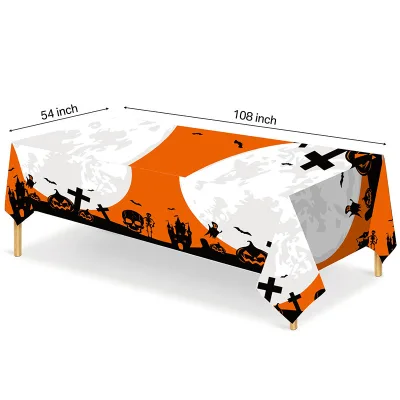


Table Cloth Disposable Tablecloth, Plastic Tablecloth, Large Size Easy to Handle
$0.10 - $100.00
MOQ: 10000 Pieces

Plastic Disposable White Tablecloth Waterproof Oilproof for Restaurant Homeuse
$0.12 - $0.14
MOQ: 5000 Pieces

Comprehensive Sourcing Guide
Eco-Friendly Food Plastic Table Cloth Sourcing Guide
Sourcing eco-friendly food plastic table cloths requires a nuanced understanding of material science, regulatory compliance, and supply chain transparency. The term "eco-friendly" in the context of plastic tableware often refers to specific material compositions, such as polyethylene (PE) or polypropylene (PP), which may be recyclable or derived from sustainable sources, rather than biodegradable plastics that decompose rapidly. Buyers must distinguish between marketing claims and verifiable material properties, ensuring that the selected product meets both functional requirements for food service and environmental standards relevant to their target market. This guide provides a structured approach to evaluating suppliers, verifying technical specifications, and managing commercial risks associated with this category.
The procurement process for these items involves balancing cost-efficiency with quality assurance and sustainability credentials. While many suppliers offer customizable options for size, color, and branding, the core material composition remains the primary determinant of performance and environmental impact. Buyers should focus on verifying the grade of the plastic, the presence of recycled content, and the appropriateness of the material for direct or indirect food contact. By adhering to a disciplined sourcing framework, organizations can mitigate risks related to product failure, regulatory non-compliance, and reputational damage associated with greenwashing.
Product Scope and Observed Listing Signals
The market for plastic table cloths encompasses a wide range of products, from disposable party supplies to durable, reusable covers for hotels and outdoor events. Observed listings indicate that materials primarily include PVC, PE, and 100% Polypropylene, each offering distinct advantages in terms of flexibility, durability, and environmental profile. PVC sheets are often noted for their decorative appeal and waterproof properties, while PE and PP variants are frequently marketed for their lightweight nature, breathability, and suitability for disposable applications. Understanding these material distinctions is critical for aligning product selection with specific use cases, such as high-temperature resistance for hot food service or anti-static properties for clean environments.
Listing signals also reveal significant variability in product specifications, including thickness ranges from 0.5mm to 5.0mm for sheets and GSM weights from 20 to 260GSM for non-woven fabrics. Products are often described with features such as waterproof, oilproof, anti-tear, and anti-bacterial properties, which are essential for maintaining hygiene and aesthetic appeal during food service. Additionally, customization options like printed patterns, dyed styles, and customized logos are widely available, allowing buyers to tailor products to brand identity. However, buyers must critically assess these claims, as not all listed attributes apply to every product variant, and specific performance metrics should be verified through direct supplier communication or sample testing.
Technical Specifications to Verify
Verifying technical specifications is paramount to ensuring that the selected table cloths meet functional requirements and safety standards. Key parameters to confirm include the material grade, such as imported or domestic sources, and the specific polymer type, whether PE, PP, or PVC. Thickness and weight are critical indicators of durability and opacity; for instance, lighter weights (20-150GSM) are suitable for single-use events, while heavier variants may offer better tear resistance for repeated use. Buyers should request detailed specification sheets that outline tensile strength, elongation at break, and thermal stability, particularly if the product is intended for high-temperature food service or outdoor use where UV exposure may degrade the material.
Packaging and dimensional standards also play a crucial role in logistics and end-user experience. Products may be packed in rolls, cartons, or polybags, with specific dimensions such as 1x1m, 1.2x1.2m, or 1.5x1.5m being common. It is essential to verify that the packaging protects the product from moisture and contamination during transit, especially for items marketed as breathable or anti-bacterial. Furthermore, buyers should confirm the availability of samples to physically assess texture, colorfastness, and print quality. Customization capabilities, including logo acceptance and color matching, should be clearly defined in technical agreements to avoid discrepancies between ordered and delivered goods.
Compliance and Safety Documentation
Compliance with food safety regulations is non-negotiable for plastic table cloths intended for food service applications. Buyers must ensure that suppliers provide documentation confirming that the materials are safe for food contact, adhering to relevant standards such as FDA regulations in the United States or EU Framework Regulation (EC) No 1935/2004 in Europe. This includes verifying that the plastic does not leach harmful substances like phthalates, particularly in PVC products, and that any inks or dyes used in printing are non-toxic and food-safe. Suppliers should be able to provide migration test results or certificates of compliance that demonstrate adherence to these stringent safety requirements.
Environmental claims, such as "eco-friendly," "recyclable," or "biodegradable," must be substantiated with credible certifications to avoid greenwashing risks. Buyers should request evidence of recycling content percentages, certifications from recognized bodies like the Forest Stewardship Council (FSC) for packaging, or specific biodegradability certifications if applicable. It is important to note that not all plastic table cloths are biodegradable; many are designed for recyclability or reuse. Buyers should clarify the end-of-life disposal options for the product in their target market and ensure that supplier claims align with local waste management infrastructure and regulatory definitions of eco-friendly products.
Cost Drivers and Commercial Terms
Cost structures for plastic table cloths are influenced by raw material prices, production volume, customization complexity, and packaging requirements. Fluctuations in oil prices directly impact the cost of PE, PP, and PVC, making it essential for buyers to negotiate pricing mechanisms that account for market volatility. Customization, such as printed logos or specific colors, may incur additional setup fees or higher per-unit costs due to reduced production efficiency. Buyers should also consider the impact of packaging choices on total landed cost, as bulk packing in rolls may be more cost-effective than individual polybag packaging for large orders.
Commercial terms, including minimum order quantities (MOQ), payment terms, and delivery times, vary significantly among suppliers. Observed MOQs can range from small quantities for sampling to large volumes for mass production, with some suppliers requiring a minimum of one ton for certain product lines. Delivery times typically range from 7 to 10 days after receiving a deposit, but this can be extended for customized orders or during peak seasons. Buyers should negotiate clear terms regarding lead times, penalties for delays, and conditions for sample provision, which are often available freely to facilitate decision-making. Understanding these commercial dynamics helps in planning inventory and managing cash flow effectively.
Supplier Qualification and Quality Control
Supplier qualification involves a thorough assessment of manufacturing capabilities, quality management systems, and ethical practices. Buyers should verify that suppliers have established quality control processes, including in-line inspections and final random inspections, to ensure consistency in product quality. It is advisable to request audit reports or certifications such as ISO 9001 to confirm the supplier’s commitment to quality management. Additionally, buyers should assess the supplier’s ability to handle customization requests, including their design capabilities and production flexibility, to ensure they can meet specific branding and product requirements.
Quality control measures should extend to raw material sourcing and production monitoring. Buyers should inquire about the source of raw materials, particularly if recycled content is claimed, to ensure traceability and quality consistency. Implementing a robust inspection protocol, such as pre-shipment inspections, can help identify defects related to printing, stitching, or material integrity before goods are dispatched. Buyers should also establish clear communication channels with suppliers to address any quality issues promptly and to facilitate continuous improvement. Building a strong relationship with qualified suppliers enhances reliability and reduces the risk of supply chain disruptions.
Long-Term Procurement Checks
Long-term procurement success depends on continuous monitoring of supplier performance, market trends, and regulatory changes. Buyers should regularly review supplier performance metrics, including on-time delivery rates, defect rates, and responsiveness to issues, to ensure ongoing compliance with quality and service expectations. Staying informed about changes in food safety regulations and environmental standards is crucial, as non-compliance can lead to product recalls or legal liabilities. Buyers should also evaluate the sustainability of their supply chain, seeking opportunities to reduce environmental impact through material selection, packaging optimization, and logistics efficiency.
Strategic sourcing practices involve diversifying the supplier base to mitigate risks associated with single-source dependencies. Buyers should periodically reassess their supplier portfolio to identify potential alternatives and negotiate favorable terms based on volume commitments and long-term partnerships. Additionally, investing in supplier development initiatives, such as joint quality improvement projects or sustainability training, can enhance overall supply chain resilience. By maintaining a proactive approach to procurement, organizations can ensure that their eco-friendly food plastic table cloth sourcing strategy remains aligned with business objectives, regulatory requirements, and environmental goals.
FAQs
What materials are used for eco-friendly food plastic table cloths?
These table cloths are primarily made from PVC, PE, or 100% Polypropylene materials. Some products feature spun-bonded technics and are designed to be disposable while maintaining waterproof and oilproof properties for food service applications.
Can I request a customized logo on the table cloth?
Yes, customized logos are acceptable for these products. Suppliers offer customization options allowing buyers to add specific branding or designs to the plain or printed patterns available on the plastic sheet materials.
What is the typical delivery time for these table cloths?
The standard delivery time is 7 to 10 days after receiving the deposit. This lead time applies to orders where the deposit has been confirmed and the production schedule is initiated by the manufacturer.
How are these plastic table cloths packed for shipment?
Packaging methods vary by product type, including rolls, cartons, or polybags with paper tubes. Some items are packed individually in polybags, while others use carton packing to ensure protection during transit.
What are the available thickness specifications for these cloths?
Thickness specifications range from 0.5mm to 5.0mm depending on the specific model. Light weight options are also available, with some products defined by standard dimensions like 1m by 1m or 1.2m by 1.2m.
Are these table cloths suitable for outdoor and hotel use?
Yes, these products are designed for usage in homes, hotels, and outdoor settings. They feature high temperature resistance and waterproof capabilities, making them durable for various decorative and functional applications.
What is the minimum order quantity for these products?
The minimum order quantity can range from 1 unit up to 30,000 units depending on the supplier. Some specific listings indicate a minimum order of 1 ton for bulk procurement of these plastic materials.