Source Eco Friendly Mosquito Killer Lamp for Home, Camping, and Perimeter
Find 30 Eco Friendly Mosquito Killer Lamp options for home, camping, and perimeter use. Compare USB-powered LED models with ABS construction and rechargeable batteries to identify suitable insect control solutions for various environments; compare the available evidence and request quotations based on your requirements.
Key considerations
Products List
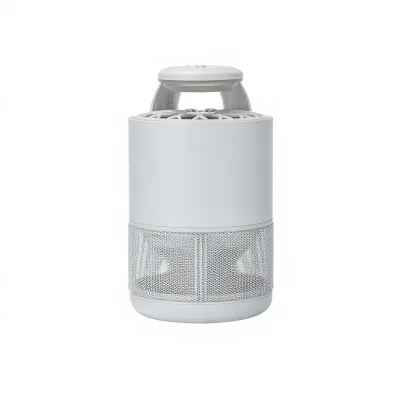


LED Mosquito Killer Lamp - Portable Killer Lamp for Backyard & Travel Use
$4.00 - $19.00
MOQ: 10 Pieces


Comprehensive Sourcing Guide
Eco Friendly Mosquito Killer Lamp Sourcing Guide
Buyers must first distinguish between active trapping mechanisms and passive repellent technologies when evaluating eco-friendly mosquito solutions. The observed market data indicates a split between electric shock lamps designed for perimeter control and solid-form repellents intended for home use. Understanding this distinction is critical because the operational logic, power requirements, and safety protocols differ significantly between a high-voltage grid system and a low-voltage USB charging unit.
Procurement teams should verify the specific pest control type listed in product specifications, as some items are classified as traps while others function as repellents. The observed listings include models targeting mosquito and fly control with varying physical forms, ranging from solid blocks to airflow-based electric lamps. Clarifying the intended application environment, such as camping or indoor home use, ensures the selected device aligns with the required runtime and power source capabilities.
Product Scope and Observed Listing Signals
The current market offers a diverse range of units with observed prices spanning from 0.42 to 154 USD, reflecting significant variation in build quality and feature sets. Buyers should note that minimum order quantities vary drastically, ranging from 10 units to 4,000,000 units, which necessitates careful alignment with inventory budgets and storage capacity. The presence of eco-friendly attributes and LED lighting suggests a focus on energy efficiency, yet the specific implementation of these features requires validation against actual power consumption data.
Observations confirm that many units are stocked with customization options available, allowing for branding or specific design adjustments. However, some listings explicitly state non-customized status, indicating a reliance on standard production runs. The observed selling units often appear as multiples of 2,000, which may impact the flexibility of initial trial orders. Buyers must scrutinize the item numbers and model codes to ensure they are sourcing the exact configuration required for their specific market segment.
Technical Specifications to Verify
Technical due diligence requires confirming the power source compatibility, as observed listings specify both electrical grid connections and USB charging capabilities. The voltage specifications, such as 3.7V for rechargeable battery models, must match the intended usage environment to prevent equipment failure. Buyers should verify the runtime claims, which range from 8 hours to 15 hours, against the actual battery capacity and usage patterns expected in the target application.
Physical dimensions and material composition are equally critical for logistics and durability assessments. The observed product sizes vary from compact units to larger structures measuring up to 85x85x135cm, while materials like ABS plastic are common for housing. Water resistance ratings and lighting modes, such as lantern functions with high brightness levels, must be validated to ensure suitability for outdoor or camping scenarios. Verifying the light range, typically observed between 0 and 10 meters, helps determine the effective coverage area for pest control.
Compliance and Safety Documentation
Safety compliance is paramount for electrical pest control devices, with CE, RoHS, and FCC certifications frequently cited in product listings. Buyers must request valid test reports to confirm that these certifications are current and applicable to the specific model being procured, rather than relying on generic claims. The presence of these certifications indicates adherence to international safety and environmental standards, which is essential for market entry in regulated regions.
Documentation should also cover the electrical safety standards specific to the power supply type, whether it is a direct electric connection or a USB charging system. The observed listings mention certifications like CE and RoHS, but the specific standard numbers and test dates must be verified to ensure legal compliance. Procurement teams should ensure that the supplier provides a complete compliance dossier, including risk assessments and material safety data sheets, to mitigate liability risks associated with electrical products.
Cost Drivers and Commercial Terms
Pricing structures are heavily influenced by the complexity of the electronic components, such as the LED light source and rechargeable battery systems. The observed price range suggests that factors like water resistance, specific lighting modes, and the inclusion of custom packaging significantly impact the final unit cost. Buyers should analyze the cost breakdown to understand how features like high brightness levels or extended runtime contribute to the overall price point.
Commercial terms, including minimum order quantities and delivery lead times, vary widely across the supplier base. Observed lead times of 7 to 10 days indicate a relatively agile supply chain, yet the daily output capacity of 1000 pieces may limit scalability for large orders. Buyers must negotiate clear terms regarding shipping, payment schedules, and the handling of customized orders, as these factors directly affect the total landed cost and inventory turnover rates.
Supplier Qualification and Quality Control
Supplier qualification should focus on verifying the production origin and manufacturing capacity to ensure consistent quality and timely delivery. The observed data points to origins in China, specifically Yiwu, Zhejiang, which is a known hub for such electronics, but buyers must confirm the specific factory capabilities and quality control processes. Assessing the supplier's ability to handle customization requests and maintain consistent product standards is essential for long-term partnership success.
Quality control protocols must include rigorous testing of the electrical components and physical durability of the ABS housing. Buyers should implement pre-shipment inspections to verify that the delivered units match the agreed specifications regarding size, color, and performance metrics. Establishing a clear defect rate threshold and a process for handling non-conforming goods is necessary to protect the buyer's brand reputation and ensure customer satisfaction.
Long-Term Procurement Checks
Sustainable sourcing requires ongoing monitoring of product performance and supplier reliability over multiple order cycles. Buyers should track the actual runtime and battery life of the units in the field to validate the initial claims of 10 to 15 hours of operation. Regular feedback loops with end-users can identify any recurring issues with the pest control efficacy or the durability of the water-resistant features.
Strategic procurement planning involves maintaining a relationship with suppliers who can adapt to changing market demands and regulatory requirements. Buyers should regularly review the supplier's certification status and production capacity to ensure they can meet future volume increases without compromising quality. Establishing a long-term contract with clear performance metrics and service level agreements will help secure a stable supply chain for eco-friendly mosquito control solutions.
FAQs
What certifications do these eco friendly mosquito killer lamps have?
These lamps typically carry CE, RoHS, and FCC certifications to ensure safety and compliance. The product data confirms CE and RoHS marks are present on specific models. Buyers should verify these documents with suppliers before placing large orders to meet local regulatory requirements.
How long does the battery last on a USB charging model?
The rechargeable battery provides a runtime of 10 to 15 hours on a single charge. This duration supports extended use in camping or home settings. The device operates on a 3.7V power source and features a push-button switch for easy control of the LED light source.
Can I customize the design of the mosquito killer lamp?
Customization is available for certain models, while others are sold as non-customized regular designs. Buyers can request specific changes to the product or packaging. It is essential to confirm customization options and associated costs directly with the manufacturer before finalizing the purchase agreement.
What is the minimum order quantity for these lamps?
The minimum order quantity ranges from 10 units up to 4,000,000 units depending on the supplier. Some sellers list selling units as multiples of 2,000. Buyers should check specific supplier listings to find options that match their inventory needs and budget constraints effectively.
Where are these eco friendly mosquito killer lamps manufactured?
These products originate from China, with specific production hubs located in Yiwu, Zhejiang. The manufacturing facilities have a daily output capacity of 1000 pieces. Buyers can expect a delivery date of 7 to 10 days after order confirmation from these established production centers.
What materials are used to construct the mosquito killer lamp?
The lamp body is constructed from durable ABS material to ensure longevity and safety. The physical form is solid, designed to house the electrical components and LED light source securely. This material choice supports the water-resistant feature required for use in various environments.