Source Eco-Friendly Recyclable Glass Cosmetics Jar for Scrub, Cream, and Mask
Compare 30 verified listings for Eco-Friendly Recyclable Glass Cosmetics Jar suitable for scrub, cream, and mask applications. Buyers can evaluate customization options, sealing types, and MOQ requirements from suppliers in China.
Key considerations
Products List


10g 15g Modern Empty Cosmetic Jar in Any Colour Option Glass Bottle Jar
$0.10 - $0.11
MOQ: 5000 Pieces


OEM 1oz 2oz 3oz 4oz Amber Glass Container Cosmetic Packaging Glass Jar
$0.07 - $0.50
MOQ: 20000 Pieces


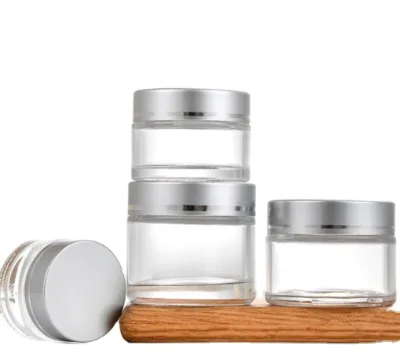

Custom Cosmetic Jar Eco Friendly Empty Frosted Acrylic Plastic Cosmetic Jar
$0.30 - $0.95
MOQ: 10000 Pieces

Comprehensive Sourcing Guide
Strategic Sourcing Guide for Eco-Friendly Recyclable Glass Cosmetics Jars
The global shift toward sustainable packaging has elevated the demand for eco-friendly recyclable glass cosmetics jars. For procurement professionals, sourcing these containers requires a nuanced understanding of material properties, manufacturing capabilities, and supply chain logistics. Glass remains a premier choice for the cosmetics industry due to its inert nature, which prevents chemical leaching, and its infinite recyclability. This guide outlines the critical factors buyers must evaluate when sourcing glass jars, drawing from observed market data and technical specifications to ensure a robust procurement strategy.
Material Composition and Physical Specifications
The foundation of any sustainable packaging solution lies in the material itself. In the context of glass cosmetics jars, the primary material is confirmed as glass, offering superior barrier properties against moisture and oxygen compared to many plastics. When evaluating product listings, buyers will encounter specific model numbers and standard size configurations that dictate the jar's utility. Common specifications observed in the market include models such as SJ-6420, alongside generic classifications like "Glass Jar" or "Glass Bottle."
Size standardization is a critical variable in procurement. The market offers a diverse range of capacities to accommodate different product viscosities and branding strategies. Standard volume ranges include 30g, 50g, 60ml, 80ml, 100ml, and broader ranges extending from 5g up to 100g. Some suppliers list specific weight-based standards such as 1oz to 6oz, while others provide metric equivalents like 30ml, 60ml, 80ml, and 100ml. The physical shape is predominantly round, a design choice that maximizes structural integrity and shelf presence. However, customization is a key feature, allowing buyers to request specific dimensions or shapes to align with unique brand identities.
The structural design of the jar also plays a vital role in functionality. Observations indicate the availability of single-wall and double-wall constructions. Single-wall jars are typically lighter and cost-effective, suitable for standard creams and lotions. Double-wall options, often associated with child-resistant features, provide enhanced safety and thermal insulation. The closure system is equally important; screw caps and screw lids are the dominant types, ensuring a secure seal. Specific closure types noted include child-resistant mechanisms, which are essential for products containing active ingredients that require safety protocols.
Customization Capabilities and Surface Treatments
One of the most significant advantages of glass packaging is the extensive customization potential. Suppliers frequently offer ODM (Original Design Manufacturer) and OEM (Original Equipment Manufacturer) services, allowing brands to tailor every aspect of the jar. Customization is not limited to size; it extends to surface treatments, colors, and branding elements.
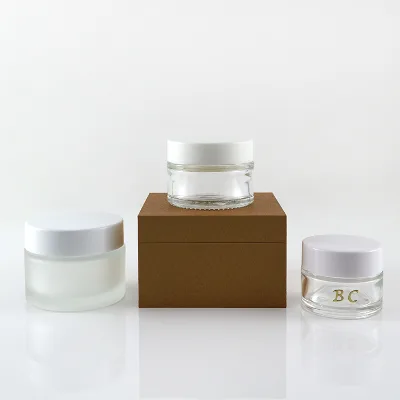
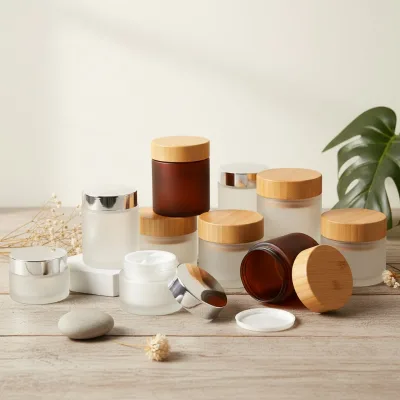
Surface treatment options are diverse, enabling brands to achieve specific aesthetic and functional goals. Buyers can select from bright, matte, frosted, or color-coated finishes. The color palette is extensive, with standard options including black, white, and green, but the ability to request custom colors is a standard offering. This flexibility allows for brand consistency across different product lines.
Branding on glass jars is achieved through several printing techniques. Silk printing is a common method, offering durability and a professional finish. Other available techniques include hot stamping, decal application, and label placement. The acceptance of client requirements for logos is a standard practice, ensuring that the final product aligns with the brand's visual identity. When evaluating suppliers, it is crucial to verify the minimum order quantities (MOQ) associated with these customizations. While standard orders may have lower thresholds, custom color runs or specific logo applications often require higher volumes, such as 20,000 pieces for specific color batches, to maintain cost efficiency.
Compliance, Safety, and Functional Features
In the cosmetics industry, compliance and safety are non-negotiable. Glass jars must meet rigorous standards to ensure product integrity and consumer safety. A key functional feature observed in high-quality glass jars is the "child-resistant" capability. This is particularly relevant for products that may be hazardous if ingested by children. The closure type often dictates this feature, with specific designs incorporating double-wall structures or specialized locking mechanisms to prevent accidental opening.
Another critical safety aspect is the "smell-proof" and "leak-proof" nature of the container. These features are essential for preserving the potency of volatile ingredients in creams, lotions, and masks. The seal integrity ensures that the product does not degrade due to air exposure or leakage during transit. Buyers should verify that the supplier's sealing mechanisms have been tested for these specific attributes. While specific test results may not always be publicly listed, the claim of leak-proof and smell-proof performance should be backed by quality assurance protocols.
Regarding environmental compliance, the term "eco-friendly" implies recyclability. Glass is inherently recyclable, but the sourcing process should verify that the supplier adheres to responsible manufacturing practices. This includes the use of lead-free glass and energy-efficient furnaces. Buyers should request documentation regarding the supplier's environmental management systems and waste reduction strategies. Although specific certification names are not universally standardized in all listings, the presence of a "Factory Directly Sale" model often suggests a streamlined supply chain with fewer intermediaries, potentially reducing the carbon footprint associated with logistics.
Cost Drivers and Procurement Economics
Understanding the cost structure of glass jars is essential for budget planning. The price range observed in the market varies significantly, typically falling between $0.01 and $0.95 per unit. This wide range is influenced by several factors, including the complexity of the design, the volume of the order, and the level of customization required.
The Minimum Order Quantity (MOQ) is a primary driver of unit cost. Standard MOQs can range from as low as 1 piece for samples to 50,000 pieces for large-scale production runs. However, specific customizations often carry higher thresholds. For instance, custom color orders may require a minimum of 20,000 pieces, while standard logo printing might start at 10,000 pieces. Buyers seeking smaller quantities must be prepared for higher per-unit costs or may need to negotiate with suppliers who offer flexible terms for smaller batches, sometimes as low as 5,000 pieces with additional fees.
Lead times also impact the overall cost of procurement. Delivery times typically range from 7 to 15 days for standard orders, but complex customizations or large volumes may extend this to 25 days or more. The origin of the product, often listed as China or specifically Ningbo, influences freight costs. Buyers must factor in shipping methods, such as sea freight or air freight, which can vary in cost and speed. Sea freight is generally more economical for large orders, while air freight is suitable for urgent, smaller shipments.
Supplier Evaluation and Quality Assurance
Selecting the right supplier is a critical step in the sourcing process. Buyers should evaluate suppliers based on their production capacity, quality control measures, and service offerings. The availability of samples is a standard practice, with many suppliers offering free samples or samples upon contact for exact fees. This allows buyers to physically inspect the product for quality, fit, and finish before committing to a large order.
Quality control should be a collaborative effort between the buyer and the supplier. Buyers should request detailed information on the supplier's production standards and inspection protocols. Key areas to verify include the consistency of the glass thickness, the precision of the screw threads, and the durability of the seal. The "Advantage" of factory-direct sales often implies a more direct line of communication and potentially lower costs, but it also requires the buyer to be more vigilant in their quality checks.
When evaluating suppliers, look for those who offer comprehensive services, including ODM and OEM capabilities. This indicates a level of flexibility and expertise in handling custom requests. Additionally, the supplier's ability to handle various packing requirements, such as carton or pallet packing, is essential for ensuring the safety of the goods during transit. The packing method should be robust enough to prevent breakage, which is a common risk with glass products.
Long-Term Procurement and Application Strategy
The long-term success of a cosmetics brand depends on the reliability and sustainability of its packaging supply chain. Glass jars are versatile and suitable for a wide range of applications, including scrubs, powders, masks, lotions, creams, dry flowers, spices, and gummies. This versatility makes them a strategic choice for brands looking to expand their product lines without changing packaging suppliers.
For long-term procurement, buyers should consider the scalability of their orders. Establishing a relationship with a supplier who can handle both small, custom batches and large, standardized runs is beneficial. This flexibility allows brands to respond to market trends and demand fluctuations without incurring excessive costs. Furthermore, the recyclability of glass aligns with growing consumer demand for sustainable products, enhancing the brand's reputation and marketability.
Buyers should also plan for the logistical aspects of long-term sourcing. Consistent lead times and reliable freight options are crucial for maintaining inventory levels. Working with suppliers who have a proven track record of stable production and timely delivery ensures that the supply chain remains uninterrupted. Regular communication and quality audits can help maintain high standards and foster a strong partnership between the buyer and the supplier.
In conclusion, sourcing eco-friendly recyclable glass cosmetics jars requires a balanced approach that considers material quality, customization needs, cost efficiency, and supplier reliability. By carefully evaluating these factors, buyers can secure a supply chain that supports their brand's growth and sustainability goals. The market offers a wide array of options, from standard 30g jars to custom-designed double-wall containers, providing the flexibility needed to meet diverse cosmetic packaging requirements.
FAQs
What customization options are available for these glass jars?
Suppliers offer extensive customization including ODM and OEM services. You can request specific surface treatments like matte or frosted finishes, custom colors, and logo printing via silk screen or hot stamping to match your brand identity.
Can I get child-resistant glass jars for my cosmetics?
Yes, child-resistant closures are available for these glass containers. These features often utilize double-wall construction or specialized screw lids to ensure safety for products containing active ingredients or hazardous substances.
What are the standard sizes for these recyclable glass jars?
Standard sizes range from 30g to 100g, with specific models like SJ-6420 offering 30g and 50g options. Broader ranges include 5g up to 100g, and some listings specify 1oz to 6oz capacities to suit various product viscosities.
How long does it take to receive an order of these jars?
Delivery times typically range from 7 to 15 days for standard orders. However, complex customizations or large volume orders may extend the lead time to approximately 25 days depending on the supplier's production schedule.
What is the minimum order quantity for custom logo printing?
The minimum order quantity for standard logo printing is often 10,000 pieces. Custom color runs may require a higher threshold of 20,000 pieces, though some suppliers offer smaller quantities of 5,000 pieces with specific fees.
Which surface treatments can be applied to the glass jars?
You can choose from bright, matte, frosted, or color-coated surface treatments. These options allow for diverse aesthetic finishes, with standard cap colors including black, white, and green, or fully custom color requests.
Are samples available for testing the quality of these jars?
Samples are available, though some suppliers offer them for free while others require contact for exact fees. This allows buyers to inspect the jar's seal integrity, glass thickness, and closure mechanism before placing a bulk order.