Source Eco-Friendly Recyclable Lotion Pump for Cosmetic Packaging
Find 30 Eco-Friendly Recyclable Lotion Pump options from verified manufacturers in China. Compare PP plastic sprayers with 28/410 and 24/410 standards, custom colors, and OEM services for cosmetic packaging needs; compare the available evidence and request quotations based on your requirements.
Key considerations
Products List

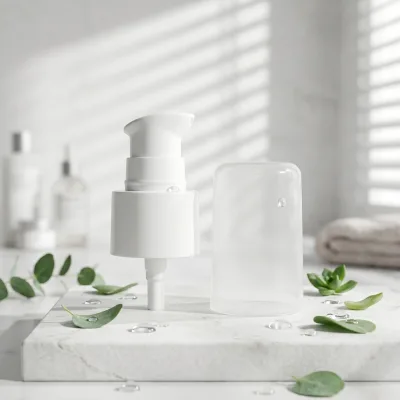


Custom Eco 30% PCR Material Recycled Plastic Bottle Square Lotion Pump
$0.07 - $0.09
MOQ: 10000 Pieces


Customized Recyclable 28 410 Plastic Lotion Pump Cosmetic Packaging Pump
$0.04 - $0.09
MOQ: 10000 Pieces

Factory Direct Customization Eco-Friendly 28&33mm Plastic PP Lotion Pump
$0.04 - $0.09
MOQ: 10000 Pieces


Eco-Friendly Easy Recycled Plastic Lotion Pump for Plastic Cosmetic Bottle
$0.04 - $0.15
MOQ: 10000 Pieces
Comprehensive Sourcing Guide
Eco-Friendly Recyclable Lotion Pump Sourcing Guide
Buyers evaluating eco-friendly recyclable lotion pumps must first distinguish between general plastic claims and verified material composition. The observed market data confirms that Polypropylene (PP) is a prevalent material choice for these units, offering a balance of chemical resistance and recyclability suitable for cosmetic packaging applications. Procurement teams should prioritize listings that explicitly state PP construction rather than generic "plastic" descriptions, as this ensures the component aligns with specific sustainability mandates and recycling stream requirements.
Verification of the product's functional scope is equally critical before engaging suppliers. The available inventory indicates a strong focus on internal threaded connections and specific nozzle standards like 28/410 and 24/410, which are essential for compatibility with existing bottle molds. Buyers should confirm that the observed liquid column spraying shape and dosage rates, such as 1ml or 2ml per actuation, match their formulation viscosity to prevent leakage or inconsistent dispensing in the final consumer product.
Product Scope and Observed Listing Signals
The current market landscape for these components reveals a distinct range of volume capacities, with many observed units designed for volumes under 30ml. This size constraint is typical for travel-sized cosmetic kits or premium sample applications where precise dosing is required. Sourcing strategies should focus on suppliers who can demonstrate flexibility in customizing the pump head and cap assembly to accommodate these smaller volume requirements without compromising the structural integrity of the PP material.
Customization capabilities represent a significant signal of supplier maturity in this sector. The data indicates that most viable options accept custom orders, including tailored logo printing and specific color matching to brand identity. Buyers should leverage these options to ensure the pump not only functions correctly but also serves as a cohesive element of the overall packaging design, noting that the "Safe Export Pack" and "Export Standard Carton" methods are standard for protecting these delicate mechanical assemblies during transit.
Technical Specifications to Verify
Technical due diligence must begin with the verification of thread standards and closure mechanisms. The observed listings frequently cite 28/410 and 24/410 as the primary standards, which dictate the compatibility with the bottle neck. Procurement teams must ensure that the selected pump model, such as the WL-LP033H or SCP6001, matches the specific bottle thread dimensions to avoid assembly failures. Additionally, the presence of a locking cap mechanism is a crucial feature to verify, as it prevents accidental discharge and maintains product sterility during shipping and storage.
The discharge rate and actuation performance are vital metrics that directly impact user experience and product waste. Data suggests that high-performance units achieve a discharge rate of approximately 1.19ml per stroke with tight tolerances. Buyers should request test results or sample units to validate that the liquid column shape remains consistent and that the pump does not suffer from dripping or inconsistent flow, which are common failure points in lower-quality plastic sprayers.
Compliance and Safety Documentation
Ensuring regulatory compliance is non-negotiable for cosmetic packaging components intended for global markets. The observed product listings reference several key standards, including SGS, GMPC, and ISO22716, which are essential for verifying that the materials do not leach harmful substances into the cosmetic formulation. Buyers must explicitly request current certification documents for these standards rather than relying on general claims, as these certifications validate the safety of the PP plastic and the manufacturing process used by the supplier.
Environmental compliance is another critical dimension that requires rigorous documentation. While many suppliers claim their products are eco-friendly and recyclable, buyers should verify that the PP material used meets specific recycling codes and that the manufacturing process adheres to relevant environmental management standards. The presence of ISO certifications, such as ISO 9001 or ISO 14001, can serve as indicators of a supplier's commitment to quality and environmental stewardship, though these should be confirmed through direct audit or certificate review rather than assumed from marketing materials.
Cost Drivers and Commercial Terms
Understanding the cost structure of eco-friendly lotion pumps requires analyzing the impact of material selection and customization complexity. The use of Polypropylene (PP) generally offers a cost-effective solution compared to other engineering plastics, but the addition of features like aluminum pumps or custom-colored caps can significantly alter the unit price. Buyers should anticipate that the observed price range of 0 to 3.5 USD per unit is highly dependent on the specific model, the volume of the order, and the extent of the customization requested.
Commercial terms, particularly Minimum Order Quantities (MOQ) and lead times, are major factors in the total cost of ownership. The market data indicates a typical MOQ range between 5,000 and 50,000 pieces, with some suppliers setting a baseline of 30,000 pieces. This high volume requirement necessitates careful inventory planning to avoid overstocking. Furthermore, the standard delivery time of 15 to 30 days from the place of origin in Zhejiang or Ningbo must be factored into the supply chain schedule to ensure timely product launches and avoid production delays.
Supplier Qualification and Quality Control
Supplier qualification should extend beyond basic product listings to include a thorough assessment of their manufacturing capabilities and quality control systems. Buyers should verify that the supplier has a proven track record in producing cosmetic packaging components, as evidenced by their adherence to standards like GMPC and ISO22716. It is essential to confirm that the supplier's facility is located in recognized manufacturing hubs like Ningbo or Xiamen, which often correlates with a mature supply chain and access to high-quality raw materials.
Quality control protocols must be clearly defined before placing an order to mitigate the risk of receiving defective units. Buyers should insist on a pre-shipment inspection that checks for critical defects such as thread damage, cap locking failures, or inconsistent spray patterns. Given the mechanical nature of the pump sprayer, random sampling based on AQL standards is recommended to ensure that the final batch meets the specified discharge rates and structural requirements before the goods are packed in export-standard cartons.
Long-Term Procurement Checks
Establishing a long-term partnership requires regular audits of the supplier's ability to maintain consistent quality and sustainability practices. Buyers should schedule periodic reviews to ensure that the PP material composition remains unchanged and that the recycling claims continue to be valid as environmental regulations evolve. This proactive approach helps prevent supply chain disruptions and ensures that the packaging remains compliant with future market demands for eco-friendly solutions.
Continuous monitoring of the supplier's performance metrics, such as on-time delivery rates and defect frequencies, is essential for maintaining a resilient supply chain. Buyers should track the actual lead times against the promised 15-30 day window to identify any potential bottlenecks in the production process. By maintaining open communication and setting clear expectations for customization and volume, procurement teams can secure a reliable source for high-quality, recyclable lotion pumps that support their brand's long-term growth and sustainability goals.
FAQs
Can I customize the color and logo on these lotion pumps?
Yes, customized colors and logos are accepted for these eco friendly recyclable lotion pumps. The product features a PP plastic body with a smooth closure surface. Buyers can request specific branding to match their cosmetic packaging needs. This customization option supports OEM and ODM requirements for bulk orders.
What is the minimum order quantity for these pumps?
The minimum order quantity is 30,000 pieces for these eco friendly recyclable lotion pumps. This standard MOQ applies to the bulk packaging of 1,000 pieces per carton. Buyers should plan their procurement volume accordingly to meet the factory's production thresholds and ensure efficient shipping logistics.
Which certifications do these lotion pumps hold?
These eco friendly recyclable lotion pumps hold ISO, SGS, GMPC, and ISO22716 certifications. These standards verify the quality and safety of the cosmetic packaging components. The PP material is recyclable and eco-friendly, meeting industry requirements for sustainable packaging solutions in the global market.
How long is the delivery time for these pumps?
The delivery time ranges from 15 to 30 days for these eco friendly recyclable lotion pumps. This lead time covers production and preparation for export. Buyers should account for this duration when planning their inventory replenishment cycles to avoid stockouts in their cosmetic product lines.
What specifications are available for these pump sprayers?
Available specifications include 28/410 and 24/410 standards with models like WL-LP033H and SCP6001. These eco friendly recyclable lotion pumps feature a liquid column spraying shape and internal threaded connections. The dosage options include 1ml and 2ml variants to suit different cosmetic application requirements.
Where are these lotion pumps manufactured?
These eco friendly recyclable lotion pumps are manufactured in Ningbo, Zhejiang, China. The production facilities adhere to strict quality standards including ISO and SGS certifications. Buyers can source these pumps directly from this region, ensuring reliable supply chain management for their cosmetic packaging needs.