Source Eco Friendly Recycled Cooler Bag for Food, Cans, Wine
Find 30 Eco Friendly Recycled Cooler Bag options suitable for food, cans, and wine transport. Compare styles, capacities, and cold retention times from verified Chinese manufacturers offering customizable designs.
Key considerations
Products List


Cool Coolers by Fit Fresh Slim Ice Packs Reusable Long Lasting Cooler Bag
$0.65 - $0.75
MOQ: 1300 Pieces


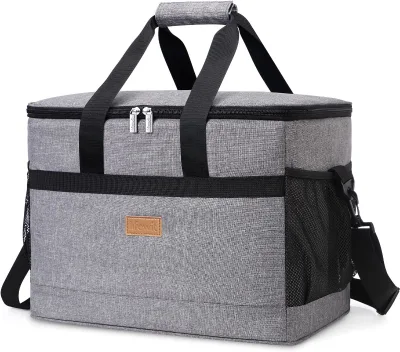


Comprehensive Sourcing Guide
Strategic Sourcing Guide for Eco-Friendly Recycled Cooler Bags
Understanding Product Attributes and Functional Specifications
When sourcing eco-friendly recycled cooler bags, buyers must first distinguish between the general category attributes and the specific technical realities of individual listings. The market offers a diverse range of products, but the core definition of an "eco-friendly recycled cooler bag" relies on specific material compositions and performance metrics. Based on available product data, the primary material construction for these items is predominantly Polyester, often combined with Non-woven fabrics. This combination is critical for balancing insulation performance with the environmental goals of the procurement.
The functional specifications vary significantly across different models, requiring precise verification before bulk ordering. For instance, product models such as ZHZ-0228 and ZHZ-0204 demonstrate distinct dimensional profiles. The ZHZ-0228 model is specified with dimensions of 8.866.361.4 inches, while the ZHZ-0204 model measures 35.255.5 inches. These variations indicate that "cooler bag" is a broad category encompassing everything from small, portable pouches to larger capacity carriers. Buyers should not assume a single standard size applies to all inventory.
Performance capabilities are equally variable. Cold retention times observed in the market range from 4-6 hours to greater than 6 hours. This distinction is vital for applications involving perishable goods or long-duration transport. The bearing capacity also spans a wide spectrum, with options ranging from under 2 kg to over 10 kg. Specific listings indicate capacities of 2-3 kg, 3-10 kg, and even weight limits of 5-10 kg. Consequently, a procurement strategy must align the bag's structural integrity with the intended load, ensuring that the selected unit can safely transport the required weight without failure.
Technical Dimensions and Capacity Planning
Selecting the correct cooler bag requires a granular understanding of capacity and physical dimensions. The market data reveals that capacity is often categorized by the number of standard units the bag can hold, such as less than 6 cans, 6-12 cans, or greater than 12 cans. This metric is particularly relevant for food and beverage logistics where uniformity of product is expected. However, for other applications like medical coolers or ice cream transport, the internal volume and insulation thickness may be more critical than the specific can count.
The physical style of the bag dictates its utility in different scenarios. Available styles include Shoulder Bags, Tote Bags, Baskets, Trolleys, and Backpacks. Some listings specifically highlight "Portable" or "Simplicity" as key style attributes, while others emphasize "Handled" designs. The closure mechanism is another technical specification that impacts usability. Products are observed to utilize either Laces & Zipper combinations or Zipper-only systems. The choice between these mechanisms affects the seal integrity, which directly influences the cold retention time. A zipper-only closure might offer a tighter seal for high-performance insulation, whereas a laced system might offer easier access for bulky items.
Weight is a crucial logistical factor. The gross weight of these bags varies from under 0.5 kg to over 1.5 kg. Lighter models, such as those weighing under 0.5 kg, are ideal for promotional giveaways or short-distance transport where the carrier's burden is a priority. Heavier models, exceeding 1.5 kg, may indicate thicker insulation layers or more robust structural reinforcements, which are necessary for maintaining temperature over extended periods. Buyers must balance the trade-off between the bag's own weight and its insulation performance to optimize the total shipping and handling cost.
Compliance, Material Verification, and Environmental Claims
The term "eco-friendly" and "recyclable" in the product title requires rigorous verification against actual material properties and certifications. While the product attributes list "Eco-Friendly" and "Recyclable" as standard characteristics, and the material is confirmed as Polyester and Non-woven, buyers must understand that these terms are often marketing descriptors rather than guaranteed certifications without third-party validation. The supplied data mentions potential certifications such as BSCI, CE, RoHS, ISO9001, and Oeko-Tex, but these are listed as low-confidence background information. This means they cannot be assumed to be present on every unit or supplier without explicit confirmation during the negotiation phase.
To ensure compliance, buyers should request specific documentation regarding the recycled content percentage. The presence of "Recyclable" as an attribute suggests the materials can be processed after use, but the infrastructure for recycling polyester and non-woven fabrics varies by region. Buyers should verify if the supplier provides a recycling guide or if the materials meet specific regional standards for waste management. Furthermore, the "Customized" nature of many products, including size and logo, implies that the production process involves customization of raw materials. This customization must be managed carefully to ensure that the eco-friendly claims are not compromised by the use of non-recyclable inks or adhesives during the printing process.
When evaluating suppliers, the origin of the product is a key indicator of supply chain transparency. The data indicates origins in China, specifically Anhui and Guangdong provinces. While these are major manufacturing hubs, buyers should inquire about the specific factories involved to ensure they adhere to ethical labor practices and environmental regulations. The "High Quality" and "High-Performance" attributes listed are subjective observations and should be validated through sample testing rather than accepted as factual guarantees.
Cost Drivers and Procurement Economics
The economics of sourcing eco-friendly cooler bags are influenced by several variables, including material costs, customization levels, and order volume. The observed price range in the market is extensive, spanning from $0.05 to $90. This wide disparity reflects the difference between simple, mass-produced promotional items and high-performance, custom-engineered units. The lower end of the price spectrum likely corresponds to basic non-woven or thin polyester bags with minimal insulation, while the higher end represents bags with advanced thermal technology, durable zippers, and complex branding.
Minimum Order Quantity (MOQ) is another significant cost driver. The market data shows an MOQ range from 1 to 5000 units. Specific listings indicate an MOQ of 1000 units for customized orders. This suggests that while small trial orders are possible, significant customization often requires a larger commitment to achieve economies of scale. Buyers should be aware that lowering the MOQ below the standard threshold may result in a higher unit price due to setup costs for printing and assembly.
The packaging method also impacts the final cost. Products are observed to come in Paper Boxes, Individual Polybags + Cartons, or standard Cartons. The choice of packaging affects the shipping volume and weight, which in turn influences freight costs. For example, a "Paper Box" might offer better protection and a premium unboxing experience but could be more expensive than a simple polybag. Additionally, the "Customized Logo" and "Customized Size" options add layers of complexity to the production process, potentially increasing lead times and costs. Buyers must weigh the value of these customizations against the budget constraints of the project.
Typical Applications and Usage Scenarios
The versatility of eco-friendly recycled cooler bags makes them suitable for a wide array of applications. The observed usage categories include Food, Cans, Wine & Drink, Promotion, Medical Cooler, and Ice Cream. This diversity highlights the need for buyers to select a bag that matches the specific thermal and structural requirements of their intended use case.
For food and beverage distribution, the primary concern is maintaining temperature and preventing leakage. Bags with a "Cold Time" of greater than 6 hours are ideal for long-haul logistics or events where refrigeration is not immediately available. The "High-Performance" attribute suggests these bags are capable of withstanding the demands of food safety standards. In the context of medical coolers, the reliability of the insulation is paramount. Buyers must ensure that the bag can maintain a consistent temperature range for sensitive medical supplies, which may require specific testing protocols not always covered by standard product descriptions.
Promotional use cases often prioritize branding and portability. The availability of "Customized Logo" and "Customized Size" makes these bags excellent for corporate gifts or marketing campaigns. The "Simplicity" and "Portable" styles are particularly suited for this application, offering a clean canvas for branding while remaining easy for recipients to carry. For retail and shopping applications, the "Tote Bag" and "Basket" styles are prevalent. These designs often feature high bearing capacities (3-10 kg) to accommodate heavy grocery loads while providing the added benefit of keeping perishables cool.
Supplier Evaluation and Quality Assurance Protocols
Evaluating suppliers for eco-friendly cooler bags requires a multi-faceted approach that goes beyond price comparisons. The "High Quality" and "Durable" attributes listed in the data are observations that must be verified through physical inspection and testing. Buyers should establish a clear quality control plan that includes checking the "Hardness" of the material, which is noted as "Soft" in some listings, and ensuring the "Closed Way" mechanisms function smoothly after repeated use.
The "Gross Weight" and "Bearing Capacity" are critical metrics for quality assurance. A bag that claims a capacity of 10 kg but fails under a 5 kg load is a significant quality failure. Buyers should request test reports or perform their own stress tests on sample units to validate these claims. Additionally, the "Printing" method, identified as "Thermal Transfer" in some cases, should be evaluated for durability and colorfastness. Poor printing quality can detract from the professional appearance of the product, especially in promotional contexts.
Supplier reliability is also determined by their ability to meet lead times and handle customization. The "Customization: Available" attribute indicates flexibility, but buyers must confirm the supplier's capacity to handle complex orders without compromising quality. The origin locations, such as Anhui and Guangdong, suggest a mature manufacturing ecosystem, but buyers should still conduct due diligence on the specific factory's track record. Requesting references from previous clients and visiting the facility, if possible, can provide valuable insights into the supplier's operational standards.
Long-Term Procurement and Sustainability Considerations
Sourcing eco-friendly products is not just a one-time transaction but a long-term commitment to sustainability. Buyers should consider the lifecycle of the cooler bag, from production to disposal. The "Recyclable" attribute is a strong starting point, but buyers should inquire about the end-of-life options for the specific materials used. If the bag is made of a blend of Polyester and Non-woven, the separation of these materials for recycling might be challenging. Buyers should explore whether the supplier offers take-back programs or partnerships with recycling facilities.
The "Environmental Protection" and "Eco-Friendly" claims should be supported by transparent supply chain practices. Buyers should ask suppliers about their sourcing of raw materials, specifically whether the polyester is post-consumer recycled or pre-consumer recycled. This distinction can significantly impact the environmental footprint of the product. Additionally, the production process itself should be evaluated for energy efficiency and waste reduction.
As the market for eco-friendly products evolves, buyers should stay informed about emerging standards and regulations. While certifications like ISO9001 and Oeko-Tex are mentioned in the background data, they are not guaranteed. Buyers should proactively seek out suppliers who are willing to undergo third-party audits and obtain relevant certifications. This proactive approach ensures that the procurement strategy remains aligned with corporate sustainability goals and regulatory requirements.
In conclusion, sourcing eco-friendly recycled cooler bags requires a careful balance of technical specifications, cost considerations, and sustainability commitments. By rigorously verifying product attributes, understanding the nuances of capacity and performance, and engaging in thorough supplier evaluation, buyers can secure high-quality products that meet their operational needs while advancing their environmental objectives. The diversity of the market offers numerous options, but success lies in the ability to match the right product to the specific application and to maintain a vigilant approach to quality and compliance throughout the procurement lifecycle.
FAQs
What materials are used for eco friendly recycled cooler bags?
These bags are primarily constructed from Polyester and Non-woven fabrics. This combination balances insulation performance with environmental goals, offering a durable and recyclable solution for various cooling needs.
How long do these bags maintain cold temperatures?
Cold retention times vary by model, ranging from 4-6 hours to greater than 6 hours. Buyers should select units with longer retention for perishable goods or long-duration transport to ensure temperature stability.
Which styles are available for these cooler bags?
Available styles include Shoulder Bags, Tote Bags, Baskets, Trolleys, and Backpacks. Some listings also highlight Portable or Simplicity designs, allowing selection based on specific usage scenarios like shopping or promotion.
Can buyers customize the size and logo on these bags?
Yes, customization is available for both size and logo. Buyers can request specific dimensions and branded logos, though this often requires a Minimum Order Quantity of 1000 units to achieve economies of scale.
What is the typical bearing capacity for these bags?
Bearing capacity spans from under 2 kg to over 10 kg depending on the model. Specific listings offer capacities of 2-3 kg, 3-10 kg, and weight limits up to 10 kg for heavy loads.
How are these bags packaged for shipping?
Packaging options include Paper Boxes, Individual Polybags with Cartons, or standard Cartons. The choice of packaging affects shipping volume and weight, influencing overall logistics costs and product protection during transit.
What is the price range for these products?
The observed price range spans from 0.05 to 90 USD per unit. This wide disparity reflects differences between basic promotional items and high-performance, custom-engineered units with advanced thermal technology.