Source Crankshaft Pulley for Engines, Auto Parts, and Machinery
Compare 30 Crankshaft Pulley listings from verified suppliers. Buyers can evaluate specifications like material, weight, and certifications to find suitable options for auto engine parts and industrial machinery applications.
Key considerations
Products List

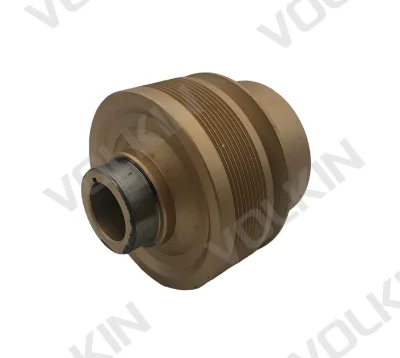


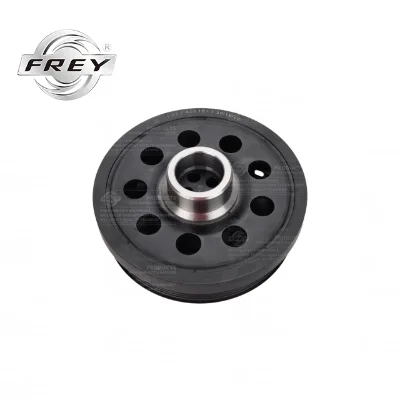


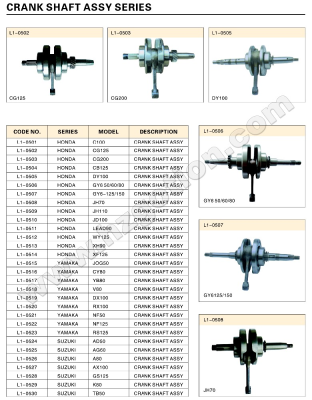


Automobile Parts Engine Spare Parts Car Accessories Motorcycle Crankshaft
$80.00 - $150.00
MOQ: 10 Pieces


Comprehensive Sourcing Guide
Strategic Sourcing Guide for Crankshaft Pulley Components
Understanding Technical Specifications and Component Variability
When initiating a procurement strategy for crankshaft pulleys, the primary challenge lies in the inherent variability of technical specifications across different engine architectures. The core keyword "Crankshaft Pulley" encompasses a broad spectrum of components designed for specific automotive and industrial applications. Based on observed market data, the product attributes for these components vary significantly in terms of material composition, weight, and structural design. For instance, while some listings identify the material as Aluminum Alloy, others may specify different alloys depending on the thermal and mechanical requirements of the target engine. The weight of these components is another critical variable; observed data points to weights ranging from approximately 1.439 kg to 5 kg, indicating that a single "standard" specification does not exist for this category.
Buyers must carefully evaluate the specific model numbers and engine codes associated with their procurement needs. The market data includes references to model numbers such as 5259981L and 5313645, alongside generic designations like "N0" or "Crankshaft." These identifiers are not merely labels but serve as the primary keys for compatibility verification. A Crankshaft Pulley designed for a standard engine code may not be interchangeable with one intended for a specialized industrial application. Furthermore, the technical construction of the pulley, often described under "Technics" as Casting, dictates the manufacturing process and the resulting mechanical properties. The casting method influences the grain structure and density of the component, which directly impacts its durability and resistance to fatigue under high rotational speeds.
The compatibility with specific brands is another layer of technical complexity. Observed attributes list compatibility with major heavy equipment and automotive brands such as Komatsu and Doosan. This suggests that the supply chain for crankshaft pulleys is deeply integrated with the aftermarket parts ecosystem for heavy machinery. However, the presence of "Standard Component" designations alongside specific OEM numbers like 11237823191 indicates a dual market: one serving generic replacement needs and another serving precise original equipment manufacturer (OEM) replacements. Procurement teams must distinguish between these two streams, as the tolerance levels and fitment requirements can differ substantially. The "OEM No" field is particularly crucial; it serves as the definitive link between the aftermarket part and the original engine design, ensuring that the replacement part maintains the intended balance and timing characteristics of the engine assembly.
Compliance, Certification, and Regulatory Standards
Navigating the regulatory landscape is a non-negotiable aspect of sourcing crankshaft pulleys, particularly for components that will be installed in vehicles or machinery intended for international markets. The supply chain for these parts is characterized by a diverse array of certifications, reflecting the varying regulatory requirements of different regions. Observed product data explicitly lists certifications including CE, ISO, DOT, CCC, TSRoHS, E-Mark, and ISO/TS. Each of these acronyms represents a specific regulatory hurdle that the supplier must clear before the product can be legally sold or shipped to certain jurisdictions.
The CE marking indicates conformity with health, safety, and environmental protection standards for products sold within the European Economic Area. Similarly, the E-Mark certification is a specific requirement for automotive components in Europe, verifying that the part meets the necessary vehicle type-approval standards. For markets in China, the CCC (China Compulsory Certification) is a mandatory requirement, ensuring that the product adheres to national safety and quality standards. The presence of DOT (Department of Transportation) certification suggests compliance with US safety standards, which is critical for any component intended for use in North American vehicles.
Beyond regional certifications, the ISO standards play a pivotal role in establishing a baseline for quality management. The data references ISO and ISO/TS, which likely refer to ISO 9001 for quality management systems and ISO/TS 16949 (now IATF 16949) for automotive-specific quality management. These standards are not merely badges of honor; they represent a systematic approach to manufacturing that minimizes defects and ensures traceability. The inclusion of TSRoHS (likely a variation or specific application of RoHS) indicates compliance with restrictions on hazardous substances, a requirement that has become increasingly stringent globally.
Buyers must verify that the specific batch of crankshaft pulleys they intend to purchase carries the valid and current versions of these certifications. A supplier may claim to be ISO certified, but the buyer needs to confirm the scope of that certification to ensure it covers the specific manufacturing processes used for the pulleys. Furthermore, the "Condition: New" attribute observed in the data reinforces the expectation that all supplied components must be manufactured to current standards, not refurbished or remanufactured units unless explicitly stated. The "Quality: High-Quality" attribute is a subjective claim that must be backed by objective certification evidence. Procurement teams should request copies of the actual certification documents and verify their validity with the issuing bodies before finalizing any purchase order.
Cost Drivers and Pricing Dynamics in the Market
The pricing structure for crankshaft pulleys is influenced by a complex interplay of factors, including material costs, manufacturing complexity, certification compliance, and logistics. The observed price range in the market spans from 0.1 USD to 2000 USD, a vast disparity that reflects the difference between small, lightweight components and larger, more complex assemblies or bulk orders. This wide range indicates that there is no single "market price" for a Crankshaft Pulley; rather, the price is highly dependent on the specific attributes of the unit being purchased.
Material composition is a primary driver of cost. Components made from Aluminum Alloy, as noted in the product attributes, may have different cost structures compared to those made from cast iron or steel, depending on current commodity prices. The casting process, identified as the primary "Technics," also impacts the cost. High-precision casting requires sophisticated tooling and strict quality control, which adds to the manufacturing expense. Additionally, the weight of the component, ranging from 1.439 kg to 5 kg, directly influences shipping costs, especially when the "Shipment" method is specified as "by Sea or Air." Air freight, while faster, is significantly more expensive and can drastically alter the total landed cost of the order.
The Minimum Order Quantity (MOQ) is another critical factor in cost management. The observed MOQ range is 1 to 1000 units, with specific listings showing an MOQ of 1 PCS. This flexibility allows buyers to procure small quantities for testing or emergency repairs, but it often comes with a higher unit price. Conversely, larger orders may benefit from economies of scale, reducing the per-unit cost. However, the "Selling Units: Single item" attribute suggests that many suppliers are structured to sell individual parts, which may limit the ability to negotiate bulk discounts unless the buyer consolidates orders across multiple SKUs.
Packaging also plays a role in the final cost. The data mentions various packaging types, including "Wooden Box," "Pallet," "Neutral Carton," and "Standard Package." Wooden boxes and pallets provide superior protection for heavy or high-value items but add to the overall weight and volume, increasing shipping costs. The "prod_packing" attribute of "Wooden Box" for certain items suggests that these are high-value or fragile components requiring extra care. Buyers should factor in the cost of packaging when calculating the total cost of ownership, especially for international shipments where packaging regulations and handling fees can be significant.
Typical Applications and Compatibility Verification
The application of crankshaft pulleys extends across a wide range of industries, from light automotive vehicles to heavy-duty construction equipment. The observed data highlights compatibility with brands such as Komatsu and Doosan, which are leaders in the heavy machinery sector. This indicates that a significant portion of the Crankshaft Pulley market is dedicated to the maintenance and repair of excavators, loaders, and other heavy equipment. These applications demand high durability and precision, as the failure of a Crankshaft Pulley in a heavy machine can lead to catastrophic engine failure and significant downtime.
In the automotive sector, the Crankshaft Pulley is a critical component of the engine's timing and accessory drive system. The "Application: Auto Engine Parts" attribute confirms this usage. The pulley's role is to transfer power from the crankshaft to various accessories, such as the alternator, water pump, and air conditioning compressor. The "Crankshaft Pulley" product name and the "Engine Code: standard" designation suggest that these parts are designed to fit a wide range of standard engine configurations. However, the presence of specific OEM numbers like 11237823191 implies that some pulleys are engineered for specific engine models, requiring precise matching to ensure proper belt tension and alignment.
The "Usage: Popular Type, Tailored Version" attribute suggests that the market offers both generic, off-the-shelf solutions and customized parts designed for specific vehicle or machine models. This duality allows buyers to choose between cost-effective standard parts and precision-engineered tailored versions. The "Deck: Single" attribute, while more common in trailer specifications, may also refer to the structural design of the pulley assembly in certain contexts, indicating a single-plane design. Understanding the specific application is essential for selecting the correct part, as a mismatch can lead to premature wear, belt slippage, or engine damage.
Buyers must verify the compatibility of the Crankshaft Pulley with their specific engine model before placing an order. The "Compatible Brand" and "OEM No" fields are the primary tools for this verification. Cross-referencing the OEM number with the engine's service manual or a reliable parts database is the most reliable method to ensure fitment. Additionally, the "Car Model: standard" attribute suggests that some parts are designed for general use, but buyers should still confirm the specific engine code to avoid compatibility issues.
Supplier Evaluation and Quality Assurance Protocols
Evaluating suppliers for crankshaft pulleys requires a rigorous approach to quality assurance and reliability. The "Quality: High-Quality" attribute is a common claim in the market, but it must be substantiated through objective evidence. Buyers should prioritize suppliers who can provide detailed documentation of their manufacturing processes, including the casting techniques used and the quality control measures implemented. The "Technics: Casting" attribute indicates that the manufacturing process is a critical factor in the part's performance, and buyers should inquire about the specific casting methods, such as sand casting or die casting, and the associated quality checks.
The "Warranty: 1 Year" attribute provides a baseline for supplier confidence, but buyers should verify the terms and conditions of this warranty. Does it cover manufacturing defects only, or does it also include wear and tear? A robust warranty program indicates that the supplier stands behind the quality of their product. Additionally, the "Standard Component" designation suggests that the parts are manufactured to industry standards, but buyers should request evidence of compliance with these standards, such as test reports or inspection certificates.
Supplier location is another important factor in the evaluation process. The data indicates origins in "China," "USA," and specific regions like "Guangdong" and "Shandong." While these locations are known for manufacturing capabilities, buyers should assess the supplier's logistical capabilities and their ability to meet delivery timelines. The "Shipment: by Sea or Air" option provides flexibility, but buyers should consider the lead times associated with each method. "Lead time" is not explicitly provided in the data, so buyers must request this information directly from the supplier to plan their inventory effectively.
The "Customization: Available" and "Accept Customization" attributes highlight the flexibility of the supply chain. Buyers with unique requirements can work with suppliers to develop tailored solutions. However, customization introduces additional complexity and potential risks. Buyers should ensure that the supplier has the technical expertise to handle custom orders and that the customization process includes adequate quality control measures. The "Structure: Dump Trailer" and "Nosewheel Steering Mechanism" attributes in the data seem to be outliers or misclassified, as they do not align with Crankshaft Pulley specifications. Buyers should be cautious of such inconsistencies and verify that the product description accurately reflects the item being sold.
Long-Term Procurement Considerations and Inventory Management
Sourcing crankshaft pulleys is not just a one-time transaction but a long-term relationship that requires careful planning and inventory management. The "MOQ: 1 PCS" and "MOQ: 1PC" attributes suggest that suppliers are willing to accommodate small orders, which is beneficial for maintaining a lean inventory. However, for high-volume users, establishing a consistent supply chain is crucial to avoid stockouts and production delays. The "Packaging: Neutral Carton" and "Wooden Box" options offer different levels of protection, and buyers should choose the packaging that best suits their storage and transportation needs.
The "Standard Package" and "Standard Component" attributes indicate that many parts are designed for mass production and replacement. This standardization simplifies inventory management, as buyers can stock a limited number of SKUs to cover a wide range of applications. However, the presence of specific model numbers and OEM codes suggests that some parts are highly specialized. Buyers should maintain a detailed inventory of these specialized parts to ensure they are available when needed for critical repairs.
Long-term procurement also involves monitoring market trends and supplier performance. The "Certification" and "Quality" attributes are indicators of supplier reliability, but buyers should regularly audit their suppliers to ensure that they continue to meet these standards. The "Warranty: 1 Year" provides a safety net, but buyers should also consider the total cost of ownership, including the cost of downtime and the impact of part failures on their operations.
Finally, the "Product Origin" and "Place of Origin" attributes highlight the global nature of the supply chain. Buyers should be aware of any trade regulations or tariffs that may affect the cost and availability of these parts. The "Shipment: by Sea or Air" option provides flexibility, but buyers should consider the environmental impact of their shipping choices and the potential for supply chain disruptions. By adopting a strategic approach to procurement, buyers can ensure a reliable supply of high-quality crankshaft pulleys that meet their operational needs.
FAQs
What certifications do crankshaft pulleys typically have?
Crankshaft pulleys typically carry CE, ISO, DOT, CCC, TSRoHS, and E-Mark certifications. These standards verify compliance with safety and environmental regulations for various international markets, ensuring the parts meet specific regional requirements before sale.
Can I customize the Crankshaft Pulley specifications?
Yes, customization is available for crankshaft pulleys to meet specific engine requirements. Buyers can request tailored versions or standard components, allowing for flexibility in design and fitment while maintaining high-quality manufacturing standards.
Which materials are used for crankshaft pulleys?
Aluminum Alloy is a common material used for crankshaft pulleys in this supply chain. The casting technics ensure durability, and the weight typically ranges from 1.439 kg to 5 kg depending on the specific model and application.
How does the MOQ affect my order?
The minimum order quantity ranges from 1 to 1000 pieces depending on the supplier. Some listings allow single item purchases, while others may require bulk orders, influencing the unit price and total procurement cost significantly.
What is the warranty period for these parts?
The standard warranty period for these crankshaft pulleys is 1 year. This coverage applies to new condition items and provides assurance against manufacturing defects, subject to the specific terms of the supplier agreement.
Where are these crankshaft pulleys manufactured?
These parts originate from China, with specific mentions of Guangdong and Shandong provinces. Some listings also indicate a USA/China origin, reflecting the global distribution network for these automotive and industrial engine components.