Source Eco-Friendly Rotating Wooden Cutting Board for Kitchen Prep
Compare 30 listings for Eco-Friendly Rotating Wooden Cutting Board options from verified suppliers. Buyers can evaluate materials like wood and bamboo, check customization features, and review MOQs ranging from 1 to 2000 units for kitchen applications; compare the available evidence and request quotations based on your requirements.
Key considerations
Products List


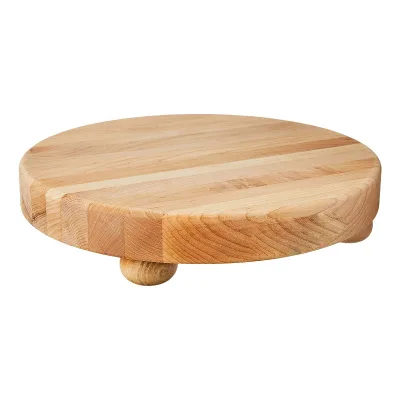
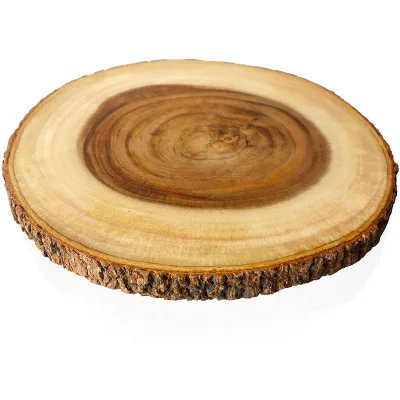
Hand Crafted End Grain Cutting Board with Bark Made From Sustainable Wood
$6.58 - $7.20
MOQ: 60 pieces


Comprehensive Sourcing Guide
Eco-Friendly Rotating Wooden Cutting Board Sourcing Guide
Buyers seeking eco-friendly rotating wooden cutting boards must first distinguish between solid wood and composite materials, as the supplied data indicates a mix of wood, bamboo, and plastic options in the market. While the core keyword emphasizes wood, observed listings include bamboo and plastic variants with similar functional attributes like anti-skidding and antibacterial properties. Procurement teams should verify the specific material composition of each supplier's offering to ensure it aligns with the "eco-friendly" designation, as bamboo is often marketed as a sustainable alternative to traditional hardwoods.
The rotating mechanism is a critical design feature that may not be explicitly detailed in all standard product attributes, requiring direct inquiry with manufacturers. Some observed listings describe flexible designs and textured surfaces, which are essential for food safety and usability, but the specific engineering of the rotating base must be confirmed. Buyers should request detailed diagrams or samples to validate that the rotation mechanism is durable and does not compromise the structural integrity of the wooden or bamboo components during repeated use.
Product Scope and Observed Listing Signals
The market for these boards includes a diverse range of specifications, with observed models varying from medium sizes to customizable dimensions like 30020015mm. Listings show that products are available in various colors, including natural wood tones, carbonized finishes, and custom options like white, red, or blue, depending on the material and customization capabilities. Buyers should note that while some products are stocked, others require OEM customization for color and size, which impacts lead times and minimum order quantities significantly.
Functional attributes observed in the listings include anti-skidding, antibacterial, and anti-friction properties, which are crucial for kitchen safety and hygiene. The surface finish is often described as textured to enhance grip, and the design can be single-sided or double-sided, with some options featuring thickening for durability. Procurement teams must cross-reference these functional claims with the specific material type, as plastic and bamboo boards may offer different levels of antibacterial performance compared to solid wood.
Technical Specifications to Verify
Thickness and density are primary technical parameters that determine the longevity and stability of the cutting board. Observed data lists density values around 0.96g/cm3 for certain plastic variants, while wooden and bamboo options typically require verification of their specific density and grain structure to ensure they are not prone to warping. Buyers should explicitly request density reports and thickness measurements, as the market includes both "thickening" and "slim" profiles that serve different culinary needs and durability expectations.
The manufacturing process significantly influences the final product quality, with observed listings citing handmade or other specialized processes. For wooden and bamboo boards, the method of joining the rotating mechanism to the board surface is a critical technical detail that affects safety and ease of cleaning. Procurement teams must verify whether the rotation is integrated seamlessly or if it involves separate components that could harbor bacteria, ensuring the design supports the "eco-friendly" claim without compromising food safety standards.
Compliance and Safety Documentation
Food safety certifications are non-negotiable for cutting boards intended for kitchen use, and the supplied data highlights ISO, Food Grade, FDA, LFGB, and SGS certifications as key indicators of compliance. Buyers must ensure that the specific wooden or bamboo boards they source carry valid, current certificates from recognized bodies, as these documents verify that the materials and finishes are safe for direct food contact. The absence of ethylene oxide sterilization in some listings suggests that natural antimicrobial properties or specific surface treatments are relied upon for hygiene.
Beyond material safety, the packaging and handling processes must also adhere to safety standards to prevent contamination during transit. Observed packaging ranges from individual polybags to cartons and palletizing, which should be evaluated for their ability to protect the product from moisture and physical damage. Buyers should verify that the packaging materials themselves are eco-friendly and do not introduce chemical contaminants, aligning with the broader sustainability goals of the procurement.
Cost Drivers and Commercial Terms
Minimum Order Quantities (MOQ) vary widely in the market, ranging from as low as 1 unit to 2000 units, with specific listings showing MOQs of 100 or 1000 units. This variance is heavily influenced by the level of customization required, such as OEM color or size adjustments, which can increase the cost per unit and extend lead times. Buyers should negotiate based on their volume needs, understanding that higher customization levels often justify higher MOQs and unit prices due to the setup costs involved.
Price fluctuations are also driven by the raw material costs of wood, bamboo, and plastic, as well as the complexity of the rotating mechanism. The observed price range of 0.5 to 18.1 USD reflects this diversity, with premium eco-friendly materials and complex designs commanding higher prices. Procurement teams should analyze the total cost of ownership, including shipping and potential tariffs, rather than focusing solely on the unit price, to ensure the selected supplier offers the best value for the specific quality and sustainability requirements.
Supplier Qualification and Quality Control
Supplier qualification should focus on their ability to provide consistent quality across different material types, including wood, bamboo, and plastic. The presence of OEM capabilities and customization options indicates a supplier's flexibility, but buyers must verify their quality control processes to ensure that every batch meets the specified standards for density, thickness, and surface texture. Requesting pre-shipment samples and third-party inspection reports is essential to validate that the rotating mechanism functions smoothly and that the board surfaces are free from defects.
Quality control must also extend to the consistency of the eco-friendly claims, ensuring that the materials used are genuinely sustainable and not merely marketed as such. Buyers should audit the supplier's supply chain to confirm the origin of the wood or bamboo, checking for responsible forestry practices if FSC certification is a priority. Establishing a clear communication channel for quality issues and defining acceptable defect rates in the contract will help maintain product standards over the long term.
Long-Term Procurement Checks
Sustainability is a dynamic requirement that necessitates regular re-evaluation of supplier practices and material sourcing strategies. Buyers should schedule periodic audits to ensure that the supplier continues to meet the original eco-friendly criteria and that any changes in material sourcing do not compromise the product's environmental impact. This includes verifying that the "Food Grade" and other certifications remain valid and that the supplier adheres to evolving international standards for sustainable forestry and manufacturing.
Performance monitoring of the cutting boards in the field is also critical for long-term procurement success. Buyers should gather feedback from end-users regarding the durability of the rotating mechanism and the effectiveness of the anti-skidding and antibacterial features. Establishing a feedback loop with the supplier allows for continuous improvement of the product design and manufacturing process, ensuring that the eco-friendly rotating wooden cutting boards remain competitive and reliable in the market.
FAQs
What materials are used for eco friendly rotating wooden cutting boards?
These boards are typically crafted from sustainable wood, bamboo, or plastic. The product page lists wood, bamboo, and plastic as available materials. Bamboo options often feature natural or carbonized colors. Plastic variants may include textured surfaces for anti-skidding. Buyers can choose based on durability needs and aesthetic preferences for their kitchen environment.
Can I customize the size and color of these cutting boards?
Yes, customization is available for both size and color. The supplier accepts OEM requests for specific dimensions and colors. Standard sizes like 300*200*15mm are common, but custom standards are also possible. Colors include white, red, blue, green, yellow, or custom options. This flexibility allows brands to align the product with their specific design requirements.
What certifications do these cutting boards hold for food safety?
The products hold ISO and Food Grade certifications. Some bamboo variants also feature FDA, LFGB, and SGS certifications. These ensure the materials are safe for direct food contact. The boards are not sterilized with ethylene oxide. Buyers can verify specific certification documents with suppliers to ensure compliance with local import regulations and safety standards.
What is the minimum order quantity for these cutting boards?
The minimum order quantity varies by supplier and product type. Observed MOQs range from 1 to 2000 units. Some specific models list an MOQ of 100 or 1000. Buyers should confirm the exact MOQ with the chosen manufacturer. Lower MOQs may be available for stock items, while custom OEM orders typically require higher volumes.
How are these cutting boards packaged for shipping?
Packaging options include cartons, polybags, or palletizing. Individual boards may be packed in polybags for protection. Bulk shipments are often arranged in cartons or on pallets for efficiency. The packaging is customizable to meet buyer requirements. This ensures the products arrive safely and meet specific retail or industrial packaging standards during transit.
What features do these cutting boards offer for kitchen use?
Features include anti-skidding, antibacterial, and anti-friction properties. The design is often flexible or double-sided. Some models are thickened for durability. The surface may be textured to prevent slipping. These functional attributes enhance safety and usability during food preparation, making them suitable for chopping fruits, vegetables, and other kitchen tasks.