Source eco-friendly sublimation printing gymnastics leotards for Dance, Training, and Performance
Find 30 listings for eco-friendly sublimation printing gymnastics leotards featuring custom designs and quick-drying polyester blends. Buyers can compare OEM services, digital printing methods, and customized sizes for dance, training, and performance needs.
Key considerations
Products List
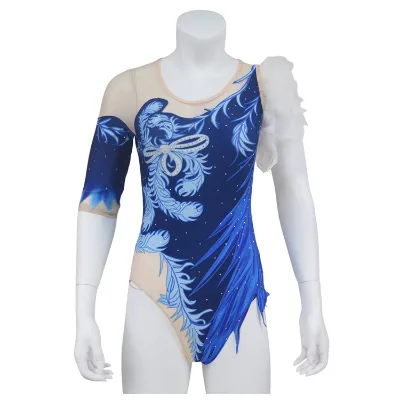
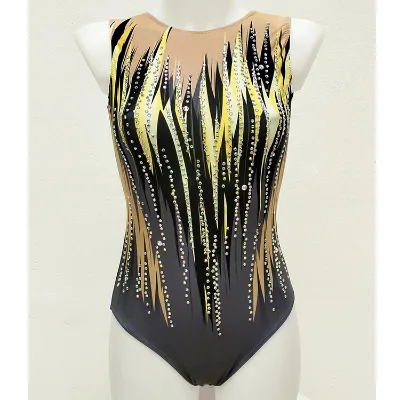


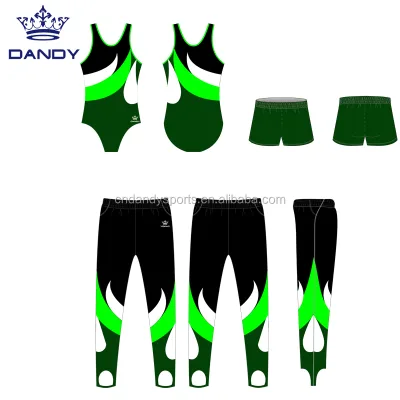
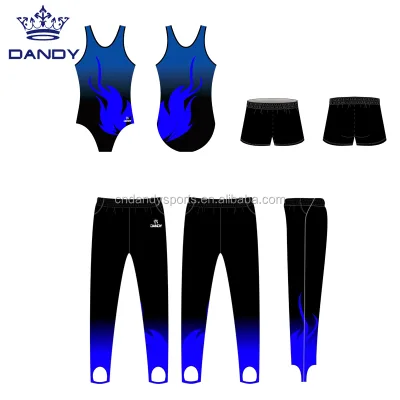
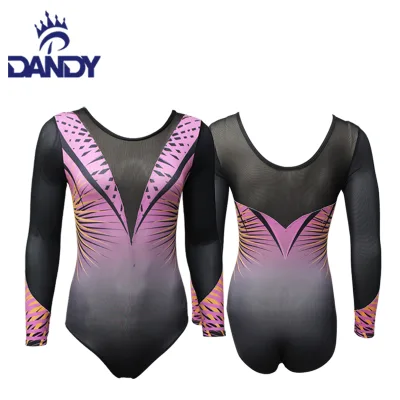
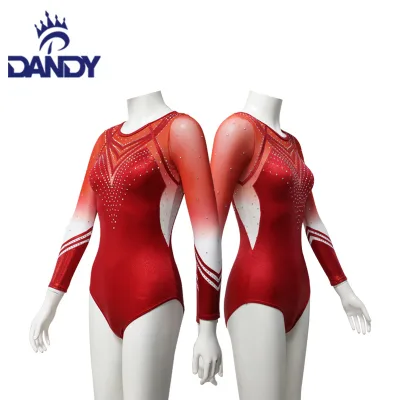
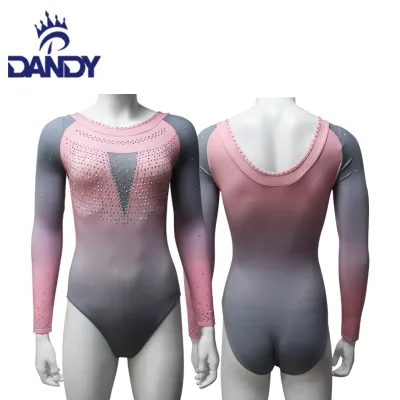
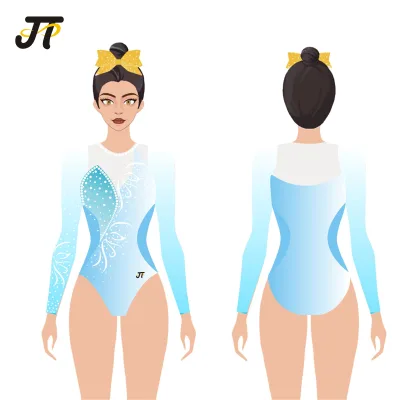
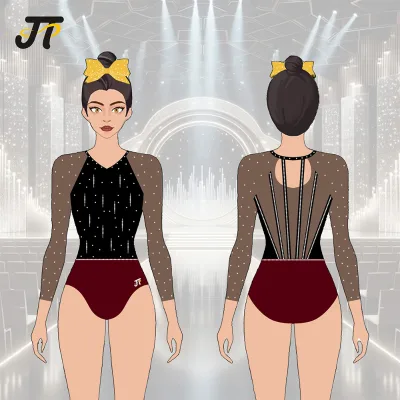
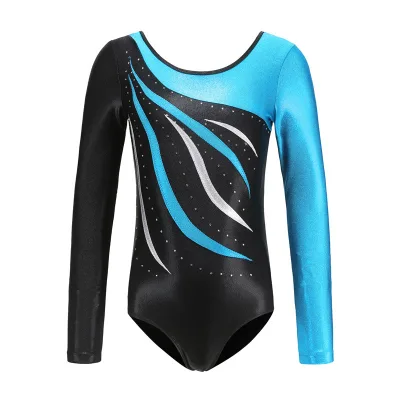
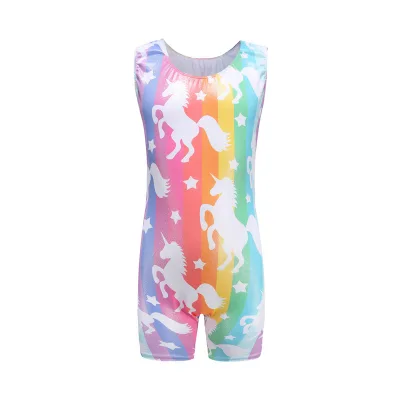
Factory Custom Direct Sale Qymnastics Custom Women Design Gymnastics Leotard
$15.27 - $26.46
MOQ: 10 pieces
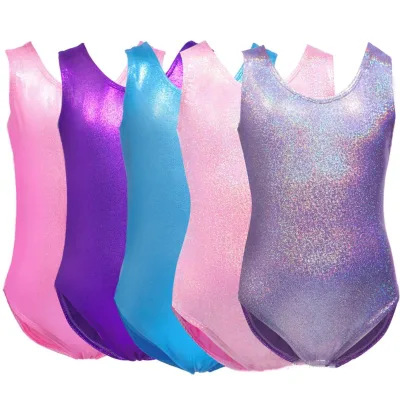


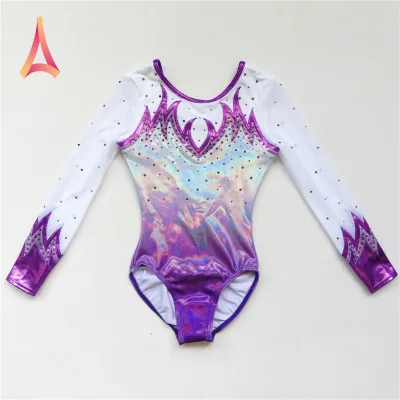
Comprehensive Sourcing Guide
Eco-Friendly Sublimation Printing Gymnastics Leotards Sourcing Guide
Sourcing performance dancewear and gymnastics leotards requires a careful balance between aesthetic customization, material functionality, and supply chain reliability. The market offers a wide array of options, particularly from manufacturing hubs in Guangdong, China, where OEM services are prevalent. Buyers must navigate a landscape defined by high customization capabilities, including digital printing, sublimation transfer, and heat-transfer methods, which allow for intricate, patterned designs that are essential for competitive gymnastics and dance performances. Understanding the specific technical attributes and commercial terms associated with these products is critical for ensuring that the final garments meet both athletic performance standards and brand identity requirements.
This guide focuses on the procurement of custom-designed leotards, often constructed from polyester-spandex blends or polyester-cotton mixes, depending on the specific model and intended use. The observed product range includes items targeting both adult and children’s demographics, with features such as moisture-wicking, quick-drying, and anti-bacterial properties. Procurement decisions should be driven by a clear understanding of these material compositions and functional claims, ensuring that the selected supplier can consistently deliver products that align with the specific needs of the end-user, whether for professional training or recreational use.
Product Scope and Observed Listing Signals
The current market signals indicate a strong emphasis on customization, with many suppliers offering OEM services that allow buyers to define model numbers, colors, and logos. Products are frequently described with attributes such as "customized size," "customized color," and "customized logo printing," suggesting that off-the-shelf inventory is less common than made-to-order production. The presence of multiple model identifiers, such as NSL003, NSL004, and shy005, alongside specific product names like "Performance and Training Dance Wear," highlights the diversity within this category. Buyers should recognize that these variations often correspond to different fabric weights, cut styles, or printing techniques, necessitating a thorough review of sample specifications before committing to bulk orders.
Observations also reveal a mix of target demographics, with some listings explicitly stating "Adults" or "Women" while others indicate "Children" or "Both." This demographic flexibility is a key selling point for distributors and brands looking to offer comprehensive product lines. Additionally, the inclusion of features like "anti-UV," "anti-static," and "breathable" materials points to a focus on athletic performance and comfort. However, buyers must verify that these functional claims are consistent across the specific models they intend to purchase, as product attributes can vary significantly between different supplier listings or even within the same supplier’s catalog.
Technical Specifications to Verify
Material composition is a primary technical specification that directly impacts the durability, fit, and performance of gymnastics leotards. The most commonly observed materials are blends of polyester and spandex, which offer the necessary elasticity and moisture-wicking capabilities required for high-intensity movement. Some listings also mention polyester-cotton mixes, which may offer a different hand feel but potentially less stretch and recovery. Buyers must verify the exact percentage of spandex or elastane in the fabric, as this determines the garment’s ability to retain its shape after repeated use and washing. It is also important to confirm whether the material is seamless or constructed with fused seams, as this affects both comfort and the longevity of the garment under stress.
Printing and design techniques are equally critical, with sublimation transfer printing being a dominant method for achieving vibrant, durable, and patterned designs. This technique allows for full-color, edge-to-edge printing that does not crack or peel, which is essential for the aesthetic demands of gymnastics costumes. Buyers should verify the specific printing methods used, such as digital print or heat-transfer printing, and ensure that the supplier has the capability to handle complex, customized designs without compromising fabric integrity. Additionally, the single package size and gross weight, often listed around 21x35x2 cm and 0.500 kg respectively, are important for calculating shipping costs and storage requirements, particularly for large orders.
Compliance and Safety Documentation
While specific certification statuses are not universally provided in general listings, buyers must proactively request documentation related to textile safety and chemical compliance. For products marketed with "anti-bacterial" or "eco-friendly" claims, it is essential to verify the underlying standards and test results that support these assertions. Buyers should inquire about compliance with relevant international standards for textile safety, such as OEKO-TEX or REACH, particularly if the leotards are intended for export to markets with strict regulatory requirements. This due diligence helps mitigate the risk of non-compliance and ensures that the materials used are safe for direct skin contact, especially for children’s wear.
Furthermore, buyers should verify the condition and quality control processes of the supplier. Listings often describe products as "New" and "Not Assembled," which may refer to the state of the packaging or the manufacturing process. It is crucial to clarify whether the supplier conducts pre-shipment inspections and what quality assurance protocols are in place. Buyers should request samples to physically inspect the stitching, print quality, and fabric feel, ensuring that the product meets the expected standards before authorizing mass production. This step is vital for maintaining brand reputation and customer satisfaction, particularly in the competitive gymnastics and dancewear market.
Cost Drivers and Commercial Terms
The cost of sourcing custom gymnastics leotards is influenced by several factors, including the complexity of the design, the quantity ordered, and the specific material composition. The observed price range of $2.5 to $82 USD reflects the variability in product quality, customization level, and order volume. Buyers should note that lower prices may correspond to simpler designs or standard materials, while higher prices may reflect intricate sublimation patterns, premium fabrics, or smaller order quantities. Understanding these cost drivers allows buyers to budget effectively and negotiate more informed terms with suppliers.
Commercial terms also play a significant role in the procurement process. Payment terms such as T/T (Telegraphic Transfer) and Western Union are commonly accepted, but buyers should establish clear agreements on deposit percentages and balance payments upon shipment. Lead times are another critical consideration, with some suppliers offering a 7-day sample order lead time, which can be advantageous for rapid prototyping and design approval. However, bulk production lead times may vary, and buyers should confirm these timelines to ensure timely delivery for events or seasons. Additionally, shipping methods like DHL, FedEx, and EMS are available, and buyers should factor in shipping costs and transit times when calculating the total landed cost of the products.
Supplier Qualification and Quality Control
Supplier qualification is a foundational step in ensuring a reliable supply chain for custom gymnastics leotards. Buyers should prioritize suppliers that offer OEM services and have a proven track record of producing high-quality, customized products. The presence of multiple model numbers and customization options suggests that these suppliers are equipped to handle diverse design requirements. However, buyers must verify the supplier’s production capacity and consistency, particularly when scaling up from sample orders to bulk production. This includes assessing their ability to maintain quality standards across large volumes and their responsiveness to design changes or urgent requests.
Quality control measures should be integrated into the procurement process from the outset. Buyers should establish clear quality specifications in the purchase agreement, including tolerances for size, color matching, and print durability. Regular communication with the supplier during the production process can help identify and address potential issues early. Additionally, buyers may consider third-party inspection services for large orders to ensure that the final products meet the agreed-upon standards. This proactive approach to quality control helps minimize the risk of defects, returns, and customer dissatisfaction, thereby protecting the buyer’s brand and bottom line.
Long-Term Procurement Checks
Long-term procurement success depends on continuous monitoring of supplier performance and market trends. Buyers should regularly review supplier metrics, such as on-time delivery rates, defect rates, and responsiveness to inquiries. Establishing a performance scorecard can help identify areas for improvement and facilitate constructive feedback with suppliers. Additionally, buyers should stay informed about emerging trends in gymnastics wear, such as new fabric technologies or sustainable materials, to ensure that their product offerings remain competitive and relevant. This ongoing engagement with the market helps buyers adapt to changing consumer preferences and maintain a strong market position.
Finally, buyers should periodically reassess their supplier base to ensure they are leveraging the best available options. This may involve comparing multiple suppliers on factors such as price, quality, lead times, and customization capabilities. Diversifying the supplier base can also mitigate risks associated with single-source dependencies, such as production delays or quality inconsistencies. By maintaining a dynamic and well-informed procurement strategy, buyers can ensure a steady supply of high-quality, custom gymnastics leotards that meet the evolving needs of their customers and support long-term business growth.
FAQs
Can I get custom designs for these dance wear items?
Yes, customized services are available for design and logo printing. The product supports OEM service with options for customized colors and patterns to meet specific buyer requirements.
What material is used for the performance dance wear?
The material is a blend of polyester and spandex. This combination ensures the garment is comfortable, breathable, and suitable for active training and performance environments.
How long does it take to produce a sample order?
A sample order lead time of 7 days is supported. This allows buyers to verify quality and design before committing to larger production runs under the OEM service model.
Which printing methods are used for these leotards?
Digital print and sublimation transfer print are the primary methods used. These techniques ensure high-quality patterns and colors that are durable and suitable for athletic wear.
What are the shipping options for these products?
Shipping is available via DHL, FedEx, EMS, and air shipment. These options provide flexible logistics solutions to deliver the customized dance wear to various international destinations.
Is the product suitable for both men and women?
The product is suitable for both genders, though it is specifically listed for women. The customizable nature allows for adaptations to fit different age groups and preferences.