Source Eco Friendly Sushi Melamine Plate for Kitchen, Wedding, School
Compare 30 listings of Eco Friendly Sushi Melamine Plate from Chinese manufacturers. Buyers can evaluate customization options, material composition, and dimensions for kitchen ware, wedding events, and school supplies.
Key considerations
Products List


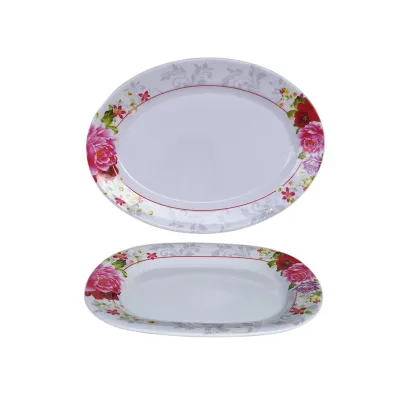
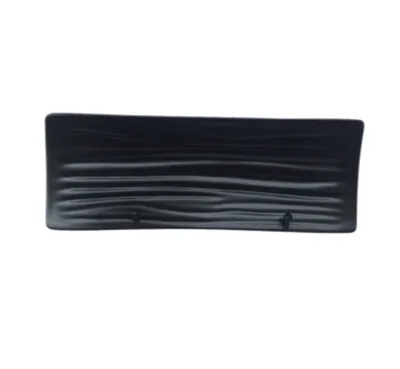
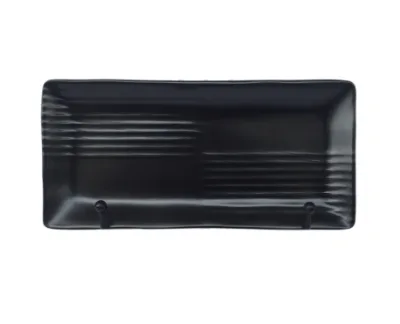
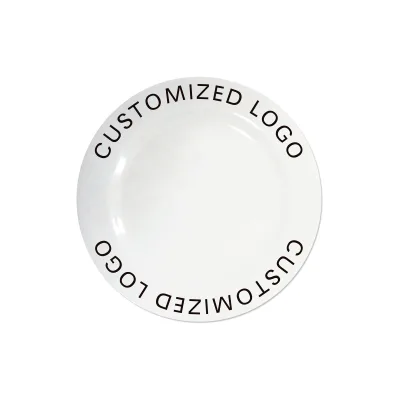
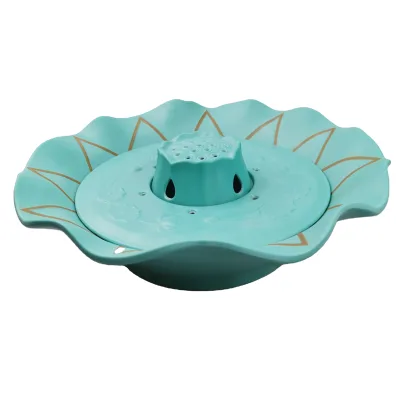
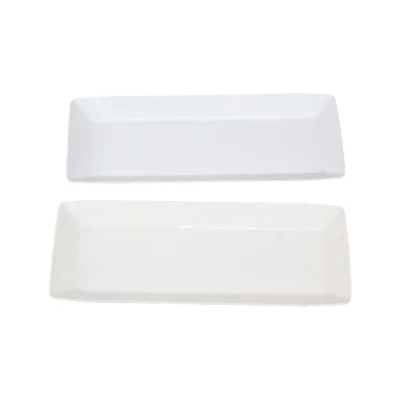
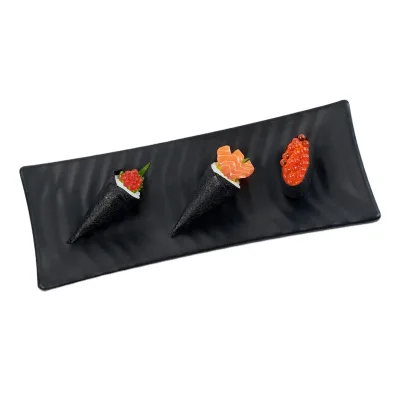
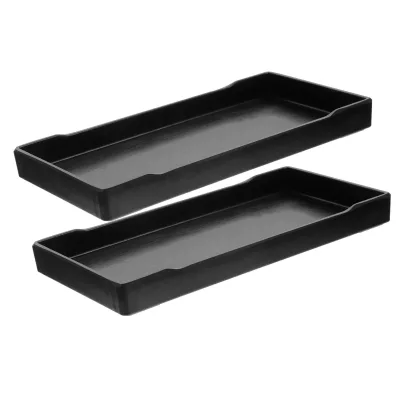
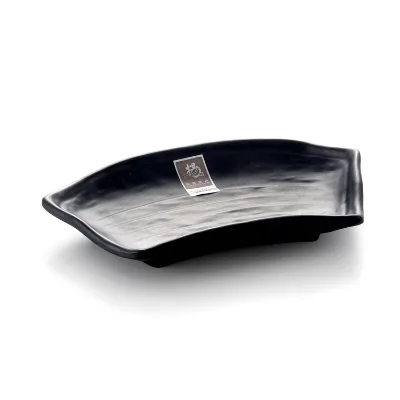
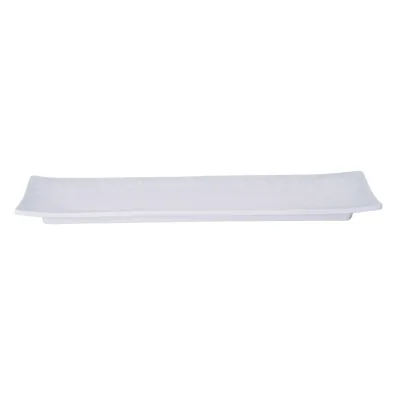
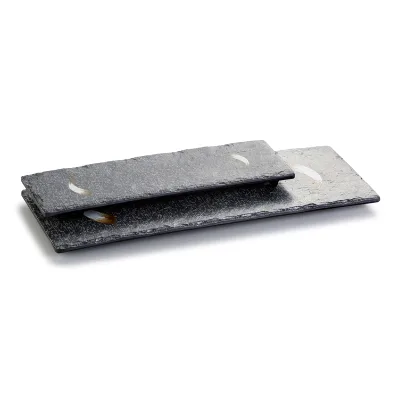
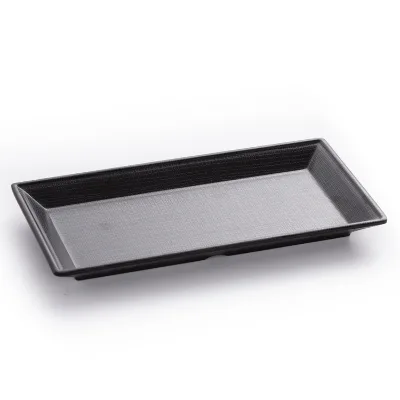
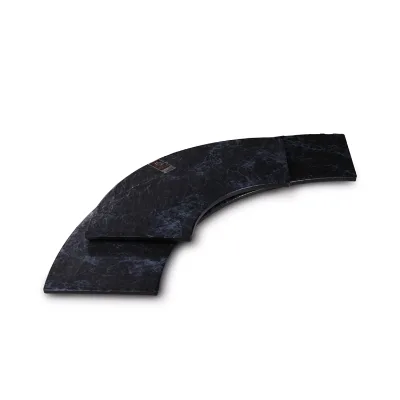
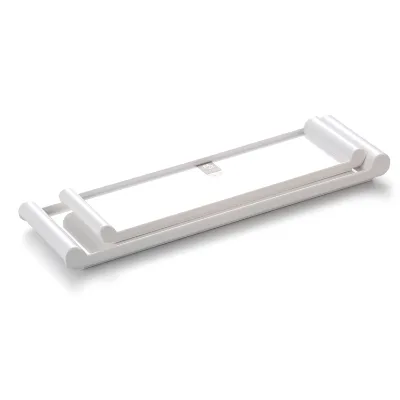
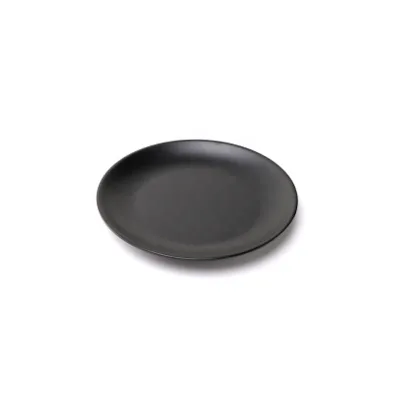
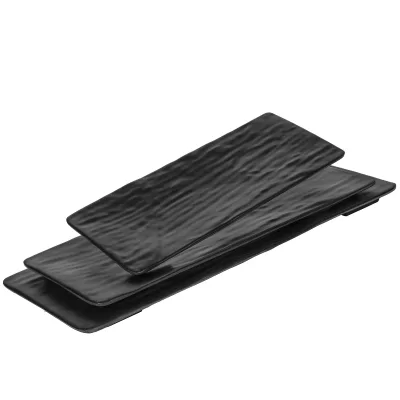
Comprehensive Sourcing Guide
Strategic Sourcing Guide for Eco-Friendly Sushi Melamine Plates
Understanding Material Composition and Sustainability Claims
When sourcing eco-friendly sushi melamine plates, the primary focus must be on the precise material composition and the validity of sustainability claims. The market data indicates that products labeled as "melamine" often vary significantly in their chemical makeup. Buyers must verify whether the product is constructed from 100% melamine resin or a composite blend, such as a mixture containing 30% melamine. This distinction is critical because the percentage of melamine directly influences the material's durability, heat resistance, and environmental profile. While the term "eco-friendly" is frequently used in product descriptions, it should be treated as an observation rather than a guaranteed certification unless backed by specific, verifiable data.
The material properties observed in current listings include a "Non-Toxic" attribute, which is a fundamental requirement for food-contact surfaces. However, the presence of the "Eco-Friendly" feature in product attributes does not automatically imply biodegradability or a low carbon footprint in the traditional sense. Melamine is a thermosetting plastic, meaning it is durable and reusable but not biodegradable. Therefore, the "eco-friendly" designation in this context likely refers to the product's longevity, reusability, and the potential for reduced waste compared to single-use alternatives. Procurement teams should explicitly request documentation regarding the source of the raw materials and the manufacturing process to substantiate these claims. The "Customization" and "Customized" attributes suggest that buyers can tailor the product, but this flexibility should not compromise the structural integrity or safety of the material.
Technical Specifications and Dimensional Standards
Technical specifications for sushi plates vary widely depending on the intended use case, ranging from compact serving dishes to larger platters. The observed data reveals a diverse range of standard dimensions, indicating that there is no single universal size for this category. Specific models have been identified with precise measurements, such as 197mm x 116mm x 25mm and 173mm x 116mm x 33mm. Other listings reference imperial measurements like 9", 11", and 12" diameters, alongside specific model numbers like WT-A202, PG-EG-A13, and PG-A43.
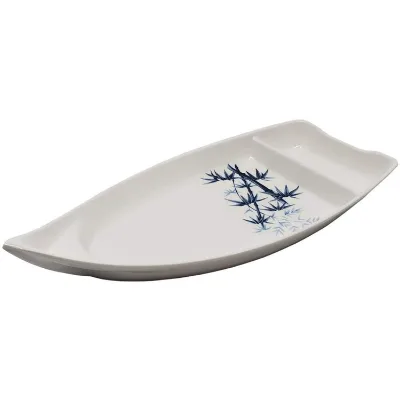
The shape of the plate is another critical technical variable. The "Oval" shape is a prominent feature in the data, aligning with the aesthetic and functional requirements of sushi presentation, which often involves arranging items in a linear or elongated fashion. The "Minimalist" style is also noted, suggesting a design trend that prioritizes clean lines and unobtrusive forms. Buyers must cross-reference the model number with the specific standard dimensions provided by the supplier. For instance, the model AMP-18006 is associated with a diameter of 12 inches, while other models may have different aspect ratios. The "Single package size" of 25x25x30 cm and a "Single gross weight" of 2.000 kg provide logistical data points that are essential for calculating shipping costs and warehouse space requirements.
To ensure compatibility with existing kitchenware or display setups, buyers should create a specification matrix that maps model numbers to their exact dimensions. This prevents the common procurement error of ordering plates that are too small for the intended sushi portion sizes or too large for standard serving trays. The "Plate Dish" type and "Dinnerware Type" classifications confirm that these items are designed for direct food service, but the specific thickness (e.g., 22mm vs. 33mm) will impact their stacking capability and resistance to chipping.
Compliance, Certification, and Safety Verification
Navigating the compliance landscape for melamine products requires rigorous attention to certification standards. The supplied facts highlight "CE/EU" and "FDA" as the primary certifications observed in the product attributes. These designations are vital for international trade, particularly for markets in Europe and North America. The CE mark indicates conformity with health, safety, and environmental protection standards for products sold within the European Economic Area, while FDA compliance suggests the material meets the U.S. Food and Drug Administration's requirements for food-contact substances.
However, buyers must exercise caution. The presence of these certifications in a product listing does not guarantee that every unit in a shipment is certified. It is the buyer's responsibility to request valid, up-to-date certificates of compliance for the specific batch being ordered. The data also mentions "FSC" in a low-confidence background section; this should be treated with skepticism unless the supplier can provide a direct chain-of-custody certificate. Melamine is a synthetic resin, and FSC certification typically applies to wood or paper products, making its relevance to melamine plates questionable without further clarification.
The "Non-Toxic" attribute is a key safety claim that must be verified through third-party testing reports. Buyers should demand test results for formaldehyde migration and melamine migration, which are the primary safety concerns with melamine tableware. The "Engraving" and "Color Enamel" techniques mentioned in the data suggest that decorative elements are applied to the surface. It is crucial to verify that the inks and enamels used in these processes are also food-safe and do not leach harmful substances when exposed to hot foods or acidic ingredients like soy sauce or citrus. The "Acceptable" and "your requestion" notes regarding logos indicate that branding is possible, but the printing process must adhere to the same safety standards as the base material.
Cost Drivers and Pricing Dynamics
The pricing for eco-friendly sushi melamine plates is influenced by several factors, including material composition, customization levels, and order volume. The observed price range in the market spans from $0.13 to $5.50 USD, a significant variance that reflects differences in quality, size, and production complexity. The lower end of the spectrum likely corresponds to basic, non-customized items with standard dimensions, while the higher end may include premium finishes, custom branding, or specialized shapes.
The "MOQ" (Minimum Order Quantity) range of 1 to 3000 units indicates a flexible market structure. Suppliers with lower MOQs may charge a higher unit price due to the setup costs associated with smaller production runs. Conversely, orders approaching the 3000-unit threshold may benefit from economies of scale, though the exact price reduction depends on the supplier's internal cost structure. The "Payment" terms of "T/T 30/70" (30% deposit, 70% upon completion) are standard in the industry but should be negotiated based on the order value and the buyer's relationship with the supplier.
Customization is a major cost driver. The "Customized" and "Custom Products" attributes suggest that adding a specific logo or altering the design incurs additional fees. The "Sample" attribute notes that an "exiting sample for free" is available, which is a valuable tool for buyers to assess quality before committing to a large order. However, buyers should be aware that while samples may be free, shipping costs are often the responsibility of the buyer. The "Inner Box + Master Box" packing specification also impacts the final cost, as custom packaging solutions are more expensive than standard bulk packaging.
Supplier Evaluation and Operational Capabilities
Evaluating a supplier for melamine plate production requires a deep dive into their operational capabilities and business history. The data identifies the "company style" as a "profession factory," which implies a manufacturing-focused entity rather than a trading company. This distinction is important because factories typically have more direct control over the production process, quality control, and lead times. The "place of origin" is listed as "Fujian, China," a region known for its manufacturing infrastructure, but buyers should verify the specific factory location to ensure it aligns with their logistics strategy.
The "Use" category of "Kitchen Ware" and the "occasion" of "Back to School" or "Wedding" suggest that these products are versatile and can be marketed to various sectors. However, the "Wedding" and "Back to School" occasions might indicate a focus on event catering or promotional items rather than high-volume restaurant supply. Buyers should assess whether the supplier has experience in their specific target market. The "Logo" and "Custom Products" attributes confirm that the supplier offers branding services, but the buyer must evaluate the quality of the engraving or printing to ensure it meets brand standards.
When selecting a supplier, buyers should also consider the "Single package size" and "Single gross weight" for logistics planning. A supplier with efficient packing methods can reduce shipping costs and minimize the risk of damage during transit. The "Acceptable" logo requirement suggests flexibility, but the buyer should clarify the technical specifications for logo placement and color accuracy to avoid discrepancies in the final product.
Quality Control and Long-Term Procurement Strategy
Implementing a robust quality control (QC) strategy is essential for maintaining the integrity of the supply chain. Given the "Non-Disposable" nature of the product, durability is a key performance indicator. Buyers should establish clear acceptance criteria for impact resistance, thermal shock, and surface finish. The "Engraving" and "Color Enamel" techniques require visual inspection to ensure that the designs are crisp, evenly applied, and free from defects such as bubbling or peeling.
For long-term procurement, buyers should focus on building a relationship with a supplier that can consistently meet the "197mmX116mmX25mm" or other specific dimensional standards. The "prod_model" variations (e.g., WT-A202, PG-EG-A13) indicate a need for clear communication to ensure the correct model is produced. Buyers should also consider the "Eco-Friendly" claim in the context of their corporate sustainability goals. If the goal is to reduce waste, the reusability of the melamine plate is a strong selling point, but the end-of-life disposal options should be clearly understood.
The "Payment" terms and "MOQ" flexibility allow for a phased procurement approach. Buyers can start with a small order to test the supplier's quality and reliability before scaling up to larger volumes. The "Sample" availability is a critical step in this process, allowing for a physical assessment of the product's weight, texture, and finish. By combining technical verification, compliance checks, and strategic supplier evaluation, buyers can secure a reliable supply of high-quality, eco-friendly sushi melamine plates that meet their specific operational and sustainability requirements.
Comparative Analysis of Product Attributes
To facilitate decision-making, the following table summarizes the key attributes observed in the market data, highlighting the variations buyers must navigate.
| Attribute Category | Observed Variations | Procurement Consideration |
|---|---|---|
| Material Composition | 100% Melamine vs. 30% Melamine | Verify the exact percentage to ensure safety and durability standards. |
| Dimensions | 197x116x25mm, 173x116x33mm, 9"-12" | Match model numbers to specific size requirements for inventory accuracy. |
| Shape & Style | Oval, Minimalist, Unicolor | Ensure the design aligns with the brand aesthetic and functional needs. |
| Certifications | CE/EU, FDA | Request valid certificates for the specific batch; do not assume universal coverage. |
| Customization | Logo Acceptable, Custom Products | Clarify costs and technical limits for branding and design changes. |
| Packaging | Inner Box + Master Box | Assess packaging efficiency for shipping costs and product protection. |
| Origin | Fujian, China | Verify factory location and assess logistics lead times from this region. |
| Usage Occasion | Kitchen Ware, Wedding, Back to School | Confirm the product's suitability for the intended end-use environment. |
This comparative view underscores the importance of due diligence. The wide range of attributes means that a "one-size-fits-all" approach to sourcing is ineffective. Buyers must tailor their specifications to their unique needs, ensuring that the final product meets both functional and compliance requirements. By adhering to these guidelines, procurement teams can mitigate risks and secure a supply chain that delivers value and quality.
FAQs
What certifications do eco friendly sushi melamine plates have?
These plates typically hold CE/EU and FDA certifications for food safety. Buyers must verify valid certificates for the specific batch ordered, as listings may not guarantee every unit is certified. Third-party testing for non-toxic properties is also recommended to ensure compliance with international standards.
Can I customize the logo and design on these plates?
Yes, customization is available for logos and product designs. Suppliers accept custom requests and offer engraving or color enamel techniques. However, buyers should confirm that the printing inks and enamels used are food-safe to prevent leaching when exposed to acidic foods or hot dishes.
Which dimensions are standard for oval melamine sushi plates?
Standard dimensions vary by model, with common sizes like 197mm x 116mm x 25mm or 173mm x 116mm x 33mm. Some listings also specify imperial sizes such as 9, 11, or 12 inches. Buyers should cross-reference model numbers like WT-A202 or PG-EG-A13 with exact measurements to ensure fit.
How does the material composition affect the eco-friendly claim?
Products may be made from 100% melamine or a blend containing 30% melamine. The eco-friendly label likely refers to reusability and durability rather than biodegradability. Buyers should request documentation on raw material sources to substantiate sustainability claims and verify the non-toxic nature of the resin.
What is the minimum order quantity for these plates?
The minimum order quantity ranges from 1 to 3000 units depending on the supplier. Lower MOQs often incur higher unit prices due to setup costs, while larger orders may benefit from economies of scale. Payment terms typically require a 30% deposit and 70% upon completion via T/T.
Where are these melamine plates manufactured?
The place of origin is listed as Fujian, China, with some factories operating as professional manufacturers. Buyers should verify the specific factory location to align with logistics strategies. The region is known for its manufacturing infrastructure, but direct factory verification ensures better control over quality and lead times.