Find eco-friendly steel wastewater treatment equipment for communities, hospitals, and factories
Source 30 units of eco-friendly steel wastewater treatment equipment designed for industrial, agricultural, and hospital applications. Buyers can compare models like LAT-SWTP044 and NS-629, which offer customizable sizes and various treatment methods including biological and physical processes.
Key considerations
Products List

Transportable Integrated Wastewater Treatment Equipment
$1690.00 - $18800.00
MOQ: 1 Sets
Shandong Longantai Environmental Protection Sci-Tech Co., Ltd.


Integrated Waste Water Treatment Equipment
$10000.00 - $100000.00
MOQ: 1 Sets
Qingdao EVU Environmental And Engineering Equipment Co., Ltd.

Domestic Sewage Wastewater Treatment Equipment
$100000.00 - $1000000.00
MOQ: 1 Sets
Qingdao EVU Environmental And Engineering Equipment Co., Ltd.


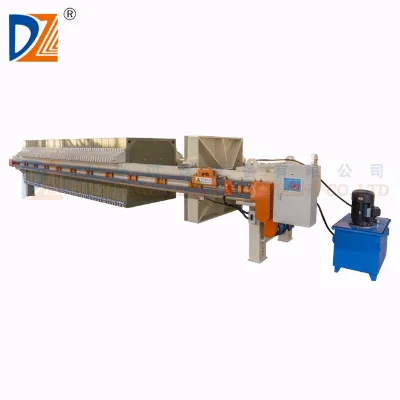

Waste Water Treatment Plant Sludge Thickening Equipment
$5000.00 - $60000.00
MOQ: 1 set
Yixing Pioniere Environmental Protection Equipment Co., Ltd.
Comprehensive Sourcing Guide
Strategic Sourcing Guide for Eco-Friendly Steel Wastewater Treatment Equipment
The global demand for sustainable infrastructure has elevated the profile of eco-friendly steel wastewater treatment equipment within the B2B procurement landscape. Buyers seeking solutions that balance durability, environmental compliance, and operational efficiency must navigate a complex market of manufacturers offering diverse configurations. This guide provides a disciplined framework for sourcing these critical assets, focusing on verified technical attributes, material integrity, and compliance standards derived from current market observations. The objective is to equip procurement professionals with the knowledge to evaluate suppliers and products without relying on unverified marketing claims or speculative data.
Technical Architecture and Treatment Methodologies
Understanding the underlying technology is the first step in selecting the right equipment. The market for steel wastewater treatment systems is characterized by a variety of treatment methods, each suited to specific operational needs. Observed product attributes indicate that suppliers offer Biological Treatment, Physical Treatment, and Combined Treatment methodologies. Biological Treatment relies on microorganisms to degrade organic matter, while Physical Treatment focuses on mechanical separation processes. Combined Treatment systems integrate both approaches to maximize efficiency, often necessary for complex industrial or municipal waste streams.
The application scope for these systems is broad, covering Solid Liquid Separation, Sludge Sedimentation, and Sludge Settling. These processes are critical for ensuring that the final effluent meets regulatory requirements. The equipment is designed to handle Domestic Sewage, Hospital Sewage, and Industrial Waste, making it versatile for Application Scenarios such as Communities, Schools, Factories, Rural Areas, and Hotels. The choice of treatment process—ranging from A2o, Mbbr, Mbr, to SBR—depends heavily on the specific water quality types and the desired effluent standards, which may include Class a, Urban Discharge, or Municipal Reuse criteria. Buyers must align the selected process with their specific flow rate requirements, as the standard configuration is often based on the flow rate rather than a fixed unit size.
Material Composition and Structural Integrity
The core keyword emphasizes "steel," and material selection is paramount for long-term asset performance. The primary materials observed in the market for these units include Carbon Steel, Stainless Steel, and Fiberglass. Carbon Steel is frequently cited as a primary structural component, offering high strength and cost-effectiveness, while Stainless Steel provides superior corrosion resistance, essential for environments with high salinity or aggressive chemical loads. Fiberglass offers an alternative for specific weight or corrosion requirements.
The structural design of the equipment often allows for Above Ground, Underground, or Mobile Installation types. This flexibility is crucial for sites with varying spatial constraints or geological conditions. The dimensions of the units can vary significantly; some specifications list standard sizes such as 6000 * 2300 * 2300 mm, while others emphasize Customizable size according to project needs. This customization capability allows buyers to optimize the footprint of the treatment plant to fit existing infrastructure. The Service Life of these units is a critical metric, with observed data suggesting a potential operational lifespan of up to 30 years, provided that the material selection and maintenance protocols are appropriate for the specific application.
Compliance, Certification, and Regulatory Alignment
In the B2B sector, compliance is not merely a formality but a prerequisite for market entry and operational legality. Buyers must verify that suppliers possess valid certifications that align with international standards. The market data indicates that reputable manufacturers often hold ISO9001 and CE certifications. These certifications validate the quality management systems and safety standards of the production process, ensuring that the equipment meets rigorous engineering and safety benchmarks.
Furthermore, the equipment must adhere to specific effluent standards. The observed standards include Class a, Urban Discharge, and Municipal Reuse. These standards dictate the permissible levels of contaminants in the treated water before it is released into the environment or reused. Buyers should verify that the selected unit is designed to consistently meet the specific regulatory requirements of their local jurisdiction. The operating system, typically a PLC Control Cabinet, plays a vital role in maintaining compliance by automating process controls and monitoring critical parameters. The use of accessories from Internationally Renowned Brands further enhances the reliability of the control systems, reducing the risk of operational failure.
Cost Drivers and Procurement Economics
The total cost of ownership for wastewater treatment equipment is influenced by several factors beyond the initial purchase price. The observed price range in the market spans from 0 to 1,000,000 USD, reflecting the vast diversity in capacity, material quality, and customization levels. High-capacity units with advanced Combined Treatment methods and extensive customization will naturally command higher prices. The Daily Processing Capacity is a primary cost driver, with observed ranges spanning from 10 to 5000m³ Per Day. Larger capacities require more robust materials, larger footprints, and more complex control systems, all of which increase the capital expenditure.
Material costs also play a significant role. The choice between Carbon Steel and Stainless Steel directly impacts the unit price, with Stainless Steel generally being more expensive due to its superior corrosion resistance and longevity. Customization is another major cost factor; while the market offers Standard Exporting Packing and Standard configurations, Customizable Site Sizes and Customized Colors or dimensions will incur additional engineering and manufacturing costs. Buyers should also consider the Voltage requirements, which can be 220V, 380V, or Customized, as non-standard electrical configurations may require additional infrastructure investment.
Supplier Evaluation and Geographic Considerations
When evaluating potential suppliers, geographic origin and logistical capabilities are essential considerations. The primary manufacturing hubs identified in the market are located in Weifang, Shandong, China, and Qingdao, China. These regions are known for their concentration of industrial equipment manufacturers. Buyers should verify the specific origin of the equipment, as "Weifang, China" and "Weifang, Shandong, China" represent specific industrial clusters with distinct supply chain ecosystems.
Supplier evaluation should extend beyond the product specifications to include their ability to provide Customization. The market data confirms that customization is available, but the extent of this capability varies. Buyers must assess whether a supplier can adapt the Site Size, Effluent Standards, and Process configuration to their unique project requirements. Additionally, the Brand reputation, such as "Norson," can serve as an indicator of market presence and reliability, though buyers should conduct independent due diligence rather than relying solely on brand names. The packaging standards, ranging from Standard Export Package to Bag or Container Package, are also indicative of the supplier's attention to logistics and product protection during transit.
Quality Control and Long-Term Procurement Strategy
Ensuring the quality of the equipment requires a robust quality control strategy. Buyers should demand documentation that verifies the material composition, specifically confirming the use of Carbon Steel, Stainless Steel, or Fiberglass as specified. The production standards, such as the ISO9001 certification, should be validated through third-party audits or direct inspection reports. The installation type, whether Above Ground, Underground, or Mobile, must be verified against the site conditions to ensure structural integrity and operational safety.
Long-term procurement considerations involve the maintenance and operational lifecycle of the equipment. The Service Life of 30 years suggests a long-term investment, making the reliability of the Operating System and Accessories critical. The use of PLC Control Cabinets ensures that the system can be monitored and adjusted efficiently, reducing downtime and operational costs. Buyers should also consider the availability of spare parts and the technical support offered by the supplier. The Customization options allow for future scalability, enabling the system to adapt to increased flow rates or changing regulatory standards over time.
Comparative Analysis of Equipment Configurations
To facilitate decision-making, buyers can compare different equipment configurations based on key attributes. The following table summarizes the observed variations in the market, highlighting the trade-offs between standard and customized solutions.
| Attribute | Standard Configuration | Customized Configuration |
|---|---|---|
| Dimensions | Fixed (e.g., 6000 * 2300 * 2300 mm) | Project-specific (Customizable Site Size) |
| Material | Carbon Steel or Standard Mix | Specific Alloy Selection (Stainless/Fiberglass) |
| Treatment Method | Single Method (Bio/Physical) | Combined Treatment (Integrated Systems) |
| Effluent Standard | General (Urban Discharge) | Specific (Class a, Municipal Reuse) |
| Installation | Standard Above Ground | Underground, Mobile, or Site-Specific |
| Packing | Standard Export Package | Container Package or Bag |
| Voltage | 220V/380V | Customerized |
| Process | Standard (A2o, SBR) | Tailored (Mbbr, Mbr, etc.) |
This comparison illustrates that while standard configurations offer a faster procurement timeline, customized solutions provide the flexibility required for complex or unique project requirements. The decision between the two depends on the buyer's specific constraints regarding budget, timeline, and technical performance.
Final Procurement Recommendations
Sourcing eco-friendly steel wastewater treatment equipment requires a meticulous approach that balances technical specifications, regulatory compliance, and economic viability. Buyers must prioritize suppliers who can demonstrate verified certifications like ISO9001 and CE, and who offer transparent material specifications. The ability to customize the equipment to meet specific flow rates and effluent standards is a critical differentiator in the market. By focusing on the long-term service life and operational reliability, buyers can ensure that their investment in wastewater treatment infrastructure delivers sustainable value for decades. The diverse range of available technologies, from Biological to Combined Treatment, offers ample opportunity to find a solution that aligns with the unique needs of Communities, Schools, Factories, and other Application Scenarios.
FAQs
What treatment methods are available for this equipment?
Suppliers offer Biological Treatment, Physical Treatment, and Combined Treatment methods. The specific method depends on the water quality type and required effluent standards for your project.
Which materials are used to construct these wastewater units?
The equipment is constructed from Carbon Steel, Stainless Steel, or Fiberglass. Material selection impacts corrosion resistance and suitability for specific industrial or domestic applications.
Can the equipment be customized for specific project needs?
Yes, customization is available for site size, dimensions, and effluent standards. Buyers can request specific flow rates and installation types like above ground or underground configurations.
What certifications do manufacturers typically hold for this equipment?
Reputable manufacturers often hold ISO9001 and CE certifications. These validate quality management systems and safety standards required for international B2B procurement and regulatory compliance.
How is the daily processing capacity determined for these systems?
Capacity ranges from 10 to 5000 cubic meters per day based on flow rate requirements. The standard configuration is often designed specifically to match the project's daily volume needs.
Where are the primary manufacturing locations for this equipment?
Primary manufacturing hubs are located in Weifang, Shandong, China, and Qingdao, China. Buyers should verify the specific origin to ensure alignment with supply chain logistics.
What is the expected service life of the treatment equipment?
The observed service life is up to 30 years with proper maintenance. Longevity depends on material integrity, such as using stainless steel for corrosive environments.