Source Eco-Friendly Water Resistant Kitchen Cabinets for Apartments, Hotels, and Villas
Source eco-friendly water resistant kitchen cabinets from 30 verified listings. Compare modular designs, material options like plywood and MDF, and hardware features to find the right fit for residential projects, hotels, and apartments.
Key considerations
Products List

Easy to Clean Eco-Friendly Moisture Resistant Cupboard Apartment Kitchen Cabinets
$48.00 - $95.00
MOQ: 5 Square Meters

Eco-Friendly Room Furniture Waterproof Wood Storage Sideboards Cupboard Custom Kitchen Cabinets
$48.00 - $149.00
MOQ: 5 Square Meters


Stylish Modern Kitchen Cabinets with Customizable Designs and Quality
$48.00 - $85.00
MOQ: 3 Square Meters


Luxury Contemporary Eco-Friendly Heat Resistance Custom Modular Kitchen Cabinets
$45.00 - $90.00
MOQ: 1 Square Meters


Modular Eco-Friendly Custom Modular Kitchen Storage Cabinets with Soft Close Drawers
$45.00 - $90.00
MOQ: 1 Square Meters

Scratch Resistant Kitchen Cabinet High Hardness Surface Easy Maintenance
$85.00 - $220.00
MOQ: 1 Square Meters

Minimalist Modern Kitchen Cabinet with Clean Lines and Storage System
$45.00 - $90.00
MOQ: 1 Square Meters

Prima Moisture-Resistant Scratch-Resistant Wear-Resistant Kitchen Cabinet
$1000.00 - $5000.00
MOQ: 1 Sets


Modern White Kitchen Cabinets Waterproof Stainless Steel Kitchen Cabinets
$20.00 - $24.00
MOQ: 20 Square Feet

Waterproof Durable Outdoor Stainless Steel Kitchen Cabinet White Kitchen
$18.00 - $22.00
MOQ: 20 Square Feet

Black Color Outdoor Stainless Steel Kitchen Cabinet with Stove Waterproof Kitchen
$24.00 - $28.00
MOQ: 20 Square Feet


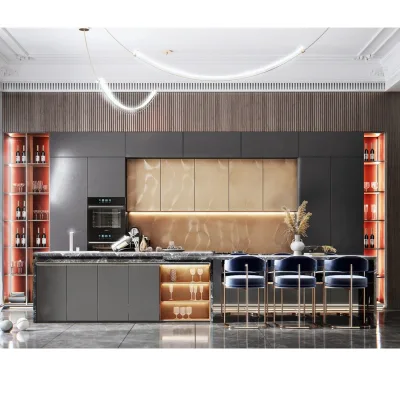
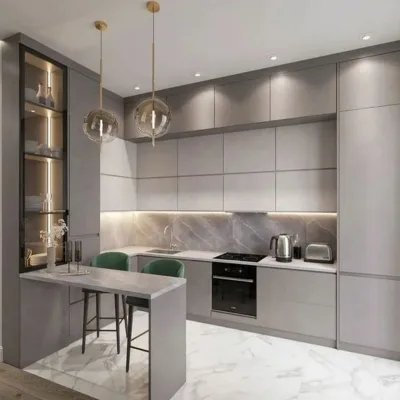


Comprehensive Sourcing Guide
Eco-Friendly Water Resistant Kitchen Cabinets Sourcing Guide
Sourcing eco-friendly water-resistant kitchen cabinets requires a disciplined approach that balances material science, structural integrity, and supply chain transparency. The modern procurement landscape for these units is defined by a shift toward modular designs that prioritize both aesthetic flexibility and functional durability. Buyers must navigate a market where "eco-friendly" and "water-resistant" are not merely marketing terms but measurable attributes tied to specific board grades, surface finishes, and hardware selections. This guide provides a structured framework for evaluating suppliers, verifying technical claims, and establishing commercial terms that protect your investment in high-quality cabinetry.
The following sections detail the critical verification steps necessary for successful procurement. We focus on observed listing signals, technical specifications, compliance documentation, cost drivers, supplier qualification, and long-term maintenance checks. Each section is designed to help you make informed decisions based on factual data and trusted industry knowledge, ensuring that the final product meets your project’s specific environmental and performance requirements.
Product Scope and Observed Listing Signals
The current market for eco-friendly water-resistant kitchen cabinets is characterized by a wide range of product types, including modern modular kitchen cabinets, wooden furniture sets, and specialized storage solutions. Observed listings indicate a strong emphasis on customization, with suppliers offering fully customized dimensions and compartment layouts to suit diverse residential and commercial projects. The product scope extends beyond standard kitchen units to include floor-to-ceiling systems, L-shaped configurations, and corner wardrobes, reflecting a trend toward integrated home solutions. Buyers should note that while the core keyword focuses on kitchen cabinets, the observed data includes related items such as eco-friendly room furniture and waterproof wood storage, suggesting a broader category of moisture-resistant wooden furnishings.
Material options play a pivotal role in defining the product scope, with suppliers offering a variety of substrates including plywood, MDF, particle board, solid wood, and OSB. The observed listings highlight the availability of E0, E1, and ENF board grades, which are critical for meeting eco-friendly standards. Additionally, surface materials such as stainless steel are mentioned in some contexts, indicating a hybrid approach to cabinetry that combines wood-based structures with durable, water-resistant finishes. The presence of sliding, hinged, glass, and open door types further expands the scope, allowing buyers to select configurations that align with their spatial constraints and aesthetic preferences. Understanding these variations is essential for narrowing down supplier options and ensuring that the selected cabinets meet both functional and environmental criteria.
Technical Specifications to Verify
Verifying technical specifications is crucial for ensuring that the cabinets meet the required performance standards, particularly regarding moisture resistance and structural integrity. Buyers should prioritize suppliers who offer soft-close hinges, drawer slides, and hanging rods, as these hardware components significantly enhance the longevity and usability of the cabinets. The door panel finish is another critical specification, with options such as melamine, PVC, lacquer, and wood veneer available. Each finish offers different levels of water resistance and durability, and buyers should select finishes that are appropriate for the intended environment, such as high-humidity areas in kitchens or bathrooms. The structure type, whether modular design, flat pack, or built-in, also impacts installation and maintenance, so buyers should align their choice with their project’s logistical constraints.
Size and layout customization is a key technical aspect, with suppliers offering fully customized dimensions and compartment layouts to fit specific spaces. Buyers should verify that the supplier can accommodate precise measurements and that the modular design allows for easy assembly and adjustment. The board grade, such as E0, E1, or ENF, is a critical indicator of formaldehyde emissions and overall eco-friendliness, and buyers should request documentation to confirm these grades. Additionally, the surface material, whether wood-based or stainless steel, should be evaluated for its resistance to water, stains, and wear. By focusing on these technical specifications, buyers can ensure that the cabinets they procure are not only aesthetically pleasing but also durable and environmentally responsible.
Compliance and Safety Documentation
Compliance and safety documentation are essential for verifying that the cabinets meet environmental and health standards, particularly regarding formaldehyde emissions and material safety. Buyers should request certification documents that confirm the board grade, such as E0, E1, or ENF, and verify that these grades are supported by independent testing. The ISO certification mentioned in some listings is a positive indicator of quality management systems, but buyers should also look for specific environmental certifications, such as FSC, which confirm the sustainable sourcing of wood materials. While FSC is mentioned as a low-confidence background fact, buyers should actively seek out suppliers who can provide verifiable proof of sustainable forestry practices.
In addition to environmental certifications, buyers should ensure that the cabinets comply with local building codes and safety regulations, particularly regarding fire resistance and structural stability. The use of eco-friendly materials does not automatically guarantee compliance with all safety standards, so buyers should request detailed product data sheets that outline the chemical composition and safety profiles of the materials used. Documentation should also include information on the manufacturing process, particularly regarding the use of adhesives and finishes, to ensure that no harmful substances are released during or after installation. By prioritizing comprehensive compliance documentation, buyers can mitigate risks associated with health hazards and regulatory non-compliance.
Cost Drivers and Commercial Terms
Cost drivers for eco-friendly water-resistant kitchen cabinets include material selection, customization level, hardware quality, and packaging requirements. The choice of board grade, such as E0 or ENF, significantly impacts the base cost, as higher grades with lower formaldehyde emissions are more expensive. Similarly, the selection of surface finishes, such as PVC or lacquer, and hardware components, such as soft-close hinges, adds to the overall cost. Buyers should also consider the impact of customization on pricing, as fully customized dimensions and layouts often incur higher manufacturing and logistics costs compared to standard sizes. Understanding these cost drivers allows buyers to make informed trade-offs between budget constraints and performance requirements.
Commercial terms, including MOQ, lead times, and payment conditions, are critical factors in the procurement process. Observed listings indicate a wide range of MOQs, from 1 to 20 units, suggesting that suppliers are flexible in accommodating small and large orders. However, buyers should verify these terms directly with suppliers, as they can vary significantly based on production capacity and material availability. Lead times are also a key consideration, particularly for customized orders, and buyers should establish clear timelines to avoid project delays. Payment terms, such as deposits and balance payments, should be negotiated to ensure financial protection and alignment with delivery schedules. By carefully managing these commercial terms, buyers can optimize their procurement strategy and minimize financial risks.
Supplier Qualification and Quality Control
Supplier qualification is a critical step in ensuring that the cabinets meet the required quality and performance standards. Buyers should conduct thorough due diligence on potential suppliers, verifying their manufacturing capabilities, quality control processes, and track record in producing eco-friendly and water-resistant cabinets. This includes assessing their ability to handle customized orders and their commitment to using sustainable materials. Buyers should also request samples or visit facilities if possible, to evaluate the quality of materials, finishes, and hardware firsthand. The presence of ISO certification is a positive indicator, but buyers should also look for evidence of rigorous internal quality control measures, such as regular inspections and testing protocols.
Quality control should extend beyond the initial production phase to include pre-shipment inspections and post-delivery support. Buyers should establish clear quality acceptance criteria, including checks for dimensional accuracy, surface finish quality, and hardware functionality. It is also important to verify that the packaging, such as carton, foam, and wooden box, is designed to protect the cabinets during transit and prevent damage. Buyers should request detailed inspection reports and photos before shipment to ensure that the products meet the agreed-upon standards. By implementing robust supplier qualification and quality control processes, buyers can minimize the risk of receiving substandard products and ensure long-term satisfaction with their procurement.
Long-Term Procurement Checks
Long-term procurement checks are essential for maintaining the performance and appearance of eco-friendly water-resistant kitchen cabinets over time. Buyers should establish a maintenance plan that includes regular cleaning and inspection of the cabinets, particularly focusing on the joints, hinges, and drawer slides. The use of appropriate cleaning agents is crucial to avoid damaging the surface finish, and buyers should consult with suppliers for recommended care instructions. Additionally, buyers should monitor the cabinets for signs of wear, such as swelling, warping, or discoloration, which can indicate issues with moisture resistance or material quality. Addressing these issues promptly can prevent further damage and extend the lifespan of the cabinets.
Furthermore, buyers should maintain open communication with their suppliers for ongoing support and potential future orders. This includes keeping records of product specifications, certifications, and warranty terms, which can be valuable for troubleshooting issues or making additional purchases. Buyers should also stay informed about advancements in eco-friendly materials and technologies, as these can offer improved performance and sustainability benefits. By implementing long-term procurement checks and maintaining a proactive approach to maintenance and supplier relationships, buyers can ensure that their investment in eco-friendly water-resistant kitchen cabinets continues to deliver value and performance over time.
FAQs
Can I customize the dimensions and layout of these cabinets?
Yes, fully customized dimensions and compartment layouts are available for these kitchen cabinets. The product supports modular design and flat pack options to fit specific apartment, hotel, or villa project requirements without standard size constraints.
What materials are used to make these eco-friendly cabinets?
These cabinets are constructed from plywood, MDF, particle board, solid wood, or OSB options. Board grades such as E0, E1, or Enf are available to ensure moisture resistance and compliance with eco-friendly standards for residential use.
Which door types and finishes are offered for these units?
You can choose from sliding, hinged, glass, or open door types with various finishes. Panel finishes include melamine, PVC, lacquer, or wood veneer to match modern design preferences while maintaining durability in kitchen environments.
How are these kitchen cabinets packaged for international shipping?
The products are packed in cartons with foam protection and wooden boxes for safety. This packaging method ensures the modular or flat pack units arrive undamaged during transit from the manufacturing origin to the destination.
What hardware features are included in these cabinet systems?
Soft-close hinges and drawer slides are standard hardware features included in these units. Some configurations may also include hanging rods to enhance functionality for storage needs in modern kitchen furniture setups.
Are these cabinets suitable for apartment and hotel applications?
Yes, these cabinets are designed for applications in apartments, hotels, villas, and residential projects. Their modular design and customizable layouts make them versatile solutions for various commercial and private interior design requirements.