Source Electric Commercial Seafood Steam Cabinet for Hotels Restaurants Canteens
Compare 30 Electric Commercial Seafood Steam Cabinet models from Binzhou and China. These units feature stainless steel housing, coil heating elements, and overheat protection for hotel, restaurant, and canteen use.
Key considerations
Products List


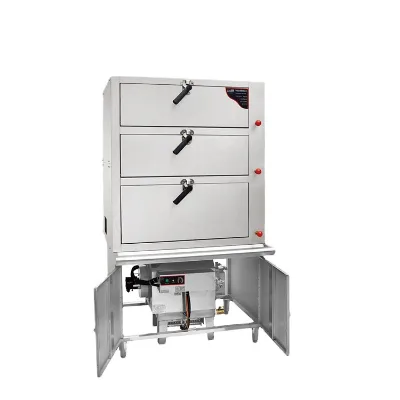
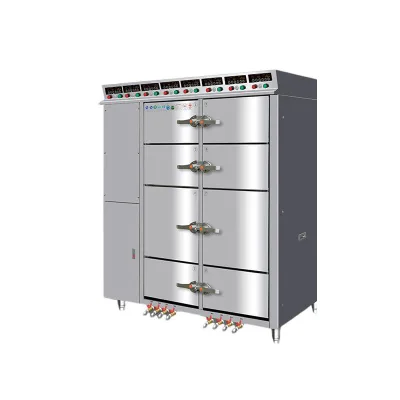


Commercial Stainless Steel Seafood Steamer Cabinet for Restaurant Kitchen
$599.00 - $1399.00
MOQ: 1 Pieces


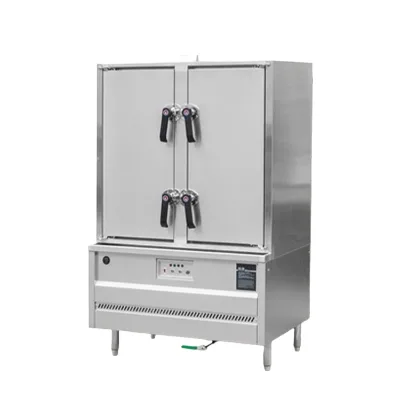
XY Best Commercial Two-Door Gas Steam Cabinet Ideal for Seafood Steaming
$3500.00 - $3689.00
MOQ: 1 pieces
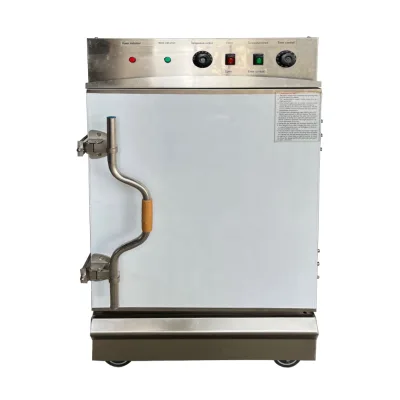

Commercial Large Capacity Electric Food Steamer Cabinet for Rice Vegetable Seafood
$230.00 - $260.00
MOQ: 1 Pieces
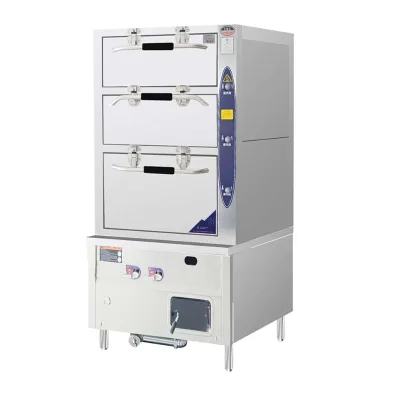
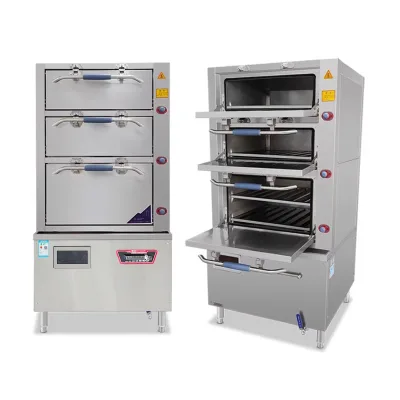
3-Door Steam Seafood Cabinet 800L 12kW, NSF Certified for Buffet with Humidity Control
$1075.00 - $1116.00
MOQ: 3 Minimum

Comprehensive Sourcing Guide
Strategic Sourcing Guide for Electric Commercial Seafood Steam Cabinets
Understanding Technical Specifications and Operational Capabilities
When sourcing an Electric Commercial Seafood Steam Cabinet, buyers must first navigate the diverse technical landscape presented in the market. The core functionality of these units relies heavily on the heating element configuration and power delivery systems. Based on observed product data, the industry standard for the heating element is the coil type, which provides direct and efficient heat transfer to the steam generation chamber. This configuration is critical for maintaining the consistent humidity levels required to steam seafood without drying out the product.
Power consumption is a primary variable that dictates both operational costs and electrical infrastructure requirements. The observed power ratings for these units vary significantly, ranging from 1000-2000W for smaller or specialized models up to 25kW and 27kW for heavy-duty commercial applications. A 25kW or 27kW unit typically operates on a 380V voltage supply, which is standard for industrial three-phase power in many regions. Buyers must verify the specific voltage requirements of their facility before procurement, as a mismatch can lead to equipment failure or safety hazards.
The physical dimensions and structural design are equally important for kitchen integration. Standardized dimensions observed in the market include a footprint of approximately 1100mm in width and 900mm in depth, with a height of 1850mm. Other models may present slightly different profiles, such as 590mm by 530mm by 1450mm, or 900mm by 900mm by 1850mm. The housing is predominantly constructed from stainless steel, a material chosen for its durability, corrosion resistance, and ease of cleaning in high-moisture environments. The internal structure often features a multi-layer stackable design, allowing operators to steam multiple batches simultaneously. Some configurations support one or three layers operating at the same time, providing flexibility for varying order volumes.
Control mechanisms also vary between models. While some units utilize a slide touch interface for a modern, hygienic operation, others rely on traditional button controls. The presence or absence of a timing device is another critical specification; some models come equipped with a timing device for automated cycles, while others require manual monitoring. The handle design is another safety consideration, with anti-skid and anti-scald handles being a standard feature to protect kitchen staff during high-temperature operations.
Compliance, Certification, and Safety Standards
In the commercial food service sector, compliance with safety and quality standards is non-negotiable. Buyers must prioritize units that carry recognized certifications to ensure the equipment meets international safety benchmarks. The Global Safety (GS) certification is a prominent standard observed in the product data, indicating that the electrical components and overall design have undergone rigorous testing for user safety. This certification is particularly relevant for equipment operating at high voltages like 380V.
Beyond general electrical safety, the protection configuration of the steam cabinet is vital for preventing accidents and equipment damage. High-confidence observations indicate that reliable units include overheat protection and water shortage protection mechanisms. Overheat protection prevents the heating elements from reaching temperatures that could cause fire or damage the unit's internal components. Water shortage protection is essential for steamers, as operating the heating element without sufficient water can lead to immediate failure and potential safety risks.
The structural standards for these units often reference specific dimensional tolerances. For instance, a standard size of 11009001850mm is frequently cited, suggesting a uniformity in design that facilitates installation in standard commercial kitchens. However, buyers should also be aware that customization is available for certain models, allowing for specific dimensional adjustments to fit unique kitchen layouts. When evaluating a supplier, request documentation proving that the specific model matches the stated standards and certifications. Do not rely on verbal assurances; written verification of the GS certification and protection system functionality is required.
Cost Drivers and Pricing Dynamics
The pricing of electric commercial seafood steam cabinets is influenced by a complex interplay of factors, including power rating, material quality, and feature sets. The observed price range in the market spans from $230 to $3,689 USD. This wide variance reflects the difference between basic, lower-power units and high-capacity, industrial-grade systems with advanced features.
The primary cost driver is the power output. Units rated at 25kW or 27kW command a significantly higher price point compared to those in the 1000-2000W range. This is due to the increased material costs for heavier-duty heating coils, more robust electrical components, and larger stainless steel housings capable of withstanding higher thermal loads. Additionally, the complexity of the control system affects pricing. Models featuring slide touch interfaces and integrated timing devices are generally more expensive than those with simple button controls and manual operation.
Packaging and logistics also contribute to the final cost. The observed product data indicates that units are shipped in wooden packaging, export cartons, or plywood cases. The choice of packaging material impacts the shipping weight and volume, which in turn affects freight costs. For buyers sourcing from international locations, such as Binzhou or other regions in China, understanding the packaging requirements is essential for budgeting. Furthermore, the Minimum Order Quantity (MOQ) can influence the unit price. The observed MOQ range is between 1 and 400 units. Buyers purchasing a single unit may face a higher per-unit cost compared to those placing bulk orders, although the specific pricing tiers are not explicitly detailed in the general data.
Typical Applications and Operational Scenarios
Electric commercial seafood steam cabinets are designed for high-volume food preparation environments where consistency and speed are paramount. The primary applicable scenarios identified include hotels, restaurants, canteens, and seafood markets. In a hotel setting, these units are essential for breakfast buffets and banquet services where large quantities of seafood need to be steamed quickly and efficiently. The energy-saving and high-efficiency advantages of these units make them particularly suitable for establishments with tight operational margins.
Seafood markets utilize these cabinets to prepare fresh catches for immediate consumption or display. The ability to steam seafood on-site enhances the freshness and appeal of the product, directly influencing customer satisfaction. In canteens, such as those found in schools or corporate campuses, the multi-layer stackable design allows for the simultaneous cooking of large batches, ensuring that food is ready for service during peak hours.
The versatility of these units extends beyond seafood. Some models are specifically noted for their use in baking bread or as electric cake stalls, indicating a dual-purpose capability in certain configurations. The 1.2cm face frame, 0.9cm laminate, and 1.0cm side panels observed in some specifications suggest a robust construction capable of withstanding the rigors of a busy commercial kitchen. The "Without Reservation" function noted in some models implies that these units are designed for immediate, on-demand operation rather than scheduled pre-cooking, which aligns with the fast-paced nature of restaurant and market environments.
Supplier Evaluation and Origin Verification
When selecting a supplier for electric commercial seafood steam cabinets, buyers must conduct a thorough evaluation of the manufacturer's capabilities and location. The product data indicates that the origin of these units is often Binzhou, China, or generally categorized as "China." While this provides a geographical baseline, buyers should verify the specific factory location to ensure it aligns with their logistics and quality expectations.
Supplier evaluation should focus on the ability to meet customization needs. The market data shows that some models offer customizable standards and dimensions, while others are non-customized. Buyers with specific kitchen layout constraints should prioritize suppliers who explicitly state that customization is available. Additionally, the production model numbers, such as ljt-651, ljt-646, ljt-648, ljt-422, and SY-SFS5, serve as unique identifiers. Buyers should request detailed datasheets for these specific model numbers to confirm that the features match their requirements.
It is crucial to avoid suppliers who cannot provide clear documentation regarding the product's origin and manufacturing standards. The presence of a "Customized" attribute in some listings suggests that the supplier has the flexibility to alter the product, but this must be verified through direct communication. Buyers should also inquire about the lead times associated with customized orders, as these will typically be longer than those for standard inventory items.
Quality Control and Long-Term Procurement Considerations
Ensuring the long-term reliability of electric commercial seafood steam cabinets requires a proactive approach to quality control. Buyers should implement a rigorous inspection protocol that includes verifying the stainless steel housing for defects, checking the integrity of the coil heating elements, and testing the safety protection systems. The "Energy-Saving" and "Easy Cleaning" advantages listed in the product attributes are significant for long-term operational efficiency. Buyers should inspect the interior surfaces to ensure they are smooth and free of crevices where food residue could accumulate, which would compromise hygiene and increase cleaning time.
The packaging method, whether wooden, plywood cases, or export cartons, plays a role in the product's condition upon arrival. Proper packaging protects the unit from damage during transit, which is especially important for heavy equipment like 25kW steamers. Buyers should verify that the packaging is sufficient to prevent shifting or impact damage during shipping.
For long-term procurement, buyers should consider the availability of spare parts and the ease of maintenance. Units with standard components like coil heating elements and anti-skid handles are generally easier to maintain. However, the complexity of the control system, such as slide touch interfaces, may require specialized technical support. Establishing a relationship with a supplier who offers reliable after-sales support is essential. Buyers should also consider the scalability of their procurement strategy; if the business plans to expand, selecting a supplier with a high MOQ capacity (up to 400 units) may be beneficial for future bulk orders.
Comparative Analysis of Key Product Attributes
To assist in the decision-making process, the following table summarizes the key attributes observed across different product models. This comparison highlights the variability in specifications that buyers must account for when selecting the right unit for their specific needs.
| Attribute | Observation Range / Specific Values | Implication for Buyer |
|---|---|---|
| Heating Element | Coil | Standard for efficient heat transfer; verify coil material quality. |
| Housing Material | Stainless Steel | Essential for corrosion resistance and hygiene in wet environments. |
| Power Rating | 1000-2000W, 25kW, 27kW | Determines electrical infrastructure needs and energy costs. |
| Voltage | 380V (for high power) | Requires three-phase power; verify facility compatibility. |
| Control Method | Slide Touch, Button Control | Affects user interface preference and maintenance complexity. |
| Timing Device | With or Without | Impacts automation level; manual operation requires staff training. |
| Dimensions | 1100×900×1850mm, 590×530×1450mm | Must match kitchen layout and doorways for installation. |
| Protection | Overheat, Water Shortage | Critical safety features; must be verified as functional. |
| Packaging | Wooden, Export Carton, Plywood | Affects shipping cost and protection during transit. |
| Certification | GS | Indicates compliance with safety standards; request proof. |
| Customization | Available or Non-Customized | Determines flexibility for specific dimensional requirements. |
By carefully analyzing these attributes and understanding the underlying technical and operational requirements, buyers can make informed decisions that align with their specific commercial needs. The diversity in the market offers solutions for various scales of operation, from small seafood markets to large hotel kitchens, provided that the selection process is grounded in verified facts and rigorous quality checks.
FAQs
What certifications do these steam cabinets have?
The units carry the GS certification, indicating they meet rigorous global safety standards for electrical components. This certification is essential for equipment operating at high voltages like 380V in commercial kitchens.
How is the heating element configured in these units?
The industry standard configuration uses a coil heating element for direct and efficient heat transfer. This setup maintains consistent humidity levels required to steam seafood without drying out the product during operation.
What power ratings are available for these steamers?
Power ratings vary from 1000-2000W for smaller models up to 25kW and 27kW for heavy-duty applications. Higher power units typically require a 380V three-phase voltage supply for industrial operation.
Which safety protections are included in the design?
Reliable units include overheat protection and water shortage protection mechanisms to prevent accidents and equipment damage. These features ensure the heating elements do not fail when operating without sufficient water or at excessive temperatures.
Can buyers request custom dimensions for these cabinets?
Customization is available for certain models, allowing for specific dimensional adjustments to fit unique kitchen layouts. However, some models are non-customized and adhere to standard sizes like 1100x900x1850mm.
What packaging methods are used for shipping these units?
Units are shipped in wooden packaging, export cartons, or plywood cases to protect them during transit. The choice of packaging material impacts shipping weight and volume, which affects overall logistics costs.