Source Electric Forklift Bearing Sensor for Motor, Sensor, and Speed Applications
Find and compare 30 Electric Forklift Bearing Sensor options for motor control, AC motor sensing, and speed monitoring. Evaluate specifications like inner diameter, model codes, and packaging to select the right component for your machinery repair or manufacturing needs.
Key considerations
Products List


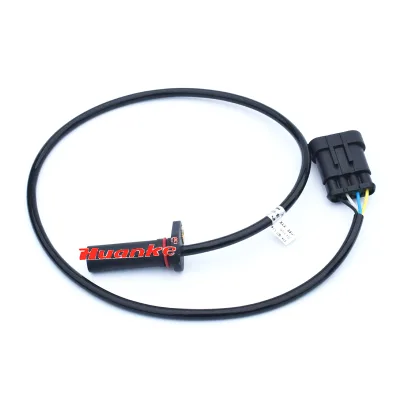
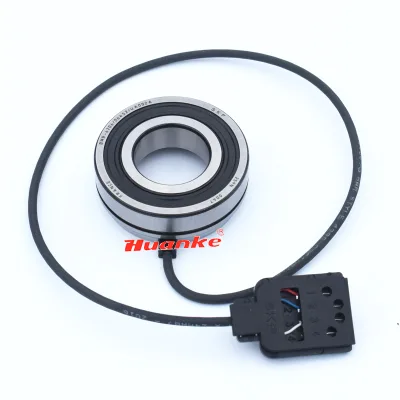


Electric Forklift Parts Steering Speed Sensor for Part Number 58810-13440-71
$16.00 - $18.00
MOQ: 10 Pieces

Electric Forklift Parts Sensor Potentiometer for Part Number 50023604702
$16.00 - $18.00
MOQ: 10 Pieces


Comprehensive Sourcing Guide
Electric Forklift Bearing Sensor Sourcing Guide
Sourcing replacement components for industrial material handling equipment requires a disciplined approach to technical verification and supplier qualification. The Electric Forklift Bearing Sensor is a critical electromechanical component that provides real-time feedback on rotational speed and position, ensuring precise motor control and operational safety. Procurement teams must navigate a market characterized by diverse model numbers, varying pin configurations, and specific application requirements to avoid costly downtime or compatibility errors. This guide outlines the essential steps for identifying, verifying, and procuring these sensors based on observed market data and standard industry practices.
The complexity of the supply chain for these components is evident in the wide range of product attributes available to buyers. Listings often feature variations in inner and outer diameters, wire counts, and connector types, which directly impact compatibility with existing forklift architectures. Buyers must prioritize accurate identification of their existing unit’s specifications before initiating any purchase order. Relying on generic descriptions without cross-referencing specific model codes or physical dimensions can lead to the acquisition of non-functional parts, disrupting maintenance schedules and increasing total cost of ownership.
Product Scope and Observed Listing Signals
The current market for electric forklift bearing sensors displays a broad spectrum of product types, ranging from standard AC motor sensors to specialized encoder units. Observed listings indicate that these components are frequently categorized under broader headings such as "Motor" or "Encoder," reflecting their integral role in the drive system. Buyers should expect to encounter products with specific model identifiers, such as BMB-6202/032s2/Ua002A or Bmd-6206, which serve as primary keys for compatibility checks. The presence of customization options in some listings suggests that while many units are standard replacements, specialized configurations may be available for unique or legacy machinery.
Physical specifications observed in the market highlight the importance of dimensional accuracy in sensor selection. Common attributes include an inner diameter of 15mm and an outer diameter of 35mm, alongside size variations such as 45mm for specific bearing sensor applications. The packaging and weight of these components are also notable, with many items shipped in carton boxes or wooden crates, weighing approximately 0.1kg to 0.3kg. These logistical details are crucial for planning inventory storage and handling procedures, particularly when sourcing from international suppliers where shipping costs and packaging standards can vary significantly.
Technical Specifications to Verify
Verifying the electrical and mechanical interface of the sensor is the most critical step in the procurement process. Buyers must confirm the pin configuration, as observed listings include models with 4-pin plugs and 10-wire leads designed for lead-acid or specific motor types. The model number is the primary reference point, but it must be cross-referenced with the physical dimensions and connector type to ensure a perfect fit. For instance, a sensor labeled as a "45mm Motor Bearing Sensor with 4 Pins Plug" serves a distinct function compared to a standard encoder, and confusing these specifications can result in immediate installation failure.
Compatibility with the forklift’s control system is another vital technical consideration. Many sensors are designed specifically for AC motors and may be paired with controllers from manufacturers like Italy Zapi or USA Curtis. Buyers should verify that the sensor’s output signal matches the input requirements of the forklift’s drive controller. Additionally, the condition of the part, whether new or refurbished, must be explicitly confirmed. While most listings indicate "New" condition, the presence of customized standards or specific codes like a.E.05.02.6202A1 suggests that buyers should request detailed technical datasheets to validate signal integrity and voltage ratings.
Compliance and Safety Documentation
While specific certification statuses can vary by supplier, buyers should always request documentation that confirms the component meets relevant safety and quality standards. In the context of industrial machinery, compliance with international standards such as CE or EN 1175 is often a baseline requirement for equipment operating in regulated markets. Procurement teams should verify that the supplier can provide test reports or inspection videos, as some listings indicate that video outgoing-inspections are provided. This visual verification can help confirm the physical condition of the sensor and the quality of the packaging before shipment.
Documentation should also include clear identification of the product’s origin and manufacturing standards. Many sensors are sourced from China, with specific origins noted as Qingdao, which may influence logistics and lead times. Buyers must ensure that the supplier provides accurate product names and model numbers that align with the forklift’s maintenance manual. The absence of standardized certification marks in some listings does not imply non-compliance, but it does place a higher burden on the buyer to verify the component’s reliability through other means, such as supplier reputation and detailed product descriptions.
Cost Drivers and Commercial Terms
The price range for electric forklift bearing sensors is highly variable, reflecting differences in technology, brand, and customization levels. Observed market data shows prices ranging from low-cost standard units to high-end specialized sensors, with some listings indicating values up to $11,000 for complete assemblies or complex systems. For individual sensors, prices are typically lower, but buyers should be aware that the minimum order quantity (MOQ) can range from 1 to 200 units, affecting the unit cost through economies of scale. Understanding these commercial terms is essential for budgeting and negotiating favorable pricing structures.
Lead times and delivery conditions are significant factors in the total cost of ownership. Some suppliers offer rapid delivery times of 1 to 3 days, which is crucial for minimizing downtime in busy warehouse operations. However, these expedited services may come at a premium. Buyers should also consider the packaging requirements, as items shipped in wooden boxes or specialized carton boxes may incur additional handling fees. Negotiating clear terms regarding shipping responsibilities, insurance, and return policies for defective units can mitigate financial risks associated with international procurement.
Supplier Qualification and Quality Control
Evaluating supplier reliability is paramount when sourcing critical forklift components. Buyers should prioritize suppliers who provide comprehensive product information, including detailed specifications, application industries, and brand names such as HUANKE. The availability of video outgoing-inspections is a strong indicator of a supplier’s commitment to quality control, allowing buyers to verify the product’s condition before payment. Additionally, suppliers who offer customization services may demonstrate greater technical capability and flexibility, which can be beneficial for unique or hard-to-find parts.
Quality control processes should extend beyond the initial purchase to include post-delivery verification. Buyers should establish clear acceptance criteria based on the technical specifications provided by the supplier. This includes checking the physical dimensions, pin configurations, and overall build quality upon receipt. Suppliers who operate in established industrial hubs like Qingdao may have more mature supply chains, but buyers should still conduct due diligence on their track record for delivering consistent quality. Establishing a long-term relationship with a qualified supplier can lead to better pricing, priority support, and improved access to technical assistance.
Long-Term Procurement Checks
Maintaining a robust procurement strategy for electric forklift bearing sensors requires ongoing monitoring of market trends and supplier performance. Buyers should regularly review their inventory levels and usage rates to anticipate future needs and avoid stockouts. Keeping a database of compatible part numbers and supplier contacts can streamline the reordering process and reduce lead times during critical maintenance windows. Additionally, staying informed about technological advancements in sensor technology can help buyers identify opportunities for upgrading to more efficient or reliable components.
Continuous improvement in the procurement process involves gathering feedback from maintenance teams regarding the performance and durability of installed sensors. This operational feedback can inform future purchasing decisions, helping buyers distinguish between high-quality components and those that may fail prematurely. By integrating technical verification, supplier qualification, and cost analysis into a cohesive strategy, procurement teams can ensure the reliable operation of electric forklifts while optimizing total cost of ownership. Regular audits of supplier performance and product quality will further enhance the resilience of the supply chain.
FAQs
What is the inner diameter of the encoder motor bearing sensor?
The inner diameter of the encoder motor bearing sensor is 15mm. This specification applies to the Bmb-6202/032s2/Ua002A model which features an outer diameter of 35mm and is designed for electric forklift applications.
Can I find electric forklift bearing sensors with customization options?
Yes, customization is available for certain electric forklift bearing sensors. While some models like the 45mm Motor Bearing Sensor are non-customized, other variants in the product line offer customization to meet specific operational requirements.
Which model number corresponds to the BMB-6202 series sensor?
The model number corresponding to the BMB-6202 series sensor is Bmb-6202/032s2/Ua002A. This specific unit is identified by code a.E.05.02.6202A1 and is packaged in a standard carton box for shipping.
How long is the delivery time for these electric forklift sensors?
The delivery time for these electric forklift sensors is typically 1 to 3 days. This rapid turnaround applies to the standard stock items available from the supplier located in Qingdao, China.
What is the weight of the AC motor sensor for forklifts?
The weight of the AC motor sensor for forklifts is 0.1kg. This lightweight component is designed for electric forklifts and is often packaged in a carton box to ensure safe transport during delivery.
Which standard applies to the BMB-6208/080S2/UB008A model?
The standard that applies to the BMB-6208/080S2/UB008A model is BMB-6208/080S2/UB008A. This specification defines the technical requirements for the sensor used in machinery repair shops and manufacturing plants.
What is the lead time for sourcing these sensors from China?
The lead time for sourcing these sensors from China is 1 to 3 days. Products originate from Qingdao, China, and are available for immediate dispatch to buyers requiring electric forklift bearing sensors.