Source Electric Four-wheel Vehicle for Cargo, Passenger, and Delivery
Find 30 Electric Four-wheel Vehicle options for cargo, passenger, and delivery needs. Compare specs like 60V/72V voltage, steel frames, and EPA/CE certifications to select the right mobility solution for your business; compare the available evidence and request quotations based on your requirements.
Key considerations
Products List


3-Wheel Electric Vehicle New Energy Electric Three-Wheel Vehicle Electric Car
$528.00 - $568.00
MOQ: 1 Pieces


40km Battery Endurance Electric Four-Wheel Vehicle with Electronic Brake
$400.00 - $420.00
MOQ: 1 Pieces


$1700.00 - $1800.00
MOQ: 1 Pieces

New Design Electric Vehicle Four Wheeler Scooter Vehicle with Four Seats
$709.00 - $759.00
MOQ: 10 Pieces

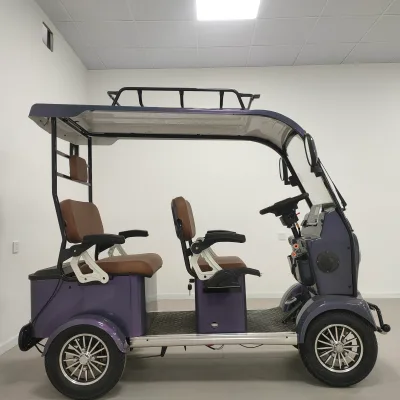
Factory Direct Sales 1200W Electric Four-wheel Vehicle with Overhead Light
$719.11 - $731.30
MOQ: 10 pieces


Comprehensive Sourcing Guide
Electric Four-wheel Vehicle Sourcing Guide
The market for electric four-wheel vehicles presents a distinct category of mobility solutions, primarily observed as electric tricycles with specific configurations rather than traditional four-wheeled passenger cars. Buyers must carefully distinguish between listed models described as "electric mobility" units and those explicitly labeled as four-wheel variants, as the data indicates a prevalence of three-wheel designs with cargo and passenger capabilities. This distinction is critical because the observed product attributes often describe closed-body structures or open frames that may not align with standard automotive expectations for four-wheel stability.
Procurement strategies should focus on verifying the actual wheel count and structural integrity of the listed inventory, as the term "four wheel" in some listings may refer to specific axle configurations or be a misclassification for robust three-wheel cargo units. Sourcing teams need to scrutinize the "prod_model" and "Body Type" fields to ensure the vehicle meets the intended operational requirements, particularly for applications requiring enclosed cabins or specific cargo loading capacities. Misinterpreting these specifications can lead to significant operational mismatches in fleet deployment.
Product Scope and Observed Listing Signals
Buyers should expect a diverse range of powertrain options, with observed listings featuring both electric and internal combustion engines, including gas and diesel variants. The data reveals a mix of power outputs ranging from 351-500W for electric models to over 1000W for heavier duty units, alongside specific voltage requirements of 60V or 72V. This variability necessitates a clear definition of the intended use case, whether it is for light urban passenger transport or heavy cargo hauling, as the power and battery specifications directly correlate with the vehicle's operational range and load-bearing potential.
The physical dimensions and packaging methods observed in the market provide further insight into the logistical considerations for procurement. Listings indicate standard dimensions around 2760mm by 1500mm or larger configurations like 3250mm, with packaging ranging from simple cartons to steel frames and CKD/SKD formats. These factors influence the total landed cost and the required storage infrastructure at the destination, making it essential for buyers to align the physical specifications of the vehicle with their available transport and storage capabilities before finalizing any purchase order.
Technical Specifications to Verify
Verification of the battery and voltage systems is paramount, as the observed data highlights a reliance on lead-acid batteries with specific voltage ratings of 60V or 72V. Buyers must confirm the actual capacity and cycle life of these batteries, as the listed specifications do not always guarantee long-term performance under heavy load conditions. Additionally, the presence of both electric and fuel-powered models in the same search results requires strict filtering to ensure the selected unit matches the desired energy source and maintenance profile for the specific application.
The structural and transmission details also require rigorous validation, particularly regarding the wheelbase and tire specifications. Observed listings mention wheel distances exceeding 1110mm and tire sizes such as 10-inch or specific steel wheel dimensions like 25x8-12, which directly impact vehicle stability and terrain adaptability. Furthermore, the transmission systems vary from chain drives to automatic CVT setups, and buyers must ensure the selected transmission type aligns with the operational environment and the required driving dynamics for their specific fleet needs.
Compliance and Safety Documentation
Navigating the certification landscape for these vehicles requires careful attention to the specific regulatory bodies applicable to the target market. The observed listings include a wide array of certifications such as EPA, DOT, CCC, CE, ISO 9001, and RoHS, indicating that manufacturers may offer compliance for multiple jurisdictions. However, buyers must verify that the specific unit being purchased holds the valid, current certification for the country of import, as the presence of a certification label does not automatically guarantee that the specific batch meets local safety and environmental standards.
Safety documentation should extend beyond basic certifications to include detailed testing reports for braking systems and structural integrity. The data indicates the use of disc brakes and various shock absorption systems, but buyers should request independent test results to confirm the effectiveness of these components under real-world conditions. Ensuring that the vehicle meets the required safety standards for speed, braking distance, and structural stability is essential to mitigate liability risks and ensure the safety of both the operator and any passengers or cargo being transported.
Cost Drivers and Commercial Terms
The pricing structure for these vehicles is highly variable, with observed ranges spanning from 71 to 4800 USD, driven by differences in power output, battery capacity, and structural complexity. Buyers must analyze the cost drivers carefully, as the lower price points often correspond to basic models with lead-acid batteries and simpler frames, while higher prices may reflect advanced features like liquid cooling, electronic fuel injection, or larger cargo capacities. Understanding these cost differentials is crucial for budgeting and ensuring that the selected vehicle offers the best value for the specific operational requirements.
Commercial terms, including Minimum Order Quantity (MOQ) and lead times, are significant factors in the procurement process. The observed MOQ ranges from 1 to 122 units, offering flexibility for small-scale buyers while potentially requiring larger commitments for bulk discounts. Additionally, the origin of the products, primarily from China, specifically Jiangsu and Jinagsu, influences shipping costs and delivery timelines. Buyers should negotiate clear terms regarding payment schedules, shipping responsibilities, and warranty coverage to manage financial risks and ensure a smooth supply chain operation.
Supplier Qualification and Quality Control
Evaluating supplier qualifications involves a deep dive into their manufacturing capabilities and quality assurance processes, particularly given the diverse range of product attributes observed. Buyers should verify the supplier's ability to produce consistent quality across different models, especially when dealing with complex specifications like custom colors, varied body types, and different powertrain configurations. The presence of multiple certifications suggests a level of compliance, but on-site audits or third-party inspections are necessary to confirm that the manufacturing processes consistently meet the required standards.
Quality control measures must be established to address the variability in product attributes such as frame materials, tire sizes, and battery types. Since the data shows a mix of steel frames, iron frames, and different packing methods, buyers should implement strict incoming inspection protocols to ensure that the delivered goods match the agreed-upon specifications. This includes verifying the structural integrity of the frame, the performance of the braking systems, and the reliability of the electrical components to prevent costly failures and ensure long-term operational efficiency.
Long-Term Procurement Checks
Sustainable procurement requires establishing a framework for long-term performance monitoring and maintenance support. Buyers should prioritize suppliers who offer comprehensive after-sales service, including the availability of spare parts for critical components like batteries, tires, and transmission systems. The observed data indicates a mix of new condition vehicles with various power outputs, making it essential to have a clear plan for ongoing maintenance and potential upgrades to ensure the fleet remains operational and efficient over time.
Regular performance reviews and feedback loops are necessary to adapt procurement strategies to changing market conditions and operational needs. Buyers should track key performance indicators such as battery life, maintenance costs, and vehicle downtime to identify any recurring issues or areas for improvement. By maintaining a proactive approach to supplier management and continuously evaluating the performance of the electric four-wheel vehicles, organizations can optimize their fleet operations and ensure a reliable supply of high-quality mobility solutions.
FAQs
What certifications are available for electric four wheel vehicles?
Electric four wheel vehicles typically carry EPA, DOT, CCC, CE, ISO 9001, and RoHS certifications. These standards ensure compliance with safety and environmental regulations in various international markets. Buyers should verify specific certification requirements for their target region before placing orders to ensure smooth customs clearance and legal operation.
Can electric four wheel vehicles be customized for specific needs?
Yes, customization is available for electric four wheel vehicles. Buyers can often select custom colors, modify body types, and adjust specifications like tire size or voltage. This flexibility allows businesses to tailor the vehicles for specific cargo or passenger usage, ensuring the final product meets exact operational requirements and branding guidelines.
What is the typical voltage and power range for these vehicles?
Electric four wheel vehicles commonly operate on 60V or 72V systems. Power outputs generally range from 351-500W for lighter models to over 1000W for heavier cargo variants. Higher voltage and power configurations support greater load capacities and speeds, making them suitable for diverse industrial and commercial applications requiring robust performance.
What battery types are used in electric four wheel vehicles?
Lead-acid batteries are frequently used in electric four wheel vehicles due to their cost-effectiveness and reliability. These batteries provide stable power delivery for daily operations. Some advanced models may offer alternative battery options, but lead-acid remains a standard choice for balancing initial investment with maintenance requirements in commercial fleet environments.
What are the standard dimensions for Electric Four-wheel Vehicle frames?
Standard dimensions for electric four wheel vehicles vary by model. Common specifications include lengths around 2760mm or 3250mm, with widths near 1250mm-1500mm and heights up to 1930mm. These sizes accommodate different cargo volumes and passenger capacities. Buyers should check specific model dimensions to ensure compatibility with their storage and loading facilities.
How is the packaging handled for shipping electric four wheel vehicles?
Packaging for electric four wheel vehicles typically involves steel frames and cartons to protect components during transit. Some suppliers offer CKD or SKD packing options to reduce shipping volume and costs. Proper packaging ensures that delicate parts like tires, batteries, and electronic systems arrive undamaged, facilitating easier assembly and immediate deployment upon receipt.