Source Electric Pool Cue Straightener for Repair, Maintenance, and Customization
Compare 26 Electric Pool Cue Straightener units from verified Chinese manufacturers. These horizontal lathes support manual operation, feature 220V power, and offer customization for billiard cue tip repair and maintenance tasks; compare the available evidence and request quotations based on your requirements.
Key considerations
Products List

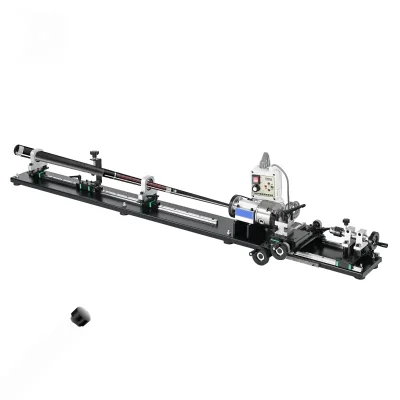
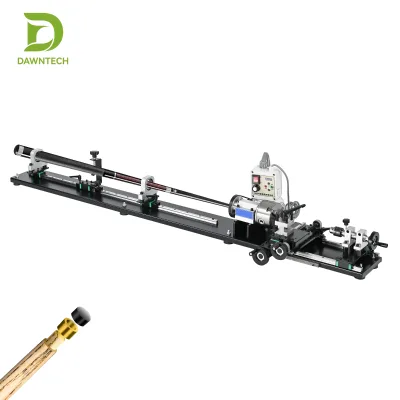
Pool Cue Repair Lathe Machine Snooker Billiard Stick Straighten Service Equipment
$478.00 - $498.00
MOQ: 1 Pieces

Pool Cue Repair Lathe Machine Snooker Billiard Stick Straighten Service Equipment
$478.00 - $498.00
MOQ: 1 Pieces


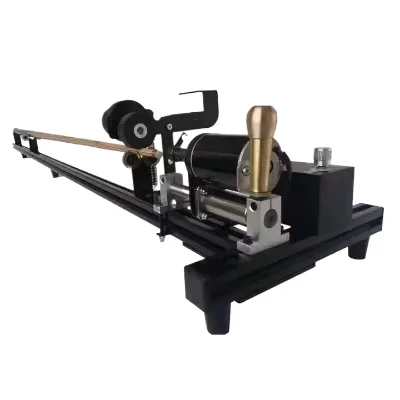
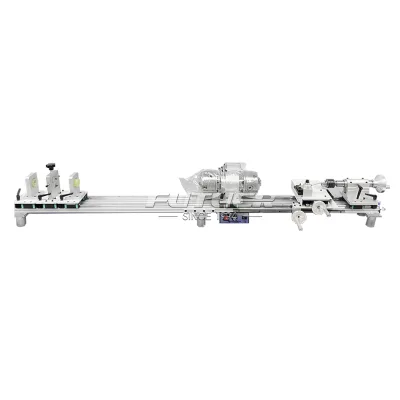
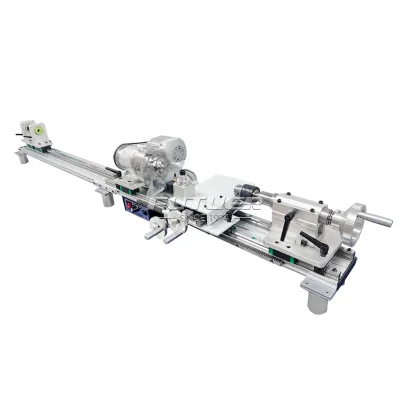
Billiard Pool Lathe Manual Machinery for Quick and Easy Billiard Stick Repair Home Use Low Noise
$202.62 - $274.26
MOQ: 1 sets


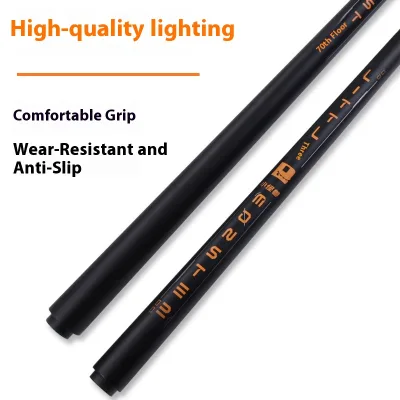


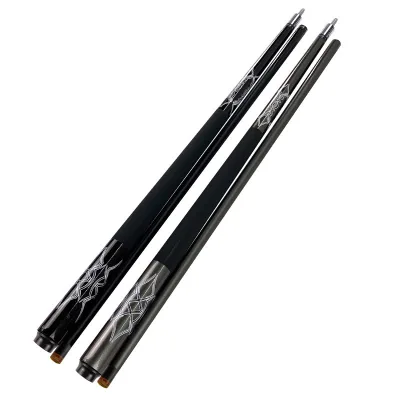
Pool Cue Billiard Cue Cue Stick Handcrafted Cues in Multi-Color Finishes
$30.00 - $35.00
MOQ: 1 Pieces


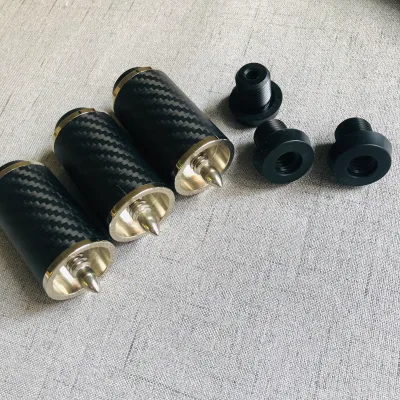
Pool Cue Pool Stick Low Deflection Pool Cue / Ld Cue Cuetec Cynergy Shaft
$30.00 - $35.00
MOQ: 1 Pieces
Comprehensive Sourcing Guide
Electric Pool Cue Straightener Sourcing Guide
Sourcing an Electric Pool Cue Straightener requires a clear understanding of the specific mechanical processes involved in cue maintenance. These machines are primarily designed for repairing and straightening wooden billiard cues, utilizing horizontal lathe technology to ensure precision. Buyers must recognize that while the core function is consistent, the specific configurations can vary significantly between suppliers. The equipment typically operates on electric power sources, allowing for controlled rotation and material removal or adjustment. This electric drive system is crucial for maintaining consistent speeds, which directly impacts the quality of the repair. Procurement teams should focus on machines that offer stable operation and precise control over the cue’s alignment.
The market for these devices is specialized, often targeting professional cue makers, repair shops, and high-end billiard clubs. The primary application involves correcting warps in wooden shafts and ensuring the cue remains perfectly straight for optimal play. Buyers should verify that the machine supports the specific dimensions of the cues they handle, as maximum workpiece lengths can vary. Additionally, the ability to handle different materials, primarily wood, is a key consideration. Understanding the operational limits of each model helps in selecting the right tool for the intended workload. This guide outlines the critical factors to consider when evaluating potential suppliers and products in this niche market.
Product Scope and Observed Listing Signals
The current market for electric pool cue straighteners presents a diverse range of options, with observed prices spanning from approximately seven to one thousand one hundred eighty US dollars. This wide variance suggests significant differences in build quality, automation levels, and included features. Buyers should note that minimum order quantities (MOQs) typically range from one to three hundred units, indicating flexibility for both individual workshops and larger distributors. The presence of customization options is a notable signal, allowing buyers to tailor specifications to their specific operational needs. This adaptability is particularly valuable for businesses with unique cue dimensions or specialized repair requirements.
Listing signals also reveal a strong emphasis on the machine's condition and origin. Most available units are described as new, with origins predominantly traced to China, specifically Guangdong province. This regional concentration often correlates with established manufacturing ecosystems for woodworking and precision machinery. Buyers should pay attention to the stated weight and dimensions of the units, which can impact shipping costs and floor space requirements. For instance, some models weigh around thirty to fifty kilograms, while others may be heavier. These physical attributes are essential for logistical planning and ensuring the machine fits within the designated workspace.
Technical Specifications to Verify
When evaluating technical specifications, the type of lathe is a primary consideration. Most observed models are horizontal lathes equipped with chuck CNC capabilities, which facilitate secure holding and precise rotation of the cue. The guide rail is typically horizontal, ensuring smooth movement and stability during the straightening process. Buyers must verify the voltage requirements, as many units operate on 220V, which is standard in many regions but may require transformers elsewhere. The power consumption varies, with some models rated at 300W, 450W, or 500W, influencing operational costs and electrical infrastructure needs. Understanding these power profiles is crucial for integrating the machine into existing workshop setups.
Spindle speed and torque are critical performance metrics that affect the quality of the repair. Observed spindle speeds can range from 0 to 3000 RPM, allowing for versatile operation across different materials and repair stages. The cutting torque, observed at around 200 in some listings, indicates the machine's ability to handle resistance during material adjustment. Additionally, the maximum swing diameter and length of the workpiece must align with the cues being processed. For example, some models support a maximum swing diameter of 100mm and a workpiece length of up to 1500mm. Verifying these dimensions ensures the machine can accommodate the full range of cues in the buyer's inventory without modification.
Compliance and Safety Documentation
Safety and compliance are paramount when operating electric machinery in a workshop environment. Buyers should request machinery test reports from suppliers to verify that the equipment meets relevant safety standards. These reports often include details on electrical safety, mechanical stability, and noise levels. Ensuring that the machine has proper grounding and insulation is essential to prevent electrical hazards. Additionally, the presence of emergency stop buttons and protective guards should be confirmed. These features are critical for protecting operators from moving parts and reducing the risk of injury during use. Compliance with local electrical codes is also a mandatory requirement for safe operation.
Warranty and after-sales support are key components of the compliance and safety framework. Most observed models come with a one-year warranty, which provides a baseline level of protection against manufacturing defects. Buyers should clarify the scope of this warranty, including coverage for motors, spindles, and electronic components. Understanding the process for claiming warranty service is equally important. Suppliers that provide detailed user manuals and technical support documentation enhance the overall safety and usability of the machine. This documentation should cover routine maintenance procedures, troubleshooting guides, and safety warnings. Adequate support ensures that any issues are resolved promptly, minimizing downtime and maintaining a safe working environment.
Cost Drivers and Commercial Terms
The cost of an Electric Pool Cue Straightener is influenced by several factors, including the complexity of the mechanism, the quality of components, and the level of automation. Models with higher spindle speeds, greater torque, and more robust construction typically command higher prices. The inclusion of additional features, such as digital controls or specialized chucks, can also increase the cost. Buyers should consider the total cost of ownership, which includes energy consumption, maintenance, and potential downtime. While a lower initial price may be attractive, it is essential to evaluate the long-term reliability and efficiency of the machine. Investing in a higher-quality unit may yield better performance and lower operational costs over time.
Commercial terms, such as payment methods, shipping arrangements, and lead times, also impact the overall cost. Buyers should negotiate clear terms regarding delivery schedules and packaging to prevent damage during transit. The weight and dimensions of the machine affect shipping costs, so accurate specifications are necessary for budgeting. Additionally, buyers should inquire about the availability of spare parts and the cost of replacements. Having access to genuine parts ensures that the machine can be maintained effectively. Understanding the supplier's return policy and dispute resolution process is also crucial for mitigating financial risks. Clear commercial terms provide a solid foundation for a successful procurement transaction.
Supplier Qualification and Quality Control
Supplier qualification is a critical step in ensuring the reliability of the purchased equipment. Buyers should verify the supplier's manufacturing capabilities, including their production facilities and quality control processes. Suppliers that provide machinery test reports and have a history of producing similar equipment are generally more trustworthy. It is also important to assess the supplier's responsiveness and communication skills, as these factors influence the ease of resolving issues. Buyers should request references or case studies from other clients to gauge the supplier's reputation. A supplier with a strong track record is more likely to deliver a product that meets the specified requirements.
Quality control measures implemented by the supplier directly impact the performance and longevity of the machine. Buyers should inquire about the testing procedures used before shipment, including functional tests and safety checks. The use of high-quality core components, such as motors and spindles, is a good indicator of overall build quality. Suppliers that offer customization options demonstrate a commitment to meeting specific buyer needs. However, buyers should ensure that customizations do not compromise the machine's structural integrity or safety. Regular audits or third-party inspections can provide additional assurance of quality. Establishing a strong relationship with a qualified supplier helps in maintaining consistent product quality and service.
Long-Term Procurement Checks
Long-term procurement success depends on ongoing evaluation of the machine's performance and the supplier's support. Buyers should monitor the machine's reliability, noting any frequent breakdowns or maintenance issues. Tracking the cost of spare parts and repairs over time provides valuable insights into the total cost of ownership. Buyers should also assess the ease of operation and the quality of the repairs produced. If the machine consistently delivers high-quality results with minimal downtime, it is likely a sound investment. Regular feedback from operators can help identify areas for improvement or additional training needs. Continuous monitoring ensures that the machine continues to meet operational requirements.
Supplier relationship management is equally important for long-term success. Buyers should maintain open communication with the supplier, providing feedback on product performance and service. This dialogue can lead to improvements in future orders and better support during the warranty period. Buyers should also stay informed about new models or technologies that may offer enhanced capabilities. Periodic reviews of the supplier's pricing and terms can help ensure competitive procurement. Building a partnership with a reliable supplier facilitates smoother transactions and better problem resolution. By focusing on long-term checks, buyers can maximize the value of their investment in electric pool cue straighteners.
FAQs
What is the voltage requirement for this Electric Pool Cue Straightener?
The device operates on 220V electrical equipment as specified in the product details. This voltage ensures compatibility with standard industrial power supplies in many regions. Users should verify their local power grid matches this requirement before installation to prevent equipment damage or safety hazards during operation.
Can I customize the dimensions of the horizontal lathe machine?
Yes, customization is available for this Electric Pool Cue Straightener unit. Buyers can request specific modifications to fit unique production needs. The standard models come in various dimensions like 1600*370*250mm, but custom requests are accepted to align with specific workshop layouts or processing requirements.
Which spindle speed range does the pool cue repairing lathe support?
The machine supports a spindle speed range of 0 to 3000 r.p.m. This wide range allows for versatile processing of different wood materials used in cue repair. Operators can adjust the speed to optimize cutting torque and surface finish quality for various billiard cue tip repairing tasks.
How much does the Electric Pool Cue Straightener weigh?
The weight varies by model, with specific units weighing 30kg, 50kg, or up to 160kg depending on the configuration. Heavier models like the 160kg version offer enhanced stability for light duty machining. Buyers should check the specific model number to confirm the exact weight for shipping and installation planning.
What is the warranty period for the billiard cue repair machine?
The product comes with a 1-year warranty covering core components and general functionality. This warranty ensures reliability for the Electric Pool Cue Straightener during initial operation. Buyers should retain the machinery test report provided with the unit to validate warranty claims if any technical issues arise within the coverage period.
Can the machine handle workpieces up to 1500mm in length?
Yes, the horizontal lathe is designed to accommodate workpieces with a maximum length of 1500mm. This capacity makes it suitable for standard billiard cue lengths and other similar wood processing tasks. The machine features a horizontal guide rail to ensure stability during the machining of these longer workpieces.
What is the power consumption of the pool cue straightener motor?
The spindle motor power is rated at 0.45kW, with total power consumption varying between 300W and 500W across different models. This efficient power usage supports continuous operation for pool cue tip repairing without excessive energy drain. The electric power source ensures consistent performance for light duty machining applications.