Source electric popcorn machine with built-in stirring system for cinemas, fairs, and catering
Compare 30 listings for an electric popcorn machine with built-in stirring system designed for commercial catering, event fairs, and cinema operations. Buyers can review specifications like voltage, power, and dimensions to find the right unit for their needs.
Key considerations
Products List
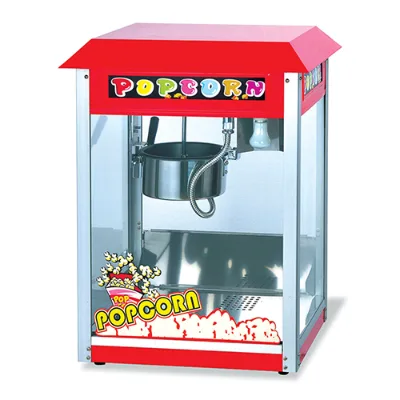
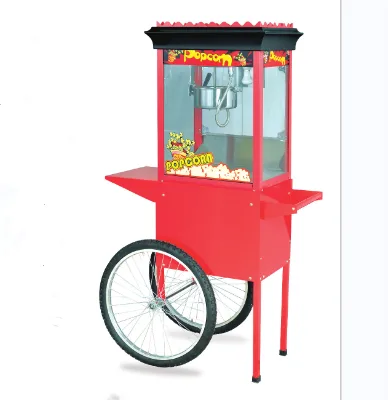


Popcorn Machine Industrial Popcorn Machine Electric Popcorn Machine with Good Quality
$1500.00 - $2000.00
MOQ: 1 Sets
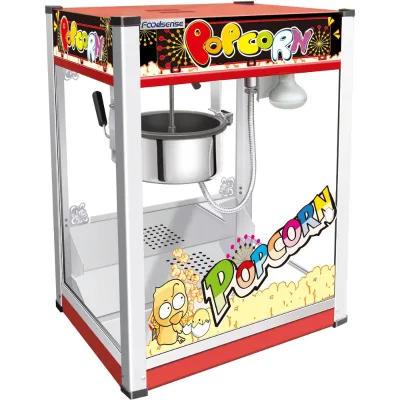

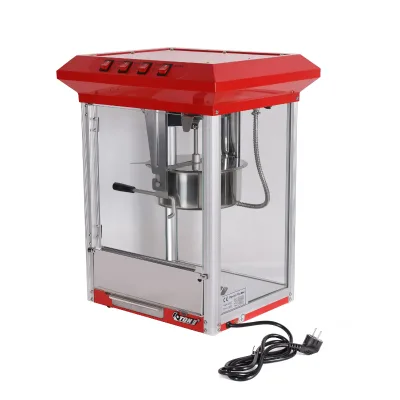

Popcorn Snacks Production Popcorn Machine Electric Popcorn Maker Machine
$5800.00 - $6050.00
MOQ: 1 Pieces

Ball Popcorn Machine Popcorn Machine Commercial Electric Popcorn Machine Supplier
$5800.00 - $6050.00
MOQ: 1 Pieces


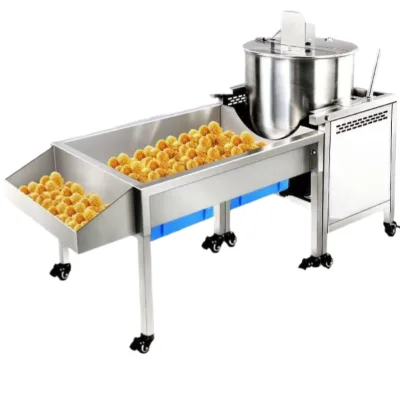
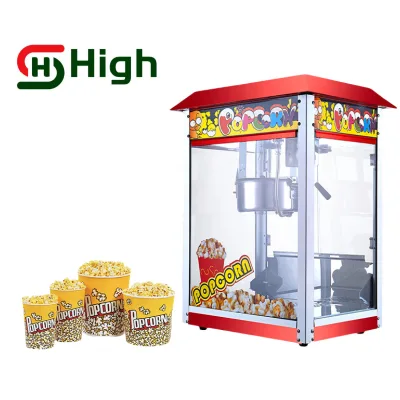
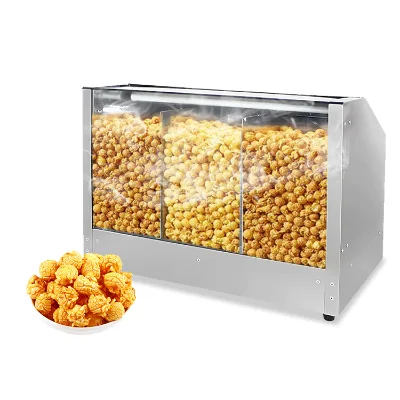
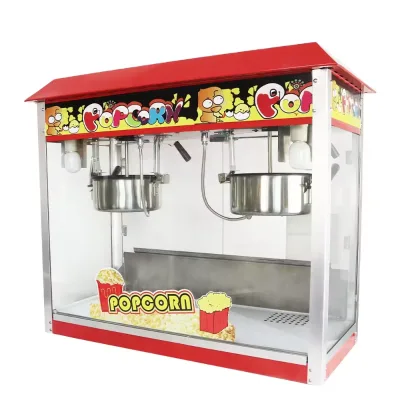
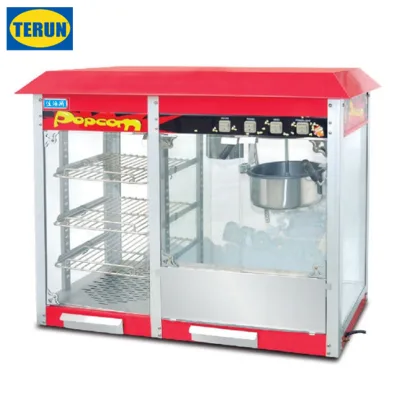

China Factory Stainless Steel Electric Commercial Industrial Popcorn Machine
$6300.00 - $6500.00
MOQ: 1 Pieces

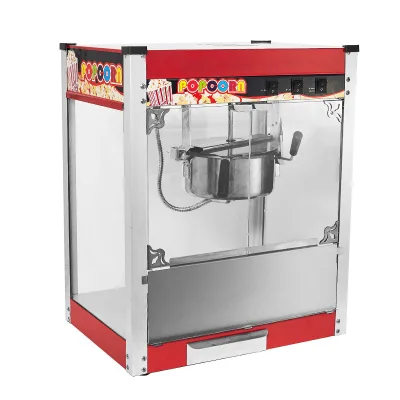
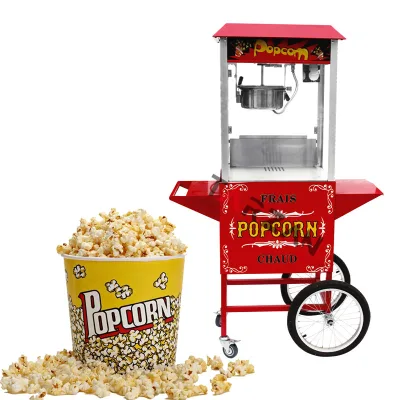
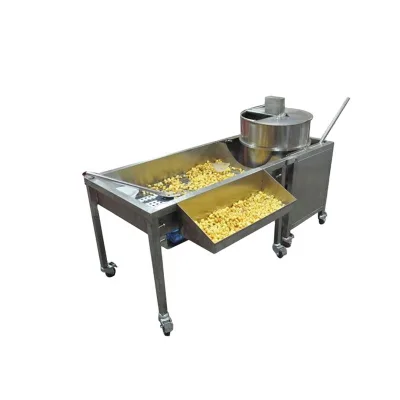
Comprehensive Sourcing Guide
Strategic Sourcing Guide for Electric Popcorn Machines with Built-in Stirring Systems
Understanding the Core Technology and Operational Specifications
When sourcing an electric popcorn machine with a built-in stirring system, the primary objective is to identify equipment that ensures consistent heat distribution and prevents kernel scorching. The built-in stirring mechanism is a critical differentiator in commercial settings, as it guarantees that kernels are evenly coated with oil and heated uniformly, which directly impacts yield and product quality. Based on available market data, these units typically operate on an electric power source with a power consumption ranging between 1.3kW and 1.4kW. This power range is sufficient for commercial-grade heating elements while maintaining energy efficiency for continuous operation.
Voltage compatibility is a fundamental technical consideration for international procurement. The observed specifications indicate that many units are designed for a voltage range of 220V to 240V. Buyers must verify that their local electrical infrastructure matches these requirements to prevent motor failure or heating element damage. The physical dimensions of these machines vary slightly across models, with observed specifications listing dimensions such as 560mm x 420mm x 760mm or 585mm x 445mm x 780mm. These variations suggest that floor space planning is essential before finalizing a purchase. The weight of the units also fluctuates, with some models recorded at 22kg and others at 46kg, while specific net weight data points to 11.3kg for certain configurations. This variance often depends on the thickness of the stainless steel construction and the inclusion of heavy-duty motors.
The machinery capacity is another vital specification to align with operational volume. The standard output capacity for these units is often cited as 8 ounces (approximately 236.59ml) per batch. This capacity is ideal for high-turnover environments like movie theaters, amusement parks, and concession stands where small, frequent batches are preferred over large, infrequent ones. The raw material required is standard corn, but the machine's design ensures that the oil and seasoning are distributed effectively through the stirring action. The condition of the equipment is typically listed as new, and the style is generally modern, featuring a sleek aesthetic that fits contemporary commercial catering environments.
Compliance, Certification, and Safety Standards
In the commercial food service industry, regulatory compliance is non-negotiable. When evaluating suppliers for electric popcorn machines, buyers must rigorously verify that the equipment meets international safety and material standards. The supplied data indicates that reputable manufacturers often provide certifications including CB, CE, EMC, GS, LFGB, and RoHS. These certifications cover a broad spectrum of safety requirements, from electrical safety and electromagnetic compatibility to food contact material safety and restrictions on hazardous substances.
The CE marking is particularly significant for markets in Europe, indicating conformity with health, safety, and environmental protection standards for products sold within the European Economic Area. Similarly, the CB scheme facilitates global acceptance of electrical safety test certificates, which can streamline the import process into various countries. The LFGB certification is specific to food safety in Germany and is highly regarded for ensuring that all parts of the machine touching food are free from harmful substances. RoHS compliance ensures that the electronic components do not contain restricted hazardous materials, which is a standard requirement for most modern electronics.
Buyers should also look for specific safety features integrated into the machine design. The presence of a power-off protection system is a critical safety feature that prevents overheating and potential fire hazards if the machine is left running unattended or if a fault occurs. Additionally, the inclusion of a timing device allows for precise control over the popping process, reducing the risk of burning the popcorn and ensuring consistent product quality. These features are not merely add-ons but are essential components of a compliant commercial appliance.
Cost Drivers and Pricing Structure Analysis
The pricing of electric popcorn machines is influenced by several factors, including material quality, brand reputation, and the complexity of the internal mechanism. The observed price range in the market spans from $44 to $6,500. This wide disparity indicates that the market offers products ranging from basic, entry-level units to high-end, fully automated commercial systems. The lower end of the price spectrum likely corresponds to smaller, simpler units with basic stirring mechanisms, while the higher end may include industrial-grade machines with advanced features, larger capacities, or premium branding.
Material selection is a primary cost driver. Stainless steel is the preferred material for commercial popcorn machines due to its durability, resistance to corrosion, and ease of cleaning. The thickness and grade of the stainless steel used in the construction will significantly impact the final price. Machines with a heavier gauge steel will cost more but will offer a longer lifespan and better resistance to the wear and tear of daily commercial use. The weight of the machine, as noted in the specifications, can also serve as a proxy for material density; heavier units often utilize more substantial materials.
Brand customization and OEM/ODM services also play a role in pricing. Suppliers that offer customization options, such as adding a specific brand name or modifying the color (e.g., red finishes), may charge a premium for these services. The availability of services like OEM (Original Equipment Manufacturer) and ODM (Original Design Manufacturer) suggests that buyers can tailor the machine to their specific branding needs, which adds value but may increase the unit cost. Furthermore, the warranty period is a factor in the overall cost of ownership. While some units come with a 6-month warranty, others offer a 1-year warranty, which can influence the initial purchase price and the long-term value proposition.
Typical Applications and Operational Environments
Electric popcorn machines with built-in stirring systems are designed for a variety of commercial applications where high-volume, consistent popcorn production is required. The primary application fields identified include commercial catering, snack supplies, and general food service operations. These machines are particularly well-suited for environments such as movie theaters, amusement parks, sports arenas, and fairs, where the demand for fresh, hot popcorn is constant. The 8-ounce capacity is ideal for these settings, allowing operators to produce small batches frequently to maintain freshness and temperature.
The versatility of these machines extends to other commercial venues, including hotels, conference centers, and event catering services. The modern style and compact dimensions of the units allow them to fit into various kitchen layouts without obstructing workflow. The built-in stirring system is particularly beneficial in high-traffic areas where speed and consistency are paramount. The ability to produce uniform batches reduces waste and ensures that every customer receives a high-quality product.
For businesses looking to expand their snack offerings, these machines provide a reliable solution for producing a popular treat. The electric power source eliminates the need for gas lines, making installation easier and safer in locations where gas infrastructure is limited or prohibited. The condition of the machine being "new" and the availability of spare parts or service support are crucial for maintaining operations in these demanding environments. The machinery function is explicitly defined as a "popcorn maker," confirming its specialized role in the food service industry.
Supplier Evaluation and Procurement Considerations
When evaluating potential suppliers, buyers should focus on several key criteria to ensure a reliable partnership. The place of origin for many of these machines is Guangdong, China, a region known for its manufacturing capabilities in small appliances. Buyers should verify the supplier's ability to meet the specific technical requirements, such as voltage compatibility and power output. The minimum order quantity (MOQ) is another critical factor, with observed ranges from 1 piece to 20 pieces. This flexibility allows buyers to test the market with small orders or to stock up for larger operations.
Lead time is a significant consideration for procurement planning. The observed delivery time for these machines is typically 4 to 7 days, which is relatively fast for international shipping. However, buyers should confirm this timeline with the specific supplier, as it can vary based on order volume and shipping method. The packaging is also important; some units are shipped in wooden boxes, which provides robust protection during transit. This packaging detail is essential for ensuring that the machine arrives in pristine condition, especially given the delicate nature of the electrical components and the precision of the stirring mechanism.
Customization is a key differentiator for suppliers. The availability of customization options, such as brand name printing and color selection, allows buyers to align the equipment with their corporate identity. The "Oute" brand is mentioned in the specifications, but the option for customization suggests that other brands or private labeling is possible. Buyers should inquire about the specific customization capabilities and any associated costs or lead time extensions. The warranty terms, ranging from 6 months to 1 year, should be clearly understood, including the scope of coverage and the process for claiming service.
Quality Control and Long-Term Maintenance
Ensuring the long-term reliability of an electric popcorn machine requires a proactive approach to quality control and maintenance. The core selling points of these machines, such as the built-in stirring system and easy-clean design, are designed to minimize downtime and simplify the cleaning process. The stainless steel construction facilitates easy cleaning, which is essential for maintaining food safety standards. Buyers should verify that the machine's design allows for easy access to the heating element and the stirring mechanism for regular cleaning and inspection.
Quality control should extend beyond the initial purchase to include regular maintenance schedules. The built-in stirring system is a mechanical component that requires periodic inspection to ensure it is functioning correctly. Any signs of wear or damage should be addressed immediately to prevent failure during peak operation times. The power-off protection feature is a safety mechanism that should be tested regularly to ensure it activates correctly in the event of an overload or malfunction.
For buyers operating in high-volume environments, having a maintenance plan in place is crucial. This plan should include regular checks of the electrical connections, the heating element, and the stirring mechanism. The availability of spare parts and technical support from the supplier is also a key factor in long-term procurement considerations. Buyers should ensure that the supplier can provide replacement parts and technical assistance in the event of a breakdown. The warranty period should be clearly defined, and the process for making a claim should be straightforward and efficient.
Final Procurement Recommendations
In conclusion, sourcing an electric popcorn machine with a built-in stirring system requires a careful balance of technical specifications, compliance checks, and supplier evaluation. The observed data provides a solid foundation for understanding the market, but buyers must verify specific details with their chosen suppliers to ensure the equipment meets their unique operational needs. The wide price range and varying specifications highlight the importance of conducting thorough due diligence before making a purchase decision.
Buyers should prioritize machines that offer the necessary certifications, such as CE, CB, and LFGB, to ensure compliance with local regulations. The built-in stirring system and power-off protection are essential features that should not be compromised. Additionally, the flexibility in MOQ and lead time allows for a more agile procurement process, enabling buyers to adapt to changing market demands. By focusing on these key areas, buyers can secure high-quality equipment that enhances their operational efficiency and customer satisfaction.
The table below summarizes the key technical and commercial attributes observed in the market to assist in the decision-making process.
| Attribute | Observed Range / Specific Value | Procurement Note |
|---|---|---|
| Power Source | Electric | Verify local voltage compatibility (220V-240V). |
| Power Consumption | 1.3kW - 1.4kW | Ensure electrical circuit can handle load. |
| Capacity | 8oz (236.59ml) | Suitable for high-turnover commercial use. |
| Material | Stainless Steel | Essential for durability and food safety. |
| Dimensions | 560x420x760mm to 585x445x780mm | Check floor space requirements. |
| Weight | 11.3kg - 46kg | Heavier units often indicate robust construction. |
| Certifications | CB, CE, EMC, GS, LFGB, RoHS | Mandatory for commercial compliance. |
| MOQ | 1 - 20 units | Flexible for testing or bulk orders. |
| Lead Time | 4-7 days | Standard for production and shipping. |
| Warranty | 6 Months - 1 Year | Verify coverage scope and claim process. |
| Customization | Available (Brand, Color) | Check for OEM/ODM capabilities. |
By adhering to these guidelines and leveraging the provided data, buyers can make informed decisions that align with their operational goals and budget constraints.
FAQs
What voltage does the electric popcorn machine require?
The machine operates on 220V to 240V voltage. Buyers must verify their local electrical infrastructure matches these requirements to prevent motor failure or heating element damage during commercial use.
Which certifications ensure safety for this equipment?
Reputable units carry CB, CE, EMC, GS, LFGB, and RoHS certifications. These cover electrical safety, electromagnetic compatibility, and food contact material safety for international compliance in commercial catering environments.
How much space does the machine occupy?
Dimensions vary by model, typically ranging from 560x420x760mm to 585x445x780mm. Floor space planning is essential before purchase to ensure the unit fits the specific kitchen layout.
Can I customize the brand name on the machine?
Yes, customization is available for brand names and colors like red. Suppliers offer OEM and ODM services, allowing buyers to align the equipment with their corporate identity, though this may affect the unit cost.
What is the minimum order quantity for purchase?
The minimum order quantity ranges from 1 piece to 20 pieces depending on the supplier. This flexibility allows buyers to test the market with small orders or stock up for larger commercial operations.
How long is the delivery time for these machines?
The typical delivery time is 4 to 7 days from the supplier. Buyers should confirm this timeline with the specific vendor as it can vary based on order volume and shipping method.