Source Electric Pumpkin Carriage for Wedding and Events
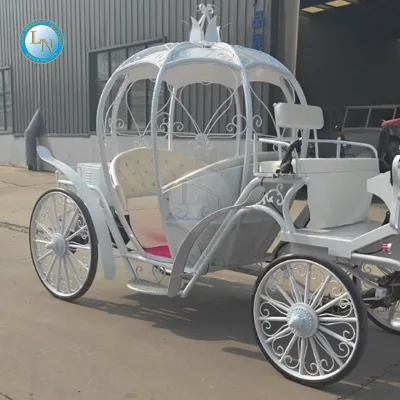
Compare 26 Electric Pumpkin Carriage for Wedding options from verified suppliers. These romantic horse chariots feature solid rubber tires, leather seats, and customizable colors for weddings, sightseeing, and exhibitions; compare the available evidence and request quotations based on your requirements.
Key considerations
Products List


European Retro Pumpkin Carriage Manufacturers/Electric Wedding Carriage
$2980.00 - $4580.00
MOQ: 1 Pieces


Luxury Carriage Princess Carriage with LED Electric Pumpkin Carriage for Wedding
$2000.00 - $4000.00
MOQ: 1 Pieces


Luxury Electric Pumpkin Carriage Special Transportation Wedding Carriage
$1580.00 - $2580.00
MOQ: 10 Pieces

Pumpkin Carriage 2024 Hot Selling Quality Big Wedding Electric Pumpkin Cinderella Carriage
$1299.00 - $1999.00
MOQ: 1 Pieces

Latest Design Cinderella Pumpkin Wedding Carriage Cinderella Electric Horse Carriage
$600.00 - $8000.00
MOQ: 1 Pieces

Electric High Quality Carriage with Gold Edge Luxury Wedding Pumpkin Carriage
$2390.00 - $2890.00
MOQ: 1 Pieces

Pumpkin Carriage Factory Direct Hot Selling High Quality Wedding Pumpkin Cinderella Carriage
$1590.00 - $1999.00
MOQ: 1 Pieces

Wedding Suppllies Christmas Horse Carriage European Style Pumpkin Princess Horse Carriage
$600.00 - $6000.00
MOQ: 1 Pieces

Electric Wedding Romantic Golden Cart Christmas Pumpkin Horse Carriage
$3500.00 - $4050.00
MOQ: 1 Pieces

Cinderella Horse Pony-Horse Cart Horseless Electric Wedding Pumpkin Horse Carriage
$2590.00 - $4050.00
MOQ: 1 Pieces

Comprehensive Sourcing Guide
Electric Pumpkin Carriage for Wedding Sourcing Guide
Sourcing an Electric Pumpkin Carriage for Wedding events requires balancing aesthetic fidelity with operational reliability. Buyers must prioritize vehicles that replicate the romantic, fairy-tale imagery associated with Cinderella-themed celebrations while ensuring the electric propulsion system provides sufficient torque for smooth, quiet operation. The visual impact is paramount, with golden or white finishes often preferred to match bridal themes, but customization options allow for specific color matching to wedding palettes.
Beyond appearance, the mechanical integrity of the carriage determines guest safety and event success. The transition from traditional horse-drawn designs to electric models necessitates careful evaluation of battery life, charging infrastructure, and maintenance requirements. Procurement teams should focus on suppliers who offer transparent technical documentation and proven track records in manufacturing decorative yet functional transport units for high-profile events.
Product Scope and Observed Listing Signals
The current market offers a diverse range of electric pumpkin carriages, with observed listings indicating a price range between 600 and 8000 USD. This wide variance suggests significant differences in build quality, material thickness, and electronic component sophistication. Buyers should note that minimum order quantities typically range from one to ten units, allowing for flexible procurement strategies whether sourcing for a single luxury wedding or a fleet for a tourism business.
Observed product attributes highlight key customization capabilities, including color options like blue, brown, white, or gold, and seating configurations for one to six persons. Models such as the HYS-SHC22 and PC27 demonstrate standardized dimensions around 3.6 to 3.9 meters in length, providing ample space for bridal parties. The presence of solid natural rubber or solid rubber tires indicates a focus on durability and shock absorption, essential for maintaining a smooth ride on varied terrain during outdoor ceremonies.
Technical Specifications to Verify
Dimensional accuracy is critical for logistics and venue compatibility, with standard models often measuring approximately 3.6m x 1.6m x 2.5m. Buyers must verify these external dimensions against venue access points, including gate widths and elevator capacities, to ensure seamless delivery and setup. The internal cabin space should comfortably accommodate the intended passenger count, with leather seats offering both comfort and a premium aesthetic that aligns with wedding standards.
The propulsion system’s specifications, including battery capacity and motor power, directly impact operational range and performance. While some listings mention Euro 1 emission standards, electric models should be evaluated for their zero-emission benefits and quiet operation. Verify the type of tires, such as solid natural rubber, to ensure they provide adequate traction and longevity. Additionally, confirm the surface paint quality, often described as car paint, to guarantee resistance to weathering and UV degradation during outdoor use.
Compliance and Safety Documentation
Safety certifications are non-negotiable for vehicles carrying passengers, with CE approval frequently cited as a baseline requirement for European markets. Buyers must request valid certificates of conformity to ensure the electrical systems, braking mechanisms, and structural integrity meet local regulatory standards. The absence of proper documentation can lead to legal liabilities and event cancellations, making verification of these credentials a primary due diligence step.
Beyond certification, documentation should include detailed user manuals and maintenance schedules to guide long-term operation. Suppliers should provide clear instructions on battery charging protocols, tire pressure checks, and routine inspections to prevent mechanical failures. Ensuring that the carriage’s electrical components are properly insulated and protected against moisture is essential, particularly for outdoor weddings where weather conditions can be unpredictable.
Cost Drivers and Commercial Terms
Pricing variations are driven by material choices, such as galvanized steel construction versus lighter alloys, and the complexity of the decorative elements. Customization requests, including specific color schemes or logo integration, often incur additional fees and may extend lead times. Buyers should clarify whether the quoted price includes shipping, insurance, and installation services, as these factors significantly impact the total cost of ownership.
Commercial terms should explicitly define warranty coverage, return policies, and after-sales support availability. Given the specialized nature of these vehicles, access to spare parts and technical support is crucial for minimizing downtime. Negotiate clear terms for defect resolution and ensure that the supplier offers responsive customer service to address any operational issues that may arise during or after the wedding event.
Supplier Qualification and Quality Control
Supplier reputation and manufacturing capability are key indicators of product reliability. Buyers should assess the supplier’s experience in producing decorative carriages, looking for evidence of consistent quality and positive client feedback. Verification of production facilities, including quality control processes and testing procedures, helps ensure that each unit meets the specified standards before shipment.
Quality control checks should include visual inspections for paint defects, structural integrity assessments, and functional tests of the electric drive system. Requesting sample units or video demonstrations of the carriage in operation can provide valuable insights into performance and build quality. Establishing clear communication channels with the supplier facilitates timely resolution of any discrepancies and ensures alignment on customization requirements.
Long-Term Procurement Checks
Long-term success depends on the durability and maintainability of the electric pumpkin carriage. Buyers should evaluate the availability of replacement parts, such as tires, batteries, and electronic components, to ensure sustained operational capability. A robust supply chain for spare parts minimizes downtime and extends the vehicle’s useful life, providing better return on investment for repeated use in weddings or tourism services.
Regular maintenance and proper storage are essential for preserving the carriage’s condition and performance. Develop a maintenance schedule that includes routine inspections, cleaning, and battery care to prevent premature wear. Engaging with the supplier for periodic technical updates or upgrades can also enhance the vehicle’s functionality and safety, ensuring it remains a valuable asset for future events.
FAQs
What sizes are available for the Electric Pumpkin Carriage for Wedding?
Listed pumpkin carriage models come in several sizes, including 3.6m*1.68m*2.3m, 3.8m*1.65m*2.5m, 3.05*1.5*1.93m, and 3.6*1.6*2.5. Some specifications are noted as customizable, so buyers can request dimensions adapted to their venue or transport constraints. Confirm the exact footprint and height of the chosen model with the supplier before ordering, especially if it must pass through gates or doorways.
Can the carriage be customized in color and configuration?
Yes, customization is available. Listed color options include white, golden, blue, brown, or other customized finishes, so a wedding pumpkin carriage can be matched to a theme or brand. Buyers should provide color references, seating preferences, and any decorative requirements early in the inquiry, since custom finishes and layouts may affect production arrangements, packing, and the final quotation offered by the factory.
How many passengers can the wedding carriage carry at one time?
Seating capacity varies by model. One listed carriage offers 1-4 persons with leather seats, while another sightseeing carriage design seats 4-6 people. Choose capacity based on your typical wedding or photography scenario, such as carrying only the couple or also accommodating guests and staff. Always verify the passenger capacity of the specific model you intend to order before confirming the purchase.
What certifications and quality standards apply to these carriages?
Some listed models are noted as CE approved or CE certified, which indicates conformity with European safety requirements for such vehicles. One sightseeing carriage also lists a Euro 1 emission standard. Certification coverage can differ between models, so buyers should request the applicable certificate documents for the exact model and confirm which safety and quality standards are supported before finalizing the order.
What materials and wheels are used in the carriage construction?
Listed product details mention galvanized steel as a body material, leather seats, and car paint surface finishing. Wheels are described as solid natural rubber or solid rubber tires, which suits paved wedding venues, scenic spots, and exhibition grounds. These construction choices support durability and a smooth ride, but buyers should confirm the exact material specification for the model and any custom options they request.
How are the carriages packed and what is the minimum order quantity?
Packing is described as iron shelf with plywood, iron frame with wooden crate, or iron frame plus wooden box, with packing available as required. The listed minimum order quantity is 1, so wedding operators can trial a single unit before scaling. Confirm the packing method and shipping arrangement for your destination, as wooden crates and iron frames help protect the carriage body, paint, and glass components during transport.