Source Electric Funeral Coffin Cart for Cemeteries, Hospitals, and Funerals
Source an Electric Funeral Coffin Cart from 30 available options. Compare specifications such as load bearing, size, and customization to find the right vehicle for transporting bodies to cemeteries or within hospital facilities.
Key considerations
Products List

Funeral Vintage Vehicle Funeral Electric Horse Cart Electric Vintage Coffin Car
$5990.00 - $8990.00
MOQ: 10 Pieces

Modern Design Coffin Cart Antique Electric Hearse Car Electric Vintage Funeral Car
$1980.00 - $3980.00
MOQ: 1 Pieces

Electric Classic Funeral Vehicle Vintage Funeral Car Coffin Cart for Sale
$1980.00 - $2980.00
MOQ: 1 Pieces

Classic Funeral Car Coffin Cart Electric Vintage Funeral Car for Sale
$1980.00 - $2980.00
MOQ: 1 Pieces

New Design Coffin Cart Antique Electric Funeral Vehicle Hearse Cart Electric
$1980.00 - $3980.00
MOQ: 1 Pieces


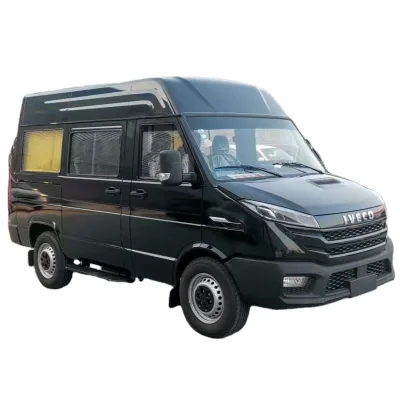


Funeral Coaches Coffin Cart Electric Vintage Funeral Vehicle Classic Hearse Car
$2580.00 - $3580.00
MOQ: 2 Pieces


Modern Design Coffin Cart Antique Electric Funeral Vehicle/Hearse Carriage
$9800.00 - $10780.00
MOQ: 1 unit

Funeral Vehicles Casket Carriage Funeral Hearse Towed Coffin Cart for Sale
$4500.00 - $6500.00
MOQ: 1 unit

Funeral Hearse Electric Coffin Buggy Funeral Service Cart Towable Funeral Coach
$7680.00 - $11000.00
MOQ: 1 Pieces


Special Transport Manufacturers Sell Retro Electric Funeral Carriage Coffin Car Hearse
$2850.00 - $4500.00
MOQ: 1 Pieces

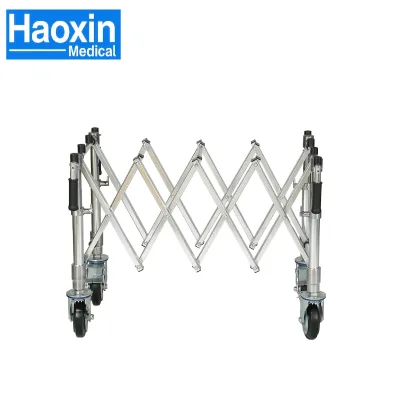


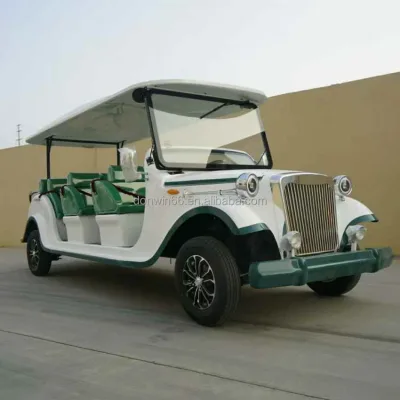
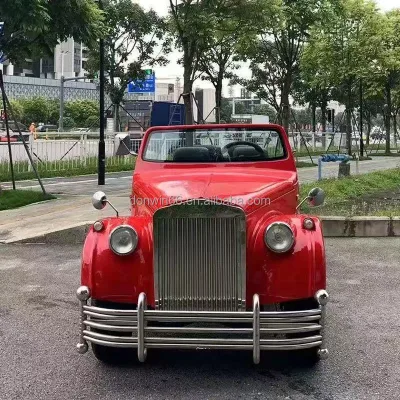

Medical Aluminum Alloy Coffin Frame Cart Funeral Cart Loss Coffin Cart Cart
$500.00 - $600.00
MOQ: 10 Pieces

Funeral Casket Coffin Catafalque Coffin Rack Casket Transport Trolley Price
$50.00 - $99.00
MOQ: 10 Pieces

2023 Funeral Equipment Steel Catafalque Coffin Placing Rack Casket Trolley
$50.00 - $99.00
MOQ: 10 Pieces
Comprehensive Sourcing Guide
Electric Funeral Coffin Cart Sourcing Guide
Sourcing specialized transport equipment for funeral services requires a careful balance of aesthetic dignity, mechanical reliability, and regulatory compliance. The Electric Funeral Coffin Cart represents a niche segment within the broader category of specialized transportation vehicles, often overlapping with hearses, hearse carts, and ceremonial transport units. Buyers in this sector must navigate a market where product definitions can vary significantly between manufacturers, ranging from traditional horse-drawn carriages adapted for electric power to fully enclosed, luxury-style vehicles designed for modern cemetery environments. Understanding these distinctions is critical for aligning procurement with specific operational needs, whether the goal is to transport bodies to the cemetery in a dignified manner or to provide a quiet, emission-free alternative for indoor or sensitive outdoor venues.
The procurement process for these vehicles is heavily influenced by customization capabilities and regional manufacturing hubs. Many suppliers offer extensive customization options, allowing buyers to tailor vehicle dimensions, colors, and interior finishes to match specific cultural or religious requirements. This flexibility is particularly important in the funeral industry, where presentation and respect for the deceased are paramount. However, this customization also introduces complexity into the sourcing process, requiring buyers to verify technical specifications, material quality, and production timelines with greater diligence than they would for standard commercial vehicles.
Product Scope and Observed Listing Signals
The market for electric funeral coffin carts includes a diverse range of product types, from open-style carts to fully enclosed hearses. Observed listings indicate that these vehicles can be categorized by their power source, with options including electric, horse-drawn, or mixed-drive systems. The electric variants are particularly relevant for buyers seeking low-noise, zero-emission solutions that are suitable for use in urban cemeteries or indoor chapels. These vehicles often feature advanced cold-rolled sheet metal bodies with all-metal welding, providing a durable and rigid structure that can withstand regular use while maintaining a sleek, professional appearance. The body type is frequently described as closed, offering protection from the elements and enhancing the solemnity of the transport.
Interior and exterior finishes play a significant role in the perceived value of these vehicles. Listings often highlight the use of high-quality sponge and leather for seating, catering to the comfort of mourners or the dignified presentation of the coffin. Exterior colors are typically customizable, with black, white, and silver being common base options, though many suppliers offer bespoke color matching to align with specific funeral home branding or cultural traditions. The surface treatment often involves car metallic paint, which not only enhances aesthetic appeal but also provides corrosion resistance, ensuring the vehicle remains in pristine condition over time. Buyers should pay close attention to these material specifications to ensure the final product meets their quality standards.
Technical Specifications to Verify
When evaluating electric funeral coffin carts, buyers must verify a range of technical specifications to ensure the vehicle meets their operational requirements. Key dimensions are critical, with observed listings showing sizes ranging from approximately 4.6 meters in length to 5.5 meters, and widths varying between 1.65 and 1.8 meters. These dimensions directly impact the vehicle’s maneuverability in narrow cemetery paths or tight indoor spaces. Additionally, the weight of the vehicle is a significant factor, with observed weights ranging from 500 kg to 850 kg depending on the model and construction materials. Heavier vehicles may offer greater stability but could require more powerful motors and robust braking systems.
The power and braking systems are equally important considerations. Observed listings indicate that these vehicles often feature power outputs exceeding 800W, which is sufficient for typical cemetery terrain. However, buyers should verify the specific voltage and motor type to ensure compatibility with their charging infrastructure. The braking system is another critical area, with hydraulic, foot, and hand brakes commonly cited. It is essential to confirm that the braking system provides adequate stopping power for the vehicle’s weight, especially when carrying heavy loads. Furthermore, the suspension system, which may utilize automotive spring steel and multiple shock absorbers, should be evaluated for its ability to provide a smooth ride, minimizing jostling for the coffin and ensuring a dignified transport experience.
Compliance and Safety Documentation
Compliance with local regulations is a non-negotiable aspect of sourcing electric funeral coffin carts. Buyers must ensure that the vehicles meet all relevant safety and environmental standards in their operating region. Observed listings mention certifications such as CE and CCC, which are important for markets in Europe and China, respectively. However, buyers should verify if these certifications are applicable to their specific location and if additional local approvals are required. For instance, vehicles used in public spaces may need to comply with roadworthiness standards, even if they are primarily used within cemetery grounds.
Safety features are another critical area of documentation. Buyers should request detailed information on the vehicle’s electrical safety, including insulation, grounding, and battery protection mechanisms. Given that these vehicles often operate in close proximity to mourners, the risk of electrical hazards must be minimized. Additionally, buyers should verify the availability of safety manuals and maintenance guides, which are essential for ensuring the long-term safe operation of the vehicle. Suppliers should be able to provide clear documentation on how to perform routine checks and emergency procedures, ensuring that funeral home staff are well-prepared to handle any potential issues.
Cost Drivers and Commercial Terms
The cost of electric funeral coffin carts is influenced by several factors, including customization level, material quality, and production volume. Observed listings show a wide price range, from relatively affordable basic models to high-end luxury versions. The extent of customization, such as bespoke colors, interior finishes, and specific dimensions, can significantly impact the final price. Buyers should be prepared for higher costs if they require unique features or premium materials, as these often involve additional labor and specialized sourcing.
Commercial terms, including minimum order quantities (MOQ) and payment terms, are also important considerations. Observed listings indicate MOQs ranging from 1 to 20 units, suggesting that suppliers are flexible in accommodating both small and large orders. However, buyers should negotiate payment terms carefully, ensuring that they align with their cash flow and risk management strategies. Additionally, buyers should inquire about warranty coverage and after-sales support, as these can provide significant value over the long term. Understanding the total cost of ownership, including maintenance and potential repairs, is essential for making an informed procurement decision.
Supplier Qualification and Quality Control
Selecting a reliable supplier is crucial for ensuring the quality and reliability of electric funeral coffin carts. Buyers should conduct thorough due diligence on potential suppliers, verifying their manufacturing capabilities, quality control processes, and track record. Suppliers located in established manufacturing hubs, such as Henan and Guangzhou in China, may offer competitive pricing and efficient production, but buyers should still verify their ability to meet specific quality standards. Requesting samples or visiting the factory can provide valuable insights into the supplier’s production processes and quality control measures.
Quality control should be integrated into the procurement process from the outset. Buyers should establish clear quality criteria and inspection protocols, ensuring that the final product meets their expectations. This may include pre-shipment inspections, where independent third-party inspectors verify the vehicle’s dimensions, materials, and functionality. Additionally, buyers should request detailed documentation on the materials used, including certificates of conformity for metals, paints, and upholstery fabrics. By maintaining strict quality control standards, buyers can minimize the risk of receiving defective or substandard vehicles, ensuring a smooth and professional funeral service operation.
Long-Term Procurement Checks
Long-term procurement success depends on establishing a sustainable relationship with suppliers and implementing ongoing quality monitoring. Buyers should regularly review supplier performance, tracking metrics such as delivery times, product quality, and responsiveness to issues. This data can help identify potential problems early and facilitate continuous improvement. Additionally, buyers should stay informed about industry trends and technological advancements, ensuring that their procurement strategy remains aligned with evolving market demands.
Maintenance and support are also critical for the long-term viability of electric funeral coffin carts. Buyers should ensure that suppliers provide adequate training and support for their staff, enabling them to perform routine maintenance and troubleshoot common issues. Establishing a clear channel for spare parts and technical support is essential for minimizing downtime and ensuring the vehicle remains operational. By focusing on long-term relationships and continuous improvement, buyers can maximize the value of their procurement investment and ensure a dignified and reliable funeral service for their clients.
FAQs
What are the standard dimensions for electric funeral coffin carts?
Standard dimensions vary by model, typically ranging from 4.6 to 5.5 meters in length. Specific models like the ZD-Hseries measure 5.5*1.8*2.2m, while others are 4.8*1.65*2.3m. Sizes can be customized to meet specific cemetery or transport requirements, ensuring the vehicle fits designated pathways and facilities.
Can the color of the Electric Funeral Coffin Cart be customized?
Yes, customization is available for the exterior color. Options include black, white, silver, or other specific shades to match funeral home branding or family preferences. The surface treatment uses car metallic paint for durability and a professional finish, ensuring the vehicle maintains its appearance over time.
What is the load bearing capacity of the Electric Funeral Coffin Cart?
The load bearing capacity is up to 350kg, ensuring safe transport of caskets and associated equipment. The structure uses advanced cold-rolled sheet all metal welding for strength. This capacity supports standard funeral requirements while maintaining stability during movement, supported by automotive spring steel shock absorption systems.
What certifications do these electric funeral coffin carts hold?
These vehicles hold CE and CCC certifications, indicating compliance with relevant safety and quality standards. These certifications are essential for legal operation and import in many regions. Buyers should verify specific certification documents with suppliers to ensure they meet local regulatory requirements for special transportation vehicles.
How many persons can the Electric Funeral Coffin Cart seat?
The cart is designed to seat 6 persons, providing space for pallbearers or family members during the procession. The seats use high-quality sponge and leather for comfort. This configuration allows for a dignified and organized transport process, accommodating necessary personnel without overcrowding the specialized vehicle.
What is the typical weight of the Electric Funeral Coffin Cart?
Weights vary by model, ranging from 500kg to 850kg. Heavier models like the ZD-Hseries weigh 850kg, while lighter variants are around 500kg. The weight contributes to stability during transport. Buyers should consider the weight when planning logistics, including loading equipment and transportation to the final destination.