Source Electric Pyrotechnics Shell Wrapping Machine for Rockets, Roman Candles, and Firecrackers
Find and compare 30 Electric Pyrotechnics Shell Wrapping Machine listings from verified suppliers. Buyers can evaluate specifications like voltage, output capacity, and dimensions to select the right equipment for fireworks production.
Key considerations
Products List
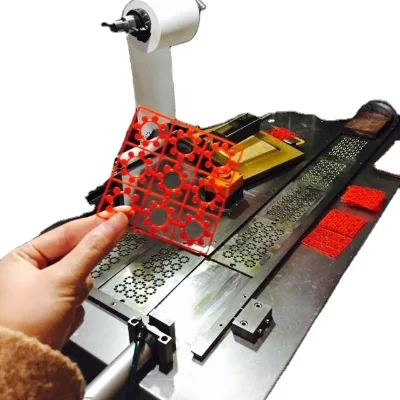
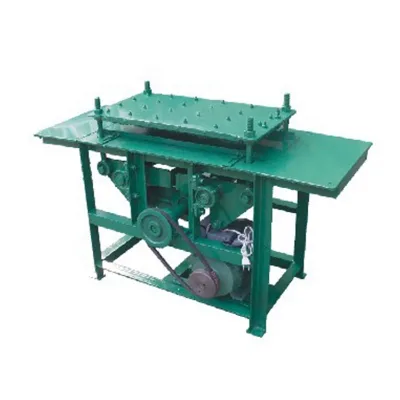
Automatic Firecrackers Pyrotechnic Bottom Tube Closing Machine with No Sound
$1080.00 - $1250.00
MOQ: 10 Minimum
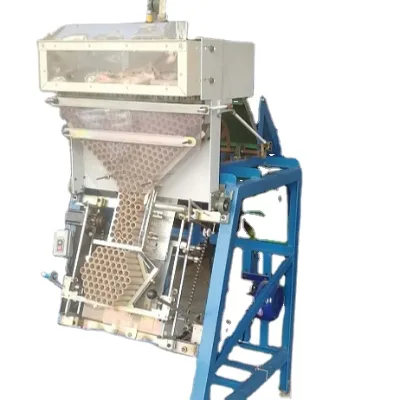
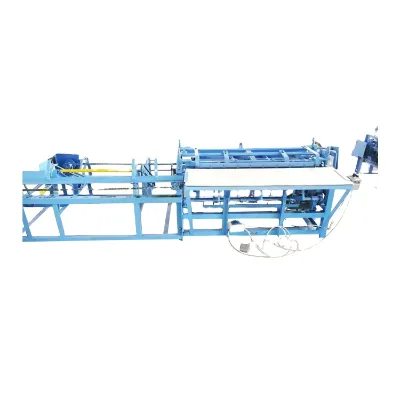
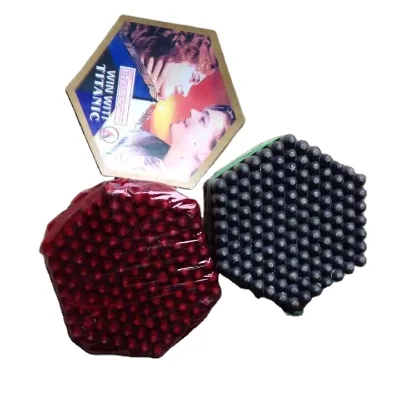
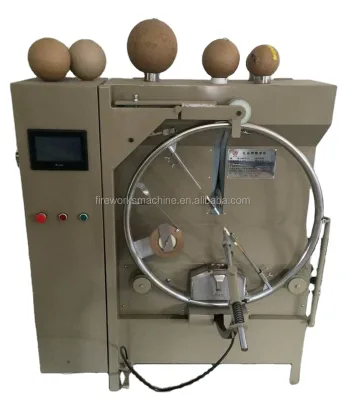
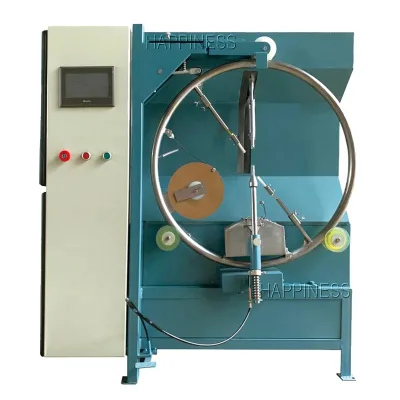
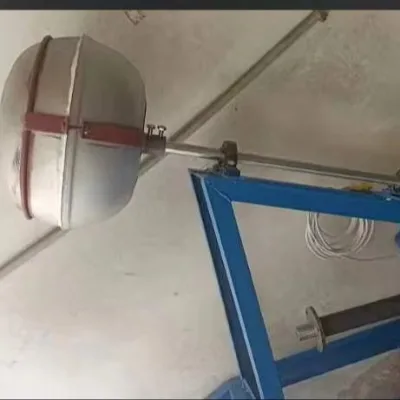
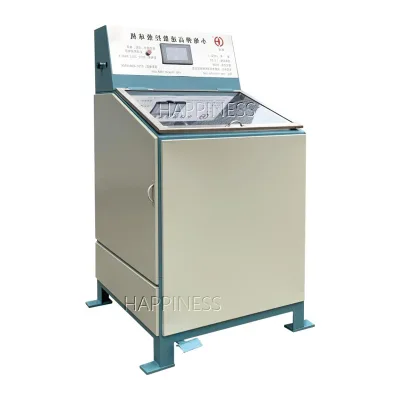
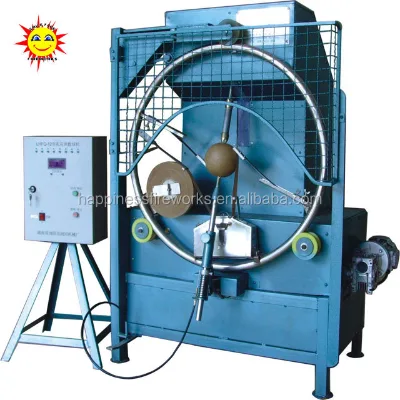
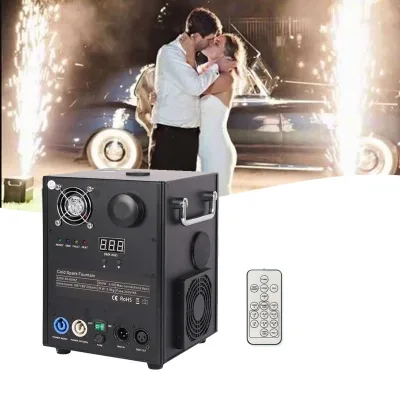
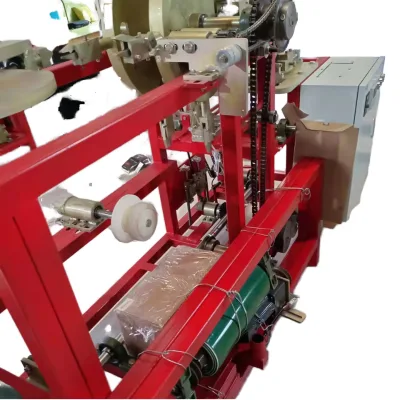


Pop Pops Fireworks Machine Wrapping Machine Using Chinese Firecrackers
$3800.00 - $4000.00
MOQ: 1 Pieces


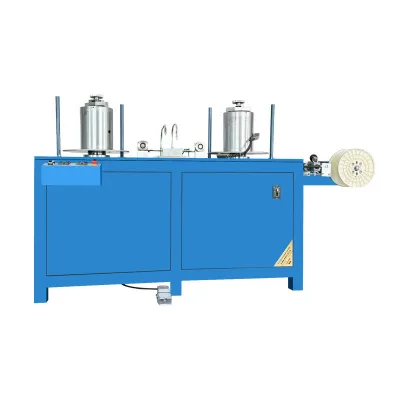

Electric Shrink Wrapping Machine for Optimal Performance and Speed Efficiency
$3500.00 - $4000.00
MOQ: 1 Pieces
Comprehensive Sourcing Guide
Strategic Sourcing Guide for Electric Pyrotechnics Shell Wrapping Machines
The global demand for specialized manufacturing equipment in the pyrotechnics sector continues to evolve, with a specific focus on automation and precision. For procurement professionals seeking an Electric Pyrotechnics Shell Wrapping Machine, the landscape is defined by a mix of automated capabilities, specific voltage requirements, and stringent safety considerations. This guide synthesizes available market data to provide a structured approach for evaluating potential suppliers and machinery. The objective is to navigate the complexities of sourcing equipment that balances operational efficiency with regulatory compliance, ensuring that the acquired machinery meets the rigorous standards required for handling fireworks and firecrackers.
Technical Specifications and Operational Capabilities
When evaluating an Electric Pyrotechnics Shell Wrapping Machine, the primary focus must be on the technical parameters that define its operational scope. The core component of these machines is typically the motor, which drives the wrapping mechanism. In the current market, electric driven types are prevalent, often operating on standard industrial voltages such as 220V or 380V. Specific models observed in the market utilize a 3KW power rating, which suggests a capacity for handling medium-to-large scale production runs. However, buyers must verify the exact power consumption against their local grid stability, as variations exist between 1.5KW and 3KW configurations depending on the specific model and automation level.
The physical dimensions of the machinery are a critical factor for factory floor planning. Observed specifications indicate a wide range of dimensions, from compact units measuring approximately 0.8m x 0.8m x 1.5m to larger industrial setups reaching 2.8m x 2.6m x 1.45m. Some models offer customizable dimensions to fit specific facility layouts, while others have fixed footprints like 960mm x 500mm x 1800mm. The output capacity is another vital metric; high-performance units may achieve speeds of up to 100 meters per minute, making them suitable for high-volume production environments. Conversely, slower mechanical driven types might be more appropriate for smaller batch operations or specialized shell sizes.
The machine's application extends beyond simple wrapping. These units are often designed as part of a broader production line, serving functions such as paper forming, tube bundling, and shell tape wrapping for shells ranging from 3 to 8 inches. The ability to handle web paper with diameters up to 1.2 meters and widths up to 1.7 meters indicates a high degree of flexibility in material handling. Buyers should confirm that the machine's divided width capability, which may be specified as greater than or equal to 30mm, aligns with the specific dimensions of the fireworks shells they intend to manufacture.
Compliance and Certification Verification
Safety and regulatory compliance are non-negotiable in the pyrotechnics industry. When sourcing an Electric Pyrotechnics Shell Wrapping Machine, the presence of valid certifications is the first line of defense against operational risks. The CE Certificate is a frequently observed certification for machinery originating from major manufacturing hubs, indicating that the equipment meets European health, safety, and environmental protection standards. However, the presence of a CE mark should be verified against the specific jurisdiction where the machine will be installed, as local regulations may require additional approvals.
Beyond general certifications, the machinery test report is a crucial document for due diligence. A provided machinery test report offers empirical evidence of the machine's performance under controlled conditions. This document should be reviewed to ensure that the machine has been tested for stability, safety interlocks, and operational consistency. The warranty period, which can range from 6 months to 1 year depending on the supplier and model, serves as a secondary indicator of the manufacturer's confidence in their product. A longer warranty period often correlates with higher build quality and more robust after-sales support structures.
Buyers must also scrutinize the core components listed in the product specifications. While motors are standard, some advanced models include PLC (Programmable Logic Controllers) and engines alongside the motor. The inclusion of a PLC suggests a higher level of automation and control, which can enhance safety by reducing manual intervention. However, the complexity of these components requires that the buyer's technical team is capable of maintaining and troubleshooting such systems. The "Automatic grade" of the machine is another specification to note; fully automatic machines reduce labor costs but may require more sophisticated maintenance protocols compared to semi-automatic or mechanical driven alternatives.
Cost Drivers and Pricing Structures
The pricing of electric pyrotechnics shell wrapping machines is influenced by a complex array of factors, resulting in a significant variance in market costs. Observed price ranges in the current market span from approximately $0.45 to $60,000 USD. This wide disparity is not indicative of a single product category but rather reflects the diversity of machinery available, from small, specialized tools to large, fully automated production lines. The lower end of the spectrum may correspond to basic components or smaller scale units, while the higher end typically encompasses fully integrated systems with advanced PLC controls and higher output capacities.
Several key factors drive the final cost of the equipment. The power rating is a primary determinant; machines with a 3KW power rating generally command a higher price than those with 1.5KW ratings due to the increased energy consumption and the robustness of the motor and drive systems. The level of automation is another significant cost driver. Fully automatic machines that offer features like "Easy To Operate" interfaces and integrated paper forming capabilities will be more expensive than mechanical driven models that require more manual input.
The supply ability of the manufacturer also impacts pricing. Suppliers offering a capacity of 1000 sets per month for specific models, such as bottom tube closing machines or pyrotechnics paper roll cutting machines, may offer competitive pricing due to economies of scale. However, buyers should be wary of suppliers claiming high supply abilities without the infrastructure to support them. The Minimum Order Quantity (MOQ) is another financial consideration, with observed ranges spanning from 1 to 3000 units. For buyers requiring a single unit for pilot testing, a low MOQ is essential, whereas large-scale procurement may benefit from bulk pricing tiers associated with higher MOQs.
Typical Applications and Production Scenarios
Electric pyrotechnics shell wrapping machines are designed for a variety of applications within the fireworks and firecracker manufacturing sectors. The primary use case involves the automated wrapping of shells, which is a critical step in the production of Roman candles, rockets, and other multi-shot fireworks. The machine's ability to handle different shell sizes, such as 3 to 8-inch shells, makes it versatile for manufacturers producing a diverse product portfolio. Additionally, these machines are often utilized in the production of paper tubes for firecrackers, where precision in bundling and forming is essential for safety and performance.
The "Occasion" attribute of the machinery, often listed as Christmas or New Year, reflects the seasonal nature of the fireworks industry. Manufacturers must be prepared to ramp up production significantly during holiday seasons, making the efficiency and speed of the wrapping machine a critical asset. Machines with high output capacities, such as those capable of processing up to 100 meters per minute, are particularly valuable during these peak periods. The versatility of the machine extends to its application in chemical and machinery hardware sectors, indicating that it can be integrated into broader manufacturing workflows beyond just fireworks.
Furthermore, the packaging material compatibility is a key consideration. The machines are often designed to work with paper products and wood packaging, which are common materials in the fireworks industry. The ability to handle web paper with specific width and diameter constraints ensures that the machine can utilize standard raw materials without requiring costly modifications. Buyers should also consider the "After-sales Service Provided" aspect, as overseas service centers or online support are critical for maintaining production continuity, especially for machines that may require specialized technical knowledge for repairs.
Supplier Evaluation and Geographic Considerations
Selecting the right supplier is as important as selecting the right machine. The "Place of Origin" is a significant indicator of the manufacturing ecosystem and supply chain reliability. Many of the observed products originate from Hunan, China, a region known for its concentration of pyrotechnics manufacturing. This geographic concentration suggests a mature supply chain with access to specialized components and skilled labor. However, buyers should not rely solely on the region; they must evaluate the specific supplier's track record, financial stability, and ability to meet delivery timelines.
The brand name "YOVON" is one example of a supplier observed in the market, but buyers should not limit their search to a single brand. Instead, they should look for suppliers that demonstrate transparency in their product attributes and provide comprehensive documentation. The "Selling Units" attribute, often listed as "Single item," indicates that suppliers are willing to sell individual units, which is beneficial for buyers testing the market or requiring small batch production. However, for larger orders, buyers should negotiate terms that reflect volume discounts and long-term partnership benefits.
Supplier evaluation should also include a review of their "Supply Ability." A supplier claiming a capacity of 1000 sets per month must be able to demonstrate the infrastructure to support this volume. Buyers should request evidence of past performance, such as references from other clients or case studies of successful deployments. The "Key Selling Points" of the machine, such as "Easy To Operate," should be validated through demonstrations or video evidence to ensure that the claims are accurate and that the machine meets the operational needs of the buyer's workforce.
Quality Control and Long-Term Procurement Strategy
Quality control is paramount when dealing with machinery that handles explosive materials. The "Machinery Test Report" provided by the supplier is a foundational document for quality assurance, but it should be supplemented with independent verification if possible. Buyers should ensure that the machine undergoes rigorous testing for safety features, including emergency stop mechanisms, safety guards, and automated shut-off systems. The "Warranty" period, ranging from 6 months to 1 year, should be clearly defined in the contract, outlining the scope of coverage for parts and labor.
Long-term procurement considerations involve the availability of spare parts and the quality of after-sales support. The "After-sales Service Provided" attribute, which may include overseas service centers or online support, is critical for minimizing downtime. Buyers should establish a clear communication channel with the supplier to ensure that technical support is readily available. The "Packaging Type" and "Packaging Material" of the machine itself, often listed as "Case" or "Wood," should be evaluated to ensure that the equipment is protected during transit, especially for international shipments.
In conclusion, sourcing an Electric Pyrotechnics Shell Wrapping Machine requires a meticulous approach that balances technical specifications, compliance requirements, and supplier reliability. By carefully evaluating the voltage, power, dimensions, and automation level of the machine, buyers can select equipment that meets their production needs. Verifying certifications, reviewing test reports, and understanding the cost drivers will help buyers make informed decisions. Finally, establishing a strong relationship with a reliable supplier ensures that the machinery will perform reliably over the long term, supporting the safety and efficiency of the fireworks manufacturing process.
FAQs
What certifications are available for these machines?
The machines typically come with a CE Certificate to ensure compliance with safety standards. Buyers should verify that the machinery test report is provided alongside the certification to confirm operational safety and performance under controlled conditions.
Can I get a machine with customizable dimensions?
Yes, many models offer customizable dimensions to fit specific factory layouts. Some units have fixed footprints like 0.8 by 0.8 by 1.5 meters, while others allow for tailored specifications to accommodate unique production space requirements.
What is the warranty period for this equipment?
Warranty periods generally range from 6 months to 1 year depending on the specific model and supplier. A longer warranty often indicates higher build quality and suggests the manufacturer provides robust after-sales support structures for long-term reliability.
How is the power consumption specified for these units?
Power ratings vary, with common configurations including 1.5KW and 3KW electric driven types. Buyers must verify the exact power consumption against their local grid stability, as variations exist between different automation levels and production capacities.
Where are these machines typically manufactured?
Most observed products originate from Hunan, China, a region known for its pyrotechnics manufacturing ecosystem. This location suggests a mature supply chain with access to specialized components, though buyers should still evaluate individual supplier track records.
What is the minimum order quantity for purchasing?
The minimum order quantity ranges from 1 to 3000 units depending on the supplier and specific model. Buyers requiring single units for pilot testing can find low MOQ options, while large-scale procurement may benefit from bulk pricing tiers.
Does the machine support overseas after-sales service?
Yes, some suppliers provide overseas service centers or online support for maintenance and troubleshooting. This support is critical for maintaining production continuity, especially for machines that may require specialized technical knowledge for repairs or calibration.