Source Electric Sponge Foam Crusher for Recycling, Shredding, and Reprocessing
Compare 30 Electric Sponge Foam Crusher models from Chinese manufacturers. These automatic machines process waste foam into plastic flakes, offering customized belt widths and capacities for efficient recycling operations; compare the available evidence and request quotations based on your requirements.
Key considerations
Products List


Hot Sale Waste Foam Scrap Sponge Crusher for Recycling Latex Foam Crusher
$2380.00 - $3280.00
MOQ: 1 Pieces
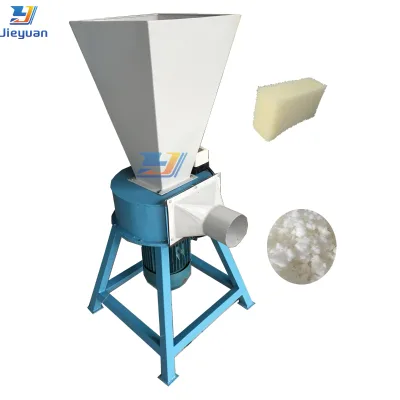
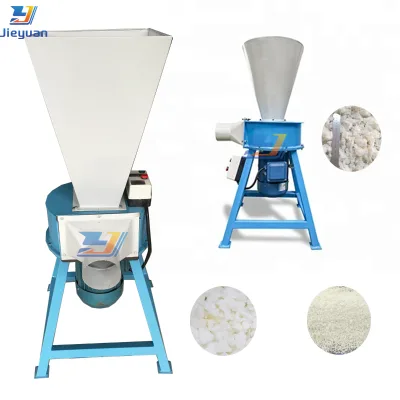


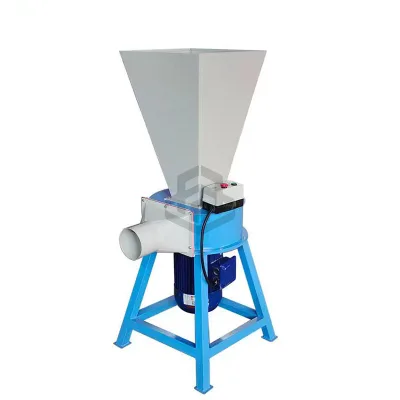
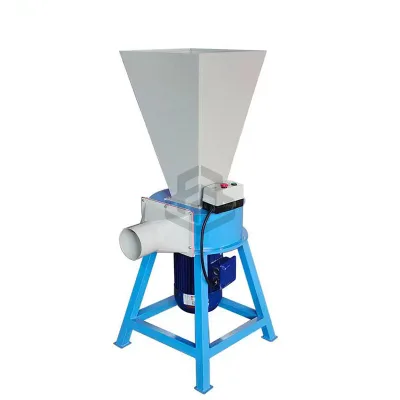
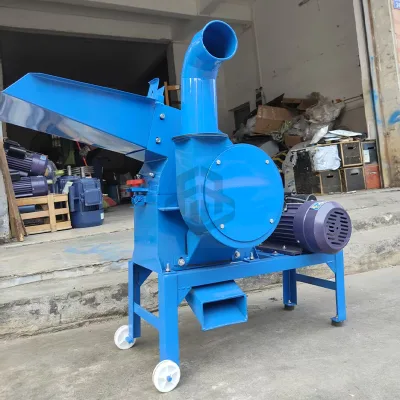
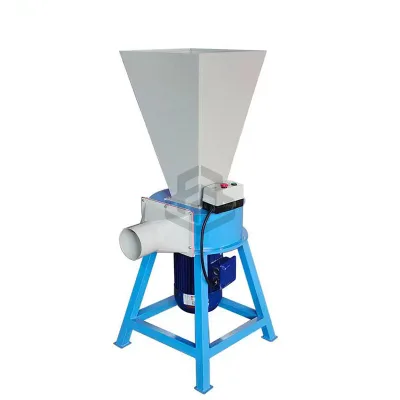
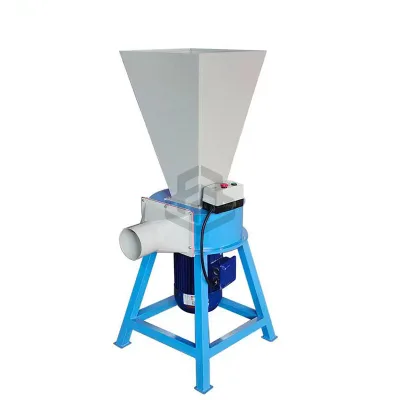
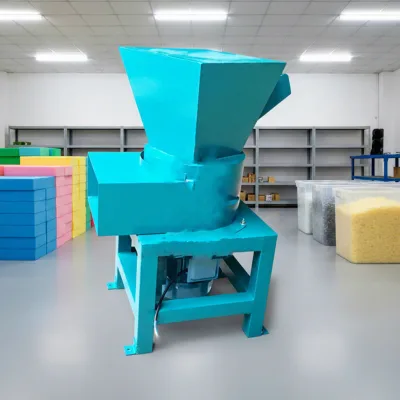


Comprehensive Sourcing Guide
Electric Sponge Foam Crusher Sourcing Guide
Buyers evaluating electric sponge foam crushers must first distinguish between machines designed for soft foam recycling and those capable of processing harder plastic flakes. The observed product listings indicate a primary focus on sponge foam, with specific models like the KV-HM50 and KVPM-100 explicitly marketed for crushing waste foam and sponge materials. However, some entries also reference plastic flakes and PET processing, suggesting a potential overlap in machinery capabilities that requires careful verification before purchase.
Procurement decisions should hinge on the specific output size and throughput requirements of the facility. Listings show an observed capacity range of 50 to 100 kg per hour, with output sizes typically falling between 8 and 16 mm. Buyers must confirm whether the machine's belt width, observed at 560 mm or 1000 mm, aligns with their feed volume to ensure the equipment can handle the intended production load without frequent bottlenecks or inefficiencies.
Product Scope and Observed Listing Signals
The market for electric sponge foam crushers presents a mix of specialized foam shredders and broader plastic recycling units. While many listings highlight the "Sponge Shredder Machine" and "Waste Sponge Foam Shredder" as core functions, some product descriptions include references to plastic flake processing and fiber opening machines. This variation signals that buyers must scrutinize the specific raw material compatibility, as a machine optimized for soft sponge may struggle with rigid plastics or mixed waste streams.
Commercial signals in the listings reveal a wide price variance, ranging from approximately 325 USD to over 12,000 USD, which likely reflects differences in motor power, automation levels, and build quality. The observed minimum order quantity is consistently one unit, indicating flexibility for small-scale operations, yet the power ratings vary significantly from 30 to 45 kW. Buyers should correlate these power specifications with their available electrical infrastructure to avoid costly retrofitting or underpowered performance.
Technical Specifications to Verify
Verification of the crushing mechanism is critical, as listings describe both single-screw configurations and solid knife rollers with flat knife classifications. The structural design, such as the tangential feed system, directly impacts the efficiency of material intake and the uniformity of the final plastic piece output. Buyers must request detailed diagrams to confirm that the knife roll configuration matches the hardness of the foam or plastic they intend to process, ensuring the machine does not jam or produce oversized fragments.
Capacity and physical dimensions are equally vital for facility planning, with observed models like the MCF-800 and KV-560 having distinct footprint requirements. Some specifications list standard dimensions around 1700 by 1400 by 2000 mm, while others focus on belt width variations of 560 mm or 1000 mm. Procurement teams must validate these physical constraints against their available floor space and ensure the machine's weight, noted around 1500 kg in some entries, can be supported by the facility's flooring.
Compliance and Safety Documentation
Safety compliance is a primary concern, with CE certification appearing frequently in the product attributes alongside ISO9001:2008 standards for condition and new status. Buyers should explicitly request the full CE declaration of conformity and the specific technical files that demonstrate the machine meets European safety directives for machinery. Relying solely on the presence of a CE mark in a listing is insufficient; the documentation must verify that the electrical components and safety guards meet the specific requirements for industrial shredding operations.
Quality management systems also play a role in ensuring consistent production safety and reliability. The presence of ISO9001 certification suggests the manufacturer adheres to standardized quality control processes, which is essential for maintaining the machine's performance over time. Buyers must verify that the certification is current and covers the specific manufacturing site, as this ensures that the production of the Electric Sponge Foam Crusher follows rigorous protocols for material handling and assembly safety.
Cost Drivers and Commercial Terms
The total cost of ownership is heavily influenced by the automation level and the specific customization options available. Listings indicate that customization is available and that the machines are often computerized, which can increase the initial purchase price but may reduce long-term labor costs. Buyers should evaluate whether the "Automatic Grade" and "Automation" features are fully integrated or if they require significant manual intervention, as this distinction will impact the operational efficiency and staffing requirements of the recycling line.
Packaging and shipping logistics represent another significant cost driver, with wooden box packages being the standard for these heavy industrial units. The origin of the machines, primarily from Henan and Zhengzhou in China, implies specific shipping routes and potential customs duties that must be factored into the budget. Buyers should clarify the Incoterms and ensure that the wooden packaging meets international phytosanitary standards to prevent delays at the destination port, which could otherwise disrupt the project timeline.
Supplier Qualification and Quality Control
Supplier qualification requires a deep dive into the manufacturer's origin and their track record with similar machinery. The observed product origins are concentrated in Henan and Zhengzhou, regions known for heavy machinery manufacturing, but buyers must verify the specific factory's experience with sponge foam crushers versus general plastic crushers. Requesting references from previous international clients who have purchased similar models, such as the KV-HM50 or KVPM-100, will provide insight into the supplier's reliability and after-sales support capabilities.
Quality control processes should be validated through third-party inspection reports or factory audit results before finalizing the order. Since the listings mention "Condition: New" and various certifications, buyers should ensure these claims are backed by tangible evidence, such as factory acceptance test (FAT) videos or detailed inspection checklists. This verification step is crucial to confirm that the machine's structural integrity, electrical safety, and performance metrics meet the agreed-upon specifications before it leaves the manufacturing facility.
Long-Term Procurement Checks
Long-term procurement success depends on the availability of spare parts and the durability of the crushing components. The listings mention specific knife types and roller structures, which are high-wear items that will require replacement over time. Buyers must confirm the lead time for spare parts, such as flat knives or solid knife rollers, and ensure that the supplier maintains a stock of these critical components to minimize downtime during the machine's operational life.
Maintenance and operational support are also key factors for sustaining the machine's performance and recycling efficiency. The "100% Recycling" advantage claimed in some listings relies heavily on the machine's ability to maintain consistent output sizes and throughput rates. Buyers should establish a clear maintenance schedule with the supplier, including training for local operators on how to handle the single-screw or tangential feed systems, to ensure the equipment continues to meet the facility's production goals for years to come.
FAQs
What is the processing capacity of the Electric Sponge Foam Crusher?
The machine typically processes 50 to 100 kilograms of sponge foam per hour. This capacity range supports efficient recycling operations for waste foam materials. Operators can select models like KV-HM50 or KV-HM100 to match specific throughput requirements. The output size generally ranges from 8 to 16 mm for consistent plastic flakes.
Can the Electric Sponge Foam Crusher be customized for specific needs?
Yes, customization is available for the Electric Sponge Foam Crusher. Buyers can request specific belt widths, such as 560 mm or 1000 mm, to fit their production line. The color and other attributes can also be adjusted to meet customer requirements. This flexibility ensures the machine integrates smoothly into existing recycling workflows.
What certifications do the electric sponge foam crushers hold?
The electric sponge foam crushers hold CE and ISO9001 certifications. These standards confirm the equipment meets international safety and quality management requirements. The machines are supplied in new condition with automatic operation features. Buyers can rely on these certifications for compliance in various global markets.
How is the Electric Sponge Foam Crusher packaged for shipping?
The machine is packaged in a wooden box for secure transport. This packaging protects the equipment during international shipping from origins like Henan or Zhengzhou. The sturdy wooden crate ensures the crusher arrives in optimal condition. Buyers should verify packing details with suppliers to ensure safe delivery.
What is the power consumption of the Electric Sponge Foam Crusher?
The power consumption ranges from 30 to 45 kilowatts. This energy usage supports the crushing of sponge foam and plastic materials efficiently. The machine features a single-screw design for consistent processing. Buyers can calculate operational costs based on this power range and local electricity rates.
Which materials can the Electric Sponge Foam Crusher process?
The machine primarily processes sponge foam, EPS foam, and PE foam. It can also handle plastic flakes and PET materials in some configurations. The crushing function effectively reduces waste foam into smaller pieces for recycling. This versatility makes it suitable for various plastic recycling applications.