Source Electric Stage Smoke Bomb Machine for concerts, clubs, and festivals
Compare 30 Electric Stage Smoke Bomb Machine listings from Guangdong, China, featuring LED fog effects, CO2 confetti options, and bubble machines with varying power, range, and control methods for professional events.
Key considerations
Products List
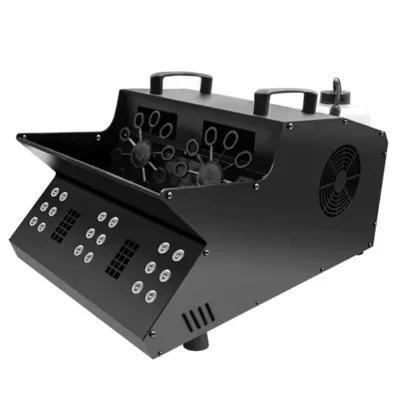
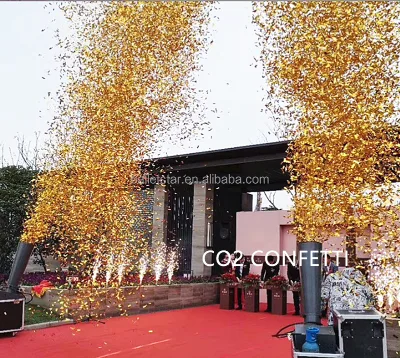
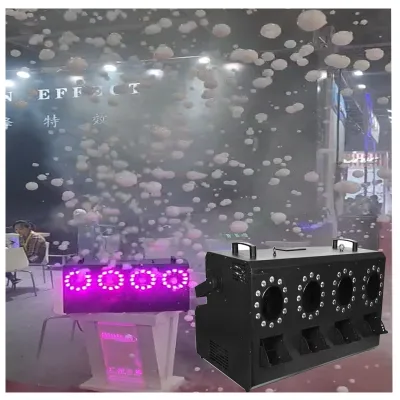


$99.00 - $399.00
MOQ: 1 Pieces

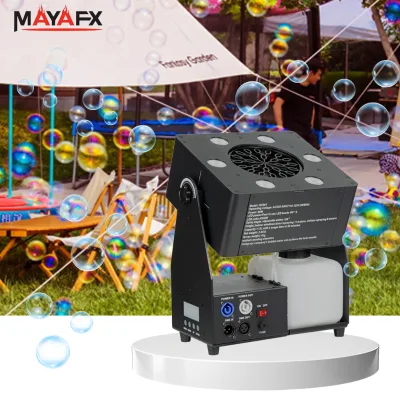
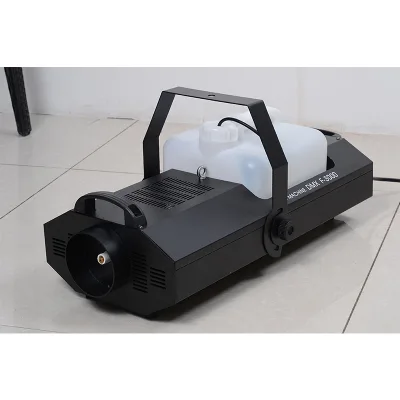

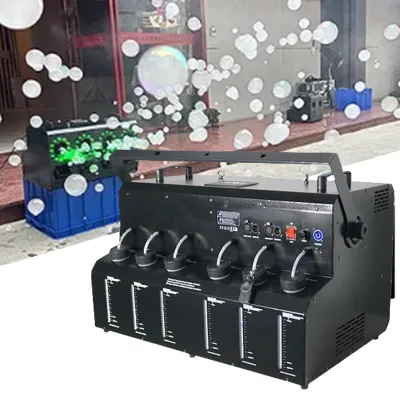


Comprehensive Sourcing Guide
Strategic Sourcing Guide for Electric Stage Smoke Bomb Machines
Procuring electric stage smoke bomb machines requires a rigorous understanding of technical specifications, operational safety, and supply chain reliability. These devices are critical for live events, theatrical productions, and concert tours where atmospheric effects must be delivered with precision and safety. The following guide outlines the essential factors buyers must evaluate when sourcing these specialized lighting and effect units, ensuring alignment with project requirements and safety standards.
Technical Specifications and Performance Metrics
When evaluating electric stage smoke bomb machines, the primary focus must be on the core performance metrics that define the visual impact. The supplied data indicates a significant variance in power consumption and output capabilities across different models. For instance, high-output units may operate at 1500W or even 3000W, while smaller, specialized units might function at 250W. Buyers must verify the voltage compatibility, as observed ranges include AC110V, 220V, and dual-voltage options (AC110/220V) with frequencies of 50-60Hz. Selecting a unit with the correct voltage rating is essential to prevent equipment failure or electrical hazards in different regions.
The physical dimensions and weight of the machine are equally critical for logistics and stage setup. Observed single package sizes vary widely, ranging from approximately 61x41x38 cm to larger configurations like 93x46x106 cm. The gross weight can range from 12 kg to over 50 kg depending on the model and included accessories such as flight cases. For mobile productions, the weight and dimensions directly impact the number of units that can be transported in a single vehicle and the labor required for setup.
Performance capabilities, such as smoke spraying distance and bubble height, are key differentiators. Some units are engineered to project smoke up to 8 meters, while others may achieve bubble heights of 6 meters. The preheating time is another operational constraint; observed data suggests a range of 3-5 minutes for the unit to reach optimal operating temperature. Buyers should ensure that the preheating time aligns with the pacing of their event schedule to avoid delays during critical moments.
Fluid Capacity and Consumable Requirements
The efficiency of a smoke or bubble machine is heavily dependent on its fluid capacity and the type of consumables it utilizes. The market offers units with varying oil barrel capacities. Specific observations note capacities of 1.5 liters for tobacco oil and 2.5 liters for bubble oil in certain models, while others may have a single 1-liter capacity for bubble oil. Understanding the consumption rate relative to the event duration is vital for planning. A machine with a larger capacity reduces the frequency of refills, which is crucial for long-duration shows where manual intervention is difficult or impossible.
Consumables extend beyond just oil. Some advanced units, such as CO2 confetti machines, utilize carbon dioxide, nitrogen, or paper scraps. The power supply for these specific units may differ, with some relying on gas sources rather than purely electrical power. Buyers must verify the specific consumable requirements for each model. For electric smoke machines, the type of fog fluid (water-based vs. oil-based) must be compatible with the machine's heating element to prevent clogging or damage. The net weight of the unit, observed at 51 kg for some models, often includes the structural integrity needed to hold these consumables safely during operation.
Control Systems and Operational Flexibility
Modern stage effects require sophisticated control methods to integrate seamlessly with lighting rigs and sound systems. The observed control methods for these machines include remote control, DMX512 control, and digital display interfaces. High-end models often feature 7-channel DMX control, allowing for granular adjustment of effects such as intensity, duration, and timing. This level of control is essential for synchronization with music beats or scripted scene changes.
The distinction between DMX512 and electronic control is significant. While some units offer both, others may rely solely on one method. For large-scale productions, DMX512 is the industry standard, enabling the machine to be controlled from a central lighting console. However, for smaller events or backup scenarios, a remote control provides immediate, localized operation. The presence of an LCD control panel further enhances usability, allowing operators to monitor settings and adjust parameters directly on the unit. Buyers should verify the specific control protocols supported by the machine to ensure compatibility with their existing stage infrastructure.
Compliance, Certification, and Safety Standards
Safety is paramount when dealing with high-temperature heating elements and pressurized fluid systems. While specific certification statuses should be verified on a per-unit basis, the industry generally looks for compliance with standards such as CE and RoHS. These certifications indicate that the product meets European health, safety, and environmental protection requirements. Buyers must request valid certification documents from the supplier to confirm that the unit has undergone rigorous testing for electrical safety and material toxicity.
The warranty period is another indicator of manufacturer confidence and product reliability. Observed warranty terms range from 3 months to 1 year. A longer warranty period often suggests a higher quality build and better after-sales support. However, buyers should carefully read the terms and conditions to understand what is covered, such as manufacturing defects versus wear and tear on consumable parts like heating coils or pumps. Additionally, the product type classification, such as "Effect Of Light" or "Smoke machine," helps in categorizing the equipment for insurance and regulatory purposes.
Cost Drivers and Procurement Economics
The price of electric stage smoke bomb machines is influenced by several factors, including power output, control complexity, build quality, and included accessories. The observed price range in the market spans from $17 to $715 USD, reflecting a broad spectrum of product tiers. Lower-priced units may be basic models with limited control options and smaller fluid capacities, suitable for small venues or practice sessions. Higher-priced units typically offer advanced DMX control, larger capacities, and more durable construction, making them ideal for professional touring productions.
The Minimum Order Quantity (MOQ) is another economic factor. Observed MOQs range from 1 to 10 units, offering flexibility for buyers who need to purchase a single unit for a specific event or multiple units for a fleet. The selling units are typically listed as single items, but bulk purchasing may offer cost advantages. Buyers should also consider the cost of consumables and replacement parts over the lifecycle of the machine. A machine with a lower upfront cost but higher fluid consumption or frequent maintenance needs may prove more expensive in the long run.
Supplier Evaluation and Quality Assurance
Selecting a reliable supplier is critical for ensuring product quality and timely delivery. The observed data indicates that many products originate from Guangdong, China, a major hub for entertainment lighting and effects manufacturing. Buyers should verify the supplier's reputation, production capacity, and history of delivering similar products. While specific supplier names should not be recommended, buyers can look for evidence of consistent quality through customer reviews, case studies, and industry references.
Quality control processes should be a key part of the supplier evaluation. Buyers should inquire about the testing procedures used before shipment, including electrical safety tests, fluid flow tests, and control system verification. The inclusion of a flight case in the packaging is a positive indicator of the supplier's attention to protecting the product during transit. For high-value or sensitive equipment, requesting a pre-shipment inspection report can provide additional assurance.
Long-Term Procurement and Maintenance Considerations
Sourcing electric stage smoke bomb machines is not just a one-time transaction but the beginning of a long-term operational relationship. Buyers should consider the availability of spare parts, such as heating elements, pumps, and control boards, to minimize downtime. The warranty terms, ranging from 3 months to 1 year, should be weighed against the expected usage intensity. For high-frequency users, a comprehensive service agreement or extended warranty may be necessary.
The environmental impact of the consumables used should also be considered. While water-based fluids are generally safer and easier to dispose of, oil-based fluids may require specific handling procedures. Buyers should ensure that the chosen machine and its consumables align with local environmental regulations and venue policies. Finally, the training of operators is essential. A machine with complex control features, such as 7-channel DMX, requires skilled personnel to operate effectively. Investing in training or selecting a machine with an intuitive interface can enhance the overall value of the procurement.
Comparative Analysis of Key Product Attributes
To facilitate decision-making, the following table summarizes the key attributes observed in the market for electric stage smoke and effect machines. This comparison highlights the diversity in specifications and helps buyers identify the features most relevant to their specific needs.
| Attribute | Low-End / Basic Model | High-End / Professional Model |
|---|---|---|
| Power Consumption | 250W - 300W | 1500W - 3000W |
| Voltage | 110V - 220V | AC110/220V, 50-60Hz |
| Control Method | Remote Control | DMX512, LCD Panel, Remote |
| Fluid Capacity | 1L - 1.5L | 2.5L (Bubble/Tobacco) |
| Output Distance | Standard | Up to 8 meters (Smoke), 6m (Bubble) |
| Preheating Time | 3-5 Minutes | 3-5 Minutes |
| Warranty | 3 Months | 1 Year |
| Package | Standard Box | Flight Case |
| Weight | 12 kg - 28 kg | 35 kg - 51 kg |
This table illustrates that while basic models offer essential functionality, professional models provide superior performance, control, and durability. Buyers must balance these attributes against their budget and operational requirements to make an informed decision.
Conclusion
Sourcing electric stage smoke bomb machines requires a meticulous approach that balances technical performance, safety compliance, and economic efficiency. By carefully evaluating specifications such as power, fluid capacity, and control methods, buyers can select units that meet the demands of their specific applications. Verifying certifications, understanding warranty terms, and assessing supplier reliability are essential steps to mitigate risk and ensure long-term success. With the wide range of options available, from compact 250W units to high-output 3000W systems, the key lies in matching the right equipment to the specific needs of the production environment.
FAQs
What is the power consumption range for these machines?
Power consumption ranges from 250W to 3000W depending on the model. High-output units operate at 1500W or 3000W, while smaller specialized units function at 250W to meet different event needs.
How long does the preheating process take before operation?
The preheating time typically takes between 3 to 5 minutes for the unit to reach optimal operating temperature. This duration is critical for ensuring the machine functions correctly during live events.
Which control methods are available for these effect units?
Control methods include remote control, DMX512, and digital display interfaces. Some high-end models feature 7-channel DMX control for granular adjustment of effects like intensity and timing.
What is the maximum smoke spraying distance achievable?
Some units are engineered to project smoke up to 8 meters. This performance capability is a key differentiator for large venues requiring long-range atmospheric effects.
Can the machines operate on different voltage standards?
Yes, the machines support AC110V, 220V, and dual-voltage options with frequencies of 50-60Hz. Selecting the correct voltage rating is essential to prevent equipment failure in different regions.
What is the warranty period for these products?
Warranty terms range from 3 months to 1 year depending on the manufacturer. A longer warranty period often suggests higher quality build and better after-sales support for the buyer.
How much fluid capacity do the oil barrels hold?
Specific models offer capacities of 1.5 liters for tobacco oil and 2.5 liters for bubble oil. Other units may have a single 1-liter capacity for bubble oil to reduce refill frequency.
Where are these machines typically manufactured?
Many products originate from Guangdong, China, which is a major hub for entertainment lighting manufacturing. Buyers should verify the supplier's reputation and production capacity in this region.