Source Electric Soda Water Filling Machine for Carbonated, Soda, and Aqua
Find 30 electric soda water filling machines with capacities up to 30,000 bottles per hour. Buyers can compare rotary and volumetric models featuring PLC control and stainless steel construction for carbonated drink, soda water, and bottled aqua applications.
Key considerations
Products List


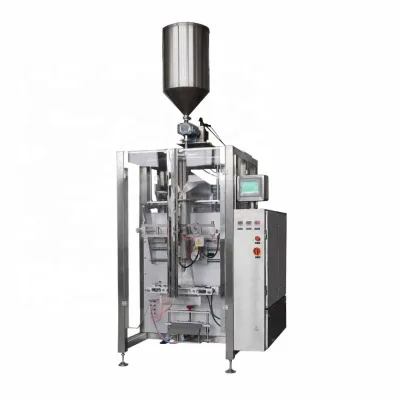


Automatic Soda Water Bottling Machines Liquid Filling Machines Bottle Capping Packing Machines
$13000.00 - $150000.00
MOQ: 1 Pieces

High Automation Soda Water Filling Machine / Carbonated Drink Filling Machine
$7638.00 - $9166.00
MOQ: 1 set


Factory Price 6000bph~8000bph Soda Water Bottle Carbonated Drink Filling Machine
$29000.00 - $29500.00
MOQ: 1 Sets
Comprehensive Sourcing Guide
Electric Soda Water Filling Machine Sourcing Guide
Selecting the right Electric Soda Water Filling Machine requires a careful balance of technical precision, regulatory compliance, and commercial viability. These machines are specialized pieces of industrial equipment designed to handle the unique challenges of carbonated beverages, including pressure management, foam control, and precise volumetric dosing. Buyers must navigate a market where specifications vary significantly between models, ranging from basic rotary systems to advanced fully automatic lines with PLC control. Understanding the core components, such as the filling valve head, dosing device, and lifting structure, is essential for ensuring the equipment matches your production volume and product viscosity.
This guide provides evidence-based procurement advice for sourcing electric soda water filling machines, focusing on verified attributes and industry standards. By examining observed listing signals, technical specifications, and compliance requirements, buyers can make informed decisions that minimize risk and maximize operational efficiency. The following sections detail the critical factors to consider, from verifying the automatic grade and material type to understanding warranty terms and after-sales service provisions. This structured approach ensures that procurement teams can evaluate suppliers objectively and select machinery that aligns with their specific production needs.
Product Scope and Observed Listing Signals
The market for electric soda water filling machines presents a diverse range of options, with observed listing prices spanning from $2,000 to $300,000 USD. This wide variance reflects differences in automation levels, capacity, and brand reputation, with minimum order quantities (MOQ) typically set at one unit for most suppliers. Buyers should note that while some listings advertise basic volumetric filling machines, others specify advanced features such as multi-head filling valves and PLC control systems. The observed data indicates that customization is widely available, allowing buyers to tailor the machine to specific bottle sizes and production speeds, which is crucial for maintaining flexibility in a dynamic market.
Observed product attributes reveal a strong emphasis on automatic operation, with many machines classified as either automatic or fully automatic. Key structural features include rotary designs, multi-room feeding systems, and pneumatic or chute lifting structures for packaging containers. The filling principle often cited is back pressure, which is critical for maintaining carbonation levels during the filling process. Additionally, the use of food-grade stainless steel 304/316 and plastic packaging materials is common, ensuring hygiene and durability. Buyers should verify these attributes against their specific requirements, as not all listed products may satisfy every observed characteristic, and some listings may combine features from different machine types.
Technical Specifications to Verify
When evaluating technical specifications, buyers must prioritize the filling range and capacity to ensure alignment with production goals. Observed data indicates filling ranges typically span from 250ml to 2000ml, with capacities ranging from 2,000 to 16,000 bottles per hour (bph) for some models, while others offer up to 30,000 bph. It is essential to verify the actual capacity under load, as nominal ratings may not reflect real-world performance. The dosing device, whether plunger, rotor, or surface type, should be selected based on the desired precision and speed. Additionally, the filling valve head configuration, such as multi-head setups, impacts throughput and should be matched to the required production volume.
The control system and voltage requirements are critical for integration into existing factory infrastructure. Many machines feature PLC control with Siemens touch screens, providing intuitive operation and precise monitoring. Buyers should confirm the voltage specifications, which are often listed as 3-phase or 380V, to ensure compatibility with local power supplies. The automation grade, whether automatic or fully automatic, determines the level of human intervention required, with fully automatic systems offering higher efficiency but potentially higher complexity. Verifying these technical details with the supplier is crucial to avoid integration issues and ensure seamless operation.
Compliance and Safety Documentation
Compliance with international standards is non-negotiable for food and beverage machinery, and buyers must verify that suppliers provide the necessary certifications. Observed listings frequently mention CE certificates, ISO 9001, and SGS certifications, which indicate adherence to quality and safety standards. However, buyers should request copies of these certificates and verify their validity with the issuing bodies. The presence of a CE mark, in particular, is essential for machines intended for use in European markets, as it signifies compliance with health, safety, and environmental protection standards.
Safety documentation should also include detailed operational manuals and maintenance guidelines. Buyers should ensure that the supplier provides comprehensive documentation covering electrical schematics, hydraulic diagrams, and troubleshooting procedures. This documentation is vital for training operators and maintaining the machine over its lifespan. Additionally, buyers should verify that the machine meets local safety regulations, which may require additional certifications or modifications. Ensuring that all compliance documentation is complete and up-to-date reduces the risk of regulatory penalties and operational disruptions.
Cost Drivers and Commercial Terms
The cost of an Electric Soda Water Filling Machine is influenced by several factors, including automation level, capacity, and material quality. Observed price ranges from $2,000 to $300,000 USD reflect these variations, with higher prices typically associated with fully automatic systems and greater capacities. Buyers should consider the total cost of ownership, including installation, training, and maintenance, rather than focusing solely on the initial purchase price. Customization options, such as specific filling ranges or packaging container lifting structures, may also impact the final cost.
Commercial terms, including warranty and after-sales service, are critical components of the procurement decision. Observed data indicates that many suppliers offer a 12-month warranty and provide engineers available to service machinery overseas. Buyers should clarify the scope of the warranty, including what components are covered and the response time for service requests. Additionally, understanding the terms for spare parts availability and technical support is essential for minimizing downtime. Negotiating favorable commercial terms can significantly reduce long-term operational costs and enhance the overall value of the investment.
Supplier Qualification and Quality Control
Supplier qualification is a key step in ensuring the reliability and quality of the Electric Soda Water Filling Machine. Buyers should verify the supplier’s manufacturing capabilities, including their production facilities and quality control processes. Observed data indicates that many suppliers are located in Zhangjiagang City, Jiangsu Province, China, a region known for its machinery manufacturing expertise. However, buyers should conduct due diligence to assess the supplier’s reputation, including their track record, customer reviews, and industry certifications.
Quality control measures should be implemented throughout the procurement process, from initial inquiry to final delivery. Buyers should request detailed specifications and performance data for the machine, and consider conducting factory audits or third-party inspections. Packaging standards, such as export standard packages or wooden cases, should be verified to ensure safe transportation. Additionally, buyers should establish clear communication channels with the supplier to address any issues promptly. Implementing robust quality control measures helps mitigate risks and ensures that the machine meets the required standards.
Long-Term Procurement Checks
Long-term procurement success depends on establishing strong relationships with suppliers and ensuring ongoing support. Buyers should prioritize suppliers who offer comprehensive after-sales service, including technical support, spare parts availability, and maintenance training. Observed data indicates that many suppliers provide engineers available to service machinery overseas, which is crucial for resolving issues quickly and minimizing downtime. Buyers should clarify the terms of service agreements, including response times and coverage areas, to ensure adequate support.
Regular maintenance and performance monitoring are essential for extending the lifespan of the Electric Soda Water Filling Machine. Buyers should develop a maintenance schedule based on the manufacturer’s recommendations and track key performance indicators, such as filling accuracy and production speed. Additionally, staying informed about industry trends and technological advancements can help buyers identify opportunities for upgrades or replacements. By focusing on long-term procurement checks, buyers can ensure that their investment continues to deliver value and support their production goals.
FAQs
What is the filling capacity range for this machine?
The machine supports a filling range of 250 to 2000 milliliters per bottle. This capacity allows for versatile production of various beverage sizes while maintaining high precision through its rotary structure and volumetric filling type.
Can the machine handle carbonated drinks effectively?
Yes, this unit is specifically designed as a carbonated drink filling machine. It utilizes a back pressure filling principle to preserve carbonation levels while ensuring accurate dosing for bottled soda water and similar beverages.
Which certifications does the equipment hold?
The machine holds CE, ISO 9001, and SGS certifications. These standards confirm compliance with international safety and quality requirements, ensuring the equipment meets rigorous manufacturing protocols for food-grade stainless steel construction.
How is the machine controlled and automated?
Automation is managed via a PLC control system with a Siemens touch screen interface. This setup enables fully automatic operation, allowing operators to easily monitor and adjust parameters for consistent production efficiency.
What is the warranty period for this equipment?
The product comes with a standard 12-month warranty coverage. Additionally, engineers are available to provide overseas service, ensuring long-term operational support and maintenance assistance for international buyers.
Can the machine be customized for specific needs?
Customization is available to meet specific production requirements. Buyers can request tailored configurations for packaging materials, feeding structures, or lifting mechanisms to align with their unique facility layouts and output goals.
What is the production capacity of the machine?
Production capacity ranges from 2000 to 16000 bottles per hour depending on the specific model configuration. This high throughput makes it suitable for large-scale beverage manufacturing operations requiring consistent and rapid filling.