Source Electronic Digital Textile Meter Counter for Cable, Wire, and Rope Length
Find 30 Electronic Digital Textile Meter Counter units from Jiangsu and Anhui suppliers. Compare specifications like 1-100mm cable diameter, 1/1000 accuracy, and 220V electric drive for wire and cable length measurement applications.
Key considerations
Products List


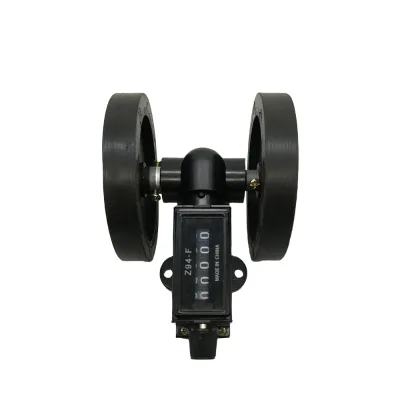
High Precision Meter Counter Length Counter for Electric Wire and Cable
$545.00 - $550.00
MOQ: 1 Pieces


High Precision Digital Display Meter Counter for Cable Wire Length Measurement
$400.00 - $589.00
MOQ: 1 Pieces

Professional-Grade Electronic Meter Counter for Digital Length Measurement Tasks
$400.00 - $589.00
MOQ: 1 Pieces

Digital Length Measuring Counter Meter for Efficient Meter Counting Solutions
$400.00 - $589.00
MOQ: 1 Pieces


Comprehensive Sourcing Guide
Strategic Sourcing Guide for Electronic Digital Textile Meter Counters
Understanding Core Technical Specifications and Operational Parameters
When sourcing electronic digital textile meter counters, buyers must first establish a clear understanding of the technical parameters that define machine performance. These devices are engineered to provide precise length measurements for various materials, including wires, cables, and textile yarns. The operational efficiency of these units often hinges on the driven type and the automation level. In the current market, electric-driven systems are prevalent, offering consistent power delivery for continuous operation. The automation status is typically "Automatic," ensuring that the counting process requires minimal manual intervention once the material is fed into the system.
A critical specification to verify is the contact surface mechanism. Some units utilize a belt-based contact surface, which is ideal for materials that require gentle handling to prevent surface damage. Conversely, other models may feature electronic contact surfaces designed for high-speed data transmission. The accuracy of the measurement is paramount; buyers should look for systems boasting a meter accuracy of 1/1000, which ensures high precision in length calculations. The display interface is another vital component, with electronic displays being the standard for real-time data visualization. These displays often include features such as "with Display" and may offer non-adjustable bracket options depending on the specific model configuration.
The physical dimensions of the machine are equally important for facility planning. Observed specifications indicate a wide range of machine sizes, from compact units measuring 403050cm to larger industrial models reaching 7049129cm. The weight of these units also varies, with some models weighing approximately 45kg, while others may be heavier depending on the internal construction and the materials used. Buyers must ensure that the chosen machine size fits within their available floor space while maintaining adequate clearance for maintenance and operation. The applicable scenario for these devices is primarily wire and cable length measurement, though they are also suitable for textile applications where length verification is critical.
Compliance, Certification, and Standard Verification
Navigating the compliance landscape is essential for any procurement of industrial equipment. While specific certification statuses can vary by manufacturer, buyers should prioritize units that carry recognized international certifications. The most common certifications observed in this sector include CE and ISO marks. These certifications indicate that the product meets specific safety, health, and environmental protection requirements. It is crucial to verify that the certification documents are current and applicable to the specific model being purchased, as certifications are often model-specific rather than blanket approvals for a supplier.
In addition to safety certifications, buyers must examine the product standards and specifications provided by the manufacturer. Standards such as LD50A or specific model-based standards like MD12 and GS may be referenced in product documentation. These standards often dictate the manufacturing tolerances, material quality, and performance benchmarks that the machine must meet. For instance, the standard for a specific model might be defined by its physical dimensions, such as 7049129cm, serving as a baseline for quality control.
Buyers should also be aware of the country of origin and the specific manufacturing locations, as these can influence compliance with local regulations. Common origins for these devices include regions in China, such as Jiangsu, Suzhou, and Anhui. While the country of origin is a factual attribute, it does not inherently guarantee quality; rather, it provides context for the supply chain. The verification process should include a request for valid certification copies and a review of the product standard documentation to ensure alignment with the buyer's internal compliance requirements.
Cost Drivers and Pricing Structure Analysis
The pricing of electronic digital textile meter counters is influenced by a complex array of factors, resulting in a significant range in market values. Observed price points in the market can vary from as low as $0.37 to as high as $1390. This wide disparity is not necessarily indicative of quality differences alone but reflects variations in capacity, customization, and the specific features included in each unit. The Minimum Order Quantity (MOQ) is another critical cost driver, with observed ranges spanning from 1 unit to 5000 units.
For buyers seeking a single unit or a small batch, the per-unit cost may be higher due to the lack of economies of scale. Conversely, purchasing in bulk can significantly reduce the average cost per unit. The customization options available also play a substantial role in pricing. Products that support customization, such as specific color requirements (e.g., Blue and Other), tailored dimensions, or unique display configurations, often command a premium over standard off-the-shelf models. The warranty period, typically observed as 12 months, is another factor that can influence the initial price, as extended warranties or comprehensive support packages may be bundled into the cost.
Buyers should also consider the packaging requirements, which can add to the overall cost. Standard packaging often involves wooden crates or wooden packages, which are robust and suitable for international shipping but add to the weight and volume of the shipment. The voltage requirements, such as 220V, must also be aligned with the buyer's local infrastructure to avoid additional costs for transformers or electrical modifications. Understanding these cost drivers allows buyers to make informed decisions that balance budget constraints with performance needs.
Typical Applications and Usage Scenarios
Electronic digital textile meter counters are designed for a variety of industrial applications, with a primary focus on length measurement. The core function of these devices is to count the length of materials as they pass through the machine, providing accurate data for production and quality control. The "Counter Meter Manufacturers" often highlight the versatility of these units, which can be adapted for different materials and production environments.
One of the most common applications is in the wire and cable industry, where precise length measurement is critical for inventory management and order fulfillment. The machines are capable of handling cables with diameters ranging from 1mm to 100mm, making them suitable for a wide range of cable types. The "Crawler Style" meter type is particularly effective for this application, as it provides a stable and consistent measurement process. The "Synchronous Counter" carry mode ensures that the measurement is synchronized with the movement of the material, reducing errors and improving overall accuracy.
In the textile industry, these counters are used to measure the length of yarns and fabrics. The ability to customize the machine for specific textile applications allows manufacturers to integrate these devices seamlessly into their production lines. The "Vertical Counter Meter Manufacturers" configuration is often preferred in textile settings where space is limited and vertical integration is necessary. The "Applicable Scenario" of wire and cable length measurement is a key use case, but the technology is also applicable to other industries where length verification is a critical quality metric.
Supplier Evaluation and Selection Criteria
Selecting the right supplier is a critical step in the procurement process. Buyers should evaluate suppliers based on their ability to provide products that meet the specified technical and compliance requirements. The availability of customization is a key indicator of a supplier's flexibility and capability to meet unique buyer needs. Suppliers that offer "Customization: Available" and "Customized or Not: Support Customization" are generally more adaptable to specific project requirements.
The condition of the product is another important factor. Buyers should ensure that the machines are supplied in "New" condition, as refurbished or used equipment may have hidden defects or reduced performance. The warranty period, typically 12 months, is a strong indicator of the supplier's confidence in their product quality. A robust warranty policy can provide peace of mind and protection against potential defects.
Buyers should also consider the supplier's location and origin. Products originating from regions such as Jiangsu, China, or Suzhou, Anhui, are common in the market. While the location itself does not guarantee quality, it provides context for the supply chain and logistics. The supplier's ability to provide valid certification documents, such as CE and ISO, is essential for compliance. Buyers should request these documents before finalizing any purchase to ensure that the product meets the necessary standards.
Quality Control and Long-Term Procurement Considerations
Quality control is paramount when procuring electronic digital textile meter counters. Buyers should implement a rigorous inspection process to verify that the machines meet the specified technical parameters. This includes checking the accuracy of the meter, the functionality of the electronic display, and the stability of the contact surface. The "Meter Accuracy" of 1/1000 should be verified through testing to ensure that the machine performs as expected.
Long-term procurement considerations involve evaluating the durability and maintenance requirements of the equipment. The "Condition: New" status is a starting point, but buyers should also consider the expected lifespan of the machine and the availability of spare parts. The "Warranty: 12 Months" provides a baseline for support, but buyers should inquire about extended warranty options and maintenance services. The "prod_packing" of wooden crates or packages should be evaluated for its ability to protect the machine during shipping and storage.
Buyers should also consider the potential for future upgrades or modifications. The "Customization: Available" attribute suggests that the supplier may be able to provide upgrades or modifications to the machine as needs evolve. This flexibility can be valuable for long-term procurement strategies, allowing buyers to adapt their equipment to changing production requirements without the need for complete replacement.
Comparative Analysis of Key Product Attributes
To facilitate informed decision-making, buyers can utilize a comparative analysis of key product attributes. The following table summarizes the observed specifications and attributes of electronic digital textile meter counters, highlighting the variations that buyers should consider.
| Attribute | Observed Range/Value | Significance for Buyer |
|---|---|---|
| Certification | CE, ISO | Indicates compliance with safety and quality standards; verify validity. |
| Customization | Available | Allows tailoring to specific production needs; may affect cost. |
| Condition | New | Ensures full functionality and longevity; avoid used/refurbished. |
| Driven Type | Electric | Provides consistent power; check voltage compatibility (e.g., 220V). |
| Warranty | 12 Months | Standard coverage; inquire about extension options. |
| Meter Accuracy | 1/1000 | High precision; verify through testing for critical applications. |
| Diameter Range | 1-100mm, 1-28mm, 1-30mm, 1-12mm | Determines material compatibility; select based on cable/yarn size. |
| Machine Size | 403050cm to 7049129cm | Impacts floor space requirements; measure available area. |
| Display | Electronic Display, Electronic Meter Display | Essential for real-time data; check readability and interface. |
| Origin | Jiangsu, China; Suzhou, Anhui | Context for supply chain; verify shipping and import requirements. |
This comparative analysis provides a structured approach to evaluating different models and suppliers. By focusing on these key attributes, buyers can make data-driven decisions that align with their specific operational needs and budget constraints. The variability in specifications underscores the importance of thorough due diligence and verification before committing to a purchase.
FAQs
What certifications do these counter meters have?
These counter meters typically hold CE and ISO certifications. Buyers should verify specific model documents to ensure compliance with safety and quality standards before procurement.
Can I customize the color or specifications of the meter?
Yes, customization is available for these units. Suppliers support tailored options such as blue or other colors, allowing buyers to adapt the machine to specific production needs.
How accurate is the meter counter for length measurement?
The meter accuracy is specified as 1/1000 for precise length calculations. This high precision ensures reliable data for wire and cable length measurement applications in industrial settings.
What is the warranty period for the new counter meters?
The standard warranty period is 12 months for these new units. This coverage provides protection against defects and indicates the supplier's confidence in the product's durability and performance.
Which voltage and automation level do these machines use?
These machines operate on 220V voltage and feature automatic operation. The electric driven type ensures consistent power delivery with minimal manual intervention for continuous industrial counting tasks.
What is the minimum order quantity for these counter meters?
The minimum order quantity ranges from 1 to 5000 units depending on the supplier. Buyers can often source single units or bulk orders to match their specific production requirements.
Where are these electronic digital textile meter counters manufactured?
These products originate from regions in China, including Jiangsu and Suzhou, Anhui. The country of origin provides context for the supply chain but does not inherently guarantee quality without certification verification.