Source Electronic Fireworks Gun with Special Shells for Weddings, Parties, and Holidays
Find and compare 30 listings for an Electronic Fireworks Gun with Special Shells designed for remote ignition. Buyers can evaluate options featuring 6-channel control, varying transmitting distances, and diverse packaging standards to suit professional event needs.
Key considerations
Products List


$450.00 - $500.00
MOQ: 1 Pieces


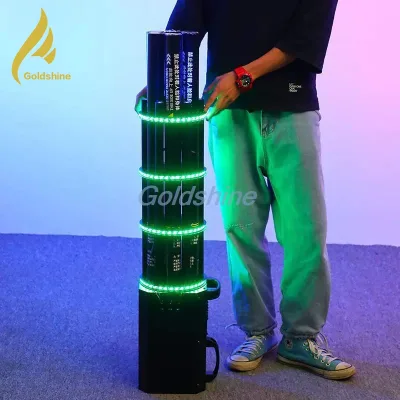


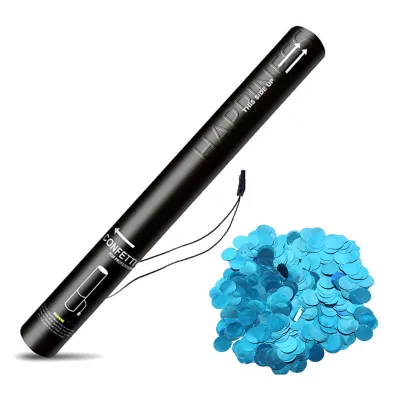
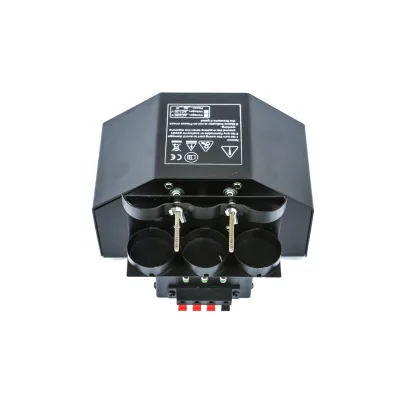
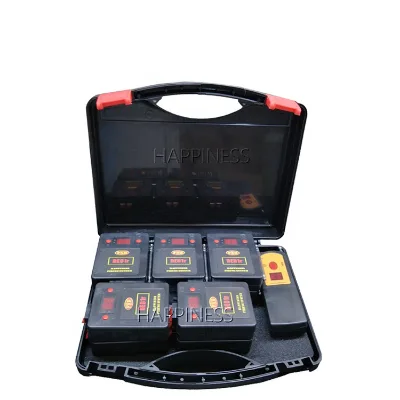


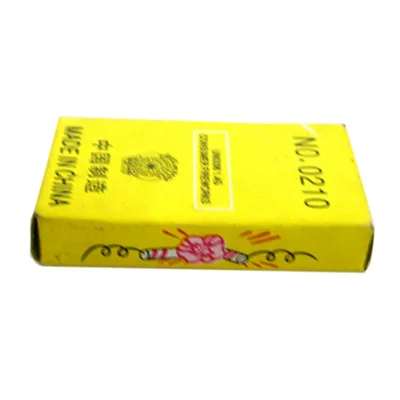
30cm Length Wholesale Fireworks Igniter/ Electric Igniters /Fireworks E-Matches
$0.06 - $0.07
MOQ: 5000 Pieces

30cm Length Wholesale Fireworks Igniter/ Electric Igniters /Fireworks E-Matches
$0.07 - $0.09
MOQ: 500 Pieces


1m Length Wholesale Fireworks Igniter/ Electric Igniters /Fireworks E-Matches
$0.12 - $0.13
MOQ: 2000 Pieces



Comprehensive Sourcing Guide
Electronic Fireworks Gun with Special Shells Sourcing Guide
Sourcing electronic fireworks firing systems requires a careful balance between technological reliability and strict safety compliance. These devices, often referred to as electronic fireworks guns or remote firing systems, allow operators to ignite pyrotechnic shells from a safe distance using electrical signals rather than traditional ignition methods. The core value proposition lies in the ability to synchronize complex displays with music or lighting cues while ensuring the safety of the crew. Buyers must understand that these are not merely consumer toys but industrial-grade equipment used in professional entertainment, weddings, and large-scale public events. The procurement process involves verifying the transmission range, channel capacity, and the specific compatibility of the firing system with the chosen pyrotechnic shells.
The market for these systems is dominated by specialized manufacturers, particularly those located in established pyrotechnic hubs such as Liuyang, China. These suppliers often offer a range of configurations, from simple single-channel remotes to complex multi-channel consoles capable of controlling dozens of fireworks simultaneously. When evaluating suppliers, buyers should look for evidence of professional-grade construction, such as metal housings and robust packaging designed for flight cases or export cartons. The distinction between a basic consumer-grade remote and a professional system often lies in the reliability of the signal transmission and the durability of the components under high-stress operational conditions. Understanding these nuances is critical for selecting a system that meets the specific demands of your event scale and safety protocols.
Product Scope and Observed Listing Signals
The observed product landscape reveals a diverse range of electronic firing systems, with materials varying from iron to other metals, indicating a focus on durability and heat resistance. Listings frequently highlight specific models such as the YS-EM01 and LHS3-4, suggesting that buyers should not assume all systems are interchangeable. The presence of attributes like "Remote Control Fireworks Firing System" and "6 Channel" indicates that buyers must carefully match the system's capacity to their event requirements. A system with a limited number of channels may be insufficient for large-scale displays, while an overly complex system might introduce unnecessary cost and operational overhead for smaller events. The weight of these units, ranging from 5kg to 10kg, suggests that portability is a consideration, especially for touring productions or temporary installations.
Packaging and origin details provide additional context for the quality and logistics of the procurement. Products are often described as being packed in standard export cartons or flight cases, which is essential for protecting sensitive electronic components during transit. The origin of many listed products is Guangdong or Liuyang, China, regions known for their manufacturing capabilities in both electronics and pyrotechnics. Buyers should note that some listings specify a transmitting distance of 8-10 meters, while others claim ranges of 100-500 meters. This significant variance highlights the importance of verifying the actual operational range for your specific environment, as interference from other wireless devices or physical obstacles can impact performance. The presence of "Customization Available" suggests that suppliers may offer tailored solutions for unique event requirements, but this should be confirmed through direct communication.
Technical Specifications to Verify
When evaluating electronic fireworks guns, the first technical aspect to verify is the transmission range and reliability. Listings indicate varying distances, from short-range 8-10 meter units to long-range 100-500 meter systems. Buyers must determine the required operational distance based on the safety perimeter of their event. A longer range provides greater safety for the operator but may require more robust antennas and power sources. It is crucial to test the system in the actual environment where it will be used, as factors such as building materials, weather conditions, and other electronic interference can significantly reduce effective range. The working power of these devices, often cited around 400 watts, should also be checked to ensure compatibility with the available power infrastructure at the venue.
The channel capacity and firing mechanism are equally critical technical specifications. Systems are available in various configurations, including 6-channel units, which allow for the simultaneous or sequential firing of multiple fireworks. Buyers should verify whether the system supports the specific type of shells they intend to use, such as fountain fireworks or other specialized pyrotechnics. The physical interface of the gun, including the caliber size and shell compatibility, must be confirmed to ensure a secure fit and reliable ignition. Additionally, the weight and dimensions of the unit, such as the 580g weight of some models or the 552412cm standard packaging size, impact the ergonomics and logistics of the setup. Buyers should also consider the color and aesthetic design, as some systems are available in red or orange, which may be relevant for branding or visibility purposes.
Compliance and Safety Documentation
Safety is the paramount concern when sourcing electronic fireworks firing systems. Buyers must ensure that the equipment meets relevant safety standards and certifications, such as CE marking, which indicates compliance with European health, safety, and environmental protection standards. While some listings mention CE passed certification, buyers should request official documentation to verify the validity and scope of these certifications. The use of electronic firing systems is often mandated by local regulations for professional pyrotechnic displays, as they reduce the risk of accidental ignition and allow for precise control over the sequence of events. Buyers should also verify that the system includes fail-safe mechanisms, such as emergency stop buttons or signal loss detection, to prevent unintended firing.
In addition to product certifications, buyers must ensure that their operational procedures comply with local laws and regulations regarding pyrotechnics. This includes obtaining the necessary permits for the event, ensuring that the fireworks used are legal for public display, and that the operators are trained and certified in the safe use of the firing system. The packaging and labeling of the fireworks shells should also be reviewed to ensure they meet transport and storage regulations. Buyers should work closely with their pyrotechnic suppliers to ensure that the entire supply chain, from the firing system to the shells, is compliant with all applicable laws. Failure to adhere to these regulations can result in severe legal consequences and compromise the safety of the event.
Cost Drivers and Commercial Terms
The cost of electronic fireworks firing systems is influenced by several factors, including the complexity of the system, the number of channels, and the transmission range. More advanced systems with longer ranges and higher channel capacities will naturally command a higher price. Buyers should also consider the cost of additional accessories, such as extra antennas, power supplies, or carrying cases, which may be necessary for optimal operation. The minimum order quantity (MOQ) can also impact the total cost, with some suppliers requiring bulk purchases that may not be necessary for smaller events. Understanding the MOQ and pricing structure is essential for budgeting and negotiating favorable terms with suppliers.
Commercial terms such as payment methods, shipping costs, and lead times are critical components of the procurement process. Buyers should clarify whether the quoted price includes shipping and insurance, and what the estimated lead time is for delivery. Some suppliers may offer customization services, which can extend the lead time and increase the cost. It is also important to understand the warranty and after-sales support provided by the supplier, as technical issues can arise during operation. Buyers should negotiate clear terms for returns or repairs in case of defects, and ensure that the supplier provides adequate training or documentation for the use of the system. These commercial considerations can significantly impact the overall value and reliability of the procurement.
Supplier Qualification and Quality Control
Selecting a qualified supplier is essential for ensuring the reliability and safety of the electronic fireworks firing system. Buyers should verify the supplier's business type, looking for established manufacturers or authorized distributors with a proven track record in the pyrotechnic industry. The presence of attributes such as "Business Party" and specific product models like YS-EM01 or LHS3-4 can indicate a level of specialization and experience. Buyers should request references or case studies from previous clients, particularly those who have used the system for similar events. This can provide valuable insights into the supplier's reliability, customer service, and the performance of their products in real-world scenarios.
Quality control measures should be a key consideration when evaluating suppliers. Buyers should inquire about the testing procedures used to ensure the reliability and safety of the firing systems. This may include electrical safety tests, transmission range tests, and durability assessments. Suppliers who invest in rigorous quality control are more likely to deliver products that meet the high standards required for professional pyrotechnic displays. Buyers should also verify the supplier's ability to provide consistent quality across multiple orders, especially if they plan to purchase additional units or accessories in the future. Establishing a strong relationship with a qualified supplier can help mitigate risks and ensure a smooth procurement process.
Long-Term Procurement Checks
Long-term procurement success depends on the ability to maintain and upgrade the electronic fireworks firing system over time. Buyers should consider the availability of spare parts, such as batteries, antennas, and firing modules, to ensure that the system can be repaired quickly in case of failure. Suppliers who offer comprehensive support and maintenance services can help extend the lifespan of the equipment and reduce downtime during events. Buyers should also stay informed about technological advancements in the pyrotechnic industry, as new systems may offer improved features, such as longer range, higher channel capacity, or enhanced safety mechanisms.
Regular audits of the procurement process and supplier performance are essential for identifying areas for improvement. Buyers should track key performance indicators, such as delivery times, product quality, and customer service responsiveness, to evaluate the effectiveness of their sourcing strategy. Feedback from event organizers and operators can provide valuable insights into the usability and reliability of the system. By continuously monitoring and adjusting their procurement practices, buyers can ensure that they are getting the best value for their investment and maintaining the highest standards of safety and performance. This proactive approach helps to build a resilient supply chain that can adapt to changing market conditions and event requirements.
FAQs
What is the typical transmitting distance for remote fireworks firing systems?
The typical transmitting distance ranges from 8 to 10 meters for standard units. Some advanced models offer extended remote control capabilities up to 500 meters. Buyers should verify the specific range requirements for their event scale and venue layout before purchasing.
Can these fireworks systems be customized for specific event needs?
Yes, customization is available for many electronic firing systems and fireworks. Manufacturers often allow adjustments to channel counts, such as 6-channel options, and packaging styles. Buyers can request specific configurations to match their wedding or party entertainment requirements.
What certifications are commonly associated with these electronic fireworks products?
CE Passed certification is a common standard for these electronic fireworks firing systems. This indicates compliance with relevant safety and quality standards for the European market. Buyers should always request valid certification documents to ensure regulatory compliance for their target regions.
What is the typical MOQ for electronic fireworks and firing systems?
The minimum order quantity varies significantly by product type. Some items have an MOQ of 5 pieces, while others require 50 cartons or 500 pieces. Buyers should check the specific MOQ for each product model to plan their inventory and budgeting effectively.
Where are these electronic fireworks and firing systems typically manufactured?
These products are typically manufactured in Guangdong, China, and Liuyang, China. Liuyang is a well-known hub for fireworks production. Buyers can expect origins to be clearly stated as China, ensuring traceability and adherence to regional manufacturing standards.
What packaging options are available for shipping these fireworks systems?
Packaging options include carton boxes, flight cases, and standard export packing. Some items use fiber bags or stronger paper cartons for protection. The standard export packing often includes dimensions like 55x24x12cm or 50x50x50cm to ensure safe transit.