Source Electronic Hemodialysis Dialysis Chair for Hospital, Clinic, Dialysis
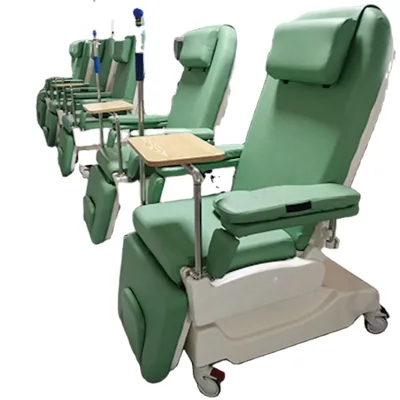
Compare 30 Electronic Hemodialysis Dialysis Chair options from verified suppliers. These units feature adjustable seats, stainless steel frames, and CE certifications for use in hospitals, clinics, and dialysis treatment rooms; compare the available evidence and request quotations based on your requirements.
Key considerations
Products List

Hospital Electric Dialysis Chair Medical Hemodialysis Chair Blood Donation Chair
$560.00 - $990.00
MOQ: 1 Pieces


Hot-Selling Luxurious Electric Dialysis Chair Hemodialysis Medical Chair Blood Donor Chair
$360.00 - $890.00
MOQ: 1 Pieces

China Manual Blood Electric Chair Medical Professional Hospital Hemodialysis Dialysis Chair
$560.00 - $990.00
MOQ: 1 Pieces

China Manufacturer Hospital Furniture Dialysis Chair Hemodialysis Chair for Sales
$560.00 - $990.00
MOQ: 1 Pieces


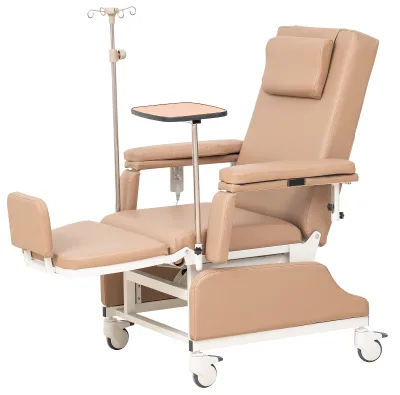
Hospital Blood Collection Chair Electric Recliner Hemodialysis Dialysis Chair
$970.85 - $1021.95
MOQ: 1 sets

Hospital Chemotherapy Infusion Mobile Electric Hemodialysis Dialysis Chair
$406.99 - $498.98
MOQ: 10 Pieces


Medical Manual Adjustable Patient Dialysis Chair Medical Hemodialysis Chair Bed with Armrest
$1000.00 - $1500.00
MOQ: 1 Pieces



Comprehensive Sourcing Guide
Electronic Hemodialysis Dialysis Chair Sourcing Guide
Procuring electronic hemodialysis chairs requires a careful balance of ergonomic design, mechanical reliability, and clinical safety. These specialized seating units are engineered to support patients during lengthy treatment sessions, often lasting several hours, while accommodating complex medical equipment integration. Buyers must prioritize chairs that offer stable positioning and adjustable features to accommodate diverse patient needs, ensuring both comfort and procedural efficiency. The electronic components typically control recline angles, leg rest extensions, and height adjustments, which must operate smoothly and safely under frequent use.
The sourcing landscape includes various models designed for different clinical environments, from standard dialysis centers to specialized operating rooms or waiting areas. Observations indicate a range of materials, including stainless steel frames for durability and leather or metal upholstery for hygiene and ease of cleaning. Buyers should verify that the electronic systems are robust enough to withstand daily operational cycles without failure. Understanding the specific mechanical and electronic requirements is essential for selecting a chair that aligns with the facility’s workflow and patient care standards.
Product Scope and Observed Listing Signals
Market listings reveal a diverse range of dialysis chairs with varying specifications, such as the D7-C1 and Me-380 models, which highlight different structural dimensions and functional capabilities. Some units are designed as multi-function chairs suitable for patient, accompanying, or doctor seating, while others are specialized for transfusion or ENT departments. The observed product attributes include specific dimensions like a seat width of 680mm and an overall length of 2040mm, indicating that buyers must match chair size to their physical space constraints. These signals suggest that a one-size-fits-all approach is ineffective, and precise measurement verification is critical before procurement.
Color options such as green and blue are available, allowing facilities to align equipment with their interior design or branding requirements. The presence of features like armrests, backrests, and foldable or unfolded configurations adds to the versatility of these units. Buyers should note that some listings indicate a "New" condition and customizable options, which may appeal to institutions seeking tailored solutions. However, the variation in model numbers and packing methods, ranging from wooden cases to single-box packaging, implies that logistics and handling procedures will differ significantly between suppliers, requiring careful planning for delivery and installation.
Technical Specifications to Verify
When evaluating technical specifications, buyers must focus on the mechanical integrity of the chair’s frame and the reliability of its electronic control systems. Key dimensions to verify include the seat height, which may range from 580mm to 820mm, and the backrest length, which impacts patient comfort during extended treatments. The legrest and seat length, often around 1100mm, must be sufficient to support patient legs without causing pressure points. Additionally, the height of guardrails and seats, typically around 180mm, is crucial for patient safety, preventing accidental falls or slips during position adjustments.
The pillow size, observed at 400mm x 230mm x 80mm, is another critical specification that affects head and neck support. Buyers should confirm that the electronic mechanisms for reclining and height adjustment are smooth and quiet, minimizing disturbance to other patients. It is also important to verify the material composition, such as stainless steel or metal frames, which contribute to the chair’s durability and resistance to corrosion in clinical environments. Ensuring that all mechanical parts are robust and that the electronic controls are intuitive will enhance both patient comfort and staff efficiency during daily operations.
Compliance and Safety Documentation
Compliance with international standards is non-negotiable for medical equipment, and buyers must ensure that suppliers provide valid certification documents. Listings often mention CE, ISO, and FDA certifications, which indicate adherence to specific safety and quality management standards. Buyers should request copies of these certificates to verify their validity and scope, ensuring that the specific model being purchased is covered. The presence of an ISO certification suggests a structured quality management system, while CE marking confirms compliance with European health, safety, and environmental protection standards.
Safety features such as guardrails and stable base structures are essential to prevent accidents during patient transfers and treatments. Buyers should verify that the chair meets relevant electrical safety standards, especially given the electronic components involved. Documentation should also include detailed user manuals and maintenance guides, which are crucial for proper operation and longevity of the equipment. Ensuring that the supplier provides comprehensive safety documentation helps mitigate liability risks and ensures that clinical staff are adequately trained to use the equipment safely and effectively.
Cost Drivers and Commercial Terms
The cost of electronic hemodialysis chairs is influenced by several factors, including the complexity of the electronic systems, the quality of materials used, and the level of customization available. Listings show a price range from $360 to $3000, reflecting the diversity in features and build quality. Buyers should understand that higher-priced units may offer more advanced electronic controls, durable materials like stainless steel, or additional safety features. It is important to request detailed quotes that break down costs for the chair, accessories, and any customization options to avoid hidden fees.
Commercial terms such as minimum order quantity (MOQ) and delivery time also impact the total cost of ownership. Observed MOQs range from 1 to 10 units, offering flexibility for smaller clinics or larger hospitals. Delivery times typically span 7 to 15 days, which should be factored into procurement planning. Buyers should also consider warranty terms, with some suppliers offering a one-year warranty, to protect against early failures. Negotiating clear terms for shipping, insurance, and after-sales support can significantly reduce long-term costs and ensure a smoother procurement process.
Supplier Qualification and Quality Control
Supplier qualification is a critical step in ensuring the reliability and safety of electronic hemodialysis chairs. Buyers should verify the supplier’s manufacturing capabilities, including their experience in producing medical furniture and their adherence to quality management systems. Requesting references from other healthcare facilities that have purchased from the supplier can provide insights into product performance and customer service. It is also important to assess the supplier’s ability to provide consistent quality across batches, especially if ordering multiple units.
Quality control measures should include pre-shipment inspections to verify that each chair meets the specified technical and safety standards. Buyers should inquire about the supplier’s testing procedures for electronic components and mechanical parts to ensure durability and reliability. Additionally, verifying the supplier’s packaging methods, such as wooden cases or carton boxes, can help prevent damage during transit. Establishing a clear communication channel with the supplier for addressing any issues post-delivery is essential for maintaining operational continuity and patient safety.
Long-Term Procurement Checks
Long-term procurement success depends on establishing a robust maintenance and support framework for electronic hemodialysis chairs. Buyers should negotiate comprehensive warranty terms that cover both mechanical and electronic components, ensuring that any failures are addressed promptly. It is also important to verify the availability of spare parts, such as motors, control panels, and upholstery, to minimize downtime during repairs. Suppliers that offer training for clinical staff on proper usage and basic troubleshooting can significantly extend the lifespan of the equipment.
Regular maintenance schedules should be established to inspect the chair’s mechanical and electronic systems, ensuring that they continue to operate safely and efficiently. Buyers should document all maintenance activities and keep records of warranty claims for future reference. Additionally, staying informed about updates or recalls related to the specific model can help mitigate risks associated with design flaws or manufacturing defects. By proactively managing the lifecycle of the equipment, healthcare facilities can ensure consistent patient care and optimize their investment in medical furniture.
FAQs
What certifications do electronic hemodialysis dialysis chairs have?
These chairs typically hold CE, ISO, and FDA certifications to ensure compliance with international medical standards. Some listings may also display ISOCE marks. Buyers should verify specific documentation with suppliers to confirm regulatory approval for their target market before procurement.
Can electronic hemodialysis dialysis chairs be customized?
Yes, customization is available for these medical chairs. Buyers can often request specific colors, such as green or blue, and tailored dimensions. The brand Mt-Medical offers customized options to meet unique clinical requirements or facility branding needs during the ordering process.
What is the typical lead time for delivery?
The standard delivery time ranges from 7 to 15 days after order confirmation. This timeframe allows for manufacturing and quality checks. Buyers should account for this window when planning clinic setups or hospital equipment upgrades to ensure timely installation and patient care continuity.
What materials are used in these dialysis chairs?
Manufacturers use durable materials like stainless steel, leather, and metal for construction. Stainless steel frames provide structural integrity, while leather upholstery offers comfort and ease of cleaning. These material choices ensure longevity and hygiene compliance in high-traffic medical environments like dialysis treatment rooms.
What is the minimum order quantity for these chairs?
The minimum order quantity is typically 1 unit, allowing for flexible procurement. This low MOQ supports clinics purchasing single units for replacement or expansion. Buyers can order small batches without committing to large inventory, making it suitable for various budget and space constraints.
What warranty is provided for electronic hemodialysis dialysis chairs?
A one-year warranty is commonly provided for these chairs. This coverage protects against manufacturing defects and ensures product reliability. Buyers should review specific warranty terms with the supplier to understand coverage details, claim processes, and any exclusions that may apply to medical equipment usage.