Source Engineering Plastic PTFE Block Sheet for seals, bearings, and linings
Compare 30 listings for Engineering Plastic PTFE Block Sheet from verified Chinese suppliers. Evaluate tensile strength, density, and customization options to find the right material for industrial applications.
Key considerations
Products List




Comprehensive Sourcing Guide
Engineering Plastic PTFE Block Sheet Sourcing Guide
Procuring engineering plastic PTFE block sheets requires a disciplined approach to material verification, as the market contains a wide variance in resin quality and manufacturing processes. Buyers must distinguish between virgin PTFE and recycled or compounded variants, as this distinction directly impacts mechanical integrity and chemical resistance. The core keyword "Engineering Plastic PTFE Block Sheet" often encompasses a broad range of products, from standard white sheets to specialized black or filled variants, each serving distinct industrial needs. Understanding the specific grade and processing method is essential before initiating any supplier engagement, as these factors dictate the final performance of the component in high-stress or corrosive environments.
This guide provides a structured framework for evaluating suppliers and products based on observed market signals and technical realities. It focuses on the critical attributes that define quality, such as tensile strength, density, and water absorption, which are frequently cited in product listings but require independent verification. By adhering to the evidence-based criteria outlined below, procurement professionals can mitigate the risk of sourcing substandard materials that may fail under operational stress. The following sections detail the scope of available products, technical specifications to validate, compliance requirements, cost structures, supplier qualifications, and long-term quality assurance strategies.
Product Scope and Observed Listing Signals
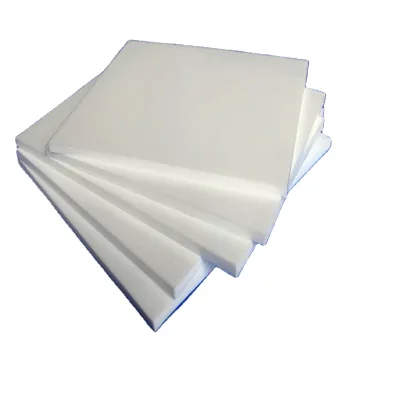
The current market for PTFE block sheets presents a diverse array of options, primarily categorized by color, shape, and processing technique. Observed listings frequently highlight white and black variants, with white often indicating pure virgin PTFE and black potentially suggesting filled or compounded formulations for enhanced wear resistance. The product scope extends beyond simple sheets to include boards, rods, and tubes, allowing for versatile procurement strategies. Buyers should note that while many suppliers offer "one-stop services," the actual availability of specific shapes and sizes may vary, requiring careful confirmation of inventory capabilities versus made-to-order lead times.
Processing methods are a critical differentiator in product scope, with skived PTFE being a commonly observed technique. Skived sheets are produced by slicing blocks of PTFE, resulting in a material with specific mechanical properties that differ from molded or extruded alternatives. Listings often specify standard dimensions such as 2000x1500mm, 1200x1000mm, or customized sizes based on customer drawings. However, buyers must verify if the listed dimensions represent standard stock items or if they require custom manufacturing, as this significantly impacts lead times and unit costs. The presence of terms like "blocks tough plastic cutting resistance" suggests a focus on durability, but the underlying material composition must be confirmed to ensure it meets the specific engineering requirements of the application.
Technical Specifications to Verify
Tensile strength is a primary mechanical property that varies significantly across different PTFE grades and manufacturing processes. Observed data points to a wide range, with some listings citing strengths between 3040MPa and others indicating 81130MPa. This discrepancy highlights the importance of verifying the specific grade and processing method, as higher tensile strength often correlates with specific filling or orientation techniques. Buyers should request test reports for the exact batch or lot they intend to purchase, rather than relying on general product descriptions, to ensure the material can withstand the intended mechanical loads without failure.
Density and water absorption are equally critical indicators of material purity and quality. Pure virgin PTFE typically exhibits a density in the range of 2.1-2.3 g/cm³, while some listings may claim higher densities or different values, which could indicate the presence of fillers or impurities. Water absorption is another key metric, with high-quality PTFE often demonstrating absorption rates of less than 0.01%, whereas other listings may show higher percentages. These physical properties directly influence the material's dimensional stability and resistance to environmental degradation. Buyers must cross-reference these values with their application requirements, particularly in environments where moisture exposure or precise dimensional tolerances are critical.
Compliance and Safety Documentation
Certification status is a fundamental requirement for sourcing PTFE sheets in regulated industries. Commonly observed certifications include ISO9001 for quality management, SGS for independent testing, FDA for food contact safety, and RoHS for restriction of hazardous substances. Buyers should verify the validity and scope of these certificates, ensuring they cover the specific product lines and manufacturing facilities involved. The presence of a CE mark or other regional compliance standards may also be relevant depending on the destination market. It is essential to obtain copies of these certificates and confirm their expiration dates to avoid compliance gaps during audits or inspections.
Test reports provide detailed evidence of material performance and safety. Listings often mention the availability of test reports, which should include data on tensile strength, density, water absorption, and thermal stability. Buyers should request these reports to verify that the material meets specific industry standards or internal specifications. Additionally, the operating temperature range is a crucial safety parameter, with PTFE generally capable of withstanding temperatures from -180°C to +280°C. However, buyers must confirm that the specific product variant maintains its integrity within this range, especially if the application involves extreme thermal cycling or prolonged exposure to high temperatures.
Cost Drivers and Commercial Terms
Pricing for PTFE block sheets is influenced by several factors, including material purity, processing method, and order volume. Observed price ranges in the market can vary widely, reflecting differences in quality and supplier positioning. Buyers should be cautious of prices that seem unusually low, as they may indicate the use of recycled materials or inferior processing techniques. The customization level also plays a significant role in cost, with custom sizes and shapes typically incurring higher unit prices due to additional machining and handling requirements. Understanding these cost drivers helps in budgeting accurately and negotiating favorable terms with suppliers.
Packaging and logistics are additional cost components that should be considered during procurement. Common packaging methods include wooden boxes, paper cartons, and wooden pallets, with some suppliers offering specific packaging solutions to protect the material during transit. The weight and volume of the shipment, often cited as 1000kgs per pallet, impact freight costs and handling requirements. Buyers should clarify who is responsible for packaging and shipping costs, as well as the lead times associated with production and delivery. Clear commercial terms regarding payment methods, warranties, and return policies are essential to mitigate financial risks and ensure a smooth procurement process.
Supplier Qualification and Quality Control
Supplier location and origin are important factors in assessing reliability and communication efficiency. Common origins for PTFE sheets include regions in China such as Shandong, Guangzhou, and Hebei. While these regions are known for manufacturing capabilities, buyers should conduct due diligence to verify the supplier's production capacity, quality control systems, and track record. Requesting references or case studies from previous clients can provide insights into the supplier's consistency and responsiveness. Additionally, verifying the supplier's ability to provide OEM and ODM services may be relevant for buyers seeking customized solutions or private labeling.
Quality control processes should be rigorously evaluated to ensure consistent product quality. Buyers should inquire about the supplier's internal testing procedures, including incoming material inspection, in-process quality checks, and final product verification. The availability of third-party testing services, such as SGS, can provide an additional layer of assurance. It is also important to assess the supplier's ability to handle defects or non-conforming products, including their policy for returns, replacements, or credits. Establishing a clear quality agreement with the supplier, outlining specific acceptance criteria and inspection protocols, is crucial for maintaining long-term supply chain integrity.
Long-Term Procurement Checks
Continuous monitoring of supplier performance is essential for maintaining a reliable supply of PTFE block sheets. Buyers should establish key performance indicators (KPIs) such as on-time delivery rates, product quality consistency, and responsiveness to issues. Regular audits, either on-site or virtual, can help verify that the supplier maintains their quality standards and compliance certifications over time. Building a strong relationship with the supplier, including regular communication and feedback loops, can facilitate continuous improvement and address potential issues before they escalate.
Adapting to market changes and technological advancements is another critical aspect of long-term procurement. The PTFE market is dynamic, with new materials and processing techniques emerging regularly. Buyers should stay informed about industry trends and innovations that may offer improved performance or cost savings. Periodically reviewing and updating procurement specifications and supplier criteria ensures that the sourcing strategy remains aligned with business objectives and regulatory requirements. By maintaining a proactive approach to supplier management and market analysis, buyers can secure a stable and high-quality supply of engineering plastic PTFE block sheets for their operations.
FAQs
What is the material composition of the PTFE sheet?
The product is made of 100% virgin PTFE engineering plastic. It is available in white or black colors and features high wear resistance for industrial applications.
What are the tensile strength and density specifications?
Tensile strength ranges from 30 to 130 MPa depending on the specific grade. The density is typically between 2.1 and 2.3 g/cm3, with some variants reaching 2.4 g/cm3.
Can the PTFE sheet be customized for specific needs?
Yes, customization is available for size, shape, and processing services like cutting and moulding. Standard sizes include 1000mm, 1200mm, and 1500mm, or custom drawings.
What certifications does the PTFE sheet hold?
The product holds ISO9001, SGS, FDA, RoHS, and CE certifications. A test report is also provided to verify quality and compliance with international standards.
How is the PTFE sheet packaged for shipping?
Packaging options include wooden boxes, paper cartons, and wooden pallets. Some shipments are packed at 1000kg per pallet to ensure safe transport and handling.
What is the temperature resistance range of the sheet?
The sheet operates effectively within a temperature range of -180 to +280 degrees Celsius. This wide range supports diverse industrial applications requiring thermal stability.
Where are the PTFE sheets manufactured?
Products originate from various locations in China, including Shandong, Guangzhou, and Hebei. The manufacturing process involves skiving to achieve the required engineering plastic properties.