Source English Chinese Chassis Road Simulator for Testing
Find and compare 30 English Chinese Chassis Road Simulator units for vehicle durability and suspension analysis. Evaluate specifications like lifting capacity, motor power, and CE certification to select the right equipment for your engineering lab.
Key considerations
Products List


Manufacturer of Auto Chassis Road Simulator with 4500kg Lifting Capacity
$2700.00 - $2850.00
MOQ: 1 SET


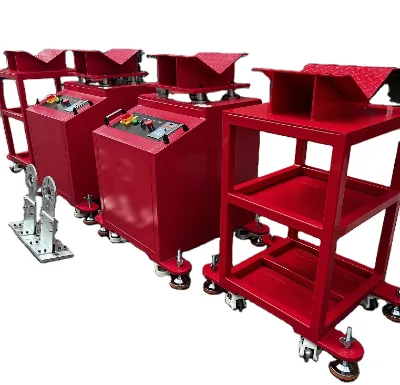

Hot Sale Car Chassis Suspension Abnormal Sound Detection Equipment Chassis Road Simulator
$2000.00 - $2800.00
MOQ: 1 Pieces

Automotive Car Repair Shop Equipment Chassis Road Simulator with CE Certificate
$2000.00 - $2800.00
MOQ: 1 Pieces

Factory Direct Sales Chassis Road Simulator with Touch Screen Chassis Suspension Detector
$2000.00 - $2800.00
MOQ: 1 Pieces

Chassis Road Simulator for Abnormal Noise Investigation Suspension Tester Shaking Machine
$2000.00 - $2800.00
MOQ: 1 Pieces

Automotive Car Repair Shop Equipment Chassis Road Simulator with CE Certificate
$3000.00 - $3100.00
MOQ: 1 Pieces


New Design Chassis Road Simulator for Automobile Chassis with 4500kg Lifting Capacity
$2800.00 - $2950.00
MOQ: 1 Pieces


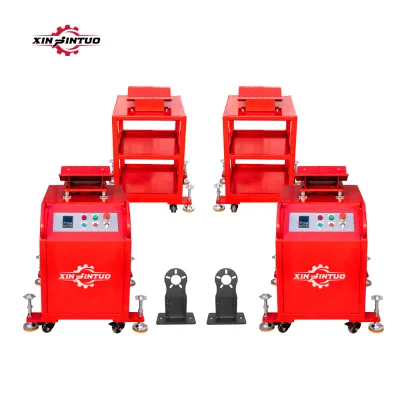


Car Chassis Road Simulator Machine Abnormal Sound Detection Equipment
$2200.00 - $2500.00
MOQ: 1 Pieces


Comprehensive Sourcing Guide
English Chinese Chassis Road Simulator Sourcing Guide
The English Chinese Chassis Road Simulator serves as a critical testing platform for validating vehicle durability and suspension performance under simulated road conditions. These systems are designed to replicate real-world driving scenarios, allowing manufacturers to assess structural integrity and component fatigue without the need for extensive field testing. The core functionality involves mounting a vehicle chassis onto a dynamic frame that can apply controlled vibrations and loads, mimicking the stresses encountered on various road surfaces.
Procurement of these simulators requires a clear understanding of the specific operational parameters required for your testing protocols. Buyers must distinguish between different lifting capacities and motor configurations, as these directly influence the types of vehicles that can be tested. The market offers units with varying specifications, ranging from 3-ton to 4.5-ton lifting capacities, which dictates the maximum vehicle weight the simulator can safely accommodate during testing cycles.
Product Scope and Observed Listing Signals
When evaluating available listings, buyers should note the variation in lifting capacities observed in the market, which typically spans from 3000kg to 4500kg. This range indicates that the product scope includes simulators suitable for light commercial vehicles as well as heavier passenger cars, but a single unit may not be universally applicable to all vehicle classes. The observed data suggests that specific models, such as those designated with codes like OY-4.0YJ or OY-4.5YYJ, are tailored to specific weight classes, necessitating a precise match between the vehicle under test and the simulator's rated capacity.
Packaging and physical dimensions are also key signals that define the logistical scope of the purchase. Listings frequently indicate that units are shipped in wooden or plywood boxes, with package sizes often exceeding 2 meters in length and width. For instance, specific configurations show package dimensions around 2001mm by 1025mm by 1920mm, which impacts shipping costs and warehouse storage requirements. Buyers must verify if the supplier offers customization for the frame type, as the standard offerings are typically frame-type structures designed for stability during high-vibration testing.
Technical Specifications to Verify
The motor power and voltage requirements are primary technical specifications that must be verified against your facility's infrastructure. Available units in the market display motor power ratings of 2.2kw, 3kw, or a combination of both, operating on voltages such as 220V, 380V, or 110V. It is essential to confirm the exact voltage configuration, as mismatches between the simulator's power requirements and your site's electrical supply can lead to operational failures or the need for expensive transformer upgrades. Additionally, the working temperature range of -30°C to +50°C should be considered to ensure the equipment remains functional in your specific environmental conditions.
Lifting height and vibration characteristics are critical for simulating accurate road conditions. The observed lifting height ranges from 1100mm with a swing adjustment of 10mm, allowing for precise positioning of the vehicle chassis. The vibration range is typically specified between 10-20Hz, which is a standard frequency band for testing suspension and chassis resonance. Buyers should also check the equipment configuration, which often includes a main worker count of two and specific stress release mechanisms, to ensure the system can handle the dynamic loads generated during testing without mechanical failure.
Compliance and Safety Documentation
Certification status is a non-negotiable aspect of the procurement process, with CE marking being a common requirement for equipment entering many international markets. The observed listings confirm that many units carry CE certification, and some also reference ISO standards, though specific ISO numbers like 3691 should be verified against the actual test report provided by the supplier. Buyers must request the machinery test report to validate that the equipment has undergone rigorous safety and performance checks, ensuring that the vibration and lifting mechanisms operate within safe limits.
Safety documentation should also include clear instructions for operation and maintenance, particularly regarding the electrical and mechanical components. The software language is typically available in English, which facilitates easier operation for international teams, but the display size, often 50 inches or customizable, must be sufficient for monitoring complex test data. Furthermore, the warranty period, commonly observed as one year, should be clearly defined in the contract to cover potential defects in core components like the engine or motor, ensuring that the buyer is protected against early-stage equipment failures.
Cost Drivers and Commercial Terms
The price range for these simulators is observed between 1900 and 6000 USD, a variation that likely reflects differences in lifting capacity, motor power, and included accessories. Buyers should understand that the lower end of this range may correspond to basic configurations with standard motor power, while higher prices could indicate advanced features such as customized displays, higher lifting capacities, or enhanced vibration control systems. It is crucial to analyze the total cost of ownership, including shipping and installation, as the gross weight of units can reach up to 700kg, significantly impacting freight charges.
Commercial terms and payment structures are equally important for managing cash flow and risk. The standard payment term observed in the market is Telegraphic Transfer (TT), which requires buyers to plan for upfront or milestone-based payments. The minimum order quantity (MOQ) is typically one set, allowing for flexible procurement without the need for bulk purchasing, but buyers should negotiate lead times and delivery schedules carefully. Since the single gross weight can be substantial, logistics planning must be integrated into the commercial agreement to avoid unexpected delays or additional handling fees.
Supplier Qualification and Quality Control
Supplier qualification should focus on the origin and manufacturing capabilities of the provider, with many units originating from Shandong, China. Buyers must verify the supplier's ability to provide a machinery test report and confirm that the core components, such as the engine, are sourced from reputable manufacturers. The presence of a "New" condition status and a one-year warranty suggests a focus on quality, but buyers should also inquire about the customization options available, as some suppliers offer tailored solutions for specific testing requirements.
Quality control processes should be validated through the supplier's adherence to standard specifications and their willingness to provide detailed product data. The observed product standards, such as specific dimensions and packing requirements, indicate a level of standardization, but buyers should request evidence of quality assurance for each unit before shipment. The availability of customization, including the product model and frame type, allows for better alignment with specific testing needs, but this flexibility must be managed through clear communication and documented specifications to ensure the final product meets all technical requirements.
Long-Term Procurement Checks
Long-term procurement success depends on the availability of spare parts and the supplier's support for maintenance and repairs. Buyers should verify the warranty terms and the process for claiming support, ensuring that the supplier can provide replacement parts for critical components like the motor or stress release mechanisms. The standard warranty of one year is a baseline, and buyers may need to negotiate extended coverage or service agreements to protect their investment over the lifespan of the equipment.
Regular performance checks and calibration are essential to maintain the accuracy of the simulation data over time. Buyers should establish a schedule for inspecting the vibration range and lifting height to ensure they remain within the specified parameters of 10-20Hz and 1100mm respectively. Additionally, monitoring the working voltage and motor power consumption can help identify potential issues before they lead to equipment failure. By maintaining a proactive approach to maintenance and keeping detailed records of all operational data, buyers can ensure the simulator continues to provide reliable and accurate test results for years to come.
FAQs
What is the maximum lifting capacity of the chassis road simulator?
The maximum lifting capacity is 4.5T, with some models supporting up to 4T or 4500kg. This range accommodates vehicles up to 3000kg for specific applications. Buyers should verify the exact model specifications, such as OY-4.0YJ or OY-4.5YYJ, to ensure the equipment matches their vehicle weight requirements and operational needs.
Can the English Chinese Chassis Road Simulator be customized?
Yes, customization is available for this equipment. Buyers can request specific configurations, including customized displays and tailored software languages. The standard model includes English software support. Customization options allow for adjustments to meet unique testing requirements, ensuring the simulator integrates seamlessly with existing workshop infrastructure and specific diagnostic protocols.
What certifications does the chassis road simulator hold?
The equipment holds CE certification, ensuring compliance with European safety standards. Some listings also mention ISO compliance. These certifications indicate that the manufacturing process and product safety meet recognized international benchmarks. Buyers should request valid certification documents from suppliers to verify authenticity and ensure the equipment meets local regulatory requirements for industrial use.
What is the warranty period for the new chassis road simulator?
The standard warranty period is one year for new units. This coverage typically includes support for core components like the engine and motor. Buyers should confirm specific warranty terms with the supplier, as conditions may vary. The equipment is shipped in wooden or plywood boxes to ensure safe delivery, and the one-year warranty provides assurance for initial operational stability.
What are the power and voltage specifications for the simulator?
The simulator operates on 380V/220V working voltage, with some models supporting 220V/110V or 220V at 50Hz. Motor power ranges from 2.2kw to 3kw. These specifications ensure compatibility with various industrial power supplies. Buyers must verify their facility's electrical infrastructure to match the required voltage and power input, preventing operational issues during installation and daily use.
What is the minimum order quantity for the chassis road simulator?
The minimum order quantity is one set. This low MOQ allows buyers to purchase single units for testing or small-scale operations. The selling unit is listed as a single item, making it accessible for individual workshops. Buyers can order one unit without needing to meet bulk purchase thresholds, facilitating easier procurement and initial investment in diagnostic equipment.
Where is the chassis road simulator manufactured?
The equipment is manufactured in China, specifically in Shandong province. This origin is standard for many industrial automotive testing devices. Buyers should verify the exact place of origin with the supplier to confirm manufacturing details. The Chinese origin often correlates with competitive pricing and established supply chains for automotive diagnostic and testing machinery.