Source EO Sterilized Filter Sampling Bag for Lab, Food, and Chemical Testing
Compare 30 EO Sterilized Filter Sampling Bag options from verified manufacturers. These bags feature Eo sterilization, transparent designs, and customizable sizes for laboratory, food, and chemical applications. View specifications and request quotes for bulk orders.
Key considerations
Products List


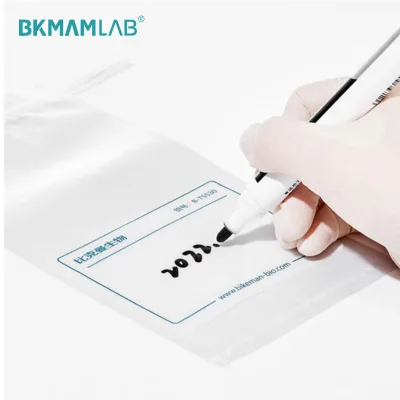
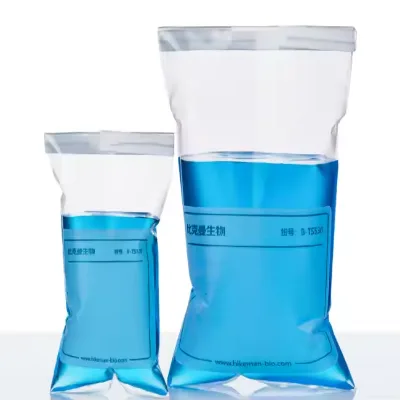
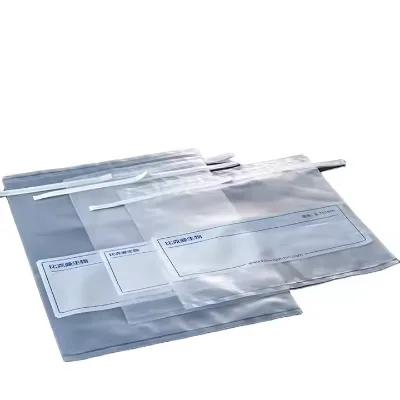
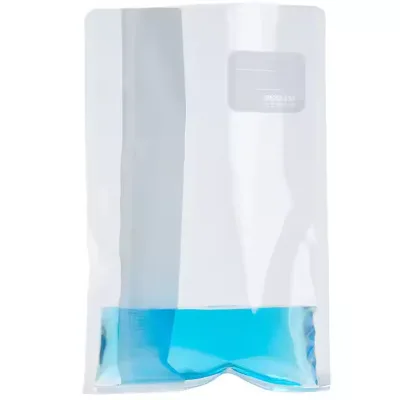
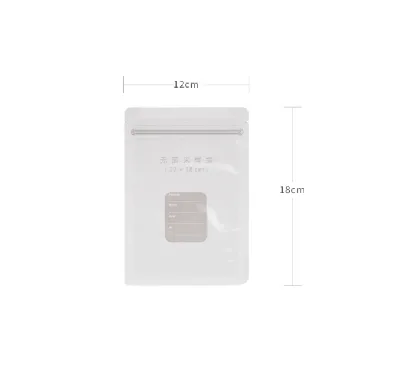

Medical Disposable PE Sterile Sampling Bag Sample Bag 60ml 120ml 540ml
$0.04 - $0.37
MOQ: 10000 Pieces

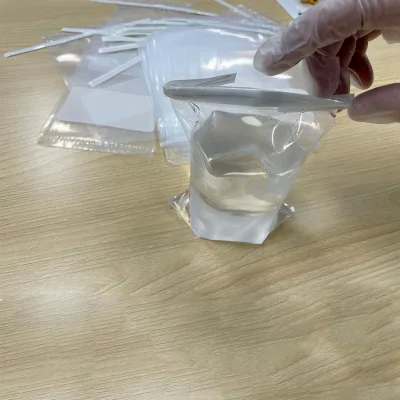

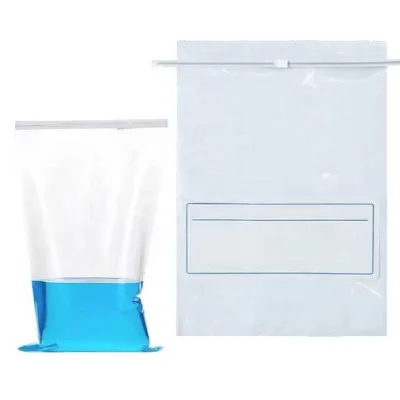

Medical Lab Sterile Sampling Bag with Wire for Sample Transport and Storage
$0.09 - $0.09
MOQ: 50000 Pieces

Wb-06009 Clear Wire Closure Size Could Be Customized152X229mm Sterile Sampling Bags
$0.09 - $0.09
MOQ: 50000 Pieces


Wb-07012 Clear 178*305mm Customized Sampling Lab Blender Sterile Sample Bag
$0.13 - $0.13
MOQ: 50000 Pieces


Comprehensive Sourcing Guide
EO Sterilized Filter Sampling Bag Sourcing Guide
Procuring EO sterilized filter sampling bags requires a disciplined approach to balancing sterility assurance with material integrity. These specialized containers are designed for the collection and transport of liquid samples in laboratory, chemical, and microbiological settings where contamination must be strictly prevented. The core value proposition lies in the combination of ethylene oxide (EO) sterilization, which ensures a sterile internal environment, and a robust sealing mechanism that maintains sample integrity during transit. Buyers must navigate a market characterized by significant variation in material thickness, volume capacity, and sterilization validation methods to ensure the selected product meets specific regulatory and operational requirements.
The sourcing landscape for these bags is diverse, with manufacturers offering a wide range of customization options to suit different analytical needs. From standard transparent designs to those with specialized writing areas or logo printing, the flexibility of these products allows for tailored logistics and identification workflows. However, this variety also introduces complexity in verification. Procurement teams must establish clear criteria for material compatibility, sealing reliability, and sterility maintenance to avoid selecting products that may compromise sample quality or fail to meet internal quality assurance protocols.
Product Scope and Observed Listing Signals
The observed market signals indicate a broad spectrum of product configurations, ranging from small 60ml capacities to large 6700ml volumes, with common standard sizes including 400ml, 200ml, and 1000ml options. Listings frequently highlight the availability of both sterile and non-sterile variants, with EO sterilization being a key differentiator for microbiological applications. The material is typically described as transparent, allowing for visual inspection of the sample, and features a special wire fastening sealing design that provides a secure closure. Buyers should note that while many products are labeled as disposable, the specific material composition and thickness, often ranging from 0.07mm to 0.09mm, can vary significantly between suppliers, impacting durability and chemical resistance.
Commercial signals also reveal a high degree of customization, with manufacturers accepting OEM orders and offering tailored specifications such as sulfur-free variants for specific chemical analyses. The presence of writing areas, either integrated or optional, facilitates manual labeling, while some products offer logo printing for brand identification or chain-of-custody tracking. Packaging units vary, with common configurations including 100 pieces per box or 150 pieces per carton, and bulk orders often shipped in larger cartons containing up to 2000 pieces. These signals suggest that buyers should not assume uniformity across suppliers and must explicitly define their volume, packaging, and labeling requirements during the initial inquiry phase.
Technical Specifications to Verify
Material thickness and structural integrity are critical technical parameters that directly influence the bag’s performance during handling and transport. Buyers must verify the exact thickness of the film, as variations between 0.07mm and 0.09mm can affect puncture resistance and barrier properties. The sealing mechanism, typically a wire fastening design, must be evaluated for its ability to maintain a leak-proof seal under pressure or during vibration. It is essential to confirm whether the seal is designed for single-use or if it can be re-closed without compromising sterility, as this impacts workflow efficiency in high-throughput laboratories. Additionally, the clarity of the material should be assessed to ensure it does not interfere with visual sample inspection or automated optical reading systems.
Capacity and dimensional specifications must be aligned with the intended sample volume to prevent overfilling or underutilization. Standard sizes such as 400ml, 60ml, 120ml, 530ml, 650ml, 1000ml, 1600ml, and 1800ml are commonly available, but buyers should verify the actual usable volume versus the nominal capacity. The product model, such as "TOP-SB" or "Free Standing Liquid Sampling Bag," may indicate specific structural features like self-standing bases, which facilitate easier filling and labeling. Furthermore, the presence of sulfur-free variants is a crucial technical detail for applications involving sensitive chemical analyses, as sulfur contamination can interfere with certain testing protocols.
Compliance and Safety Documentation
Sterility assurance is the primary compliance concern for EO sterilized sampling bags, requiring rigorous documentation from the supplier. Buyers must request certificates of sterilization that confirm the use of ethylene oxide gas and provide evidence of adequate aeration to remove residual EO levels. It is important to distinguish between products that are explicitly EO sterilized and those that are not, as some listings may offer non-sterile alternatives at lower costs. The documentation should also include details on the sterilization cycle parameters, such as gas concentration, temperature, and humidity, to ensure the process was controlled and validated according to recognized standards.
Regulatory certifications such as ISO, CE, and RoHS are frequently cited by manufacturers, indicating adherence to quality management and environmental standards. However, buyers should verify the scope of these certifications to ensure they cover the specific production of sampling bags and not just general manufacturing activities. For products intended for food or chemical applications, additional compliance with relevant food safety or chemical resistance standards may be required. The absence of specific test data for residual EO levels or material biocompatibility should be flagged as a potential risk, prompting further inquiry into the supplier’s quality control processes and third-party testing capabilities.
Cost Drivers and Commercial Terms
Pricing for EO sterilized filter sampling bags is influenced by several factors, including material thickness, sterilization method, and order volume. The observed price range of $0.01 to $94.54 USD reflects the diversity in product specifications, with lower prices typically corresponding to smaller volumes or non-sterile options. Buyers should be cautious of extremely low prices, as they may indicate compromised material quality or inadequate sterilization processes. The cost of customization, such as logo printing or specialized packaging, will also impact the final price, so it is advisable to request detailed quotes that break down these additional charges.
Minimum order quantities (MOQs) vary widely, ranging from 1 piece for sampling purposes to 300,000 pieces for large-scale industrial procurement. Understanding the MOQ structure is essential for budgeting and inventory management, as high MOQs may tie up capital in stock, while low MOQs may result in higher per-unit costs. Lead times are another critical commercial term, with in-stock items potentially available within 1-2 days, while custom orders may require 15-30 days for production. Buyers should clarify whether the lead time includes sterilization and aeration periods, as these steps are necessary for product release and can significantly affect delivery schedules.
Supplier Qualification and Quality Control
Supplier qualification should begin with a thorough review of their manufacturing capabilities and quality management systems. Buyers should verify that the supplier is a direct manufacturer rather than a trading company, as this can impact pricing, communication, and quality control consistency. The presence of ISO certification is a positive indicator, but buyers should also inquire about the supplier’s internal quality control procedures, including in-process inspections and final product testing. It is advisable to request samples to evaluate the physical attributes of the bags, such as seal strength, material clarity, and ease of use, before committing to a large order.
Quality control documentation should include batch-specific certificates of analysis and sterility assurance levels. Buyers should establish a protocol for incoming quality inspection, which may involve checking for packaging integrity, verifying sterilization indicators, and conducting random leak tests. The supplier’s ability to provide traceability for each batch, including production dates and sterilization records, is crucial for maintaining chain-of-custody in regulated environments. Additionally, buyers should assess the supplier’s responsiveness to quality issues and their willingness to collaborate on continuous improvement initiatives to ensure long-term supply reliability.
Long-Term Procurement Checks
Long-term procurement success depends on establishing a robust supplier relationship that prioritizes consistency and continuous improvement. Buyers should conduct periodic audits of the supplier’s production facilities and quality control processes to ensure ongoing compliance with agreed-upon standards. Regular communication regarding any changes in material composition, sterilization methods, or packaging designs is essential to prevent unexpected disruptions in supply or quality. It is also advisable to maintain a diversified supplier base to mitigate risks associated with single-source dependencies, especially for critical sampling materials.
Performance metrics should be established to monitor supplier reliability, including on-time delivery rates, defect rates, and responsiveness to inquiries. These metrics should be reviewed regularly to identify trends and address potential issues proactively. Buyers should also stay informed about regulatory changes and industry best practices that may impact the requirements for sampling bags, such as new sterilization standards or environmental regulations. By maintaining a proactive approach to supplier management and quality assurance, buyers can ensure a steady supply of high-quality EO sterilized filter sampling bags that support their operational and compliance objectives.
FAQs
What certifications do the sterilized filter sampling bags have?
The bags hold ISO, CE, and RoHS certifications. These standards ensure the products meet international safety and quality requirements for laboratory and chemical applications.
How are the bags sealed to maintain sterility?
They feature a special wire fastening sealing design. This mechanism ensures a secure closure that maintains the ethylene oxide sterilization status during transport and storage.
Can I order custom sizes for these sampling bags?
Yes, customized orders are highly welcomed with various standard sizes available. Options include capacities ranging from 60ml up to 1800ml to suit specific laboratory needs.
What is the delivery time for in-stock items?
In-stock items can be delivered within 1 to 2 days. Large orders typically require 15 to 30 days for production and shipment via various transportation methods.
Are these bags suitable for microbiology testing?
Yes, they are specifically designed for use in labs, testing chemistry, and microbiology. The sterile design ensures sample integrity for chemical and food applications.
What is the minimum order quantity for these bags?
The minimum order quantity ranges from 1 to 300,000 units depending on the supplier. Buyers can choose between standard packaging or customized options for bulk orders.
Do the bags come with a writing area for labeling?
Buyers can choose bags with or without a writing area. This flexibility allows for easy sample identification and tracking during laboratory procedures.