Source 8 Strips White PCR Tube for Research, Assay, and Hospital Use
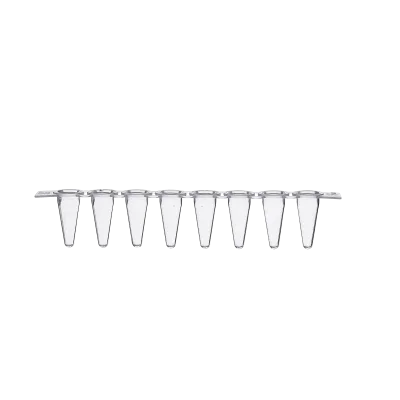
Compare 30 available options for 8 Strips White PCR Tube designed for laboratory, medical, and university applications. These manual, disposable tubes feature high chemical stability and are available in sterile or non-sterile variants with capacities of 0.1ml and 0.2ml.
Key considerations
Products List




Comprehensive Sourcing Guide
8 Strips White PCR Tube Sourcing Guide
Procuring 8-strip white PCR tubes requires a disciplined approach to verifying material integrity, sterilization status, and volume accuracy, as these factors directly impact the reliability of downstream molecular biology workflows. These consumables are fundamental tools in research, medical, and hospital settings, serving as the primary vessel for liquid handling and assay use. Buyers must recognize that while the form factor appears simple, the specifications regarding wall thickness, optical clarity, and thermal stability vary significantly across suppliers. The core challenge lies in distinguishing between standard laboratory-grade tubes and those optimized for high-throughput automated systems or stringent regulatory environments.
This guide focuses on evidence-based procurement strategies for sourcing 8-strip white PCR tubes, leveraging observed market data and trusted category knowledge. The analysis draws from a dataset of 30 actual product listings, revealing a wide variance in pricing, minimum order quantities (MOQ), and technical attributes. By understanding the specific signals present in supplier listings—such as material composition, certification claims, and packing configurations—procurement teams can mitigate supply chain risks and ensure consistent quality. The following sections provide a structured framework for evaluating suppliers, verifying technical compliance, and negotiating commercial terms effectively.
Product Scope and Observed Listing Signals
The market for 8-strip white PCR tubes exhibits significant diversity in product attributes, which buyers must carefully decode to avoid mismatches between specification and requirement. Observed listings indicate that materials range from generic rubber or plastic composites to 100% polypropylene (PP), with the latter being the industry standard for chemical stability and thermal resistance. The color white is frequently specified, often correlated with non-transparent or opaque variants designed to prevent light-sensitive degradation of reagents, though transparent options are also available. Buyers should note that "white" does not automatically imply opacity in all supplier descriptions; verification of light-blocking properties is essential for assays involving light-sensitive enzymes or fluorophores.
Packing configurations observed in the market vary from bulk-packed strips to specialized bag-and-carton arrangements, such as 125 strips per bag with 10 bags per carton. This variability impacts storage efficiency and contamination control during laboratory use. Additionally, the presence of "Sterile" or "Ethylene Oxide Sterilization" attributes is a critical differentiator, particularly for clinical or diagnostic applications where nucleic acid contamination must be strictly avoided. Listings also reveal a range of capacities, primarily 0.1ml and 0.2ml, with some models explicitly labeled as 0.2mL. Procurement teams must align these physical attributes with their specific thermal cycler requirements and assay volumes to prevent mechanical failures or inaccurate pipetting.
Technical Specifications to Verify
Verifying the material composition is the first technical priority, as polypropylene (PP) offers superior chemical resistance and thermal stability compared to other plastics. Buyers should confirm that the tubes are made from 100% PP to ensure high chemical stability and compatibility with a wide range of buffers and enzymes. The hardness of the tube is another critical factor; hard tubes are generally preferred for automated liquid handling systems to prevent deformation during high-speed pipetting. Additionally, the temperature range must be validated, with observed specifications indicating a range of -80°C to 121°C, which covers standard freezing, storage, and autoclaving needs.
Volume accuracy and strip configuration are equally vital for assay reproducibility. The standard capacity for these tubes is often 0.2ml, but buyers must verify if the strips contain 8 or 12 wells, as some listings mention "8-12strip 0.2ml" configurations. The model numbers, such as SBF-236, PCR-0208-W, or PCR-0108-W, serve as unique identifiers for these variations. Buyers should cross-reference these model numbers with their laboratory equipment compatibility charts. Furthermore, the presence of a flat or rounded bottom can affect pipetting accuracy and thermal transfer rates, so this physical detail must be explicitly confirmed in the product specification sheet before placing an order.
Compliance and Safety Documentation
Certification status is a primary indicator of manufacturing quality and regulatory compliance. Observed listings frequently cite ISO, CE, and RoHS certifications, which suggest adherence to international quality management and environmental standards. However, buyers must treat these claims as observations requiring verification rather than guaranteed facts. It is essential to request valid certification documents from the supplier to confirm that the specific product batch meets the stated standards. The presence of CE marking, in particular, is often required for products sold within the European market, indicating conformity with health, safety, and environmental protection standards.
Sterilization and safety attributes are critical for applications involving human samples or sensitive biological assays. Listings may indicate "Ethylene Oxide Sterilization" or general "Sterile" status, which is vital for preventing contamination in PCR reactions. Buyers should verify the sterilization method, as ethylene oxide leaves residues that may require aeration periods, whereas gamma irradiation does not. Additionally, the "Non-Pryogenic" attribute suggests that the tubes are designed to withstand rapid temperature changes without cracking, a key feature for labs that frequently move samples between -80°C freezers and thermal cyclers. Confirming these safety and sterilization details ensures that the consumables meet the specific biosafety requirements of the laboratory.
Cost Drivers and Commercial Terms
Pricing in the PCR tube market is influenced by material quality, sterilization status, and order volume. The observed price range spans from $0.01 to $140, reflecting the disparity between basic bulk items and specialized, certified, or high-volume packages. Buyers should analyze the unit cost relative to the MOQ, as lower prices are often associated with higher minimum order quantities, such as 100,000 units. Understanding the cost structure helps in budgeting for long-term supply needs and negotiating better terms for recurring purchases. It is also important to consider the total cost of ownership, including shipping and handling, which can be significant for bulky items like cartons of PCR tubes.
Commercial terms, including delivery time and payment conditions, vary widely among suppliers. Observed lead times can extend up to 30 days, with some flexibility based on quantity negotiations. Buyers should clarify these timelines during the initial inquiry to ensure alignment with their project schedules. Additionally, the availability of samples is a crucial factor in the procurement process; some suppliers offer samples for quality testing before committing to large orders. Understanding these commercial dynamics allows procurement teams to balance cost efficiency with supply chain reliability, ensuring that critical reagents are available when needed without excessive inventory holding costs.
Supplier Qualification and Quality Control
Evaluating supplier qualifications involves assessing their manufacturing capabilities and quality control processes. Buyers should prioritize suppliers who provide detailed product specifications, including material composition, sterilization methods, and packaging details. The origin of the product, often listed as China or Jiangsu China, should be verified for consistency with the supplier's declared manufacturing location. Additionally, suppliers with a history of providing consistent quality and reliable customer support are preferable for long-term partnerships. Requesting references or case studies from other laboratories can provide insights into the supplier's reliability and product performance.
Quality control measures, such as batch testing and traceability, are essential for ensuring product consistency. Buyers should inquire about the supplier's quality assurance protocols, including how they handle defects and returns. The availability of a quality guarantee period, such as 3 years, can indicate the supplier's confidence in their product's durability and performance. Furthermore, suppliers who offer customization options, such as specific labeling or packaging configurations, can provide added value by tailoring products to specific laboratory needs. Establishing a robust supplier qualification process helps mitigate risks associated with product variability and ensures a steady supply of high-quality PCR tubes.
Long-Term Procurement Checks
Establishing long-term procurement relationships requires regular performance reviews and continuous monitoring of product quality. Buyers should implement a system for tracking supplier performance, including metrics such as delivery accuracy, product defect rates, and responsiveness to issues. Regular audits of supplier quality control processes can help identify potential problems before they impact laboratory operations. Additionally, staying informed about industry trends and technological advancements in PCR tube design can help buyers make informed decisions about product upgrades or replacements.
Supply chain resilience is another critical aspect of long-term procurement. Buyers should diversify their supplier base to reduce dependency on a single source and mitigate risks associated with supply disruptions. Maintaining open communication with suppliers and fostering collaborative relationships can lead to better pricing, improved service levels, and early access to new products. Finally, regularly reviewing and updating procurement policies and specifications ensures that the laboratory continues to receive the most suitable and cost-effective consumables for its evolving needs.
FAQs
What certifications do the 8 strips white pcr tubes have?
The tubes hold CE, ISO, and RoHS certifications. These standards ensure the products meet international safety and quality requirements for laboratory and medical research applications.
Can I customize the packaging for bulk orders?
Customization is available for these PCR tubes. Buyers can choose from bulk packed options or specific configurations like 125 strips per bag with 10 bags per carton.
What is the capacity and material of the PCR tubes?
The tubes have a capacity of 0.2 mL and are made from 100% PP plastic. This material provides high chemical stability and ensures the tubes are suitable for liquid handling.
How are the tubes sterilized and what is the lead time?
The tubes undergo Ethylene Oxide Sterilization to ensure they are sterile. The delivery time is approximately 30 days, though this can be negotiated based on the quantity ordered.
Which models are available for 8 strips white pcr tubes?
Available models include SBF, SBF-236, SBF F11, PCR-0208-W, PCR-02, and PCR-0108-W. These models support various standard volumes and are designed for research and laboratory use.
What is the temperature range for these PCR tubes?
The tubes function within a temperature range of -80°C to 121°C. This wide range ensures stability during freezing, storage, and autoclaving processes in laboratory settings.
Are these tubes suitable for all year round use?
Yes, the tubes are designed for all year round use. They are safe for research applications and maintain their structural integrity under various environmental conditions.