Source Microprocessor Controlled Laboratory Refrigerator for Pharma, Biotech, and Clinical Labs
Find and compare 30 Microprocessor Controlled Laboratory Refrigerator models featuring precise temperature regulation, LED displays, and various capacities. Evaluate specifications like cooling type, alarm functions, and power requirements to select the ideal unit for your specific scientific or medical storage needs.
Key considerations
Products List


Biobase -25º C Freezer Combined Refrigerator and Freezer for Lab with Microprocessor
$1100.00 - $1500.00
MOQ: 1 Pieces


-25 Degree Vertical Laboratory Refrigerator Freezer with Micro Control
$300.00 - $1500.00
MOQ: 1 Pieces


2-8℃ Medical Reagent Storage Cabinet, Digital Temperature Control Lab Refrigerator
$389.00 - $899.00
MOQ: 1 Pieces


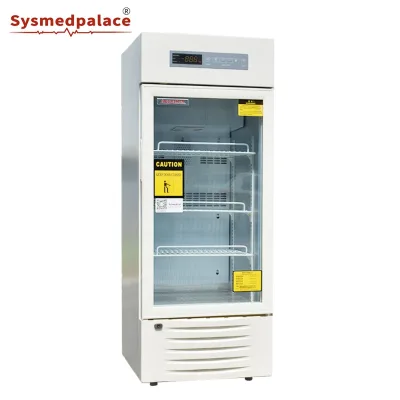


Laboratory Refrigerator 2-8 Laboratory Refrigerator Freezer Medical Refrigerator
$120.00 - $180.00
MOQ: 5 Pieces


Medical Laboratory Equipment Refrigerator 260L Degree Refrigerator for Lab
$350.00 - $530.00
MOQ: 1 Pieces


-135 Degree Ultra Low Temperature Laboratory Freezer
$3800.00 - $5000.00
MOQ: 1 Pieces
Zhejiang Heerxin Refrigeration Appliance Technology Co., Ltd.
Comprehensive Sourcing Guide
Microprocessor Controlled Laboratory Refrigerator Sourcing Guide
Procuring laboratory-grade refrigeration units requires a rigorous approach that balances precise temperature stability with robust operational reliability. These instruments are not standard commercial appliances; they are critical infrastructure for preserving biological samples, pharmaceuticals, and sensitive reagents that degrade under minor thermal fluctuations. The core differentiator in this category is the control system, specifically the microprocessor controller, which provides the digital precision and monitoring capabilities necessary for regulated environments. Buyers must understand that the selection process involves verifying technical specifications against strict operational requirements rather than simply comparing price points.
The market for these units is characterized by a wide variance in capacity, cooling technology, and physical form factors. Listings often reveal a spectrum ranging from compact, medium-scale units to large, horizontal configurations designed for high-volume storage. Understanding the specific environmental constraints of your laboratory, such as ambient temperature ranges and available power infrastructure, is the first step in narrowing down the viable options. This guide provides a structured framework for evaluating suppliers and products based on observed market signals and essential technical criteria.
Product Scope and Observed Listing Signals
The current market landscape for microprocessor-controlled laboratory refrigerators exhibits significant diversity in capacity and design. Observed listings indicate a price range from approximately $74 to $5,000 USD, reflecting the disparity between basic models and advanced, high-capacity units. The Minimum Order Quantity (MOQ) typically ranges from 1 to 5 units, suggesting that most suppliers cater to individual institutional purchases or small batch acquisitions rather than massive industrial deployments. This variability in pricing and volume allows laboratories to scale their procurement based on immediate budgetary constraints and storage needs.
Physical attributes observed in the market include both horizontal and vertical configurations, with capacities spanning from 60 liters to over 650 liters. Some units are explicitly marketed as medical cryostats or specialized lab instruments, indicating a focus on clinical or research applications. The presence of customized options in some listings suggests that suppliers may offer tailored solutions for specific laboratory layouts or integration requirements. Buyers should note that while "customized" is listed as an attribute, the extent of this customization varies significantly between manufacturers and should be clarified during the initial inquiry phase.
Technical Specifications to Verify
The heart of any laboratory refrigerator is its temperature control system, which must maintain strict stability within defined ranges. For many medical and biological applications, the required temperature range is typically between 2°C and 8°C, with a high degree of accuracy, often specified as ±0.1°C. It is crucial to verify that the microprocessor controller includes features such as large screen LED displays and digital readouts, which facilitate real-time monitoring and data logging. Units with automatic defrost capabilities are generally preferred to minimize manual intervention and reduce the risk of temperature excursions during maintenance cycles.
Cooling technology and refrigerant choice are also critical technical factors that impact efficiency and environmental compliance. Air-cooling systems are common, utilizing components like Bundy tubes and aluminum plate evaporators to ensure even heat distribution. Buyers should confirm the type of refrigerant used, as some modern units utilize eco-friendly options like R600A, which have lower ozone depletion potential. Additionally, the power supply requirements must match the laboratory’s infrastructure, with common specifications including AC220V or AC110/220V at 50/60Hz. Verifying the condenser type, such as wire tube or Bundy tube, can also provide insights into the unit’s durability and maintenance needs.
Compliance and Safety Documentation
Regulatory compliance is non-negotiable in laboratory settings, where the integrity of stored samples is paramount. The CE certification is a key indicator that a product meets European health, safety, and environmental protection standards, and it is frequently observed in listings from international suppliers. Buyers must ensure that all documentation, including technical files and declarations of conformity, is provided and up-to-date. This certification serves as a baseline for quality assurance, but it should not be the sole criterion for selection, especially if the laboratory operates in regions with additional regulatory requirements.
Safety features are equally important, particularly in preventing damage to sensitive materials due to equipment failure. Many advanced units come equipped with over-temperature alarms, which provide immediate notification if the internal temperature deviates from the set range. This alarm function is critical for remote monitoring and rapid response, minimizing the risk of sample loss. Buyers should also verify the warranty terms, with a one-year warranty being a common standard, and inquire about the availability of extended service contracts or spare parts to ensure long-term operational continuity.
Cost Drivers and Commercial Terms
The cost of laboratory refrigerators is influenced by several factors, including capacity, cooling technology, and the sophistication of the control system. Larger units with capacities exceeding 300 liters or those with specialized features like glass doors with electric heating tend to be more expensive. The inclusion of microprocessor controls with digital displays and alarm systems also adds to the overall cost compared to basic mechanical thermostats. Buyers should analyze the total cost of ownership, considering energy consumption, which can vary significantly between models, with some units consuming as little as 162W while others may require up to 594W.
Commercial terms such as packaging and shipping logistics also play a role in the final procurement cost. Products are often packed in wooden crates or export-standard packaging to ensure safe transit, which can affect shipping weights and dimensions. Buyers should clarify whether the quoted price includes international shipping, insurance, and customs duties, as these can significantly impact the final landed cost. Additionally, understanding the supplier’s return policy and support for installation or calibration services is essential for avoiding unexpected expenses post-purchase.
Supplier Qualification and Quality Control
Selecting a reliable supplier is as important as selecting the right product. Buyers should prioritize suppliers who provide comprehensive technical documentation and demonstrate a clear understanding of laboratory requirements. The origin of the product, often China for many of these units, should be verified, and buyers should assess the supplier’s track record in exporting to their specific region. Requesting references or case studies from other laboratories can provide valuable insights into the supplier’s reliability and after-sales support capabilities.
Quality control processes should be transparent and rigorous. Buyers should inquire about the testing procedures employed by the manufacturer, including thermal mapping and long-term stability tests. While specific test results may not always be publicly listed, suppliers should be willing to share their quality assurance protocols. Additionally, verifying the materials used in construction, such as spraying steel plate for external durability and appropriate inner materials for hygiene, can help assess the overall build quality and longevity of the unit.
Long-Term Procurement Checks
Ensuring the long-term performance of laboratory refrigerators requires proactive maintenance and periodic verification. Buyers should establish a routine schedule for checking the calibration of temperature sensors and the functionality of alarm systems. The microprocessor controller should be capable of storing historical data, allowing for trend analysis and early detection of potential issues. Regular cleaning of the condenser and evaporator components is also essential to maintain energy efficiency and prevent overheating.
Supply chain resilience is another critical consideration for long-term procurement. Buyers should verify the availability of spare parts, such as compressors, fans, and control boards, to minimize downtime in case of failure. Establishing a relationship with the supplier for ongoing technical support and potential upgrades can also enhance the longevity of the investment. Finally, staying informed about changes in environmental regulations regarding refrigerants can help buyers plan for future replacements or retrofits, ensuring continued compliance and operational efficiency.
FAQs
What is the temperature range for the FSF-25V368RF model?
The FSF-25V368RF model maintains a temperature range of 2 to 8 degrees Celsius. This unit features an over-temperature alarm function to ensure safety during storage of sensitive medical or laboratory items.
Can I find customized options for these laboratory refrigerators?
Customization is available for certain models, while others are sold as non-customized units. Buyers should verify specific product attributes like the FSF-5V60G which supports customization versus standard configurations.
Which certification does the product hold for safety compliance?
The product holds CE certification to ensure compliance with relevant safety standards. This certification is a key attribute for laboratory instruments intended for use in regulated medical or scientific environments.
How is the control system managed in the Bpr-5V118 model?
The Bpr-5V118 model utilizes a microprocessor control system with a large screen LED display. This setup allows for precise temperature monitoring and adjustment within the specified 2 to 8 degrees Celsius range.
What is the warranty period for these new laboratory units?
These new laboratory units come with a one-year warranty. This coverage applies to the equipment provided in new condition, ensuring reliability for medical cryostat and general laboratory applications.
Which capacity options are available for horizontal shape models?
Available capacities include 60 liters, 100 liters, 278 liters, 368 liters, and 656 liters. These horizontal shape models range from medium to large scales to suit various laboratory storage needs.
What is the ambient temperature requirement for operation?
The required ambient temperature for operation is between 10 and 32 degrees Celsius. Operating within this range ensures the microprocessor control system functions correctly and maintains internal stability.