Source Epoxy Powder Coated Supermarket Shelving for Retail
Find 30 Epoxy Powder Coated Supermarket Shelving options for retail stores, drug stores, and convenience stores. Compare models like JS-WS05 and YD-A-598, featuring steel construction, RAL colors, and electrostatic spraying applications for durable display solutions; compare the available evidence and request quotations based on your requirements.
Key considerations
Products List


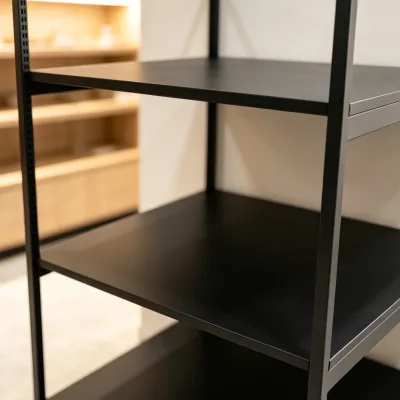
1000*500*1800mm Custom Epoxy Powder Coating Freestanding Supermarket Shelving
$3.00 - $5.00
MOQ: 100 Square Meters


Comprehensive Sourcing Guide
Epoxy Powder Coated Supermarket Shelving Sourcing Guide
Procuring Epoxy Powder Coated Supermarket Shelving requires a strategic approach that balances structural integrity with aesthetic consistency. Buyers must recognize that the core material often involves steel substrates treated with epoxy-based coatings to ensure durability in high-traffic retail environments. The observed market signals indicate a wide variance in product specifications, ranging from basic fixed units to complex double-sided configurations. Understanding these distinctions is critical for aligning procurement with specific store layout needs and load-bearing requirements.
The sourcing landscape presents options with varying customization levels, including color matching and structural modifications. While some listings highlight specific models like JS-WS05 or YD-A-598, others emphasize general attributes such as RAL color standards or electrostatic spraying methods. Buyers should navigate this diversity by focusing on the fundamental properties of the powder system, typically epoxy polyester, which offers robust resistance to wear and tear. This foundational knowledge helps in filtering suppliers who provide genuine industrial-grade solutions versus those offering superficial finishes.
Product Scope and Observed Listing Signals
The current market for epoxy powder coated shelving displays a broad spectrum of product types, from single-sided backplane styles to double-sided units designed for maximum visibility. Observed listings frequently mention specific dimensions, such as 9003501200mm or 120010001500mm, indicating that modular sizing is a key feature for adaptable retail spaces. The presence of features like price tags and optional weight capacities suggests that these units are engineered for practical daily use in supermarkets, drug stores, and convenience stores. Buyers should evaluate these physical attributes against their specific floor plan constraints and merchandising strategies.
Visual and functional customization is a prominent signal in the current supply chain, with many suppliers offering RAL color matching and optional finishes. The observed data points to a high degree of flexibility, allowing retailers to brand their shelving units to match interior design themes. However, the variation in packing methods, from simple cartons to air bubble film and stand cartons, highlights the importance of logistics planning. Buyers must assess how these packaging choices impact the risk of damage during transit and the overall cost of delivery, ensuring that the aesthetic appeal is preserved upon arrival.
Technical Specifications to Verify
Verifying the technical specifications of epoxy powder coated shelving is essential to ensure long-term performance and safety. Buyers should confirm the curing conditions, typically ranging from 180-200°C for 10-20 minutes, as this process directly influences the hardness and adhesion of the coating. The substrate material, often steel, must be evaluated for thickness and quality to support the stated load capacities, which can range from 80kg per layer to higher limits for heavy-duty applications. Understanding these technical parameters helps in preventing structural failures and ensuring that the shelving can withstand the weight of dense retail products.
The application method, primarily electrostatic spraying, plays a crucial role in the uniformity and durability of the powder coat. Buyers should verify that the supplier uses a consistent epoxy polyester system to achieve a smooth, even finish that resists chipping and scratching. Additionally, the number of layers, whether four or six, can affect the overall thickness and protective qualities of the coating. It is also important to check the finished surface treatment, such as chrome plating or powder coating, to ensure compatibility with the intended environment and to maintain the desired aesthetic appearance over time.
Compliance and Safety Documentation
Compliance with international standards is a non-negotiable aspect of sourcing epoxy powder coated shelving for commercial use. Buyers must request documentation that verifies adherence to safety and quality standards, such as ISO certifications and RoHS compliance, which ensure that the materials used are free from harmful substances. The presence of SGS standards in some listings indicates a commitment to rigorous testing and quality control. Verifying these certifications helps mitigate legal risks and ensures that the shelving meets the regulatory requirements of the target market, particularly in regions with strict environmental and safety laws.
Safety documentation should also include details on load-bearing capacities and stability tests, which are critical for preventing accidents in busy retail environments. Buyers should ensure that the supplier provides clear guidelines on weight distribution and assembly instructions to maintain structural integrity. Additionally, checking for CE marks or other regional compliance symbols can provide assurance that the product meets specific safety criteria. By prioritizing comprehensive compliance documentation, buyers can protect their brand reputation and ensure the safety of both employees and customers in the retail space.
Cost Drivers and Commercial Terms
Understanding the cost drivers associated with epoxy powder coated shelving is vital for effective budget management. The primary factors influencing price include the raw material costs, such as epoxy resin and steel, as well as the complexity of the manufacturing process. Customization options, such as specific RAL colors or unique dimensions, can significantly increase the unit price. Buyers should also consider the impact of packaging and logistics costs, as specialized packing methods like air bubble film and stand cartons add to the overall expense but may reduce the risk of damage during shipping.
Commercial terms, including minimum order quantities (MOQ) and payment conditions, vary widely across suppliers. Observed MOQs range from 1 to 200 units, offering flexibility for both small retailers and large chains. Buyers should negotiate terms that align with their inventory management strategies and cash flow requirements. It is also important to clarify lead times and delivery schedules to ensure that the shelving arrives in time for store openings or renovations. By carefully evaluating these commercial terms, buyers can optimize their procurement process and achieve better value for their investment.
Supplier Qualification and Quality Control
Supplier qualification is a critical step in ensuring the reliability and consistency of epoxy powder coated shelving. Buyers should conduct thorough due diligence to verify the supplier’s manufacturing capabilities, quality control processes, and track record. This includes assessing their production facilities, equipment, and workforce expertise in handling epoxy powder coating technologies. Suppliers with established quality management systems, such as ISO 9001 certification, are more likely to deliver products that meet specified standards and requirements. Engaging with qualified suppliers reduces the risk of receiving substandard products and ensures a smoother procurement experience.
Quality control measures should be implemented throughout the production and delivery process to maintain product integrity. Buyers should request samples or conduct factory audits to verify the quality of the powder coating, adhesion, and overall construction. Additionally, establishing clear communication channels with the supplier allows for timely resolution of any issues that may arise during production or delivery. By prioritizing supplier qualification and robust quality control, buyers can build a reliable supply chain that supports their retail operations and enhances customer satisfaction.
Long-Term Procurement Checks
Long-term procurement checks are essential for maintaining the performance and appearance of epoxy powder coated shelving over time. Buyers should establish a routine maintenance schedule that includes regular cleaning and inspection of the shelving units to identify any signs of wear, corrosion, or damage. This proactive approach helps in extending the lifespan of the shelving and maintaining a professional appearance in the retail environment. Additionally, monitoring the performance of the powder coating under different environmental conditions can provide insights into its durability and resistance to various factors.
Building a long-term relationship with a reliable supplier is also crucial for ongoing procurement success. Buyers should regularly review supplier performance, including delivery times, product quality, and customer service, to ensure continued satisfaction. Establishing a framework for periodic re-evaluation of suppliers allows buyers to adapt to changing market conditions and technological advancements. By focusing on long-term procurement checks, buyers can ensure that their shelving investments continue to deliver value and support their retail operations effectively.
FAQs
What is the main raw material used for this coating?
The main raw material is epoxy, often combined with polyester for the powder system. This composition ensures durability and adhesion on steel substrates. The product is available in RAL colors and can be customized to meet specific buyer requirements for industrial applications.
How is the powder coating applied to the steel surface?
The application method involves electrostatic spraying to ensure even coverage on the steel substrate. The coating is applied as a finish coat and then cured at temperatures between 180 to 200 degrees Celsius for 10 to 20 minutes. This process creates a robust protective layer suitable for heavy-duty use.
Which certifications does the product hold for safety compliance?
The product holds ISO and RoHS certifications to ensure safety and environmental compliance. Some listings also reference ISO9001:2008 standards for quality management. These certifications verify that the manufacturing process meets international requirements for materials and production safety in various global markets.
Can the product be customized for specific color requirements?
Yes, customization is available for colors, including RAL standards and other optional shades. Buyers can request specific finishes to match their branding or design needs. The powder system allows for flexible color selection while maintaining the structural integrity required for supermarket shelving applications.
What is the standard packaging for shipping these units?
Standard packaging typically includes 25kg cartons or cartons with bubble foam for protection. Some units are packed in air bubble film and stand cartons to prevent damage during transit. This packaging ensures the shelving units arrive in new condition, ready for immediate installation in retail environments.
Where are these epoxy powder coated units manufactured?
The products originate from China, with specific manufacturing locations noted in Jiangsu province. This origin allows for competitive pricing and efficient logistics for international buyers. The factories produce various models designed for different weight capacities and storage needs in commercial settings.
What is the maximum weight capacity per layer for the shelving?
The loading capacity can reach up to 80 kilograms per layer depending on the specific model. Some units are designed for heavy weight applications while others suit middle weight needs. This flexibility allows retailers to select shelving that matches their inventory density and storage requirements effectively.