Source Multi Layers Wire Shelving with Wheels for Warehouse, Retail, and Kitchen
Explore 30 options for Multi Layers Wire Shelving with Wheels, featuring mobile designs in steel and stainless steel. Compare customizable capacities, chrome finishes, and various dimensions to find the ideal storage solution for your industrial or commercial needs; compare the available evidence and request quotations based on your requirements.
Key considerations
Products List


Wire Shelving with Wheels - 73.6" H Tall Metal Shelves - 5 Tier Adjustable
$40.00 - $50.00
MOQ: 100 Pieces


70" W Wire Shelving Load 1500lbs, Metal Shelving 5-Tier Storage Metal Shelves
$40.00 - $50.00
MOQ: 100 Pieces

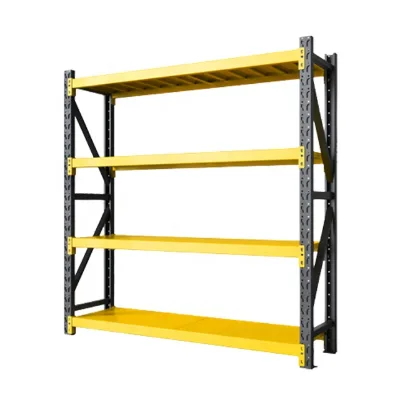


4 Layers Kitchenware Storage Chrome Coated Wire Rack Adjustable Shelving
$12.50 - $55.00
MOQ: 100 Pieces


Comprehensive Sourcing Guide
Multi Layers Wire Shelving with Wheels Sourcing Guide
Procuring multi-layer wire shelving with wheels requires a strategic approach to balancing mobility, load capacity, and spatial efficiency. Buyers must first define the operational environment, whether it is a cold storage facility, a retail backroom, or an industrial warehouse. The presence of wheels introduces specific engineering considerations regarding stability and floor protection, which differ significantly from static racking systems. Understanding these nuances ensures that the selected units support daily workflow demands without compromising safety or structural integrity.
The sourcing process involves evaluating a wide range of product configurations, from semi-closed units to open, multi-level racks. Suppliers often offer customization options for dimensions, materials, and finishes, allowing buyers to tailor solutions to specific inventory types. It is crucial to verify that the mobility features, such as caster quality and locking mechanisms, align with the intended usage frequency. This guide provides a structured framework for evaluating suppliers, verifying technical specifications, and ensuring long-term reliability in high-traffic storage environments.
Product Scope and Observed Listing Signals
The market for mobile wire shelving includes diverse configurations, ranging from simple four-layer carts to complex multi-level racking systems. Observed listings indicate a material preference for steel, with stainless steel options available for corrosive or hygienic environments. Surface treatments like chrome plating are common, offering enhanced durability and ease of cleaning. Buyers should note that mobility classifications vary, with some units described as "mobile" and others as "combined" or "adjustable," reflecting different degrees of flexibility in layout changes.
Dimensions and packaging standards also vary significantly across suppliers. Standard sizes such as 21" x 48" x 72" or metric equivalents like 600W x 350D x 850H mm are frequently cited. Packaging is typically handled in cartons, either single or brown, with some suppliers offering export-grade packaging for international shipments. The weight range of 150kg to 500kg suggests robust construction capable of supporting substantial loads. Buyers must carefully match these physical attributes to their facility’s floor load limits and aisle widths to ensure seamless integration.
Technical Specifications to Verify
When evaluating technical specifications, the material composition is a primary determinant of performance. Steel remains the dominant material, but the grade, such as carbon steel or 304 stainless steel, dictates corrosion resistance and strength. Buyers should verify the shelf depth and height, as these dimensions impact storage density and accessibility. For instance, some listings specify shelf depths of 2-3cm, which may be suitable for lightweight items, while deeper shelves are needed for bulkier goods. Ensuring that the wire mesh gauge and weld quality meet operational demands is essential for preventing sagging or failure under load.
Mobility and structural features require close scrutiny to ensure they meet specific operational needs. The presence of wheels must be complemented by adequate locking mechanisms to prevent unintended movement. Some units are designed as "shelf" structures with multi-level configurations, optimizing vertical space. Buyers should also check the tolerable temperature range, especially for applications in coolers or freezers, where some units are rated for temperatures as low as -38℃. Verifying the number of layers and the closed or open nature of the unit helps in planning storage density and security requirements.
Compliance and Safety Documentation
Safety compliance is critical for mobile shelving units, particularly those used in high-traffic areas. Buyers should request documentation that verifies the load capacity ratings for each shelf level and the total unit. This includes static and dynamic load limits, which differ due to the movement of the wheels. Certifications related to structural integrity and material safety should be reviewed to ensure they meet local regulatory standards. Without proper documentation, buyers risk liability in case of accidents or product failures, making verification a non-negotiable step in the procurement process.
Environmental and hygiene standards may also apply, depending on the application. For food, beverage, or pharmaceutical storage, stainless steel construction and chrome finishes are often required to meet sanitary regulations. Buyers should inquire about the finish type and its resistance to cleaning agents and temperature fluctuations. Documentation should confirm that the materials are non-toxic and suitable for the intended environment. Ensuring that the shelving units comply with relevant industry standards helps maintain operational continuity and avoids costly retrofits or replacements.
Cost Drivers and Commercial Terms
Several factors influence the cost of multi-layer wire shelving with wheels, including material type, surface treatment, and customization level. Stainless steel and chrome plating typically increase costs compared to standard carbon steel with basic finishes. Custom dimensions and specialized mobility features, such as heavy-duty casters or locking mechanisms, also add to the price. Buyers should analyze the total cost of ownership, considering durability and maintenance requirements, rather than focusing solely on the initial purchase price. Understanding these cost drivers helps in making informed budgeting decisions.
Commercial terms, such as minimum order quantities (MOQ) and delivery times, vary among suppliers. Observed MOQs range from 1 to 1000 units, with some suppliers requiring a minimum of 10 pieces for certain models. Delivery times are typically short, often within 1-2 weeks, but this can depend on customization and stock availability. Buyers should negotiate clear terms regarding packaging, shipping responsibilities, and warranty coverage. Clarifying these details upfront prevents unexpected costs and ensures that the procurement timeline aligns with operational needs.
Supplier Qualification and Quality Control
Supplier qualification is essential to ensure consistent quality and reliable service. Buyers should assess the supplier’s manufacturing capabilities, including their ability to produce customized units and maintain quality control processes. Factories with OEM/ODM experience often have more flexible production lines, but this requires rigorous oversight. Verifying the supplier’s track record in producing mobile shelving units helps in assessing their expertise. Buyers should request samples or visit facilities if possible to evaluate workmanship, weld quality, and finish consistency.
Quality control measures should be clearly defined in the purchase agreement. This includes inspection protocols for material thickness, wheel durability, and structural stability. Buyers should specify acceptance criteria for defects and establish procedures for handling non-conforming products. Regular audits or third-party inspections can provide additional assurance of quality. By prioritizing suppliers with robust quality control systems, buyers reduce the risk of receiving substandard products and ensure long-term satisfaction with their investment.
Long-Term Procurement Checks
Long-term procurement success depends on ongoing performance monitoring and supplier relationship management. Buyers should track the durability of wheels and casters, as these components are subject to wear and tear. Regular maintenance checks can extend the lifespan of the shelving units and prevent costly replacements. Establishing a feedback loop with the supplier allows for continuous improvement and addressing any emerging issues promptly. This proactive approach ensures that the shelving system remains effective and safe over time.
Future scalability and adaptability are also key considerations. As business needs evolve, the ability to expand or reconfigure the shelving system becomes important. Buyers should choose suppliers who offer modular designs and compatible accessories. Maintaining a relationship with a reliable supplier facilitates easier procurement of additional units or replacement parts. By focusing on long-term value and flexibility, buyers can optimize their storage solutions and support operational growth effectively.
FAQs
What materials are used for Multi Layers Wire Shelving with Wheels?
These units are primarily constructed from steel, including carbon steel and 304 stainless steel options. The wire surfaces often feature chrome plating for enhanced durability and corrosion resistance. This material selection ensures the shelving can support heavy industrial loads while maintaining structural integrity in various warehouse environments.
Can Multi Layers Wire Shelving with Wheels be customized?
Yes, customization is available for these shelving systems. Buyers can request specific dimensions, such as 600mm width or 900mm width configurations, and choose from various heights. OEM and ODM services allow for tailored designs to fit unique storage requirements, ensuring the final product meets precise operational needs.
What is the typical delivery time for these shelving units?
The standard delivery time is typically 1 to 2 weeks. This timeframe applies to most standard configurations and orders. Buyers should confirm specific lead times with suppliers, as custom dimensions or large volume orders may require additional production time to ensure quality and timely completion of the manufacturing process.
How many layers do these shelving units typically have?
These units commonly feature four layers of wire shelving. This multi-level design maximizes vertical storage space in warehouses and supermarkets. The open structure allows for efficient airflow and visibility of stored items, making it suitable for tools, clothing, beverages, and general industrial storage applications.
What is the minimum order quantity for these products?
The minimum order quantity varies by supplier but can start as low as 1 unit. Some suppliers may require a minimum of 10 pieces for certain configurations. Buyers should verify the specific MOQ with the manufacturer, as bulk orders often benefit from more favorable pricing and streamlined logistics arrangements.
Where are these shelving units typically manufactured?
These units are primarily manufactured in China, with significant production originating from Guangdong province, including Dong Guan. This region is known for its robust manufacturing infrastructure and expertise in producing steel storage solutions. Buyers can expect efficient supply chains and competitive pricing due to the concentration of specialized factories in this area.