Source Powder Coated Supermarket Shelving for Warehouses, Shops, and Pharmacies
Compare 30 listings of Powder Coated Supermarket Shelving designed for warehouses, shops, and pharmacies. These steel racks feature customizable dimensions, Q235 raw material, and lead times ranging from 5 to 20 days for various industrial and retail applications; compare the available evidence and request quotations based on your requirements.
Key considerations
Products List


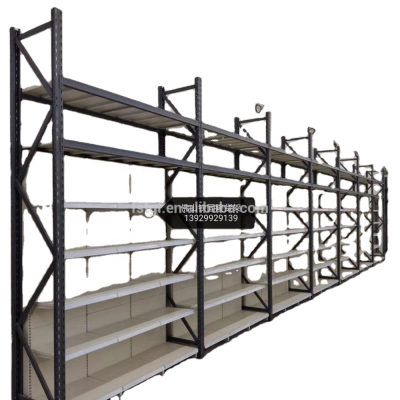
Customized Convenience Store Supermarket Rack Shelves Supermarket Shelves
$1000.00 - $2000.00
MOQ: 1 Pieces



Comprehensive Sourcing Guide
Powder Coated Supermarket Shelving Sourcing Guide
Procuring Powder Coated Supermarket Shelving requires a strategic balance between structural integrity, aesthetic customization, and logistical efficiency. Buyers must navigate a market where steel racks serve diverse environments, from heavy-duty industrial warehouses to delicate food and beverage displays. The core material is typically Q235 steel, treated with epoxy-based powder coatings to ensure durability and resistance to wear. This guide outlines the critical verification steps for sourcing these units, ensuring that the final installation meets both safety standards and operational demands.
The sourcing process involves evaluating multiple product models, such as the QIFEI-Supermarket Shelf or JH-CS01, which vary in side configuration and layer customization. While many listings indicate fixed mobility and new conditions, the actual loading capacity can range significantly, often cited between 300 to 2000 kilograms per arm. Understanding these variations is essential for selecting the right rack type, whether it is a single-sided backplane style or a double-sided wire mesh shelf, to match the specific throughput and spatial constraints of the retail or storage facility.
Product Scope and Observed Listing Signals
The observed market signals indicate a wide range of product configurations, primarily centered around steel construction with customized dimensions. Listings frequently highlight the ability to tailor layer counts and overall dimensions to fit specific store layouts, with standard models often referencing sizes like 9004502100 mm. The surface treatment is consistently described as powder coating, applied via spray methods to substrates like steel, ensuring a uniform finish that is available in various colors, including white. This customization extends to the structural style, with options for backplane designs or open rack structures, allowing buyers to align the visual identity of the shelving with their brand guidelines.
Commercial signals also reveal significant variability in packaging and origin, with products originating from regions like Shandong Province, China. Packaging methods range from standard export packing to bundles secured on plywood pallets, which directly impacts shipping efficiency and damage prevention. Buyers should note that while some listings mention certifications like ISO or RoHS, these are often presented as general capabilities rather than guaranteed status for every unit. The presence of terms like "Heavy Weight" or "Middle Weight" suggests that load-bearing classifications vary, requiring careful review of the specific product model to ensure it supports the intended inventory density without compromising structural stability.
Technical Specifications to Verify
When verifying technical specifications, the primary focus should be on the raw material grade and the integrity of the surface treatment process. The core material is typically Q235 steel, but buyers must confirm the thickness and gauge of the steel components to ensure they can withstand the specified loading capacities, which may range from 300 to 2000 kilograms per arm. The powder coating application, often described as a finish coat using epoxy pigments, should be inspected for uniformity and adhesion. This treatment is critical for preventing corrosion and maintaining the aesthetic appeal of the shelving in high-traffic environments like supermarkets, drug stores, or convenience stores.
Dimensional accuracy and structural configuration are equally important verification points. Buyers should confirm whether the shelving is single-sided or double-sided, as this affects floor space utilization and accessibility. The height of the units, often ranging from 0 to 5 meters, must be compatible with the facility’s ceiling height and fire safety regulations. Additionally, the layer count should be customizable to accommodate products of varying sizes, from small tools to large beverage cases. It is essential to request detailed engineering drawings or CAD files to verify that the rack structure aligns with the specific spatial requirements and load distribution needs of the installation site.
Compliance and Safety Documentation
Compliance and safety documentation are paramount when sourcing supermarket shelving, particularly for environments handling food, beverages, or heavy goods. Buyers should request evidence of relevant certifications, such as ISO standards or RoHS compliance, to ensure the materials used are safe and environmentally responsible. While some listings mention SGS testing or CE marks, these should be treated as potential capabilities rather than guaranteed attributes. It is crucial to verify that the powder coating process does not introduce harmful substances, especially in food retail settings where direct or indirect contact with consumables may occur.
Safety also involves verifying the structural stability and load-bearing claims of the shelving units. Buyers must ensure that the loading capacity per arm is clearly defined and tested, as overloading can lead to catastrophic failure. Documentation should include load test reports or engineering calculations that demonstrate the rack’s ability to support the specified weight, whether classified as heavy or middle weight. Additionally, compliance with local building codes and fire safety regulations is essential, particularly regarding the height of the racks and their placement in aisles. Buyers should insist on clear labeling and assembly instructions to ensure proper installation and ongoing safety maintenance.
Cost Drivers and Commercial Terms
Cost drivers for Powder Coated Supermarket Shelving are primarily influenced by material volume, customization complexity, and surface treatment quality. The use of Q235 steel and epoxy powder coating adds to the base cost, but these materials offer long-term durability that reduces replacement frequency. Customization of dimensions, layer counts, and colors can increase production costs, as it requires tailored manufacturing processes rather than standard batch production. Buyers should also consider the impact of packaging methods, such as plywood pallets, which add to material and labor costs but may reduce shipping damage and associated insurance premiums.
Commercial terms, including lead times and minimum order quantities (MOQ), vary significantly across suppliers. Observed lead times range from 15 to 20 days, while MOQs can start as low as one unit or go up to 500, depending on the supplier’s production capacity and inventory policies. Payment terms and shipping arrangements, such as standard export packing or carton and pallet combinations, also affect the total landed cost. Buyers should negotiate clear delivery schedules and penalty clauses for delays, as retail openings often have strict timelines. Understanding these commercial variables helps in budgeting accurately and avoiding unexpected expenses during the procurement process.
Supplier Qualification and Quality Control
Supplier qualification begins with verifying their manufacturing capabilities and quality control processes. Buyers should assess whether the supplier specializes in steel rack production and has experience with powder coating applications. It is important to confirm that the supplier uses consistent raw materials, such as Q235 steel, and follows standardized surface treatment procedures to ensure uniform finish quality. Suppliers that offer customization should demonstrate their ability to handle special sizes and layer configurations without compromising structural integrity. Requesting references or case studies from previous projects in similar industries, such as supermarkets or warehouses, can provide insight into their reliability and performance.
Quality control measures should include in-process inspections and final product testing. Buyers should inquire about the supplier’s protocols for checking steel thickness, coating adhesion, and dimensional accuracy. A robust quality control system will include random sampling and load testing to verify that the shelving meets the specified loading capacities. Additionally, suppliers should provide clear packaging instructions and use protective materials to prevent damage during transit. Buyers may also consider third-party inspection services to verify product quality before shipment, ensuring that the delivered goods match the agreed-upon specifications and standards.
Long-Term Procurement Checks
Long-term procurement checks focus on the durability and maintainability of the Powder Coated Supermarket Shelving. Buyers should evaluate the resistance of the powder coating to scratches, impacts, and environmental factors like humidity and temperature fluctuations. A high-quality finish should retain its color and integrity over time, reducing the need for frequent repainting or replacement. Additionally, the structural design should allow for easy maintenance, such as cleaning and minor repairs, without requiring specialized tools or extensive downtime. Buyers should consider the availability of spare parts, such as shelves or connectors, to facilitate quick replacements in case of damage.
Sustainability and end-of-life considerations are also important for long-term procurement strategies. Buyers should assess the recyclability of the steel components and the environmental impact of the powder coating process. Suppliers that adhere to environmental standards, such as RoHS, contribute to a more sustainable supply chain. Furthermore, buyers should monitor the supplier’s ability to adapt to changing retail trends, such as modular designs or eco-friendly materials. Establishing a long-term partnership with a reliable supplier can ensure consistent quality, competitive pricing, and ongoing support for future expansion or renovation projects.
FAQs
What materials are used for Powder Coated Supermarket Shelving?
The shelving is primarily constructed from Q235 steel, providing a robust and durable structure for heavy loads. The surface undergoes powder coating treatment to enhance corrosion resistance and aesthetic appeal. This combination ensures longevity in high-traffic retail environments while maintaining structural integrity under significant weight.
Can the dimensions of the shelves be customized?
Yes, customization is available for various dimensions, including special sizes upon request. Standard models like the QIFEI-Supermarket Shelf offer specific measurements, but buyers can specify unique requirements. This flexibility allows retailers to optimize floor space and accommodate diverse product displays effectively.
What is the typical lead time for production?
The standard lead time for production is approximately 15 days. Delivery times generally range from 5 to 20 days depending on order volume and logistics. Buyers should plan accordingly to ensure timely installation, especially for large-scale supermarket or warehouse rack projects requiring immediate deployment.
How much weight can each arm support?
Each arm can support a loading capacity ranging from 300 to 2000 kilograms. This heavy-weight design ensures stability for storing bulk items or dense products. The robust steel construction distributes weight evenly, making it suitable for supermarkets, warehouses, and industrial storage applications requiring high load-bearing performance.
What packaging methods are used for shipping?
Products are packed using standard export packing methods, often bundled with plywood pallets for secure transport. Some items may be packed in cartons and pallets to prevent damage during transit. This careful packaging ensures that the powder-coated surfaces remain intact and the structural components arrive ready for assembly.
Are the shelves suitable for drug stores and convenience stores?
Yes, these shelves are versatile and suitable for drug stores, convenience stores, and supermarkets. They feature styles like backplane designs and can be single or double-sided. The customizable layers and colors allow retailers to create attractive displays that enhance product visibility and customer experience in various retail settings.