Source EPS Concrete Sandwich Wall Panel for Warehouse, Prefab, and Wall Applications
Find and compare 30 EPS Concrete Sandwich Wall Panel options for warehouse, prefab, and wall applications. Evaluate specifications such as steel thickness, fire ratings, and certifications to select the right material for your construction project.
Key considerations
Products List


Cost-Effective Construction Material EPS Cement Sandwich Wall Panel
$9.12 - $15.58
MOQ: 300 Square Meters


Fast Installation Wall / Easy Built Wall / EPS Cement Sandwich Panel
$5.00 - $10.00
MOQ: 500 Square Meters


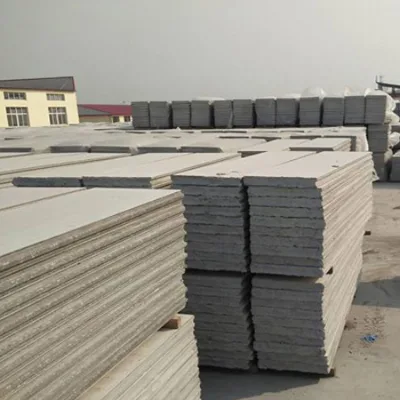


Best Price Wall Paneling EPS Fiber Cement Sandwich Panel/EPS Foam Board
$6.75 - $15.00
MOQ: 700 Square Meters
Comprehensive Sourcing Guide
EPS Concrete Sandwich Wall Panel Sourcing Guide
Procuring EPS concrete sandwich wall panels requires a nuanced understanding of material composition, structural integrity, and supply chain logistics. These panels are composite building elements that typically combine a cement-based or calcium board facing with an Expanded Polystyrene (EPS) core, designed to offer thermal insulation, fire resistance, and lightweight structural support. Buyers must distinguish between pure steel-faced sandwich panels and those utilizing non-metallic facings, as the latter often appear in catalogs under similar terminology but serve different structural and aesthetic purposes. The sourcing process involves verifying the specific layer composition, as the core material significantly influences the panel’s weight, insulation value, and fire rating.
The market for these panels is diverse, with suppliers offering variations in width, thickness, and surface treatment. Observed listings indicate a wide range of product models, from industrial-grade steel structures to specialized non-metallic variants for prefab buildings. Buyers should approach product catalogs with caution, recognizing that a single supplier may list multiple distinct product lines under the same general keyword. It is essential to isolate the specific technical requirements of your project, such as whether the application demands a fireproof, lightweight, or environmentally friendly material, before engaging with suppliers. This initial filtering prevents miscommunication and ensures that the technical specifications provided by the vendor align with your engineering constraints.
Product Scope and Observed Listing Signals
The product scope for EPS concrete sandwich panels encompasses a variety of applications, including warehouse construction, prefab buildings, and general wall, floor, and roof systems. Listings often highlight features such as being lightweight, fireproof, and environmentally friendly, which are critical for modern construction projects seeking energy efficiency and safety compliance. The core material is frequently described as EPS, cement, or calcium board, while the facing material may be steel, foam, or nonmetallic components. Buyers must carefully review the "Materials" and "Panel Material" fields in supplier listings, as these define the structural load-bearing capacity and aesthetic finish of the final installation.
Observed listing signals reveal significant variation in product models and customization options. For instance, some products are identified by model numbers like PPT-118 or ZJT-033, while others are described as "Mobile Type" or "Automatic Grade," suggesting that some listings may refer to the manufacturing machinery rather than the panel itself. This ambiguity necessitates a thorough review of the product description to confirm that the item being sold is the actual wall panel and not the production equipment. Additionally, the presence of certifications such as CCC, RoHS, ISO9001, SGS, and TUV in listings indicates a level of quality assurance, but buyers must verify that these certifications apply to the specific panel model and not just the manufacturing process or company credentials.
Technical Specifications to Verify
Technical verification begins with the physical dimensions and material thicknesses of the panels. Standard widths observed in the market include 1150mm and 950mm, with some products adhering to standards like 2270/2440mm*610mm. The steel thickness, where applicable, ranges from 0.2mm to 0.6mm, which directly impacts the panel’s durability and resistance to impact. Buyers must confirm the exact core thickness and density, as these factors determine the thermal insulation performance (R-value) and the overall weight of the wall system. Inconsistent specifications can lead to structural failures or inadequate insulation, so precise measurement requirements should be communicated clearly to the supplier.
Fire rating and structural integrity are critical technical parameters that must be explicitly defined. Listings may cite fire ratings of 1 or 4, but these numbers often correspond to specific national or regional testing standards rather than a universal metric. Buyers should request the specific test standard and report associated with the fire rating to ensure compliance with local building codes. Furthermore, the type of bonding between the facing and the core is vital; a weak bond can lead to delamination under thermal expansion or mechanical stress. Verifying the manufacturing process, such as whether the panels are produced using hydraulic units with specific operating pressures, can provide insight into the consistency and quality of the final product.
Compliance and Safety Documentation
Compliance with international and local standards is non-negotiable for EPS concrete sandwich panels, particularly regarding fire safety and environmental impact. Certifications such as ISO9001, CE, RoHS, CCC, SGS, and TUV are commonly cited in supplier listings, but buyers must verify the scope of these certifications. For example, ISO9001 certifies the quality management system of the manufacturer, not necessarily the product itself. Similarly, CE marking indicates conformity with health, safety, and environmental protection standards for products sold within the European Economic Area, but it must be backed by a Declaration of Conformity and relevant test reports. Buyers should request copies of these documents to ensure that the specific batch of panels meets the required regulatory framework.
Fire safety documentation is particularly critical, as EPS cores can be flammable if not properly treated with flame retardants. The fire rating claimed by the supplier must be supported by independent laboratory test results from accredited bodies like SGS or TUV. Buyers should inquire about the specific fire performance characteristics, such as flame spread index, smoke developed index, and heat release rate. Additionally, environmental certifications like RoHS ensure that the materials used in the panel do not contain hazardous substances, which is increasingly important for green building certifications like LEED or BREEAM. Ensuring that all safety documentation is up-to-date and applicable to the specific product model prevents legal liabilities and ensures the safety of the building occupants.
Cost Drivers and Commercial Terms
The cost of EPS concrete sandwich panels is influenced by several factors, including the raw material prices, panel dimensions, and customization requirements. Steel prices, EPS density, and cement costs are volatile market variables that directly impact the final price. Listings show a wide price range, from $1 to over $1,000,000, which likely reflects the difference between individual panels and bulk orders of manufacturing equipment or large-scale project supplies. Buyers should focus on the unit price per square meter or per panel, ensuring that all costs, including packaging and transportation, are clearly defined. The observed Minimum Order Quantity (MOQ) ranges from 1 to 1000 units, which affects the economies of scale and the overall project budget.
Commercial terms such as payment methods, lead times, and shipping arrangements are crucial for effective procurement planning. Most suppliers offer transportation by sea, which is cost-effective for large volumes but requires careful logistics planning. The packing method, whether it is PVC foil double sides, pallets wrapped in plastic sheeting, or standard export packing, impacts the protection of the panels during transit and the associated shipping costs. Buyers should negotiate clear terms regarding delivery schedules, as delays can disrupt construction timelines. Additionally, warranty terms, such as the one-year warranty observed in some listings, provide a safety net against manufacturing defects, but the scope of coverage should be clearly understood.
Supplier Qualification and Quality Control
Supplier qualification involves assessing the manufacturer’s production capabilities, quality control processes, and after-sales support. Suppliers with certifications like ISO9001 and those offering online after-sales service demonstrate a commitment to quality and customer support. Buyers should verify the supplier’s production capacity and lead times to ensure they can meet project deadlines. The origin of the products, such as Shanghai or Xiamen Fujian, may also influence logistics costs and delivery times. It is advisable to request factory audits or third-party inspections to verify the supplier’s claims regarding production standards and quality control measures.
Quality control should be integrated into the procurement process through pre-shipment inspections and sample approvals. Buyers should request physical samples of the panels to evaluate the surface finish, core density, and overall construction quality. During production, key quality checkpoints include the bonding strength between the facing and the core, the uniformity of the panel thickness, and the accuracy of the dimensions. Suppliers who provide detailed production reports and test results for each batch offer greater transparency and reliability. Establishing a clear communication channel with the supplier’s technical team can help resolve any quality issues promptly and ensure that the delivered panels meet the specified requirements.
Long-Term Procurement Checks
Long-term procurement success depends on establishing a robust relationship with suppliers and implementing continuous improvement strategies. Regular performance reviews of suppliers, based on metrics such as delivery reliability, product quality, and responsiveness, help identify potential issues early. Buyers should maintain a database of supplier performance to inform future sourcing decisions. Additionally, staying informed about industry trends, such as new insulation materials or fire-resistant technologies, can provide opportunities for cost savings and performance improvements. Engaging with suppliers on product development can lead to customized solutions that better meet specific project needs.
Risk management is a critical component of long-term procurement. Buyers should diversify their supplier base to mitigate the risk of supply chain disruptions. Having alternative suppliers qualified and ready to step in can ensure continuity of supply in case of emergencies. Furthermore, monitoring market trends for raw material price fluctuations allows buyers to anticipate cost changes and adjust procurement strategies accordingly. Implementing a structured contract management system ensures that all terms, including warranties, penalties for delays, and quality guarantees, are enforced consistently. By focusing on these long-term checks, buyers can build a resilient and efficient supply chain for EPS concrete sandwich wall panels.
FAQs
What materials are used in these sandwich wall panels?
The panels utilize a composite structure featuring steel skins and various core materials. Options include foam, EPS, cement calcium board, and other cement-based composites. This combination ensures the panels are lightweight, fireproof, and environmentally friendly, making them suitable for diverse construction applications.
Can these panels be customized for specific projects?
Yes, customization is available for many of the listed products. Buyers can request specific dimensions, such as widths of 1150mm or 950mm, and tailored steel thicknesses ranging from 0.2mm to 0.6mm. Some models offer non-customized standard options, while others support bespoke designs to meet unique architectural requirements.
What certifications do these wall panels hold?
The products hold various recognized certifications including ISO9001, CCC, RoHS, ISO, CE, SGS, and TUV. These credentials verify compliance with quality management and safety standards. Buyers should verify specific certification documents for each model, as different suppliers may offer varying levels of certified documentation depending on the product line.
What are the typical applications for these panels?
These sandwich panels are primarily designed for wall applications in warehouses and prefab buildings. They are also suitable for use in floors and roofs. The lightweight and fireproof nature of the steel and foam or cement cores makes them ideal for rapid construction projects requiring durable and efficient building envelopes.
How are these panels packaged for shipping?
Packaging methods vary by supplier and product type. Common methods include PVC foil on double sides, international packing standards for molds, and standard export packing. Some items are palletized and wrapped in plastic sheeting to ensure protection during transportation. Buyers should confirm the specific packing details with the supplier before ordering.
What is the warranty and after-sales service?
Many suppliers offer a one-year warranty and online after-sales service. This support helps address any installation or quality issues that may arise post-delivery. Buyers should confirm the specific warranty terms and the availability of online technical support with the manufacturer to ensure adequate coverage for their specific project needs.