Source Equal Stainless Steel Elbow for Plumbing, HVAC, and Industrial Piping
Compare 30 listings for Equal Stainless Steel Elbow fittings available in 304 and 316L materials. Buyers can evaluate specifications including pressure ratings, connection types, and customization options from verified manufacturers in China.
Key considerations
Products List


$10.00 - $200.00
MOQ: 50 Pieces


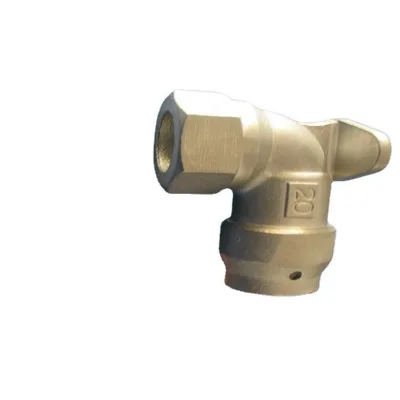


Stainless Steel Pipe Fitting Connector Elbows Stainless Steel Elbow Price
$1.20 - $1.50
MOQ: 1000 Pieces

Comprehensive Sourcing Guide
Equal Stainless Steel Elbow Sourcing Guide
Procuring equal stainless steel elbows requires a disciplined approach to distinguishing between casting and forging methods, as the supply chain offers distinct product profiles for different pressure and corrosion requirements. The observed market data indicates a significant divergence in manufacturing techniques, with some listings explicitly citing "Casting" and "Foundry" processes while others highlight "Forged" or "Cold Rolled" attributes. Buyers must first determine the operational environment of the intended pipeline, as cast fittings generally offer cost advantages for lower-pressure applications, whereas forged elbows provide superior grain structure and mechanical strength for high-stress systems.
The material composition is equally critical, with the market presenting options ranging from 201 to 304 stainless steel, and specific listings noting 304/316L grades for enhanced corrosion resistance. This variation directly impacts the suitability of the component for specific industries, such as food processing or chemical transport, where material purity and resistance to oxidation are non-negotiable. Sourcing strategies must therefore begin with a clear definition of the required alloy grade, ensuring that the selected elbow matches the fluid compatibility and temperature limits of the system, which can range from -20°C up to +120°C depending on the specific O-ring and sealing configuration used.
Product Scope and Observed Listing Signals
The current market inventory for equal stainless steel elbows spans a wide range of nominal diameters, with observed specifications covering sizes from DN8 to DN100 and corresponding inch measurements from 1/4 to 4 inches. Buyers will encounter listings that define the product model as "DN8-DN100" or "1/2-4 & DN15-DN100," indicating that suppliers often group products by metric and imperial standards to cater to diverse international projects. This variability in sizing nomenclature requires careful cross-referencing to ensure that the ordered component fits the existing piping infrastructure without requiring costly adapters or modifications.
Packaging and transportation methods also vary significantly across suppliers, with most items listed as being packed in cartons for standard protection, though some offer customized packaging solutions. The origin of these products is predominantly traced to manufacturing hubs in Zhejiang and Wenzhou, China, where the supply chain is optimized for both land carriage and export logistics. When evaluating listings, buyers should note that while the core product is an equal elbow, the specific attributes such as "Threaded Union" or "Press Connection" may define the end-use application, necessitating a verification of the connection type against the system design before finalizing the order.
Technical Specifications to Verify
Dimensional accuracy and wall thickness are paramount when selecting an Equal Stainless Steel Elbow, as the market data reveals tolerances for diameter ranging from +/-0.13mm to +/-1.26mm and wall thickness tolerances of +/-10%. These variances can significantly affect the pressure rating and flow characteristics of the pipeline, making it essential for buyers to request detailed mill test reports or dimensional inspection certificates that confirm the specific batch meets the required Sch10s or equivalent wall thickness standards. Relying on generic specifications without verifying the actual tolerance of the delivered goods can lead to premature failure or leakage in high-pressure systems.
The connection method and thread standards are equally critical technical parameters that must align with the existing piping network. Listings indicate a variety of connection types including welding, press connections, and threaded options with standards such as BSPT, BSPP, and NPT. Buyers must explicitly verify the thread type and angle, as the observed data includes both 45-degree and 90-degree elbows, and the head code is typically round. Ensuring that the selected elbow matches the specific thread standard and angle of the system is vital to prevent assembly issues and maintain the integrity of the joint under operational pressure.
Compliance and Safety Documentation
Certification requirements for stainless steel elbows are diverse, with the market offering products compliant with a broad spectrum of international standards including ASME, ANSI, DIN, JIS, BS, GB, GS, and KS. While some listings explicitly state compliance with these major standards, others may only reference general "Standard Specifications or Customized" without detailing the specific code. Procurement teams must demand explicit certification documentation for the specific batch ordered, as the presence of a certification mark on a listing does not guarantee that every unit in the shipment meets the rigorous testing protocols associated with that standard.
Safety and performance documentation should also address the pressure and temperature ratings of the component, which are observed to range up to 150lbs or 16bar depending on the specific product configuration. The inclusion of specific O-ring materials such as EPDM, HNBR, NBR, or FKM suggests that the elbow may be part of a press-fit system where sealing integrity is critical. Buyers should verify that the provided documentation confirms the temperature range of -20°C to +120°C and the pressure rating for the specific application, ensuring that the component will not fail under the expected thermal and mechanical loads of the installation.
Cost Drivers and Commercial Terms
The price range for equal stainless steel elbows in the current market is extensive, spanning from $0.27 to $3500, a variance driven primarily by material grade, manufacturing technique, and order volume. Lower-priced items often correspond to cast fittings in 201 stainless steel with standard packaging, while higher-cost units typically involve forged 304 or 316L materials with specialized surface treatments like sand blasting or acid cleaning. Understanding these cost drivers allows buyers to budget effectively and avoid the pitfalls of selecting a component that is either over-engineered for the application or under-specified for the required durability.
Commercial terms and minimum order quantities (MOQ) are also significant factors influencing the total cost of ownership, with observed MOQs ranging from 1 to 1000 units. Suppliers offer flexible business terms including EXW, FOB, CIF, DAP, and DDP, which dictate the point at which risk and cost transfer from the seller to the buyer. Buyers must calculate the landed cost by factoring in these Incoterms, as a lower unit price may be offset by higher shipping or insurance costs if the terms are not favorable. Additionally, the availability of customization services can impact the price, requiring a clear definition of the scope of work to prevent unexpected cost overruns.
Supplier Qualification and Quality Control
Supplier qualification should focus on verifying the manufacturing process and surface treatment capabilities, as the market data highlights a mix of foundry casting and cold/hot rolling techniques. A reputable supplier will provide evidence of their quality control processes, including surface treatments like sand rolling, sand blasting, and acid cleaning, which are essential for preventing corrosion and ensuring a smooth finish. Buyers should request photos or videos of the production line and the specific surface treatment process to confirm that the supplier has the necessary equipment and expertise to deliver the required finish.
Quality control extends to the verification of material composition and dimensional consistency, requiring suppliers to provide traceable documentation for the stainless steel used. Given the observed variations in material grades from 201 to 316L, it is crucial to implement a rigorous incoming inspection protocol that includes chemical analysis and mechanical testing. Buyers should establish clear acceptance criteria for tolerances and surface defects, ensuring that the supplier understands the critical nature of these specifications for the intended application and is willing to adhere to strict quality assurance protocols.
Long-Term Procurement Checks
Establishing a long-term procurement strategy for equal stainless steel elbows involves regular audits of supplier performance and consistency in product quality. Buyers should monitor the supplier's ability to maintain the specified tolerances and material grades over multiple orders, as variations in the casting or forging process can lead to inconsistencies that compromise the pipeline's integrity. Regular communication and feedback loops are essential to ensure that the supplier remains aligned with the buyer's evolving technical requirements and quality standards.
Future-proofing the supply chain also requires staying informed about changes in industry standards and material availability, as the market for stainless steel fittings is subject to fluctuations in raw material costs and regulatory updates. Buyers should maintain a relationship with suppliers who demonstrate flexibility in customization and can adapt to new standards such as ASTM A270 or other emerging codes. By fostering a collaborative relationship with qualified suppliers, buyers can ensure a steady supply of high-quality elbows that meet the rigorous demands of their industrial applications.
FAQs
What material is used for the Equal Stainless Steel Elbow?
The product is manufactured from stainless steel, specifically grades 201, 304, or 316L depending on the specific item configuration. This material selection ensures durability and corrosion resistance for various industrial applications requiring high performance.
Which manufacturing techniques are applied to these fittings?
These fittings are produced using casting and forging techniques, with some variants also utilizing cold or hot rolling processes. The specific method depends on the required pressure rating and dimensional tolerance for the final application.
Can the product be customized for specific thread requirements?
Yes, customization is available for thread types including BSPT, BSPP, and NPT to meet diverse international standards. Buyers can request specific modifications to ensure compatibility with existing piping systems and connection requirements.
What pressure ratings are available for these stainless steel elbows?
The fittings are rated for pressures up to 150lbs or 16bar, suitable for various industrial fluid handling needs. Specific pressure capabilities may vary based on the wall thickness and manufacturing process selected for the order.
How are these products packaged for transportation?
Items are typically packed in cartons, with options for standard or customized packaging to suit shipping requirements. This ensures protection during carriage by land and prevents damage during transit to the destination.
What certifications do these fittings hold?
The products comply with major international standards including ASME, ANSI, DIN, JIS, BS, GB, GS, and KS. These certifications verify that the manufacturing processes and material quality meet rigorous industry safety and performance benchmarks.
Where are these stainless steel elbows manufactured?
The products originate from manufacturing facilities located in Zhejiang and Wenzhou, China. This regional concentration allows for efficient production and logistics management for international buyers seeking reliable supply chains.