Source Equestrian Shirt Options for Riding, Gym, and Yoga
Find 30 Equestrian Shirt listings featuring ramie and polyester blends with custom embroidery and anti-bacterial properties. Compare sizes, colors, and small MOQs from Dongguan suppliers for riding, fitness, and yoga applications; compare the available evidence and request quotations based on your requirements.
Key considerations
Products List


Horse Riding Tops Customized Equestrian Shirt Horse Riding Polo Shirt Ladies
$14.00 - $16.00
MOQ: 100 Pieces

Equestrian Clothing Horse Riding Shirt Sleeveless Tops Equestrian Sleeveless Vest
$13.00 - $15.00
MOQ: 100 Pieces

Western Show Shirt Horse Riding Shirt Horse Riding Shirt Mesh Women Equestrian
$14.50 - $16.50
MOQ: 100 Pieces


Performance Short Sleeve Show Shirt for Equestrian Excellence Ladies Shirts
$11.50 - $14.00
MOQ: 100 Pieces


Custom Color Equestrian Horse Riding Tops Women's Long Sleeve Equestrian Riding Shirts
$10.99 - $12.99
MOQ: 200 Pieces
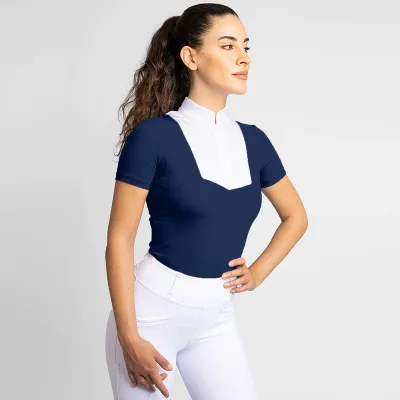
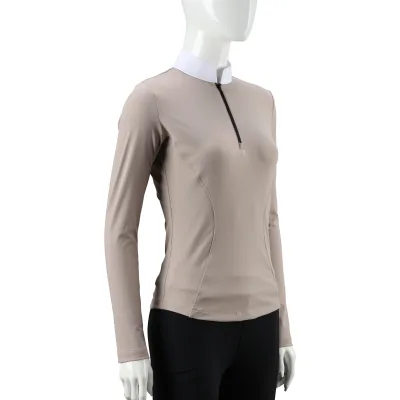
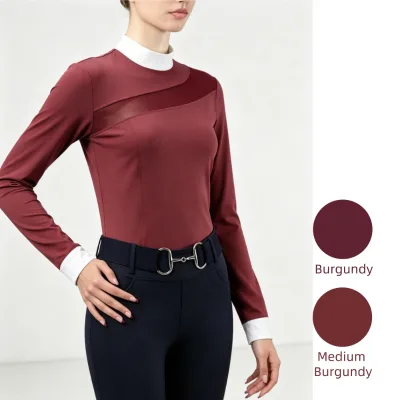


Equestrian Thumbhole Shirt -Girls Half Zip Golf Shirt with Pockets Athletic Riding Top
$6.00 - $7.00
MOQ: 1000 Pieces


Women's Equestrian Show Shirt - Lace Long Sleeve, Breathable Stretch Stand Collar
$6.00 - $7.00
MOQ: 1000 Pieces




Comprehensive Sourcing Guide
Equestrian Shirt Sourcing Guide
Sourcing equestrian shirts requires identifying manufacturers capable of delivering specialized athletic wear that balances performance with traditional aesthetics. The available market data indicates a strong focus on customization, with suppliers offering free design services and the ability to produce items in any color, print, or size. Buyers should prioritize vendors who explicitly list "Small MOQ" capabilities, as this flexibility is crucial for testing new designs before committing to large-scale production runs.
Procurement decisions must account for the diverse material and construction options observed in current listings, ranging from 100% Ramie blends to advanced synthetic blends designed for high-intensity activity. The observed product attributes highlight specific technical features such as anti-bacterial, anti-UV, and quick-dry properties, which are essential for riders spending extended periods outdoors. It is vital to verify that the specific garment model selected matches the intended usage, whether for competitive ball sports, cycling, or general fitness, as construction details like flatlock seaming vary significantly between product lines.
Product Scope and Observed Listing Signals
The current market for equestrian shirts presents a wide spectrum of styles, from loose-fitting blouses with button-up collars to fitted base layers designed for rigorous movement. Listings frequently mention specific model identifiers such as "RW-show shirts" and "RW sleeveless" variants, indicating a specialized inventory tailored for different riding disciplines. Buyers must carefully distinguish between these models, as the "Padded" style and "Holiday" type attributes suggest distinct functional requirements that may not align with standard competitive riding gear.
Observations of product attributes reveal a heavy emphasis on seasonal suitability, with many items explicitly categorized for Summer use. The presence of "Free Size" options alongside "Customized" sizing indicates that suppliers cater to both immediate off-the-shelf needs and bespoke client requirements. When evaluating listings, procurement teams should note the variation in packing methods, ranging from simple OPP bags to complex box packaging, as this impacts logistics costs and the final presentation of the goods upon delivery to the end customer.
Technical Specifications to Verify
Technical verification begins with confirming the fabric composition, as the supply chain shows a mix of natural fibers like 100% Ramie and synthetic blends engineered for breathability and moisture management. Buyers must ensure that the selected shirt possesses the necessary "Quick Dry" and "Anti-Bacterial" capabilities, which are critical for maintaining hygiene and comfort during long equestrian events. The stitching quality is another critical factor, with "Four Needle Six Thread" and "Flatlock Seaming" being the preferred standards to prevent chafing and ensure durability under the stress of riding.
Construction details such as collar style and sleeve configuration must align with the specific equestrian discipline, as "Button Cuffs" and "Button Up Collar" styles offer different levels of protection and aesthetic formality. The observed "Jacquard Technology" and "Embroidered" techniques suggest that pattern complexity can vary, requiring buyers to confirm that the chosen printing method, whether screen printing or sublimation, will not compromise the fabric's stretch or breathability. It is essential to validate that the weight of the garment, observed at approximately 15g for some items, is appropriate for the intended climate and activity level.
Compliance and Safety Documentation
Compliance verification for equestrian apparel often involves checking for specific safety certifications that ensure the fabric meets international textile safety standards. While some listings mention "SGS" certification, buyers should not assume all products automatically meet this standard without requesting specific test reports for the batch being ordered. The absence of explicit "OEKO-TEX" claims in the primary data suggests that this certification is not universal across all suppliers, making it a critical point of inquiry for brands targeting markets with strict chemical residue limits.
Safety documentation must also address the intended age group, as the supply chain lists products for both "Adults" and "Children to Adults," each requiring different safety considerations. Buyers should request proof that the dyes and finishes used in the "Customized Design" process are non-toxic and safe for prolonged skin contact, especially given the "Anti-UV" claims which rely on specific chemical treatments. Ensuring that the supplier can provide a Certificate of Analysis for the specific materials used is a necessary step to mitigate liability and ensure consumer safety in the final product.
Cost Drivers and Commercial Terms
Cost structures in this sector are heavily influenced by the level of customization required, with "Small MOQ" options often carrying a higher per-unit price due to the setup costs for unique designs. The observed MOQ range of 10 to 1000 pieces indicates that buyers can negotiate terms based on their volume needs, but smaller orders may incur additional fees for sample production and design services. It is important to clarify whether the "Free Design" service includes all iterations or if there are hidden costs for multiple design revisions before finalizing the production order.
Commercial terms must also account for the variability in packaging and shipping, as options range from simple "PE Bag" to "Polybag and Then Packed in Boxes." These packaging choices directly impact the final landed cost and the protection of the goods during transit, particularly for delicate items with "Embroidered" details. Buyers should negotiate clear terms regarding lead times and the "Sample Service" availability, ensuring that the supplier can deliver customized samples quickly to validate quality before the full production run begins.
Supplier Qualification and Quality Control
Supplier qualification should focus on verifying the origin and production capabilities, as the data points to specific manufacturing hubs like "Dongguan China" and "Dongguan." Buyers must confirm that the supplier has the infrastructure to handle "Customized" orders with precision, ensuring that the "Any Color/Print/Size" promises are backed by actual production capacity rather than just marketing claims. It is advisable to audit the supplier's quality control processes, specifically their ability to maintain consistency in "Four Needle Six Thread" stitching and fabric weight across large batches.
Quality control protocols must include rigorous testing of the "Anti-Bacterial" and "Anti-UV" claims to ensure they meet the stated performance levels. Since the product attributes list "Feature" claims that are not universally guaranteed, buyers should insist on pre-shipment inspections that verify these functional properties. Establishing a clear communication channel for resolving defects related to "Pattern" alignment or "Collar Style" inconsistencies is essential, as these details are critical for the professional appearance required in equestrian apparel.
Long-Term Procurement Checks
Long-term procurement success depends on maintaining a consistent relationship with suppliers who can adapt to changing market demands and seasonal trends. Buyers should regularly review the supplier's ability to deliver "Customized Design" services that remain competitive in the "USA, EU and Australia" markets, ensuring that the product offerings stay relevant to evolving equestrian fashion and performance standards. Continuous monitoring of the supplier's inventory for new materials or technologies, such as advanced "Jacquard Technology," can provide a strategic advantage in product differentiation.
Sustainability and ethical sourcing should be integrated into long-term checks, even if specific certifications are not currently highlighted in the product listings. Buyers should periodically request updates on the supplier's environmental practices and labor standards, ensuring that the "Customized" production process remains compliant with international regulations. Establishing a feedback loop for post-delivery performance analysis will help identify any recurring issues with "Quick Dry" functionality or fabric durability, allowing for proactive adjustments to future orders.
FAQs
Can I customize the Equestrian Shirt with my logo?
Yes, customization is available for these garments. Buyers can request custom designs, including logo placement and specific color or print options. The supplier offers free design services to assist with the process. This ensures the final product aligns perfectly with your brand identity and specific event requirements.
What material is used for the Equestrian Shirt?
The primary material is 100% Ramie, known for its breathability and durability. Some variants may feature technical fabrics with anti-bacterial and quick-dry properties. This natural fiber choice ensures comfort during physical activities, making it suitable for summer wear and various sports applications like cycling or fitness.
What is the minimum order quantity for these shirts?
The minimum order quantity is flexible, starting at small MOQs as low as 10 pieces. Some specific models may require a minimum of 100 pieces. This low entry point allows buyers to test the market or order small batches for events without committing to large inventory volumes upfront.
Which certifications do the equestrian shirts have?
The products are certified by SGS, ensuring quality and safety standards are met. This certification provides assurance regarding the material integrity and manufacturing processes. Buyers can rely on these verified standards for compliance in major markets like the USA, EU, and Australia, ensuring trust in the supply chain.
Where are the equestrian shirts manufactured?
These shirts are manufactured in Dongguan, China. This location is a known hub for textile production, offering efficient supply chains and skilled labor. Buyers can expect consistent quality and reliable production capabilities from facilities in this region, supporting timely delivery for international orders.
What features do the technical equestrian shirts offer?
Technical variants offer anti-bacterial, anti-UV, breathable, and quick-dry features. These attributes enhance performance during sports like equestrian, tennis, or gym workouts. The fabric technology helps regulate body temperature and moisture, providing comfort and protection for athletes during intense physical activities in various weather conditions.