Source Ethylene Oxide Free Sterilization Wrapper for Medical, Dental, and Lab Use
Find and compare Ethylene Oxide Free Sterilization Wrapper options from 30 verified listings. Evaluate materials, certifications, and customization features to select the right packaging for your sterilization needs.
Key considerations
Products List


Advanced Medical Sterilizer for Safe Ethylene Oxide Sterilization Solutions
$5000.00 - $8000.00
MOQ: 1 Pieces


Good Quality Ethylene Oxide Sterilizer Ethylene Oxide Sterilization Equipment
$11000.00 - $16000.00
MOQ: 1 Pieces
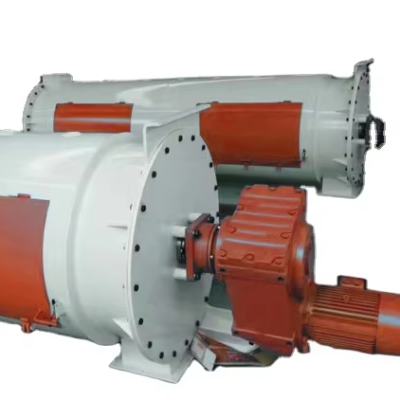

Eto Sterilization Machine Ethylene Oxide Sterilizer for Medical and Surgical Items
$22900.00 - $58000.00
MOQ: 1 Sets

Automatic Ethylene Oxide Sterilizer, 1-25m³ Capacity for Medical Product
$38800.00 - $68000.00
MOQ: 1 Sets


Comprehensive Sourcing Guide
Ethylene Oxide Free Sterilization Wrapper Sourcing Guide
Procurement teams sourcing sterilization consumables often encounter the term "Ethylene Oxide Free Sterilization Wrapper" when they need packaging materials that do not introduce EO residues into the sterile barrier system, or when their sterilization workflow has shifted away from ethylene oxide toward steam, radiation, or other low-temperature modalities. A wrapper in this context is the outer protective material—typically a nonwoven or crepe-paper-based product—that maintains sterility of instruments and packs between processing and point of use. Buyers should first clarify whether they need a wrapper certified as EO-free in its composition (no EO residues from prior gas sterilization of the material itself) or a wrapper designed for compatibility with non-EO sterilization cycles, since the sourcing criteria differ for each interpretation.
The supplied product-page context is dominated by ethylene oxide sterilization equipment and accessories—EO sterilizers in chamber sizes from 60 L up to 60 m³, disposable syringes (2 ml–20 ml) processed under EO, and infusion sets—alongside signals that customization is available and that related consumables are offered. This means buyers of EO-free wrappers will most likely be working with the same supplier ecosystems that serve hospital CSSD departments, dental clinics, and veterinary facilities. The wrapper itself is a consumable adjacent to, rather than identical with, the sterilizers listed, so this guide focuses on how to qualify wrapper suppliers within that broader medical device consumables environment.
Product Scope and Observed Listing Signals
The observed category listings span disposable plastic medical consumables (syringes in 2 ml–20 ml sizes, infusion sets) and capital sterilization equipment, with packing formats ranging from PE bags and blister packs to wooden crates for large sterilizers. Against this backdrop, a sterilization wrapper sits in the consumables tier: single-use, volume-purchased, and typically packed in PE bags or cartons. Observed listing signals worth noting include customization availability, logo printing options (both "with logo printing" and "without logo printing" appear in the data), adult patient group classification, and HS code 90183100 for related medical consumables. Buyers should treat these as observations from the category rather than guarantees that any single wrapper listing carries all of them.
Because the listings show wide MOQ ranges (from single units for equipment up to 20,000 units for consumables) and an extremely broad price band, wrapper buyers should expect commercial terms to scale with order volume and specification complexity. Useful signals to screen for on supplier pages include stated material composition (plastic versus paper-based nonwoven), whether the wrapper is positioned for EO, steam, or multi-modality use, and whether the supplier discloses packaging formats suitable for your storage conditions. A wrapper listing that omits sterilization-modality compatibility entirely is a red flag requiring clarification before sampling.
Technical Specifications to Verify
Material composition is the first specification to pin down. The category data shows both plastic and stainless steel materials across the broader product set; for wrappers, buyers should request the exact substrate—medical-grade nonwoven polypropylene, paper-film laminates, or comparable materials—along with basis weight, barrier performance characteristics, and whether the material contains any EO or EO-derivatives from manufacturing. If your facility uses steam or other modalities, confirm the wrapper's rated compatibility with your cycle parameters; do not assume a wrapper listed in an EO-centric category is validated for other sterilization methods.
Physical and performance specifications to verify include dimensions and formats (flat sheets, reels, gusseted pouches), microbial barrier rating, permeability appropriate to your sterilization cycle, tensile strength, and shelf-life claims for maintained sterility. Where listings reference adjustable cycle times—for example, sterilization time ranges described as 0–99 hours adjustable on EO equipment—buyers should ask the wrapper supplier for validated exposure parameters rather than accepting generic compatibility statements. Request that specifications be stated per batch or lot, and ask whether certificates of analysis accompany each shipment.
Compliance and Safety Documentation
Certification signals in the supplied context include ISOCE, CE with ISO 13485, and FDA/EEC/CE references across the category. Buyers should treat these as category-level observations and verify the specific certificates applicable to the wrapper they are purchasing: request the actual ISO 13485 scope statement for the wrapper manufacturer, the CE technical file reference or FDA registration number where relevant, and any biocompatibility or material safety documentation for the substrate. Never accept a listing badge as proof; ask for certificate copies with validity dates and the certification body's identity.
For an EO-free positioning, documentation requirements sharpen. If the claim is "no ethylene oxide used in the wrapper's own processing," request a written declaration from the manufacturer confirming the material's sterilization or manufacturing history. If the wrapper is intended for use in EO cycles despite the free designation (for example, as an outer protective layer), verify residual EO limits and outgassing guidance against your facility's aeration protocols. Buyers should also confirm packing integrity documentation—how the wrapper is itself protected (PE bag, carton) before delivery—and whether traceability records link each lot to production and quality release data.
Cost Drivers and Commercial Terms
Observed pricing across the category ranges from nominal amounts to $80,000, reflecting the mix of consumables and capital equipment; wrapper unit prices will sit at the consumable end but vary materially with substrate, dimensions, barrier class, and printing. Primary cost drivers include material grade, basis weight, customization (logo printing is explicitly offered in the listings), packaging format (blister or PE bag vs. bulk), and order volume against MOQ. MOQs in the observed range reach 20,000 units, so buyers with lower annual volumes should negotiate trial-order quantities or consolidated SKUs before committing to full production runs.
Commercial terms to establish in writing include Incoterms, payment structure, tooling or printing plate charges for customized wrappers, lead time commitments, and shelf-life or dating guarantees on delivery. The category shows customization as available and packaging specified in tiers (PE bag/blister, junior box, shipping carton), so buyers should cost each packaging tier and confirm which tier is included in quoted pricing. For recurring consumables, request price validity periods and volume-tier schedules, since wrapper pricing is typically renegotiated annually rather than fixed long term.
Supplier Qualification and Quality Control
Qualify wrapper suppliers the way you would qualify any medical packaging vendor: audit the quality management system, review incoming material controls, and confirm in-process inspection points for sealing integrity and cleanliness. The broader category data shows suppliers offering both consumables and capital equipment with after-sale services such as online technical support and one-year warranties; while warranty language applies more naturally to equipment, consumable suppliers should still commit to documented complaint handling, lot traceability, and corrective action processes. Ask whether the supplier manufactures the wrapper in-house or trades it, since trading intermediaries complicate audits and change notifications.
Quality control at receipt should include sampling inspection for packaging damage, dimensional checks, seal integrity on pouch formats, and review of accompanying lot documentation. For first articles, run the wrapper through your actual sterilization and handling workflow—wrap instruments, process, store, and open at point of use—to confirm performance under real conditions before scaling volume. Establish an agreed AQL for incoming inspection and a defined escalation path for nonconforming lots, and require advance notification of material or process changes, which is especially important for consumables where subtle substrate changes can affect barrier performance.
Long-Term Procurement Checks
Build supplier relationships around periodic requalification rather than one-time approval. Schedule annual reviews covering certificate validity (ISO 13485, CE or FDA registrations as applicable), updated material declarations, and refreshed shelf-life or stability data. Track batch consistency over time by retaining samples from received lots and logging any sterility-maintenance failures in your facility; a pattern of wrap tears, compromised seals, or moisture ingress should trigger a formal supplier review. Because the category shows suppliers spanning multiple product lines, watch for signs that wrapper production has been deprioritized in favor of higher-value equipment lines.
Finally, maintain continuity planning for a consumable your sterile processing operation depends on daily. Qualify at least a secondary source whose wrapper meets equivalent specifications, and validate that source under the same workflow testing as the primary. Keep a documented specification sheet—dimensions, substrate, barrier class, printing, packaging tier—so that re-sourcing does not require restarting discovery. Revisit the "ethylene oxide free" claim whenever regulations or your sterilization modality mix changes, and require updated written confirmation from suppliers at each requalification cycle so the claim remains substantiated throughout the contract life.
FAQs
Can ethylene oxide free sterilization wrappers be used for low-temperature sterilization?
Yes, these wrappers support low-temperature sterilization processes suitable for heat-sensitive medical devices. The system utilizes ethylene oxide gas alkylation reactions at temperatures between 30-60°C. This ensures effective sterilization without damaging sensitive materials. The equipment includes ultra-high temperature alarms and humidity control ranging from 30 to 80 percent relative humidity. This makes it ideal for hospitals and beauty salons requiring gentle yet thorough sterilization cycles.
What certifications are required for Ethylene Oxide Free Sterilization Wrapper equipment?
Equipment typically requires CE, ISO13485, and FDA certifications for international compliance. Some models also hold GMP standards and ISOCE approvals. These certifications ensure the sterilization process meets rigorous safety and quality benchmarks. Buyers should verify specific documentation for their target market. The presence of these marks indicates adherence to established medical device manufacturing and sterilization protocols globally.
How is the sterilization process controlled in these systems?
The process is managed via a PLC plus color touch screen intelligent control system. Users can adjust sterilization times from zero to ninety-nine hours. The system features a seven-inch liquid crystal display for clear monitoring. Language systems are customizable to support multilingual operations. This automation ensures precise control over pressure, temperature, and gas concentration for consistent results.
What packaging options are available for sterilization consumables?
Consumables are commonly packed in PE bags, blister packs, or junior boxes. Shipping cartons are used for bulk distribution. Some items come in wooden boxes for larger equipment. The packaging protects sterile integrity during transit. Buyers can often request custom logo printing on these packages. This flexibility supports branding and logistical needs for various healthcare and veterinary applications.
Which industries utilize Ethylene Oxide Free Sterilization Wrapper technology?
These systems are primarily used in hospitals, dental clinics, and CSSD facilities. Veterinary hospitals and beauty salons also adopt this technology. The equipment handles various consumables and instruments requiring high-level disinfection. Its versatility allows it to serve both clinical and cosmetic sectors. The ability to record and print sterilization information adds traceability for regulatory compliance.
What is the power supply requirement for these sterilizers?
Most large units require AC380V at 50Hz power supply. Some smaller or specific models may operate on AC220V. The system works within a stress range of plus fifty-five to minus seventy-five kilopascals. Working pressure typically ranges from minus sixty kilopascals to zero. Ensuring correct electrical infrastructure is vital for safe and efficient operation of the sterilization chamber.