Find Euro Diesel Engineering Vehicle for Construction, Mining, and Transport
Source 30 Euro Diesel Engineering Vehicle units with varying horsepower and load capacities. Buyers can compare models like SZY5041XGCQ6 and SZY5060XJCN6 for construction, mining, and transport applications.
Key considerations
Products List


4WD Diesel Four Wheel Engineering Construction Transport Vehicle with CE
$8900.00 - $9800.00
MOQ: 1 Pieces
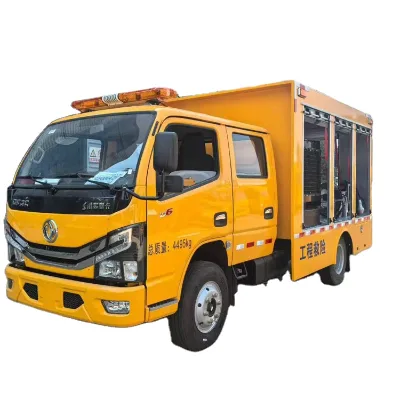
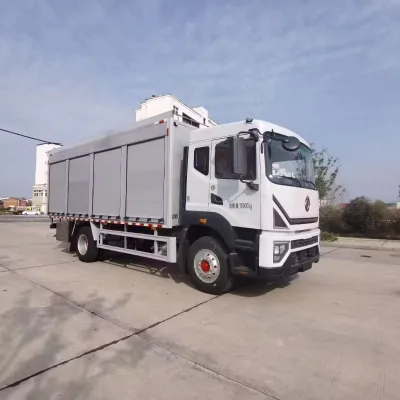
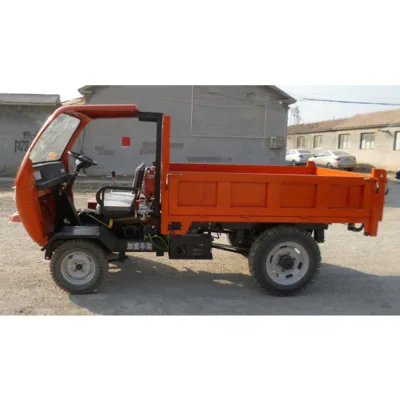
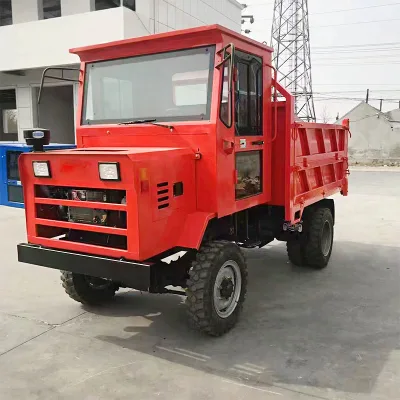
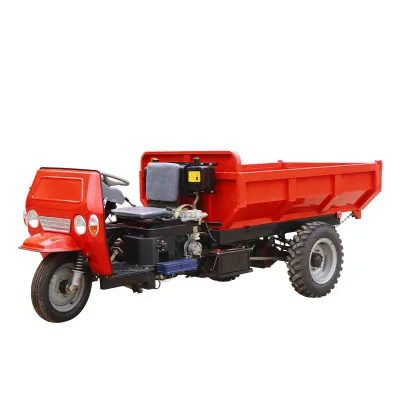

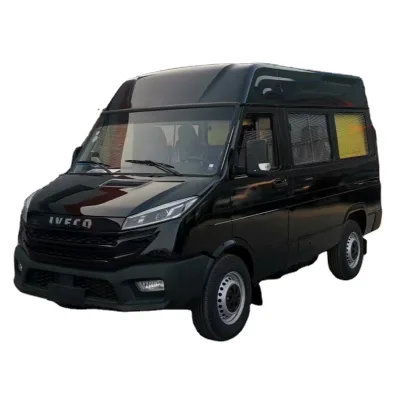
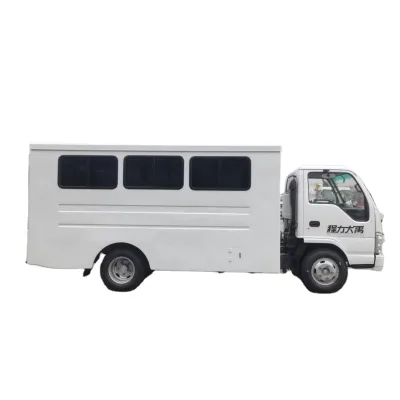
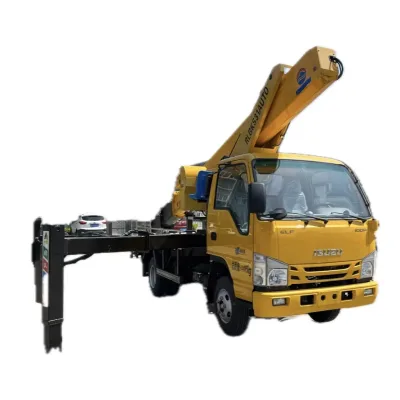
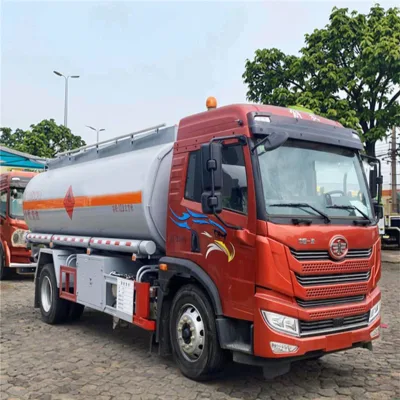


Construction Transport Vehicle / Tunnel Earthwork Concrete Transportation Truck
$1999.00 - $6999.00
MOQ: 1 Pieces


Great Quality Vehicle Car Cargo Truck Vehicles Command Mobile Vehicle
$900000.00 - $930000.00
MOQ: 1 Pieces


Great Quality Car Power Cargo Truck Vehicles Command Mobile Vehicle
$900000.00 - $930000.00
MOQ: 1 Pieces


Comprehensive Sourcing Guide
Strategic Sourcing Guide for Euro Diesel Engineering Vehicles
Understanding the Technical Landscape of Diesel Engineering Equipment
The procurement of Euro diesel engineering vehicles requires a granular understanding of the specific technical parameters that define operational capability and regulatory compliance. Based on the available market data, the core keyword "Euro Diesel Engineering Vehicle" encompasses a diverse range of machinery, from compact utility units to heavy-duty transport solutions. A critical observation in the current supply landscape is the variation in engine capacity and horsepower ratings. Buyers must distinguish between units with engine capacities under 4 liters, which often align with lighter duty cycles, and those ranging from 4 to 6 liters, which typically support higher load capacities. The horsepower spectrum observed in verified listings spans from 25 HP for specific compact models up to 350 HP for heavy-duty variants, with a significant cluster of units falling between 150 and 250 HP.
Dimensional consistency is another paramount technical factor. The data indicates that vehicle dimensions are not uniform but are instead tailored to specific operational requirements. Lengths (L) are frequently recorded around 5980 mm to 5990 mm, suggesting a standard chassis footprint for mid-sized engineering vehicles. However, width (W) and height (H) vary significantly, ranging from 2020 mm to 3300 mm in width and 2200 mm to 3300 mm in height. For instance, specific models are documented with dimensions of 5990 mm in length, 2020 mm in width, and 2730 mm in height, while others present a broader profile of 5995 mm by 2250 mm by 2800 mm. These variations directly impact the vehicle's ability to navigate confined job sites or comply with road transport regulations.
The transmission and drivetrain configurations also present a dichotomy in the market. Manual transmission types are prevalent, often paired with 4×4 drive wheel configurations, which are essential for off-road stability and traction. Conversely, automatic transmission options are available, catering to operators who prioritize ease of use in urban environments or frequent stop-and-go traffic. The tire design is equally critical, with tubeless tires being a standard feature for reduced maintenance and improved safety. Specific tire specifications, such as 12L-16, are noted for certain models, indicating the need for buyers to verify tire compatibility with the intended terrain. Furthermore, the load capacity ranges widely, from 1 to 10 tons for lighter engineering vehicles to 21 to 30 tons for heavy-duty transport, necessitating a precise match between the vehicle's Gross Vehicle Weight Rating (GVWR) and the intended cargo.
Compliance and Certification Verification Protocols
Navigating the regulatory landscape for diesel engineering vehicles is a complex process that hinges on strict adherence to emission standards and certification requirements. The term "Euro" in the core keyword implies a compliance with European emission standards, yet the actual verification of these standards must be grounded in the specific documentation provided by the manufacturer. In the observed market data, references to "Euro Engine" and specific emission standards are present, but buyers must treat these as claims requiring independent verification rather than guaranteed attributes of every listed unit. The presence of ISO certifications, specifically ISOCCC and general ISO standards, serves as a baseline indicator of quality management systems, but these do not automatically validate the emission compliance of the specific engine unit.
When evaluating a potential supplier, the primary focus must be on the engine's emission classification. The data mentions "Euro Engine Capacity" in conjunction with specific displacement ranges, but the exact Euro standard (e.g., Euro 5, Euro 6) is not explicitly defined in the general product attributes. Therefore, procurement teams must request the official type-approval certificate for the engine model. This document should explicitly state the emission standard compliance, the testing laboratory used, and the specific date of certification. Relying solely on marketing terms like "Euro diesel" without documentary proof can lead to significant regulatory hurdles, particularly when importing vehicles into jurisdictions with strict environmental controls.
Certification verification extends beyond emissions to include vehicle safety and construction standards. The observed listings reference a standard code "599521002400" and similar numerical sequences, which appear to represent dimensional standards or specific model compliance codes rather than international safety standards like ECE or FMVSS. Buyers should not assume these codes equate to safety certification. Instead, these numbers should be cross-referenced with the vehicle's technical data sheet to understand their specific meaning. The presence of a "Condition: New" attribute is a positive indicator, but it does not substitute for a valid inspection report or a certificate of conformity.
Furthermore, the origin of the vehicle plays a crucial role in compliance. The data indicates that many units originate from Jiangsu, China, including specific locations like Nanjing. While this region is a known hub for automotive manufacturing, the specific export compliance of the manufacturer must be confirmed. Buyers should verify that the supplier has the legal authority to export vehicles that meet the destination country's import regulations. This includes checking for the validity of the vehicle identification number (VIN) and ensuring that the vehicle's specifications match the data recorded in the local customs database. Failure to verify these details can result in the vehicle being detained at the border or rejected upon arrival.
Cost Drivers and Pricing Structure Analysis
The pricing structure for Euro diesel engineering vehicles is highly volatile and influenced by a multitude of factors, including engine specifications, transmission type, and load capacity. The observed price range in the market is exceptionally broad, spanning from $12 to $930,000 USD. This vast disparity underscores the importance of defining the specific requirements of the procurement project before engaging with suppliers. The lower end of the price spectrum likely corresponds to compact utility vehicles or specialized attachments with minimal engine capacity, such as the 25 HP units observed in the data. In contrast, the upper end of the range reflects heavy-duty engineering vehicles with high horsepower ratings, advanced transmission systems, and significant load capacities.
Several key cost drivers must be analyzed to understand the pricing of a specific unit. First, the engine capacity and horsepower are primary determinants of cost. Vehicles with engine capacities between 4 and 6 liters and horsepower ratings exceeding 250 HP command a premium due to the complexity of the powertrain and the higher cost of raw materials. Second, the transmission type significantly impacts the final price. Automatic transmission units, which offer enhanced operational ease and reduced driver fatigue, are generally more expensive than their manual counterparts. Third, the load capacity is a critical cost factor. Vehicles capable of carrying 21 to 30 tons require reinforced chassis, heavy-duty axles, and larger braking systems, all of which contribute to a higher manufacturing cost.
The minimum order quantity (MOQ) also plays a role in the effective cost per unit. The observed MOQ range is between 1 and 12 units. For buyers requiring a single unit, the price per vehicle may be higher due to the lack of economies of scale. Conversely, buyers who can commit to an order of 12 units may negotiate a more favorable price, potentially bringing the cost closer to the lower end of the observed range. However, buyers must be cautious of suppliers who offer low MOQs but charge a premium for the flexibility.
Packaging and logistics costs are additional variables that can affect the total cost of ownership. The data indicates that some units are packed in boxes, while others have "Have" packing, suggesting varying levels of protection during transit. The dimensions of the vehicle, such as the 4000 mm * 1500 mm * 2300 mm overall dimensions for certain models, directly influence shipping costs. Larger vehicles require more space in shipping containers or on flatbed trucks, increasing the freight charges. Buyers should request a detailed breakdown of costs, including the base price, packaging fees, and estimated shipping costs, to ensure a transparent comparison between different suppliers.
Typical Applications and Operational Use Cases
The versatility of Euro diesel engineering vehicles allows them to serve a wide array of applications, from light-duty urban maintenance to heavy industrial construction. The specific use case is often dictated by the vehicle's load capacity, dimensions, and engine power. For instance, vehicles with a load capacity of 1 to 10 tons and dimensions around 5990 mm in length are well-suited for municipal maintenance tasks, such as waste collection, street cleaning, or light construction material transport. These units, often equipped with manual transmissions and 4×4 drive systems, provide the necessary maneuverability for navigating narrow city streets while maintaining the power required for off-road access.
In the heavy-duty sector, vehicles with load capacities of 21 to 30 tons and horsepower ratings between 251 and 350 HP are essential for large-scale construction projects, mining operations, and heavy industrial logistics. These vehicles are designed to handle substantial loads over long distances and rough terrain. The presence of automatic transmissions in some high-capacity models suggests a focus on operator comfort and efficiency in demanding environments where frequent gear shifting can lead to fatigue. The specific tire design, such as the 12L-16 specification, indicates suitability for off-road conditions where traction and durability are paramount.
The dimensions of the vehicle also influence its application. Units with a width of 3300 mm and a height of 2800 mm may be restricted from certain urban routes due to width or height limitations, making them more appropriate for industrial sites or dedicated transport corridors. Conversely, narrower units with a width of 2020 mm offer greater flexibility for operation in confined spaces, such as construction sites with limited access or urban environments with tight parking constraints. The wheelbase, observed at 2090 mm for certain models, affects the vehicle's turning radius and stability, making it a critical factor for applications requiring precise maneuvering.
Furthermore, the fuel type and engine capacity determine the operational range and efficiency of the vehicle. Diesel engines, which are the standard for engineering vehicles, offer high torque and fuel efficiency, making them ideal for long-duration operations. The observed engine capacities, ranging from under 4 liters to 6 liters, allow buyers to select a vehicle that matches the specific fuel consumption requirements of their operation. For example, a 4-liter engine may be sufficient for a vehicle used in a controlled industrial environment, while a 6-liter engine may be necessary for a vehicle operating in remote locations where refueling is infrequent.
Supplier Evaluation and Due Diligence Framework
Evaluating suppliers for Euro diesel engineering vehicles requires a rigorous due diligence process that goes beyond simple price comparison. The first step is to verify the supplier's origin and manufacturing capabilities. The data indicates that many suppliers are located in Jiangsu, China, with specific mentions of Nanjing. While this region is a major manufacturing hub, buyers must confirm the specific factory location and its capacity to produce the required vehicle models. Requesting a video tour of the facility or a detailed profile of the manufacturing line can provide valuable insights into the supplier's production capabilities and quality control processes.
The supplier's certification status is another critical factor. While the data mentions ISO certifications, buyers must verify the validity and scope of these certifications. A supplier with a valid ISO 9001 certification for quality management and an ISO 14001 certification for environmental management is more likely to produce vehicles that meet international standards. Additionally, buyers should request evidence of the supplier's compliance with emission standards, such as the specific Euro standard for the engine. This documentation should be current and issued by a recognized testing authority.
The supplier's track record and reputation in the market are also important indicators of reliability. Buyers should seek references from previous clients, particularly those who have purchased similar vehicles for similar applications. Online reviews, industry forums, and trade association memberships can provide additional context regarding the supplier's performance. It is also advisable to check for any history of legal disputes, product recalls, or regulatory violations that could indicate potential risks.
Finally, the supplier's after-sales support and service network should be evaluated. Engineering vehicles require regular maintenance and occasional repairs, so a supplier with a robust service network is essential. Buyers should inquire about the availability of spare parts, the response time for service requests, and the training provided to operators and maintenance staff. A supplier that offers comprehensive after-sales support can significantly reduce the total cost of ownership and ensure the long-term reliability of the vehicle.
Quality Control and Long-Term Procurement Considerations
Ensuring the quality of Euro diesel engineering vehicles is a continuous process that begins with the initial inspection and extends through the entire lifecycle of the vehicle. The first line of defense is a thorough pre-shipment inspection. Buyers should verify that the vehicle's dimensions, load capacity, and engine specifications match the agreed-upon requirements. This includes checking the accuracy of the dimensions, such as the 5990 mm length and 2020 mm width, and confirming the engine capacity and horsepower ratings. The condition of the vehicle, marked as "New" in the data, should be verified through a physical inspection to ensure there are no defects or signs of prior use.
Quality control should also extend to the testing of critical components. Buyers should request test reports for the engine, transmission, and braking systems. These reports should include data on performance under load, fuel efficiency, and emission levels. For vehicles with automatic transmissions, a test drive or simulation should be conducted to ensure smooth shifting and reliable operation. The tire condition and pressure should also be checked to ensure they meet the specifications, such as the 12L-16 size, and are suitable for the intended terrain.
Long-term procurement considerations involve planning for the vehicle's maintenance and replacement. Buyers should establish a maintenance schedule based on the manufacturer's recommendations and the expected usage intensity. This includes regular oil changes, filter replacements, and inspections of the braking and suspension systems. The availability of spare parts is crucial for minimizing downtime, so buyers should ensure that the supplier has a reliable supply chain for critical components. Additionally, buyers should consider the vehicle's residual value and the potential for resale or trade-in, which can impact the overall cost of ownership.
Finally, buyers should stay informed about changes in regulations and technology that may affect the vehicle's operation. Emission standards are becoming increasingly stringent, and future regulations may require upgrades or replacements of existing fleets. By staying proactive and maintaining a flexible procurement strategy, buyers can ensure that their engineering vehicles remain compliant and efficient in the long term.
FAQs
What certifications are available for these vehicles?
Some units feature ISOCCC and general ISO certifications as documented in product attributes. Buyers must verify specific emission compliance separately, as these quality management standards do not automatically validate engine emission standards for every listed unit.
Which engine capacities are offered for this category?
Available engine capacities range from under 4 liters to 4-6 liters depending on the model. Compact units may have capacities under 4 liters, while heavier variants typically utilize the 4 to 6 liter range to support higher load capacities and horsepower ratings.
Can I find vehicles with automatic transmission options?
Yes, automatic transmission types are available alongside manual options for specific models. These units often cater to operators prioritizing ease of use in urban environments or frequent stop-and-go traffic scenarios compared to standard manual configurations.
What is the typical load capacity range for these vehicles?
Load capacities vary significantly from 1 to 10 tons for lighter units up to 21 to 30 tons for heavy-duty transport. Buyers must match the Gross Vehicle Weight Rating to their specific cargo requirements to ensure operational safety and efficiency.
How do vehicle dimensions affect operational use?
Dimensions vary widely, with lengths around 5980 to 5990 mm and widths ranging from 2020 to 3300 mm. These variations directly impact the vehicle's ability to navigate confined job sites or comply with specific road transport regulations in different regions.
Where are these engineering vehicles typically manufactured?
Most units originate from Jiangsu, China, including specific locations like Nanjing. Buyers should verify the supplier's legal authority to export vehicles that meet the destination country's import regulations before finalizing any procurement agreements.
What is the minimum order quantity for these products?
The observed minimum order quantity ranges from 1 to 12 units depending on the supplier. Buyers requiring a single unit may face higher per-vehicle costs, while committing to orders of 12 units might allow for more favorable pricing negotiations.