Source European Oak Outdoor Furniture for Pool, Garden, and Patio
Explore 30 listings for European Oak Outdoor Furniture suitable for poolside lounging, garden seating, and patio dining. Compare metal and wood frame options, custom sizes, and delivery times from verified suppliers to find the right fit for your project; compare the available evidence and request quotations based on your requirements.
Key considerations
Products List


Outdoor Garden Set Comfortable and Stylish High-End Outdoor Furniture
$251.00 - $1250.00
MOQ: 5 Pieces

Outdoor Furniture Teak Wood Outdoor Wooden Furniture Sofa Set Outdoor Sofa Wood
$280.00 - $1000.00
MOQ: 1 Pieces


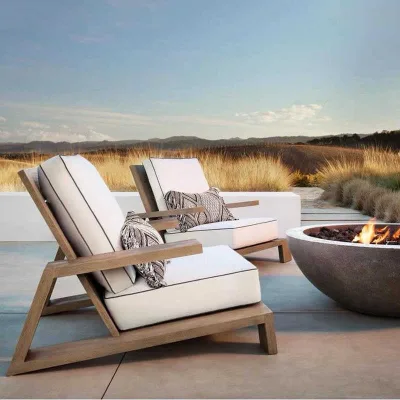
Modern Solid Wood Furniture Outdoor Garden Sofa Set Teak Modern Solid Wood Furniture
$95.29 - $1541.00
MOQ: 1 Minimum

Outdoor Furniture Rattan Sofa Teak Garden Combination Set Outdoor Patio Sofa
$243.00 - $388.00
MOQ: 1 Pieces

Outdoor Furniture Sofa Set Garden Wooden Sofas Teak Furniture Set Outdoor
$300.00 - $500.00
MOQ: 1 Pieces


High-End Teak Garden Leisure Single Double Swing Outdoor Garden Furniture Sofa Set
$243.00 - $388.00
MOQ: 1 Pieces

Wooden Outdoor Furniture Garden Seating Area Luxury Teak Outdoor Sofa Leisure Set
$195.00 - $754.00
MOQ: 1 Pieces


French Style Garden Outdoor Furniture Teak Wooden Sofa Dining Table Chair Set
$229.00 - $299.00
MOQ: 2 Pieces


Outdoor Furniture Teak Wood Garden Chair Balcony Leisure Sofa Modern Furniture
$250.00 - $300.00
MOQ: 20 pieces
Comprehensive Sourcing Guide
European Oak Outdoor Furniture Sourcing Guide
Procuring European oak for outdoor applications requires distinguishing between solid timber and composite alternatives, as the supplied market data reveals a mix of metal, wood, and fabric constructions. While the core keyword emphasizes oak, current listings frequently feature teak frames and metal structures, indicating that buyers must verify the specific timber species rather than assuming material composition based on category titles alone. This distinction is critical because European oak, while durable, often requires specific treatment for exterior exposure compared to naturally rot-resistant species like teak.
Buyers should prioritize suppliers who explicitly define their frame materials in technical specifications, as the observed product range includes both metal and wood options with varying warranty periods. The presence of "Customized size" standards suggests that off-the-shelf European oak solutions may be limited, necessitating a focus on OEM capabilities for bespoke dimensions. Understanding these material variances ensures that the selected furniture aligns with the specific environmental demands of the intended installation site, whether it be a poolside area or a commercial dining space.
Product Scope and Observed Listing Signals
The current market signals indicate a diverse product scope ranging from simple, minimalist designs to modern, double-seating configurations suitable for bars, cafes, and restaurants. Listings show a prevalence of white and brown color options, with specific models like PRZ0335 and HK26L067 demonstrating the availability of combination types that blend different functional elements. This variety allows procurement teams to select pieces that match specific aesthetic guidelines, such as the minimalist design style observed in several garden sofa entries.
Application signals highlight a strong focus on outdoor leisure and general outdoor furniture use, with specific mentions of poolside and garden settings. The data confirms that many units are designed for high-traffic commercial environments, including hotels and dining rooms, while maintaining a "New" condition status. Buyers must carefully review the "Specific Use" tags, as some items are designated for general outdoor use while others target niche applications like garden sofas, ensuring the selected inventory matches the intended operational context.
Technical Specifications to Verify
Verification of frame construction is paramount, as the observed data lists both metal and wood frames, with some entries specifying teak wood and others noting fabric materials. Buyers must confirm whether the "European Oak" designation refers to the primary structural frame or merely a decorative element, as the supplied facts show a mix of materials including quick-drying sponge and water-resistant fabric for cushions. This verification prevents mismatches between the expected durability of solid oak and the actual composite or metal construction found in many listings.
Cushion specifications and packing standards also require rigorous checking, as the data indicates variations from polyfoam and multikraft paper to standard export cartons with wood frames. The presence of "Customized Request" for cushion colors and "Standard Export Carton" packing suggests that logistics and aesthetic customization are key differentiators. Procurement teams should demand detailed material breakdowns for all components, ensuring that the quick-drying properties and water resistance meet the specific humidity and exposure levels of the target outdoor environment.
Compliance and Safety Documentation
While the supplied facts do not explicitly confirm certification status, the market context suggests that buyers should seek documentation for FSC and CE compliance, particularly when sourcing wood products for international markets. The absence of explicit certification claims in the provided data means that procurement teams cannot assume compliance and must request proof of sustainable forestry practices and safety standards from the supplier. This due diligence is essential to mitigate supply chain risks and ensure adherence to environmental regulations in the destination country.
Safety documentation should also cover the structural integrity of the furniture, especially given the "2-3 Years" and "5 Years" warranty ranges observed in the listings. Buyers need to verify that the warranty terms are backed by specific testing results regarding load-bearing capacity and weather resistance, rather than relying solely on general usage claims. Ensuring that the supplier provides clear warranty conditions helps protect the buyer against premature failure and establishes a baseline for quality assurance in the procurement contract.
Cost Drivers and Commercial Terms
Pricing in this sector is influenced by the complexity of customization and the specific material composition, with observed price ranges spanning from $32.03 to $4,500 per unit. The wide variance suggests that costs are driven by factors such as the type of wood used, the extent of customization, and the inclusion of high-performance cushioning materials. Buyers should analyze the cost per set against the specific model number and material specifications to understand the value proposition, as a higher price may reflect superior durability or bespoke design features.
Commercial terms are further defined by Minimum Order Quantities (MOQ) ranging from 1 to 100 sets, with specific listings showing MOQs of 1 or 2 sets. Delivery times are consistently noted between 30 to 45 days, indicating a standard lead time that must be factored into project schedules. Procurement planners must align their order volumes with these MOQ thresholds to optimize unit costs while ensuring that the 30-40 day delivery window does not disrupt the overall project timeline or inventory planning.
Supplier Qualification and Quality Control
Supplier qualification should focus on their ability to support OEM and ODM services, as the data explicitly mentions support for customization and style modification. The presence of specific model numbers like Hkgs20231215022-a and HK202602161931 indicates that suppliers have established production lines capable of handling unique design requests. Buyers should verify the supplier's capacity to maintain consistency across these custom orders, ensuring that the "Customized" attributes do not compromise the structural integrity or finish quality of the final product.
Quality control processes must be validated through the supplier's packing and shipping protocols, which range from simple cartons to polyfoam and multikraft paper combinations. The observation of "Standard Export Carton and Wood Frame" packing suggests that robust protection measures are in place for long-distance shipping, particularly from origins like Foshan, Guangdong, China. Procurement teams should request photos or videos of the packing process to confirm that the furniture arrives without damage, ensuring that the quality control measures extend through the entire logistics chain.
Long-Term Procurement Checks
Long-term procurement success relies on monitoring warranty performance and the durability of materials under normal usage conditions. The observed warranty periods of 2-3 years and 5 years provide a benchmark for expected product lifespan, but buyers must track actual field performance to validate these claims. Regular audits of the furniture condition in the field will help identify any systemic issues with the materials or construction, allowing for proactive maintenance or replacement strategies.
Sustainability and supply chain transparency should also be part of the long-term strategy, given the potential for FSC certification in wood sourcing. Buyers should establish a feedback loop with suppliers to ensure that the "Customized size" and material specifications remain consistent over multiple production cycles. This ongoing engagement helps maintain product quality and ensures that the supplier continues to meet the evolving needs of the procurement team while adhering to the original design and functional requirements.
FAQs
What frame materials are available for outdoor furniture?
Metal and wood frames are available for outdoor furniture. Some models feature teak wood frames with quick-drying sponge cushions and water-resistant fabric. These materials ensure durability for outdoor leisure use in various settings like poolsides or gardens.
Can I customize the size and style of the furniture?
Yes, customization is available for size and style. You can request specific dimensions and design modifications. The furniture supports OEM and ODM services, allowing you to tailor the product to your specific project requirements and brand identity.
What is the typical delivery time for orders?
The typical delivery time ranges from 30 to 45 days. This lead time allows for proper manufacturing and quality control. Buyers should plan their procurement schedules accordingly to ensure timely arrival of the furniture at their destination.
What warranty is provided for the outdoor furniture?
Warranty periods vary by product model. Some items offer 2-3 years under normal usage, while others provide up to 5 years. This coverage ensures long-term reliability and protects your investment in high-quality outdoor leisure furniture.
What is the minimum order quantity for these products?
The minimum order quantity is typically 1 set for standard models. Some specific items may require a minimum of 2 sets. This low MOQ allows buyers to test the market or order small batches for initial projects.
Where are these outdoor furniture products manufactured?
These products are manufactured in China, specifically in Foshan, Guangdong. This region is known for its robust furniture manufacturing industry. Buyers can expect efficient production capabilities and standardized export packaging for safe international shipping.