Source European PU Leather Sectional Sofa for Home Hotel Office
Compare 30 European PU Leather Sectional Sofa options from verified suppliers. Buyers can evaluate styles, materials, and delivery times for home, hotel, and office applications.
Key considerations
Products List


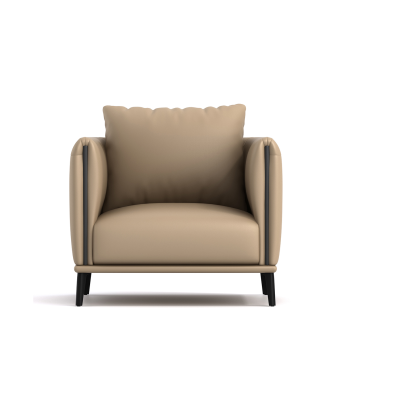


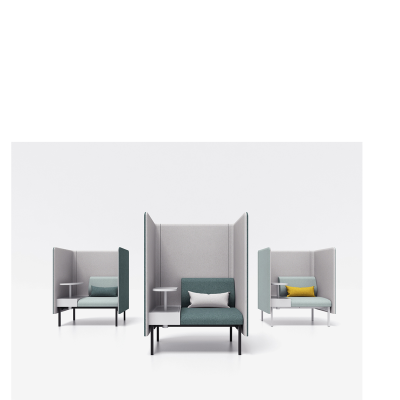


Comprehensive Sourcing Guide
Strategic Sourcing Guide for European PU Leather Sectional Sofas
Understanding Product Attributes and Configuration Variations
When sourcing a European PU Leather Sectional Sofa, buyers must first navigate the diverse array of configurations and material specifications available in the current market. The term "European style" in this context often refers to specific design aesthetics that may vary significantly from manufacturer to manufacturer, ranging from modern minimalist lines to more traditional silhouettes. Based on observed market data, the configuration of these sofas is not monolithic. For instance, some listings explicitly define the set composition as a "1+2+Style" arrangement, which typically indicates a single-seater, a two-seater, and a specific style variant, though the exact style designation (such as American, European, or Modern) can fluctuate between different product models.
The material composition is a critical differentiator. While the core keyword specifies "PU leather," the actual supply chain often presents a mix of materials. Some units are constructed with genuine leather, while others utilize fabric or various upholstery choices. In the context of PU leather sourcing, it is essential to verify the specific finish and durability claims. The market data indicates that upholstery options can include "dozens of choices of fabric" or leather, suggesting a high degree of customization potential. However, for a strict PU leather requirement, the buyer must explicitly confirm that the "Genuine Leather" or "Fabric" attributes do not apply to the specific unit being ordered, as these attributes appear in the same product catalogs.
The structural integrity of the sofa is equally vital. The frame construction often utilizes imported kiln-dried solid wood, specifically noted as Russian solid wood in some high-confidence records, which provides a robust inner structure. This is complemented by the use of sinuous springs for support and high-density foam or sponge padding to ensure comfort. The softness level is generally described as "moderation," balancing firm support with plush comfort. Additionally, the legs or feet of these units may vary, with some models featuring solid wood feet while others utilize steel legs. The presence of armrests is standard, and the headrests can be either non-adjustable or adjustable depending on the specific model, such as the LZ1488 which features an adjustable headrest, contrasting with the non-adjustable options found in other models like the LZ2002.
Technical Specifications and Dimensional Standards
Technical specifications form the backbone of any procurement decision, ensuring that the furniture fits the intended space and meets functional requirements. Dimensional data is often provided in cubic meters (CBM) for shipping purposes or specific millimeter measurements for the product itself. Observed data points include a standard of "5.25 CBM" for certain models and "4.2 CBM" for others, which directly impacts logistics planning and freight costs. For smaller units or specific configurations, dimensions such as "200200130" may be listed, though these figures should be treated as specific to the model rather than a universal standard for all European PU leather sectionals.
The delivery and lead time are significant technical constraints in the procurement timeline. The market shows a range of delivery windows, with some suppliers offering delivery within 7-15 days, while others specify a window of 10-20 days. These variations are often dependent on the customization level and the specific production schedule of the manufacturer. Buyers must account for these lead times when planning inventory or project rollouts. Furthermore, the packaging standard is crucial for protecting the product during transit. Most units are shipped in a "Standard Export Package" or "Carton" packaging, designed to withstand international shipping conditions.
The model numbers associated with these products, such as LZ2002, LZ803, LZ1488, LZH002, and KFL0540, serve as unique identifiers for the specific technical configurations. Each model number corresponds to a distinct set of attributes, including the style (Modern, European, Chinese, or American), the number of seats, and specific structural features. For example, the LZ803 model is associated with a "1+2+3" standard, likely referring to a three-piece set configuration, while the LZ1488 is linked to a "Chinese" style. Understanding these model-specific attributes is essential to avoid ordering a product that does not match the desired aesthetic or functional profile.
Compliance, Certification, and Safety Standards
Navigating the compliance landscape is a critical step in B2B procurement, particularly when importing furniture from international markets. The supply chain data indicates that certain products carry certifications such as ISO and FSC, alongside EPA standards. The presence of an "ISOCondition:New" notation suggests that the product meets specific quality management standards, though the exact ISO standard number (such as ISO 9001 or ISO 14001) is not explicitly detailed in the provided context. Buyers should verify the specific ISO standard applicable to the supplier to ensure it aligns with their corporate sustainability and quality policies.
Fire safety is another paramount consideration. The data references a "Fire Retardant Standard" linked to the frame material, which is wood. While specific test results or certification numbers like EN 13773 are mentioned in the background context, they are not confirmed as high-confidence facts for every listed product. Therefore, buyers must explicitly request proof of fire retardancy compliance from the supplier. In many markets, furniture must meet specific flammability standards to be sold legally. The absence of a confirmed certification in the general product list means that the buyer cannot assume compliance without direct verification.
Environmental certifications also play a role in modern procurement strategies. The mention of FSC (Forest Stewardship Council) and EPA (Environmental Protection Agency) certifications suggests that some suppliers adhere to strict environmental guidelines regarding wood sourcing and chemical usage. However, these certifications are not universal across all models. For instance, while one model may carry FSC certification, another might not. Buyers should request a certificate of compliance for the specific batch they intend to purchase. Additionally, the background mentions REACH and ISO 10993, which are relevant for chemical safety and biocompatibility, but these should be treated as potential requirements to be verified rather than guaranteed attributes of the product.
Cost Drivers and Pricing Dynamics
The pricing of European PU leather sectional sofas is influenced by a complex interplay of factors, including material quality, customization options, and logistical costs. The observed price range in the market spans from approximately $109.01 to $2,500, a wide disparity that reflects the diversity in product specifications. Lower-priced units typically correspond to standard configurations with minimal customization, while higher-priced models likely feature premium materials, intricate designs, or specialized finishes.
Material costs are a primary driver of price variance. While the keyword specifies PU leather, the actual cost can fluctuate based on the quality of the PU material, the thickness of the padding, and the type of wood used for the frame. For example, frames made from imported Russian kiln-dried solid wood may command a higher price than those made from standard wood. Similarly, the use of high-density foam versus standard sponge padding can significantly impact the final cost. Customization is another major cost factor. The availability of "Customized" options, including color choices ("as Picture or Customized") and upholstery variations, often incurs additional charges.
Minimum Order Quantity (MOQ) requirements also affect the effective unit cost. The market data shows an MOQ range from 1 set to 50 sets. Suppliers offering an MOQ of 1 set may charge a premium per unit to cover setup and handling costs, whereas bulk orders of 3 or more sets (as seen with specific models) often benefit from economies of scale. Buyers must balance the desire for customization and low MOQs against the potential for higher per-unit costs. Additionally, shipping costs, determined by the CBM of the product (ranging from 4.2 to 5.25 CBM), are a significant component of the total landed cost. Buyers should calculate the freight charges based on the specific dimensions and weight of the chosen model to ensure an accurate budget.
Typical Applications and Usage Scenarios
European PU leather sectional sofas are designed for versatility, making them suitable for a wide range of environments. The primary applications identified in the market data include home, hotel, and office settings. In residential contexts, these sofas are ideal for living rooms, where their modern or European style can serve as a focal point. The "1+2+Style" configurations allow for flexible seating arrangements that can adapt to different room sizes and layouts. The "Suitable for: Adult" attribute confirms that these units are designed for general adult use, providing adequate support and comfort for daily living.
In commercial settings, the durability and aesthetic appeal of PU leather make these sofas a practical choice for hotels and offices. The "Specific Use" attribute explicitly lists "Home/Hotel/Office," indicating that the products are built to withstand higher traffic volumes compared to purely residential furniture. The "Application" field further categorizes these as suitable for "Home/Commercial" use, reinforcing their dual-purpose nature. For office environments, the "Moderation" softness level ensures that the seating remains comfortable for extended periods without being too soft to provide necessary support.
The "Washable" attribute is listed as "Non-Washable" for some models, which is a critical consideration for maintenance planning. Buyers in high-traffic commercial environments must implement regular cleaning protocols to maintain the appearance of the PU leather. The "Storage" attribute is noted as "Without Storage," meaning these units do not include built-in compartments, which simplifies the design but requires buyers to plan for separate storage solutions if needed. The "Condition" is consistently listed as "New," ensuring that buyers receive pristine products, but the lack of washability necessitates careful handling and the use of protective covers in certain applications.
Supplier Evaluation and Quality Control Protocols
Selecting the right supplier requires a rigorous evaluation process that goes beyond the initial product listing. Buyers should prioritize suppliers who demonstrate transparency in their manufacturing processes and provide clear documentation regarding material origins and construction methods. The "prod_origin" is listed as "China," which is a common source for this type of furniture, but the quality can vary widely between factories. Evaluating a supplier's track record, production capacity, and ability to meet customization requests is essential.
Quality control should be a central component of the procurement strategy. Buyers must verify that the "Condition" of the product is indeed "New" and that the materials match the specifications provided. This includes confirming the type of wood used for the frame, the density of the foam padding, and the quality of the PU leather. The presence of "Sinuous Springs" and "High Density Foam" should be physically verified through sample inspections or third-party testing. Additionally, the "prod_packing" method, whether "Standard Export Package" or "Carton," should be inspected to ensure it meets the requirements for international shipping and prevents damage during transit.
Certification verification is another critical step. While some models list certifications like ISO, FSC, and EPA, these should not be assumed to apply to all units. Buyers must request specific certificates for the products they intend to purchase. The "Fire Retardant Standard" must be validated through test reports, especially for commercial applications where fire safety regulations are strict. The "MOQ" and "Delivery" terms should be clearly defined in the contract to avoid disputes. A reliable supplier will provide a detailed timeline for production and delivery, adhering to the observed ranges of 7-20 days.
Long-Term Procurement and Maintenance Considerations
Sourcing European PU leather sectional sofas is not just a one-time transaction but part of a long-term relationship that requires ongoing management. The "Customization" feature allows for brand alignment, but it also introduces complexity in terms of inventory management and replacement. If a specific model is discontinued, finding exact replacements for future orders can be challenging. Buyers should establish a relationship with the supplier to ensure continuity of supply and access to spare parts or matching materials.
Maintenance is a key factor in the longevity of PU leather furniture. Since the "Washable" attribute is often "Non-Washable," regular cleaning with appropriate leather conditioners is necessary to prevent cracking and fading. The "Softness: Moderation" and "Padding: Sponge" attributes suggest that the furniture will maintain its shape over time, but the "Headrest" adjustability (or lack thereof) should be considered when planning for long-term comfort. In high-use environments like hotels, the "Frame: Imported Russia Kiln Dried Solid Wood Inner Frame" provides the necessary durability, but regular inspections for wear and tear are recommended.
Finally, buyers should consider the environmental impact of their procurement choices. The availability of FSC-certified wood and EPA-compliant materials indicates a potential for sustainable sourcing. By prioritizing suppliers who adhere to these standards, buyers can align their procurement strategies with corporate sustainability goals. The "prod_standard" of 5.25 CBM or 4.2 CBM affects the carbon footprint of shipping, so optimizing the order size and consolidation of shipments can reduce environmental impact. Long-term success in this market depends on balancing cost, quality, and sustainability while maintaining a flexible approach to customization and supply chain management.
FAQs
What materials are used for the frame and padding?
Frames typically use imported Russian kiln-dried solid wood with sinuous springs. Padding consists of high-density foam or sponge to ensure moderate softness and long-term structural integrity for both home and commercial use.
Can I customize the color and upholstery of the sofa?
Yes, customization is available for color and upholstery with dozens of fabric or leather choices. Buyers can select specific colors as pictured or request custom options, though the final material must be verified as PU leather.
What is the typical delivery time for these sectional sofas?
Delivery times range from 7 to 20 days depending on the specific model and customization level. Some suppliers offer delivery within 7-15 days, while others may require up to 20 days for production and export packaging.
Which certifications do these sofas typically carry?
Selected models carry ISO, FSC, and EPA certifications to ensure quality and environmental compliance. However, fire retardant standards vary by frame material, so buyers must verify specific safety certificates for each batch before ordering.
What are the minimum order quantities for these products?
Minimum order quantities vary from 1 set to 50 sets depending on the supplier and model. Some models like LZ803 require 3 sets, while others allow single-unit orders, affecting the per-unit cost and shipping logistics.
How are these sofas packaged for international shipping?
Products are shipped in standard export packages or cartons designed to withstand international transit. The packaging dimensions often correlate with the product's CBM, which ranges from 4.2 to 5.25 cubic meters for different configurations.