Find European Style Medical Massage Table for Spa, Clinic, and Physio
Explore 30 European Style Medical Massage Table options designed for professional wellness environments. Compare specifications, materials, and dimensions to identify the best fit for your medical or spa facility needs; compare the available evidence and request quotations based on your requirements.
Key considerations
Products List


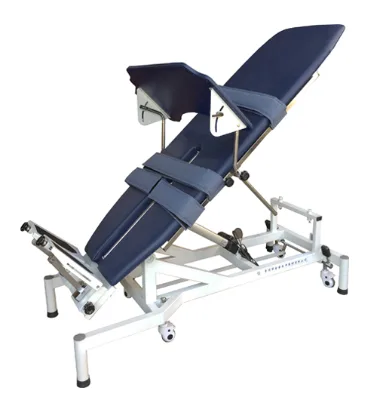

Electric Medical Massage Bed Physical Therapy Table for Patient Treatment
$380.00 - $420.00
MOQ: 1 piece

Electric Multipurpose SPA Beauty Facial Medical Treatment Massage Table
$499.00 - $599.00
MOQ: 10 Pieces

Hospital Adjustable Osteopathic Treatment Couch Physical Therapy Massage Table
$400.00 - $510.00
MOQ: 1 Pieces


Custom Beauty Massage Bed Portable Folding Stainless Steel Massage Table
$45.00 - $75.00
MOQ: 10 Pieces


Electric Adjustable Massage Table with Folding Design for SPA and Therapy
$800.00 - $960.00
MOQ: 1 Pieces


Commercial Stationary Massage Table for Beauty Salon and SPA Massage Bed
$700.00 - $850.00
MOQ: 1 Pieces

Professional Electric Massage Table with Heating for SPA Physiotherapy and Beauty Salon
$600.00 - $800.00
MOQ: 1 Pieces


Electric Treatment Table Physiotherapy Massage Bed for Rehabilitation Center
$460.00 - $678.00
MOQ: 10 Pieces


Premium Adjustable Therapy Massage Table with Luxurious PU Leather Upholstery
$300.00 - $550.00
MOQ: 1 Pieces

Ergonomic Hospital Massage Table with Adjustable Features and PU Cover
$300.00 - $550.00
MOQ: 1 Pieces

Comprehensive Sourcing Guide
European Style Medical Massage Table Sourcing Guide
Procuring a European Style Medical Massage Table requires balancing aesthetic elegance with rigorous clinical functionality. The observed market features distinct variations where traditional European design elements coexist with specific medical-grade requirements for durability and patient comfort. Buyers must carefully distinguish between general wellness furniture and equipment intended for osteopathic treatment or physiotherapy, as the structural demands differ significantly.
The available inventory reveals a diverse range of configurations, including whole-length designs and specific folding mechanisms that facilitate storage and transport. While some listings highlight a European style, others present Chinese traditional designs or modern metal constructions, necessitating a clear definition of the desired aesthetic before engaging with suppliers. This distinction is critical for ensuring the final product aligns with the intended clinic environment and patient expectations.
Product Scope and Observed Listing Signals
The product scope for this category spans from basic massage tables to complex physiotherapy couches capable of supporting osteopathic treatments. Observed listings indicate that materials range from solid wood and stainless steel to PU and leather fabrics, each offering different tactile experiences and maintenance profiles. Buyers should verify that the selected model supports the specific usage requirements, such as medical procedures, foot massage, or general spa treatments, as not all tables are rated for heavy-duty clinical application.
Listing signals often include specific dimensions and weight capacities that define the table's utility. For instance, observed models feature table lengths around 185cm to 195cm and widths between 65cm and 70cm, with some heavy-duty units supporting up to 250kg. The presence of adjustable head sections, capable of movement between -45 and +90 degrees, is a key indicator of a table suitable for advanced therapeutic techniques rather than simple relaxation services.
Technical Specifications to Verify
Technical verification must begin with the structural integrity and dimensional accuracy of the table frame. Buyers should confirm that the table length and width match the specific needs of their patient demographic, noting that observed standards vary from 185cm to 195cm in length. It is essential to validate the table height adjustability, which in some observed models ranges from 470mm to 910mm, ensuring it accommodates practitioners of varying statures during treatment sessions.
The upholstery and cushioning specifications are equally critical for long-term durability and patient comfort. Observations suggest sponge thicknesses of 4cm to 5cm, which directly impact the firmness and support provided during therapy. Additionally, the fabric type, whether PU or leather, must be verified for its resistance to cleaning agents and its ability to maintain hygiene standards in a medical environment, as these materials are subject to frequent contact and sanitation protocols.
Compliance and Safety Documentation
Compliance documentation serves as the primary evidence of a table's suitability for medical and therapeutic environments. While some listings explicitly mention CE certification, buyers must request current, verifiable certificates that confirm the product meets relevant safety standards for medical devices or furniture. Relying solely on marketing claims without physical documentation can expose the procurement process to significant liability risks, particularly when the equipment is used for patient treatment.
Safety features such as load capacity and structural stability must be backed by engineering data rather than general assertions. The observed loading capacity of 250kg for certain models provides a benchmark, but each specific unit should be tested or certified to ensure it can safely support the intended patient weight without risk of collapse. Buyers should also verify that the folding mechanisms and locking systems are designed to prevent accidental collapse during use, ensuring the safety of both the practitioner and the patient.
Cost Drivers and Commercial Terms
Cost drivers in this sector are heavily influenced by the choice of materials, specifically the distinction between solid wood, metal, and stainless steel constructions. Stainless steel and solid wood options typically command higher prices due to their superior durability and aesthetic appeal, while metal frames may offer a more budget-friendly alternative with different maintenance requirements. The complexity of the adjustment mechanisms, such as the head angle range, also significantly impacts the final unit price and should be factored into the total cost of ownership.
Commercial terms regarding lead times and minimum order quantities (MOQ) vary widely across the observed market. Lead times for delivery can range from 30 to 45 days, requiring careful planning to avoid delays in clinic setup or inventory replenishment. MOQs are observed to range from single units to 50 units, allowing flexibility for small clinics or larger procurement projects, but buyers must negotiate these terms to align with their specific budget and storage capabilities.
Supplier Qualification and Quality Control
Supplier qualification should focus on the manufacturer's ability to consistently produce tables that meet the specified technical and aesthetic requirements. Buyers must verify the supplier's origin, with many observed products originating from Zhejiang, China, and assess their track record for delivering products that match the described specifications regarding dimensions, materials, and finish. A supplier's ability to provide detailed product data sheets and sample units is a strong indicator of their reliability and transparency.
Quality control processes must be established to ensure that every unit received matches the agreed-upon standards. This includes inspecting the packaging, which is often standard export cartons or specific carton packing, to prevent damage during transit. Buyers should also implement a receiving protocol that checks for defects in the upholstery, frame stability, and the functionality of all moving parts, ensuring that the table is ready for immediate clinical use upon arrival.
Long-Term Procurement Checks
Long-term procurement success depends on the availability of spare parts and the durability of the warranty coverage. Observed warranties of two years provide a baseline for protection, but buyers should clarify the scope of coverage, including whether it extends to mechanical parts like hinges and adjustment levers. Ensuring that replacement parts are readily available is crucial for minimizing downtime and maintaining the operational efficiency of the clinic.
Regular maintenance and periodic re-evaluation of the equipment are necessary to sustain performance over time. Buyers should establish a schedule for inspecting the table's structural integrity, checking for wear on the fabric, and verifying the stability of the folding mechanisms. This proactive approach helps identify potential issues before they become critical failures, ensuring the table remains a safe and effective tool for medical and therapeutic applications throughout its lifecycle.
FAQs
What customization options are available for these tables?
Customization is available for these medical massage tables to meet specific buyer requirements. The products come in European and Chinese styles with various fabric options like PU or leather. Buyers can select from multiple color choices including blue, pink, and black to match their clinic decor.
Which specifications define the standard table dimensions?
Standard dimensions vary by model, with lengths ranging from 185cm to 195cm and widths between 65cm and 70cm. Specific models like BM3524-1.2.4 measure 195cm by 70cm, while others like BM2523-2 are 185cm by 70cm. These whole-length tables are designed for full-body treatments in medical and spa settings.
Can I find tables with CE certification for medical use?
Yes, certain models in this collection carry CE certification for medical applications. These tables are suitable for osteopathic treatment, physiotherapy, and health beauty services. The certified units ensure compliance with safety standards required for professional medical and spa environments in various global markets.
How long is the delivery time for orders?
The standard delivery time for these products is 30 to 45 days from order confirmation. This lead time applies to orders placed with suppliers located in Zhejiang, China. Buyers should plan their inventory accordingly to ensure timely arrival for their clinic openings or restocking needs.
What is the minimum order quantity for these tables?
The minimum order quantity ranges from 1 unit to 50 units depending on the specific model and supplier. Some items like the MJ-8901 model allow for a single unit purchase, while others may require higher volumes. This flexibility supports both small clinics and large distributors in sourcing these medical tables.
Which materials are used to construct these massage tables?
These tables are constructed using solid wood and stainless steel for durability and stability. The surface materials include PU leather or genuine leather options for comfort and easy cleaning. The sponge padding thickness varies between 4cm and 5cm to provide adequate support during treatments.
What is the maximum loading capacity of the tables?
The maximum loading capacity for these tables is up to 250 kilograms, ensuring safety for various body types. This capacity supports heavy-duty use in professional medical and spa environments. The sturdy construction using solid wood and metal frames guarantees stability during osteopathic and physiotherapy treatments.