Source European Style Plastic Nursery Pots for Home, Garden, and Nursery
Explore 30 listings for European Style Plastic Nursery Pots suitable for home gardening, simulation flowers, and plant engineering. Buyers can compare customization options, materials like PP and HDPE, and various sizes ranging from 1 to 25 gallons across different suppliers.
Key considerations
Products List


Hot Sale Black Round Various Sizes Plastic Nursery Pots for Flower Cultivation
$0.07 - $0.12
MOQ: 500 Pieces


8" Plastic Mini Flower Pots Two-Color Flower Plastic Pots Gardening Pots
$0.56 - $0.70
MOQ: 1000 Pieces


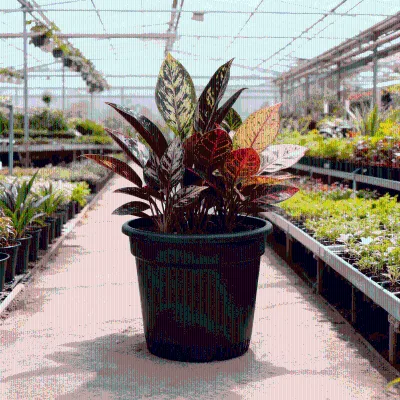


Garden Pots Planters Outdoor Indoor Planter Modern Flower Nursery Pots Plastic
$0.05 - $0.07
MOQ: 2000 Pieces

Plastic Nursery Plant Germination Growing Transplanting Pot Tools Garden Flower Pots
$0.99 - $1.45
MOQ: 1000 Pieces


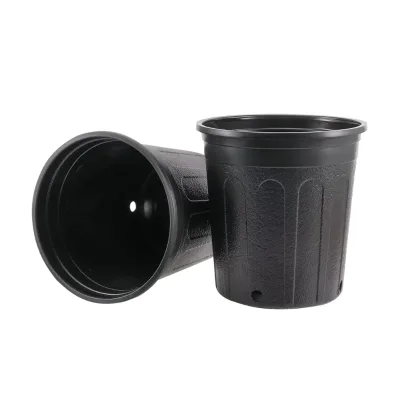


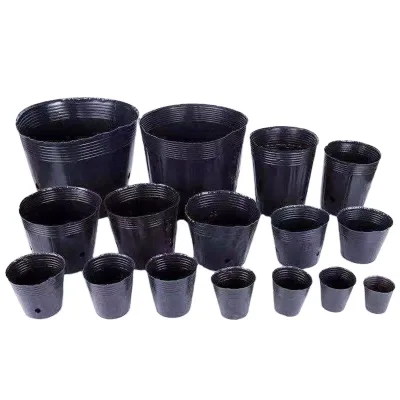
Plastic Seedling Pot for Garden Flowers Cup Seedling Pot Plant Bag Pot
$0.01 - $0.09
MOQ: 1000 Minimum


Comprehensive Sourcing Guide
Strategic Sourcing Guide for European Style Plastic Nursery Pots
Understanding Product Definitions and Core Attributes
When sourcing European Style Plastic Nursery Pots, buyers must first establish a precise understanding of the product's physical and functional attributes as they appear in the current market. The core keyword implies a specific aesthetic direction—often characterized by clean lines, minimalist forms, or traditional European motifs—combined with the functional requirements of nursery-grade containers. Based on available product data, these items are fundamentally classified as flowerpots designed for flowers, plants, and simulation flowers. The primary material composition observed in this category is plastic, specifically Polypropylene (PP), High-Density Polyethylene (HDPE), and in some instances, generic plastic formulations.
The manufacturing process is predominantly mechanical, utilizing methods such as blow molding or injection molding. These techniques are critical for achieving the structural integrity required for nursery applications, where pots must withstand the weight of soil and plants while remaining lightweight for transport. The shape is consistently round, a standard form factor that maximizes root space and stability. A defining characteristic of the "European style" in this context is the finish; many products feature a PE (Polyethylene) coating, which can enhance surface texture, UV resistance, or aesthetic appeal. The style descriptors found in the market data range widely, including "Simple," "Modern," "Morden Luxury," "Traditional," "Farmhouse," and "Eco-Friendly," suggesting that the "European style" label is often a composite of these specific design trends rather than a single rigid standard.
Buyers should note that the term "European style" in procurement listings often correlates with specific application scenes such as home gardening, living rooms, and floor-type placements. This indicates that while the pots are designed for nursery production, they are frequently marketed for dual-use scenarios where aesthetics are as important as utility. The volume capacity is a significant variable, with observed ranges extending from 1 to 25 gallons, allowing for the cultivation of everything from small seedlings to large shrubs. The color options are typically available in black or fully customized shades, providing flexibility for branding or design integration.
Technical Specifications and Material Performance
The technical specifications of European Style Plastic Nursery Pots are governed by the raw materials used and the molding processes employed. The supply chain data indicates a strong preference for PP and HDPE materials. These polymers are selected for their durability, chemical resistance, and ability to be recycled. A notable trend in the material sourcing is the availability of pots made from recycled materials, alongside those produced from fresh materials. This distinction is crucial for buyers targeting sustainability certifications or eco-conscious markets, as the "Eco-Friendly" style attribute often hinges on the use of post-consumer or post-industrial recycled content.
Size specifications vary significantly across the product range. While some listings specify exact dimensions like 6-inch, 8-inch, 12-inch, and 15-inch diameters, others offer fully customized sizing. The volume range of 1 to 25 gallons represents a broad spectrum of nursery needs. For large-scale operations, the "Large" size category is prevalent, often requiring specific palletization strategies. The single package size for some units is recorded as 45x45x50 cm, which is a critical metric for logistics planning and container loading efficiency.
The production method, identified as mechanical, ensures consistency in wall thickness and structural strength. The finishing process, specifically PE coating, adds a layer of protection and aesthetic refinement. This coating can influence the pot's interaction with soil and water, potentially reducing root adhesion and facilitating easier removal of plants during transplanting. The "Custom" standard noted in the product data suggests that buyers have the flexibility to request non-standard dimensions or shapes, provided the manufacturer has the capacity for custom tooling. However, buyers must verify that custom requests do not compromise the mechanical properties of the plastic, such as impact resistance or UV stability, which are essential for outdoor nursery environments.
Compliance, Certification, and Regulatory Considerations
In the realm of B2B procurement for plastic nursery pots, compliance and certification are often the most complex areas to navigate. The provided data does not list specific, universally applicable certifications for all products in this category. While one low-confidence background reference mentions "EN 15343," this standard is not confirmed as a mandatory or universally held attribute for the listed items. Therefore, buyers should not assume that any specific product automatically meets European or international safety and quality standards without explicit verification from the supplier.
Instead of relying on assumed certifications, procurement teams must implement a rigorous verification process. The first step is to request a Certificate of Analysis (CoA) or a Material Safety Data Sheet (MSDS) to confirm the chemical composition of the PP or HDPE used. This is particularly important if the pots are intended for food-grade applications or if they will be used in regions with strict environmental regulations regarding plastic waste. The "Eco-Friendly" style attribute often implies compliance with specific recycling directives, but this must be substantiated by documentation proving the percentage of recycled content.
Furthermore, buyers should verify the "Custom" standard designation. If a product is marketed as meeting a specific standard, the supplier must provide evidence of this compliance. In the absence of explicit standard listings in the product data, the buyer's responsibility is to define the required standard (e.g., ISO, ASTM, or specific national standards) and contractually obligate the supplier to meet it. This includes testing for UV resistance, which is critical for pots used in outdoor gardening and nursery production. Without verified test data, the longevity of the plastic in direct sunlight remains an unknown variable.
Cost Drivers and Pricing Dynamics
The pricing of European Style Plastic Nursery Pots is influenced by a complex interplay of material costs, production complexity, and order volume. The observed price range in the market spans from $0.01 to $169 per unit, a wide variance that reflects differences in size, material quality, and customization levels. The lower end of the spectrum likely corresponds to small, standard-sized pots with minimal customization, while the higher end represents large-volume containers, custom-colored units, or those with specialized finishes like PE coating.
Material costs are a primary driver. The fluctuation in global prices for PP and HDPE directly impacts the unit cost of the pots. Additionally, the use of recycled materials may introduce cost variations depending on the supply chain for post-consumer plastic. Customization is another significant cost factor. The availability of OEM and ODM services allows for branding and design changes, but these services often incur additional tooling fees and higher per-unit costs compared to standard stock items. The "Custom" standard and "Customized" color options mentioned in the data suggest that bespoke orders will command a premium.
Order volume plays a pivotal role in pricing. The observed Minimum Order Quantity (MOQ) ranges from 1 to 5,000 units. Buyers placing orders near the lower end of this range may face higher per-unit costs due to the fixed costs of production setup and logistics. Conversely, large-volume orders can leverage economies of scale to reduce the unit price. The packaging method also affects the final cost. Options such as cartons, containers, woven bags, and pallets vary in expense. For instance, palletized shipping for large pots may reduce handling costs but increase the initial packaging material cost. Buyers must balance the trade-off between packaging security and total landed cost to optimize their procurement strategy.
Typical Applications and Usage Scenarios
European Style Plastic Nursery Pots serve a diverse range of applications, extending beyond traditional agricultural use. The data indicates that these products are applicable to flowers, plants, and simulation flowers, making them versatile for both live and artificial landscaping. The primary application scene is home gardening, where the aesthetic appeal of the "European style" design is a key selling point. These pots are often used in living rooms, on floors, and in other interior spaces, blending functionality with decor.
In professional settings, the usage extends to nursery seed plants, plant engineering, and flower nursery production. The "Nursery Seed Plants" application highlights the importance of the pot's volume and drainage capabilities. The "Large" size category is particularly relevant for growing shrubs, small trees, or mature plants that require substantial root space. The "Floor Type" attribute suggests that these pots are designed to be self-standing and stable, suitable for placement on patios, balconies, or indoor floors without the need for additional stands.
The versatility of the material and design allows for use in various environments, including garden, desktop, wall, and floor installations. The "Eco-Friendly" style attribute aligns with sustainable gardening practices, where pots made from recycled materials are preferred. The "Customized" nature of the product line allows for specific applications, such as branding for plant nurseries or specific color schemes for interior design projects. Buyers should consider the specific environmental conditions of the application, such as exposure to sunlight or moisture, when selecting the appropriate material and finish.
Supplier Evaluation and Quality Control Protocols
Evaluating suppliers for European Style Plastic Nursery Pots requires a multi-faceted approach that goes beyond simple price comparison. The origin of the products is consistently listed as China, with specific mentions of Zhejiang as a production hub. This geographic concentration suggests a mature supply chain with specialized manufacturers, but it also necessitates thorough due diligence regarding logistics and communication.
Buyers should prioritize suppliers who offer OEM and ODM services, as this indicates a capacity for customization and flexibility. The availability of customization in packing, color, and size is a strong indicator of a supplier's ability to meet specific buyer requirements. When evaluating quality, buyers must focus on the production method and material integrity. The mechanical production method, specifically blow molding and injection molding, should be verified to ensure consistent wall thickness and structural strength.
Quality control protocols should include visual inspections for surface defects, such as uneven PE coating or molding marks. Dimensional accuracy is critical, especially for custom-sized pots. Buyers should request samples to test the pot's durability, UV resistance, and load-bearing capacity. The "Custom" standard and "Customized" attributes imply that the supplier must have a robust quality assurance system to ensure that bespoke orders meet the same high standards as standard products.
Long-Term Procurement and Sustainability Considerations
Long-term procurement of European Style Plastic Nursery Pots involves considering sustainability, supply chain resilience, and lifecycle management. The availability of recycled materials in the product data is a positive indicator for sustainability. Buyers aiming for green certifications should seek suppliers who can provide documentation on the percentage of recycled content and the recyclability of the final product. The "Eco-Friendly" style attribute suggests a market trend toward environmentally responsible products, which can enhance a buyer's brand image.
Supply chain resilience is another critical factor. The wide range of MOQs (1 to 5,000) offers flexibility, but buyers should assess the supplier's capacity to scale production during peak demand periods. The packaging options, including cartons, containers, and pallets, should be evaluated for their impact on the environment and logistics efficiency. Sustainable packaging solutions, such as reusable pallets or biodegradable bags, can reduce the overall environmental footprint of the procurement process.
Finally, buyers should consider the end-of-life management of the pots. PP and HDPE are recyclable materials, and suppliers who offer take-back programs or recycling guidance can add significant value. The "Custom" standard and "Customized" options allow for the design of pots that are easier to recycle or reuse, further supporting long-term sustainability goals. By integrating these considerations into the procurement strategy, buyers can ensure a resilient, cost-effective, and environmentally responsible supply chain for European Style Plastic Nursery Pots.
FAQs
What materials are used for European Style Plastic Nursery Pots?
These pots are primarily made from plastic, specifically Polypropylene (PP) or High-Density Polyethylene (HDPE). Manufacturers often use recycled materials or fresh materials depending on the specific product requirements and sustainability goals.
Can I customize the size and color of these nursery pots?
Yes, customization is available for both size and color. Buyers can select from standard sizes like 6 to 15 inches or request fully customized dimensions, while colors are typically offered in black or fully customized shades.
What is the minimum order quantity for these plastic pots?
The minimum order quantity ranges from 1 to 5000 units depending on the supplier and specific product model. Smaller orders may incur higher per-unit costs, while larger volumes leverage economies of scale.
Where are these european style nursery pots manufactured?
The products originate from China, with specific production hubs noted in Zhejiang. This location supports a mature supply chain capable of handling both standard and custom manufacturing requests efficiently.
What production methods are used for these flowerpots?
The pots are produced using mechanical methods such as blow molding or injection molding. These techniques ensure structural integrity and consistency, often featuring a PE coating for enhanced surface texture and durability.
How are these nursery pots packaged for shipping?
Packaging options include cartons, containers, woven bags, and pallets. Suppliers offer customized packing solutions to ensure safe transport, with specific single package sizes recorded for certain models to aid logistics planning.