Source Eva Foam Grout Sponge for Kitchen, Bath, and Car Cleaning
Compare 30 listings for Eva Foam Grout Sponge options suitable for kitchen, bath, and car applications. Buyers can evaluate specifications like water absorption, density, and customization availability from verified suppliers.
Key considerations
Products List




Comprehensive Sourcing Guide
Eva Foam Grout Sponge Sourcing Guide
Sourcing high-performance cleaning tools for construction and renovation projects requires a clear understanding of material properties and supplier capabilities. The Eva Foam Grout Sponge, often categorized under polyurethane or sponge-based cleaning tools, is a critical component in tile installation workflows. Buyers must distinguish between generic sponge products and specialized grout removal tools that offer specific absorption rates and durability. This guide provides evidence-based procurement advice for sourcing these items, focusing on verified attributes, technical verification, and commercial risk management.
The market for these cleaning tools is diverse, with suppliers offering various customization options and material compositions. Procurement teams need to navigate a landscape where terms like "grout sponge," "tile grout sponge," and "foam squeegee" are used interchangeably. Understanding the specific material composition, such as polyurethane foam versus standard sponge, is essential for ensuring the tool meets the rigorous demands of removing wet or cured grout without damaging tile surfaces. This guide outlines the key factors to consider when evaluating suppliers and products in this category.
Product Scope and Observed Listing Signals
The observed product listings indicate a wide range of specifications, with prices varying significantly from low-cost items to premium specialized tools. Buyers should note that the observed price range spans from $0.1 to $400 USD, reflecting differences in material quality, size, and customization levels. The minimum order quantity (MOQ) also varies, ranging from single pieces to 10,000 units, which impacts inventory planning and initial procurement costs. Understanding these signals helps buyers align their purchasing strategy with their volume requirements and budget constraints.
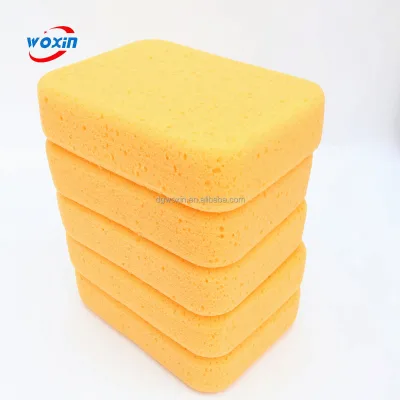
Product attributes observed in listings include specific dimensions, such as 960337mm or 19145cm, and features like strong water absorption and easy cleaning. Some listings highlight customization options, including custom shapes and packaging, which are valuable for branding or specific application needs. The material is frequently described as sponge or PU foam, with some products specifying a density range of 20~200kg/M3. Buyers should verify these attributes with suppliers to ensure they match the intended use case, whether for kitchen, bath, or outdoor tile cleaning.
Technical Specifications to Verify
Material composition is a primary technical factor, with polyurethane (PU) foam being a common and preferred material for its durability and absorption capabilities. Buyers should verify the exact material type, as some listings mention "sponge" while others specify "polyurethane sponge." The density of the foam, observed in some listings as 20~200kg/M3, directly affects the sponge's hardness and water absorption capacity. Hardness values ranging from 20° to 80° are also noted, indicating a spectrum of firmness that suits different grout removal tasks. Confirming these specifications ensures the product performs as expected in demanding cleaning environments.
Size and thickness are critical for usability, with observed sizes including 960337mm and 19145cm, and thicknesses ranging from 1-100mm. Some listings mention that sizes can be cut to custom dimensions, which is useful for specialized applications. The surface texture, described as smooth and elastic, contributes to the sponge's effectiveness in cleaning without scratching tiles. Buyers should request samples to test the water absorption rate, with some listings claiming absorption within 250%, to ensure the product meets their efficiency standards.
Compliance and Safety Documentation
Regulatory compliance is essential for importing cleaning tools, particularly when they are used in professional settings. Some listings mention RoHS certification, which indicates that the product complies with restrictions on hazardous substances. Buyers should verify the validity of such certifications and request documentation from suppliers to ensure compliance with local regulations in their target markets. This is particularly important for products that may come into contact with skin or be used in enclosed spaces.
Safety and environmental considerations also extend to the packaging and handling of the products. Observed packaging methods include vacuum packaging and carton packing, which help protect the sponge during transit. Some listings mention anti-ultraviolet properties, noting "No," which suggests that prolonged exposure to sunlight may degrade the material. Buyers should advise end-users on proper storage conditions to maintain product integrity and longevity, ensuring that the sponge remains effective throughout its intended lifespan.
Cost Drivers and Commercial Terms
Several factors influence the cost of eva foam grout sponges, including material quality, customization, and order volume. Customization options, such as custom shapes and packaging, can increase production costs but may offer branding benefits. The observed MOQ of 100pcs for some products suggests that smaller orders may incur higher per-unit costs. Buyers should negotiate terms that balance cost efficiency with the need for flexibility, especially when testing new suppliers or product lines.
Delivery times and lead times are also significant commercial considerations. Observed delivery times range from 7-15 days, which impacts inventory management and project scheduling. Buyers should confirm lead times with suppliers and factor them into their procurement planning. Additionally, the origin of the products, often listed as Guangdong, China, can affect shipping costs and transit times. Understanding these commercial terms helps buyers make informed decisions that align with their operational needs.
Supplier Qualification and Quality Control
Evaluating supplier qualifications is crucial for ensuring consistent product quality and reliable service. Buyers should verify the supplier's manufacturing capabilities, including their ability to provide cutting and molding services as observed in some listings. The brand name "WOXIN" is mentioned in some contexts, indicating established players in the market. Buyers should assess the supplier's reputation, production capacity, and quality control processes to mitigate risks associated with inconsistent product performance.
Quality control measures should include regular inspections and testing of product samples. Buyers should request samples to evaluate the sponge's water absorption, durability, and ease of cleaning. Observing the product's performance in real-world conditions, such as cleaning kitchen or bath tiles, can provide valuable insights into its suitability. Establishing clear quality standards and communication channels with suppliers helps ensure that products meet expectations and reduces the likelihood of disputes or returns.
Long-Term Procurement Checks
Building a long-term relationship with suppliers requires ongoing monitoring and evaluation of product performance and supplier reliability. Buyers should track key performance indicators, such as delivery times, product quality, and responsiveness to issues. Regular feedback loops with suppliers can help identify areas for improvement and foster collaboration. This proactive approach ensures that the procurement process remains efficient and that products continue to meet evolving market demands.
Market trends and technological advancements in sponge manufacturing should also be monitored. Innovations in material science may lead to products with improved absorption rates, durability, or environmental friendliness. Buyers should stay informed about these developments to make strategic sourcing decisions that enhance their competitive advantage. By maintaining a flexible and informed procurement strategy, buyers can adapt to changes in the market and secure high-quality eva foam grout sponges for their needs.
FAQs
What materials are used for the foam grout sponge?
The product is made from polyurethane sponge or PU foam, which provides strong water absorption capabilities. This material ensures the sponge remains soft and elastic for effective cleaning tasks in kitchens, baths, and cars.
Can the sponge size be customized for specific needs?
Yes, the size can be cut to custom dimensions such as 9*60*337mm or 19*14*5cm. The manufacturer offers custom shapes and sizes to meet specific application requirements for tile grout cleaning.
What is the minimum order quantity for this product?
The minimum order quantity is 100 pieces for standard orders. However, the supplier accepts small orders, allowing buyers to start with lower quantities depending on the specific agreement and stock availability.
How long does it take to deliver the order?
The delivery time is typically 7 to 15 days after the order is confirmed. This lead time applies to standard production runs and may vary based on the customization level and order volume.
Is the product certified for safety and environmental standards?
Yes, the product holds RoHS certification, ensuring it meets specific safety and environmental standards. This makes it suitable for use in various cleaning applications including indoor and outdoor environments.
What packaging options are available for the sponges?
The sponges are typically packed in vacuum packages or cartons. Customized packing options are also available to meet specific buyer requirements for shipping and storage efficiency.
Where is the product manufactured and what is the origin?
The product originates from Guangdong, China. This location is a known manufacturing hub for foam products, ensuring consistent quality and availability for international buyers seeking reliable sourcing.